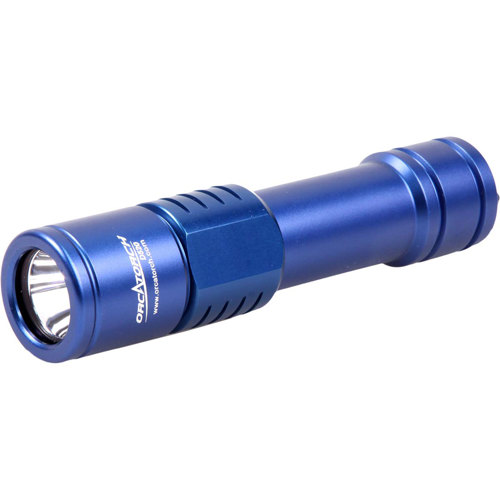
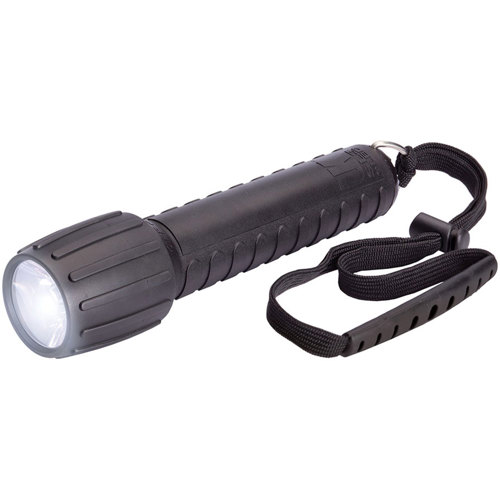
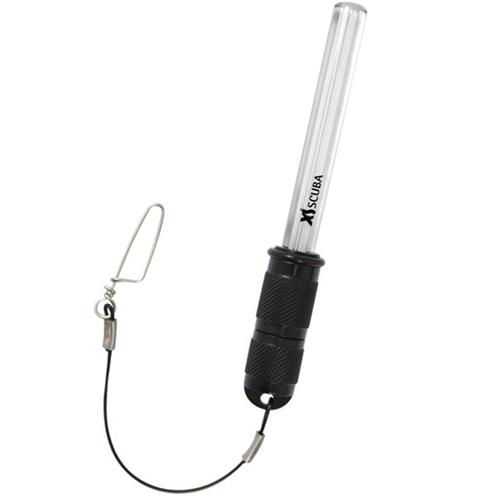
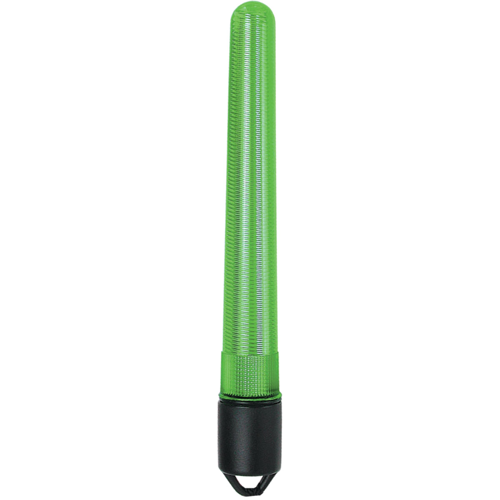
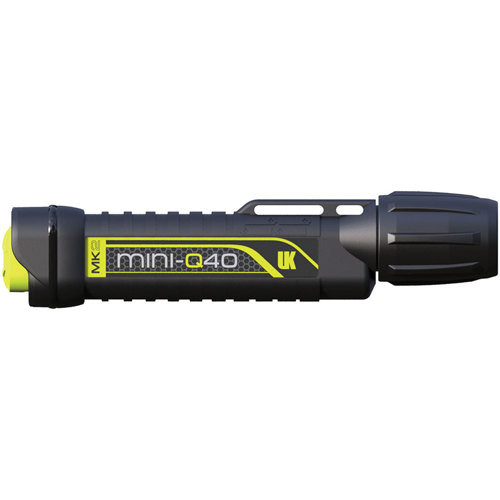
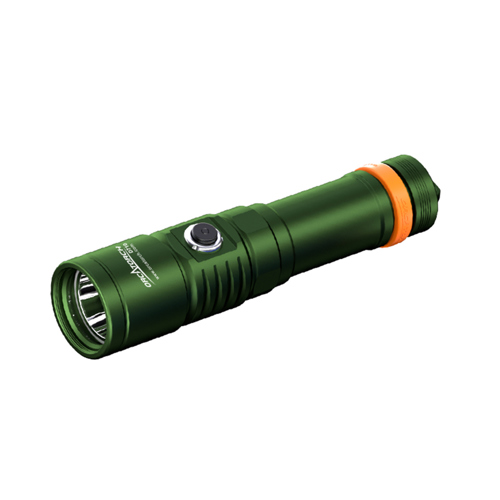
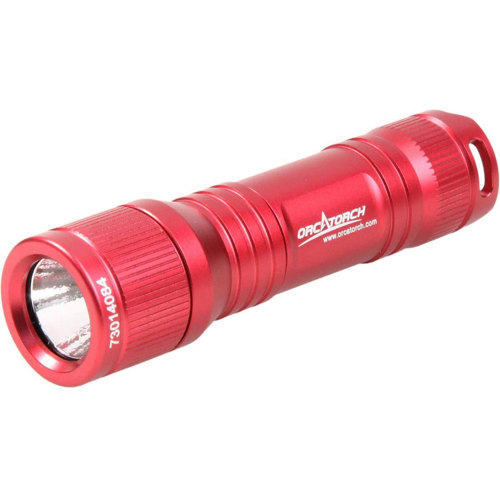
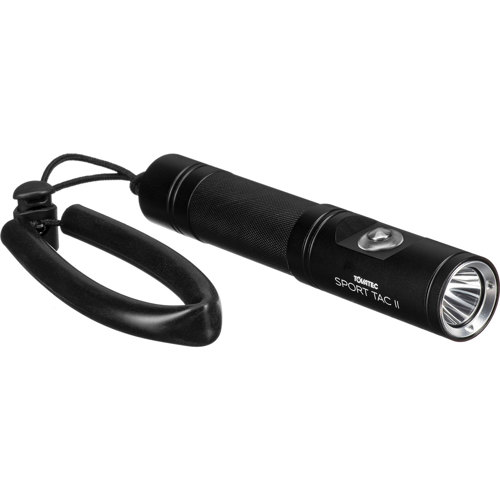
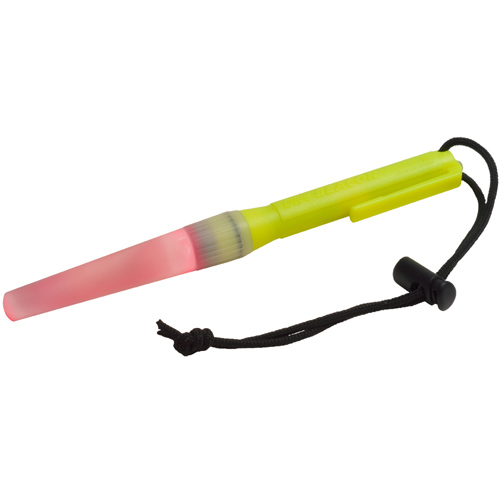
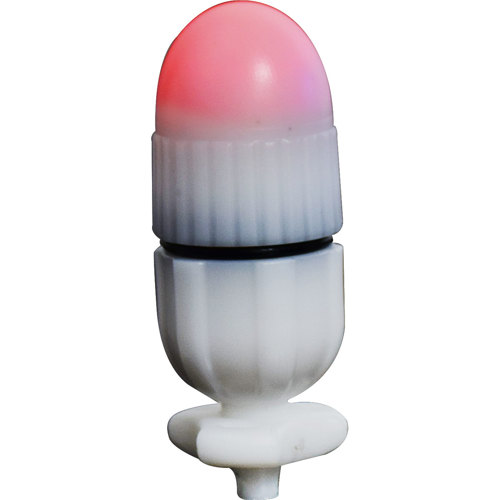
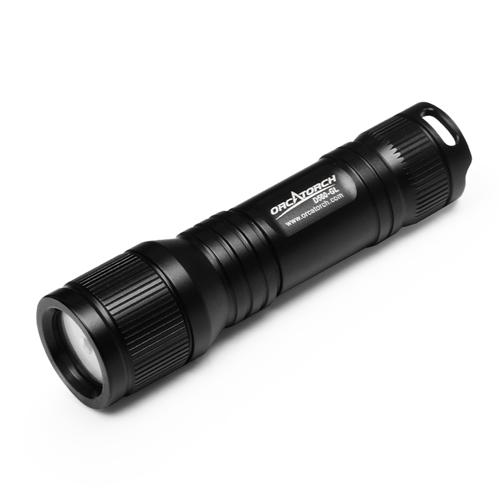
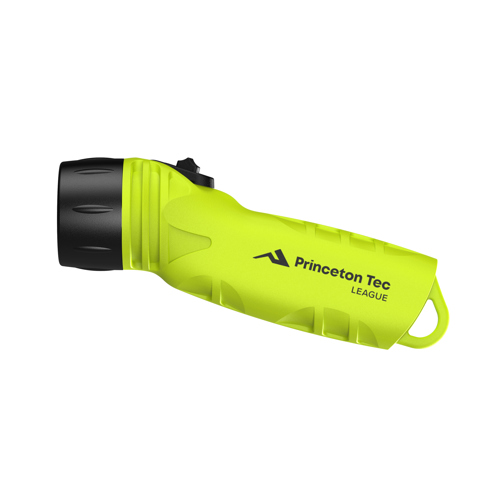
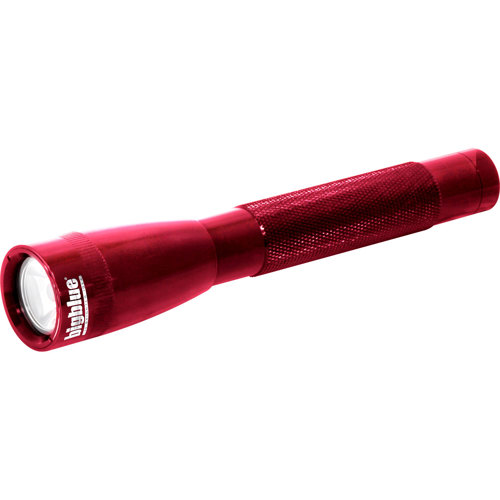
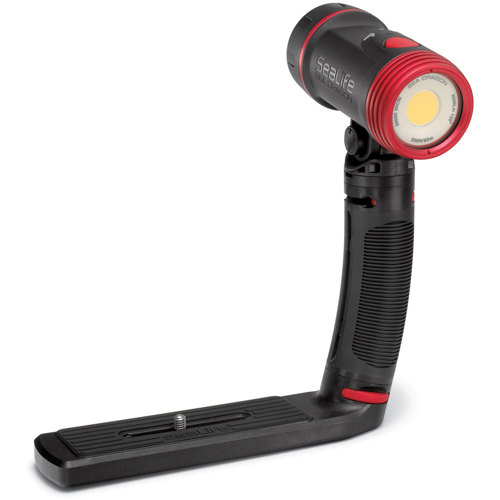
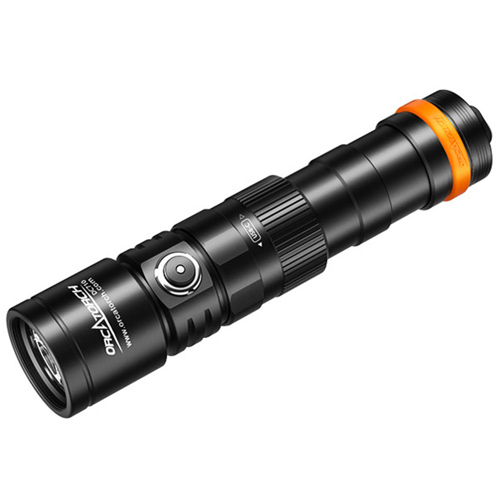
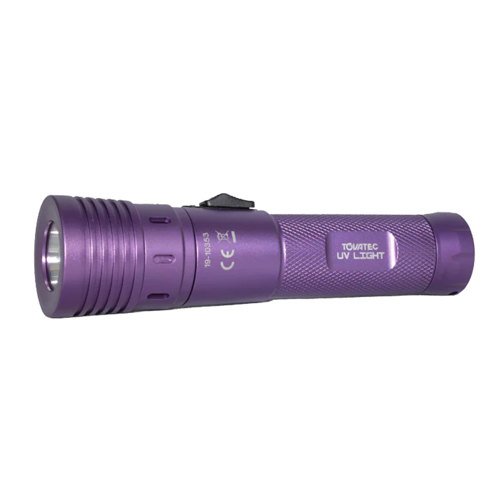
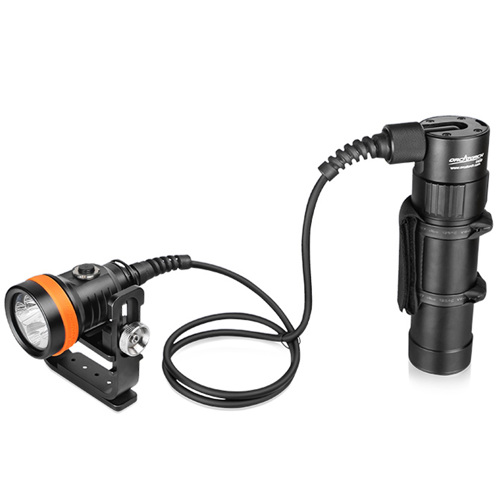
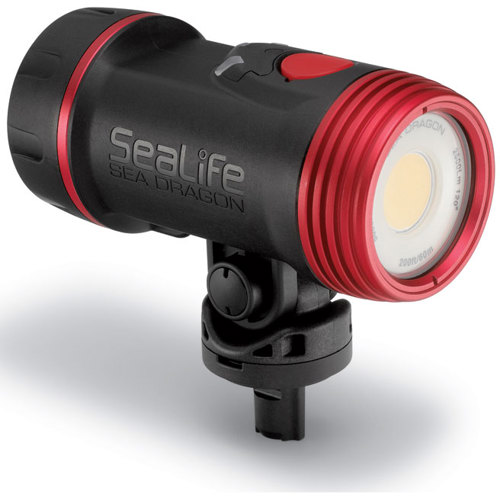
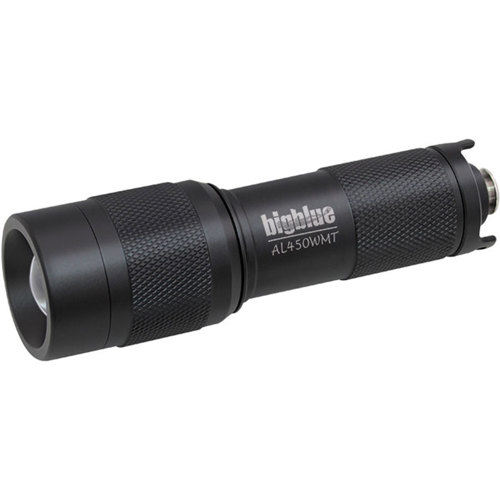
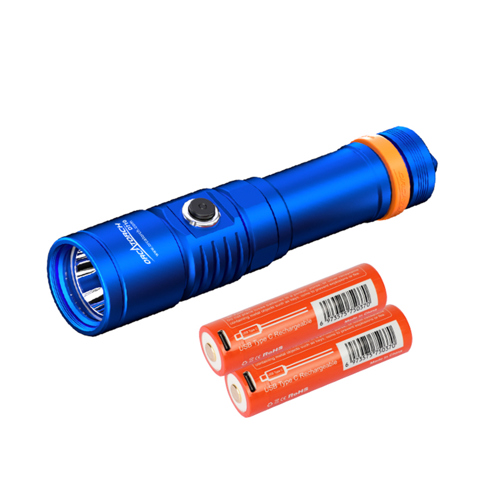
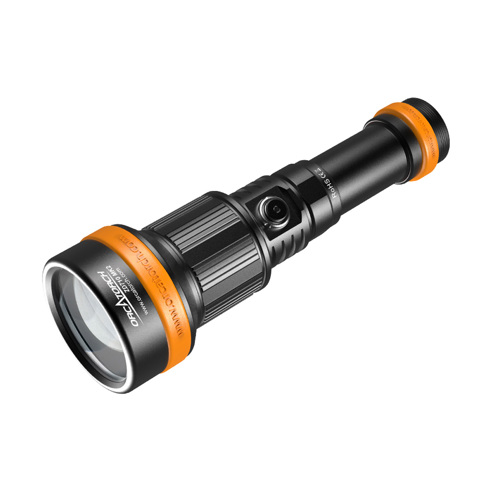
When preparing for any dive—whether you’re exploring a vibrant coral reef at dusk, venturing into a historic wreck, or threading your way through the winding passages of a freshwater cave—having a reliable secondary dive light is a fundamental part of your kit. Often called a backup light, this compact device is your safeguard if your main light source fails, ensuring you’re never left in the dark beneath the surface. As the weather warms and water activities become more frequent, divers of every level, from those enjoying leisurely twilight shore dives to technical explorers pushing their limits, benefit from the peace of mind that comes with carrying a trustworthy underwater flashlight. The best secondary dive lights are designed with a narrow, focused beam—typically between 6° and 10°—which slices through murky water, making it easier to communicate with your buddy or signal for help. Their rugged construction stands up to the rigors of repeated use, whether clipped to a BCD or stowed in a thigh pocket, and their long battery life ensures they’re always ready when needed. Many divers prefer models with USB-C rechargeable lithium-ion batteries for convenience, while others opt for simple alkaline-powered lights for their reliability and easy field replacement. The choice often comes down to personal preference and the specific demands of your dive environment.
For those who enjoy gifting gear to friends or family who dive, a secondary dive light is a thoughtful and practical present—especially for newer divers building their kit or seasoned enthusiasts looking to upgrade. The compact size and robust build of most backup lights make them easy to pack, and their versatility means they’re useful beyond diving, too, such as for camping or emergency preparedness. Whether you refer to it as an underwater flash light, under water flashlight, or linterna de buceo, this piece of equipment is essential for night dives, low-visibility conditions, or any situation where a primary light could malfunction. Experienced divers often recount stories of how a backup light saved the day: perhaps a main torch fizzled out deep inside a shipwreck, or a sudden squall turned a routine dive into a test of navigation skills. In those moments, reaching for a compact, dependable flashlight clipped to your D-ring or secured with a bungee mount can make all the difference. It’s this level of preparedness that separates the casual diver from the truly safety-conscious, and it’s why secondary lights are recommended for every dive, not just those in challenging environments.
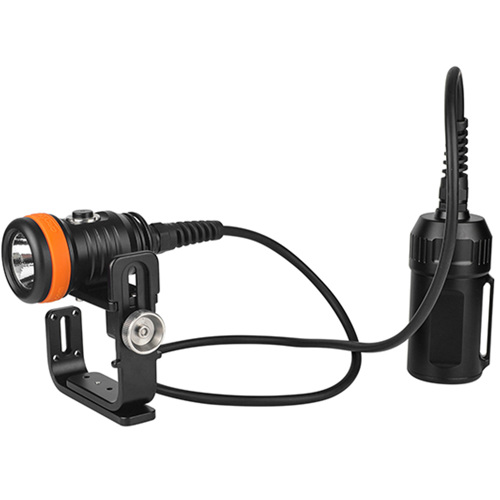
Selecting the right secondary dive light involves considering not just brightness and battery life, but also ergonomics and mounting options. A good backup light should be easily accessible with either hand, operable even with thick gloves, and simple to deploy in an emergency. Look for models with intuitive switches, robust o-ring seals, and corrosion-resistant housings to ensure longevity in saltwater conditions. As you browse our selection, remember that your backup light complements your primary system—if you’re interested in exploring more advanced lighting setups, you might want to review our recommendations for
Primary Dive Lights For Advanced Divers. Whether you’re gearing up for a series of summer night dives or preparing for the unpredictable conditions that can arise as cooler months approach, investing in a quality secondary light is a smart, safety-first decision that lets you focus on the adventure ahead.