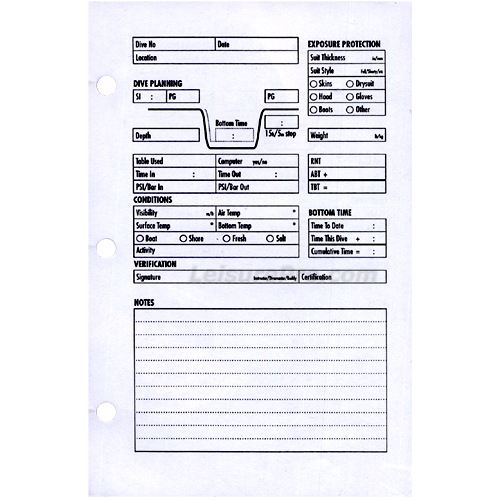
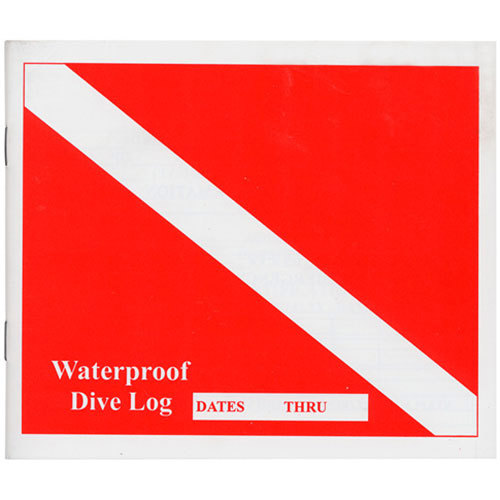
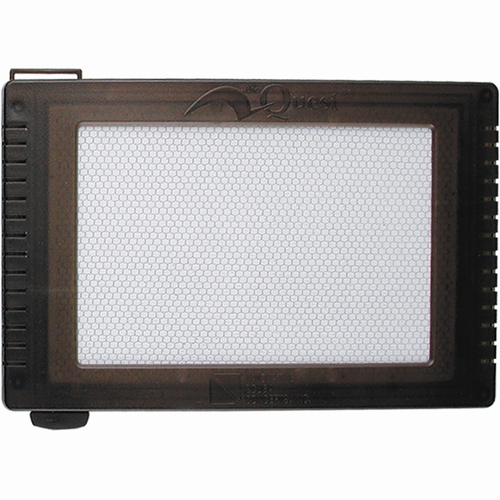
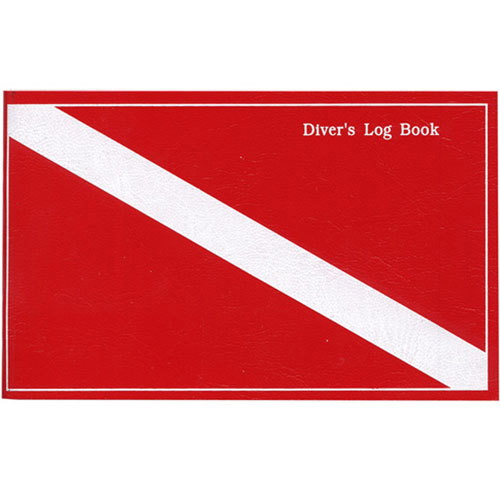
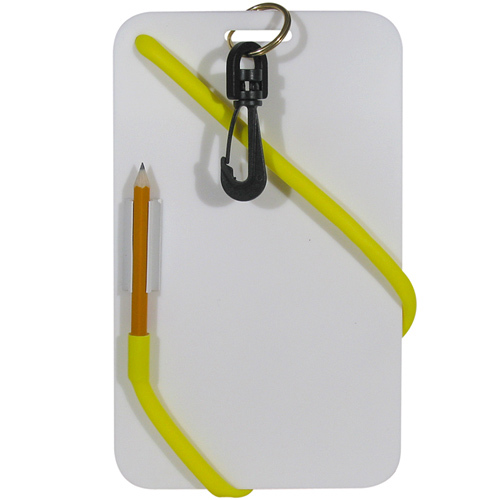
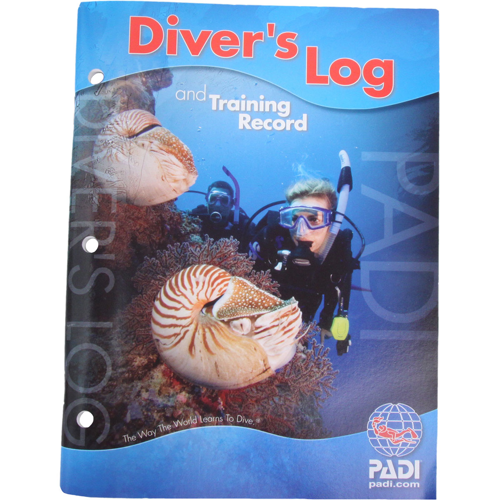
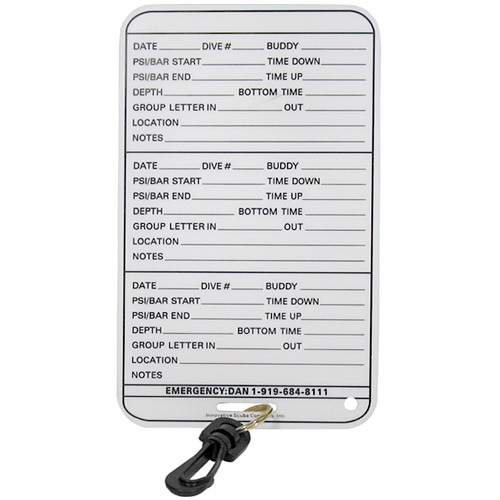
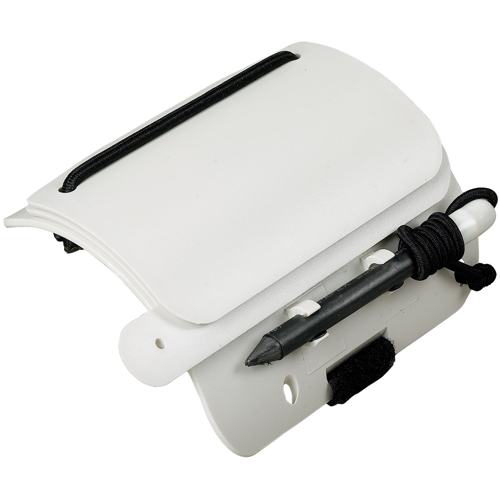
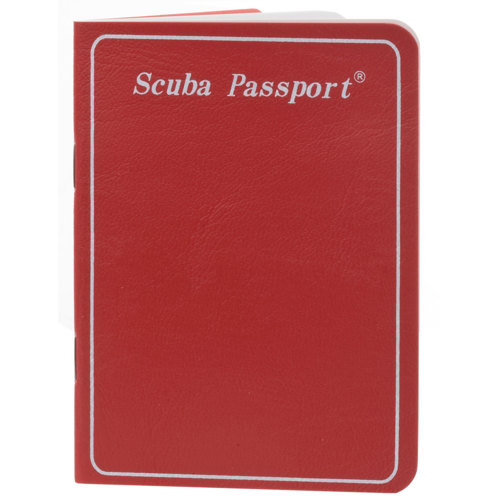
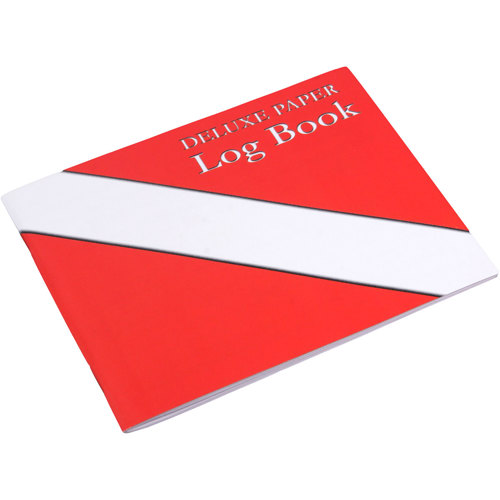
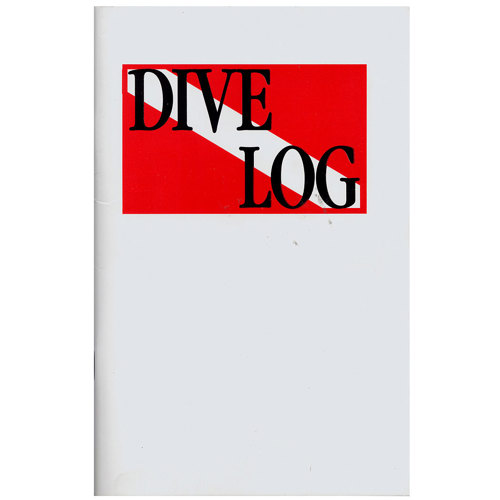
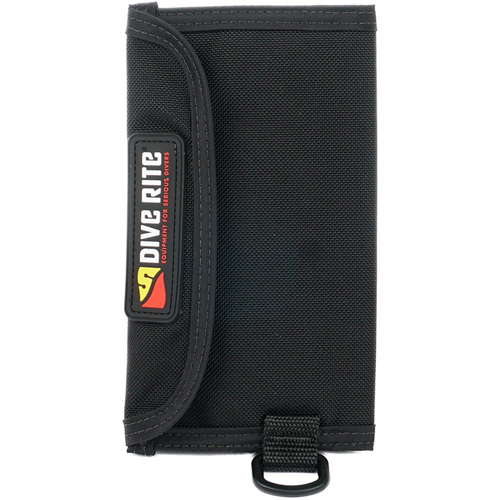
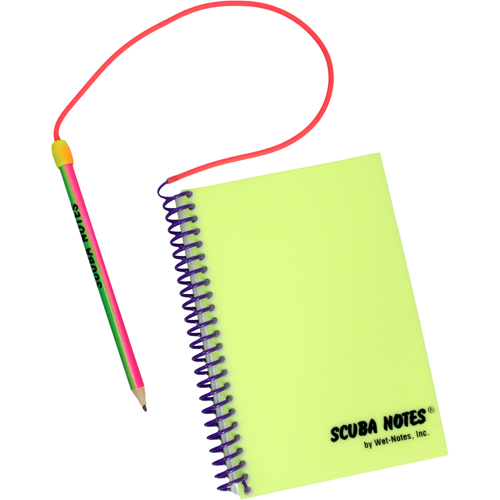
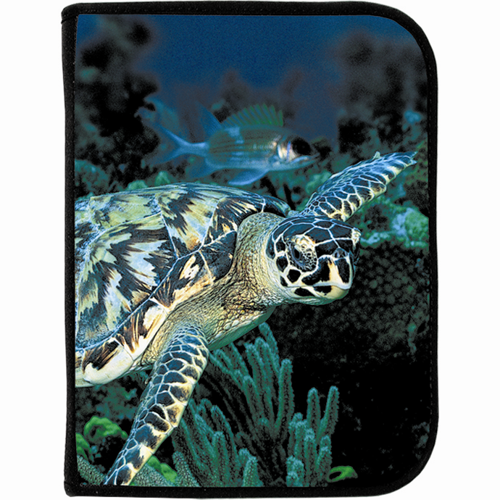
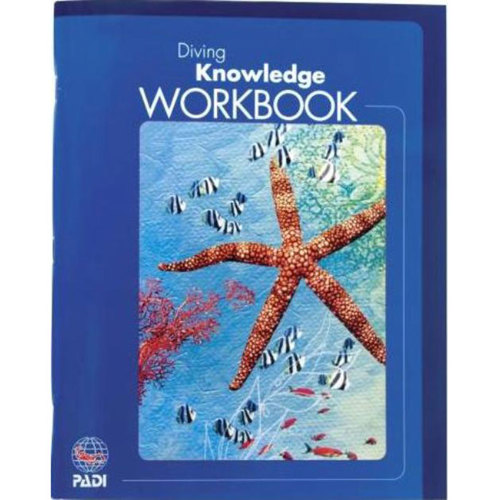
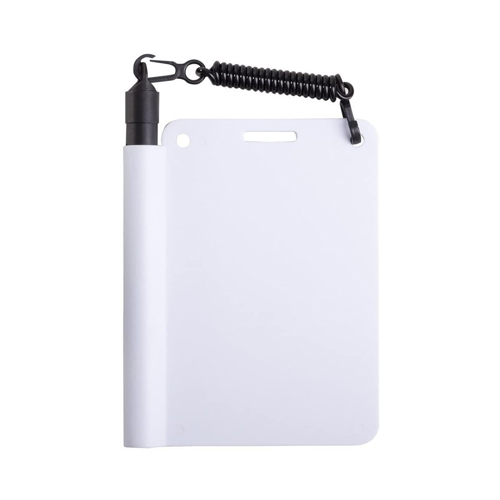
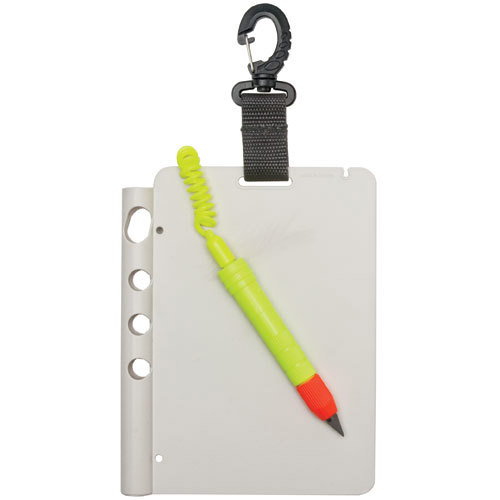
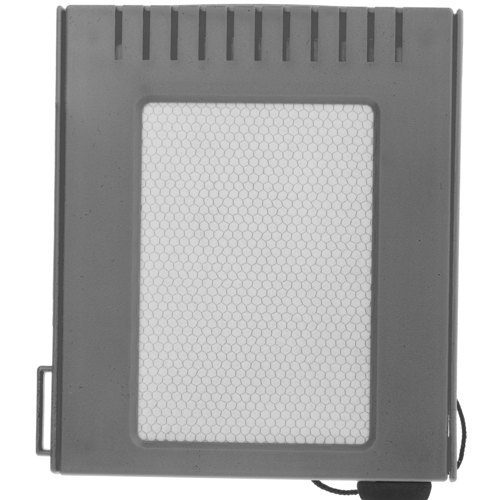
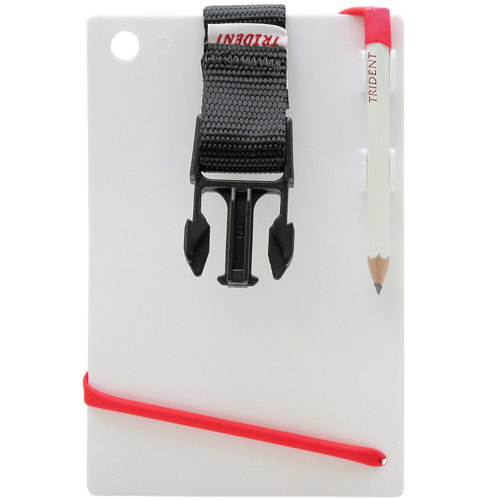
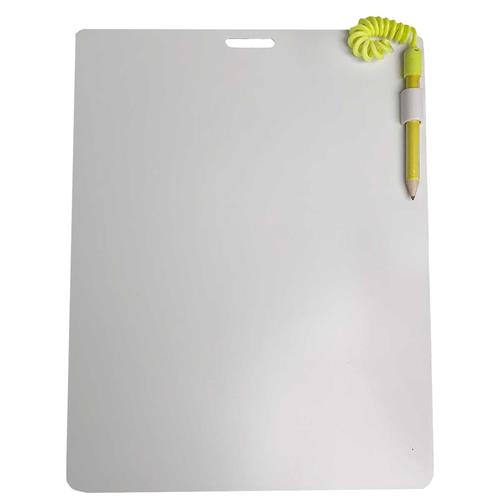
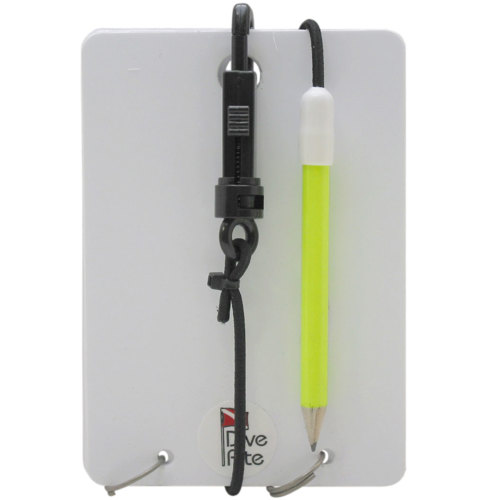
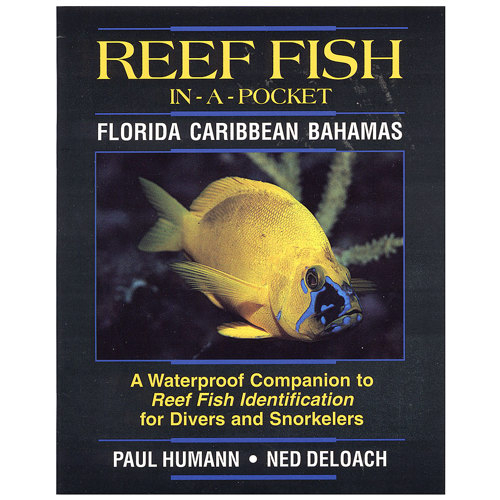
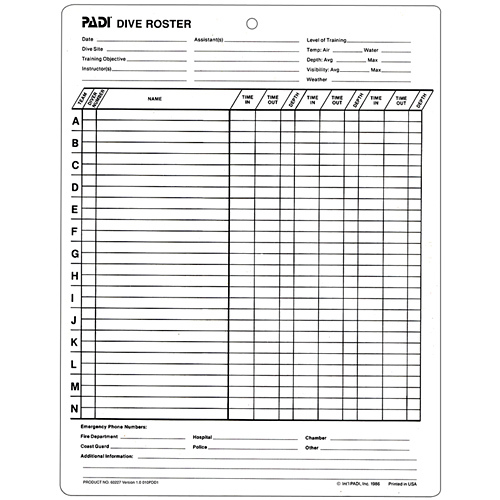
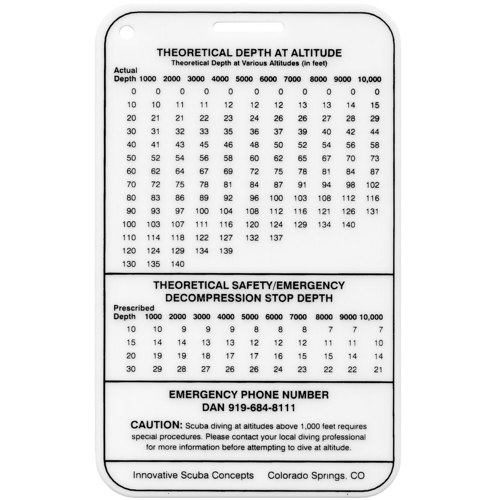
Research diving notebooks are indispensable companions for anyone who spends time collecting data beneath the surface, whether for scientific research, marine conservation, or technical exploration. These specialized notebooks, often known as wetnotes, are engineered to withstand the rigors of underwater environments, making them essential for recording observations, mapping dive sites, and tracking critical data in real time. Unlike ordinary paper, the waterproof pages are constructed from durable synthetic materials that resist tearing, dissolving, and smudging—even when completely submerged in saltwater. This reliability is crucial for divers working in dynamic conditions, from sunlit reefs in warm summer waters to the cooler, shadowy depths explored during autumn fieldwork. The covers are typically made from heavy-duty fabrics like ballistic nylon or Cordura, offering protection against abrasions and ensuring the contents remain secure even when stashed in a crowded gear bag or clipped to a BCD. Many notebooks feature robust closures, such as Velcro or shock cords, to keep pages from flapping open during a dive, while internal clear pockets and organizational sleeves provide space for storing compass cards, dive tables, species identification charts, or survey checklists.
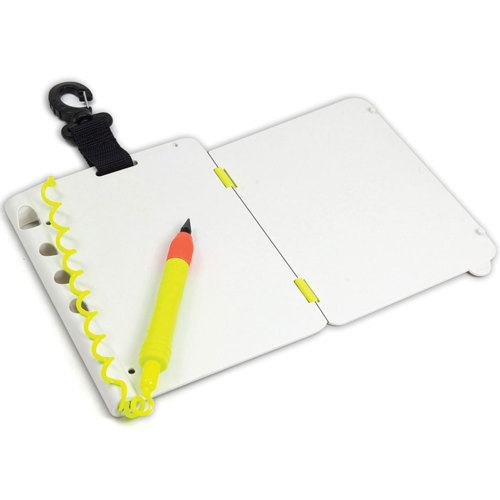
For divers who rely on accurate data collection, the choice of writing utensil is just as important as the notebook itself. Standard pens simply won’t work underwater; instead, these notebooks are designed for use with solid graphite pencils or grease markers, which can write smoothly and legibly on wet pages. Some models come with tethered pencils and dedicated holders, minimizing the risk of losing vital tools mid-dive. The ability to erase and reuse pages with a standard eraser or a bit of baking soda adds to the practicality, allowing researchers to make corrections or repurpose notebooks across multiple projects. Divers conducting biological surveys, mapping archaeological sites, or logging decompression schedules will appreciate the flexibility and organizational features that make these notebooks so effective in the field. They are also a thoughtful gift for students, marine biologists, or anyone embarking on dive training, offering a practical tool that supports learning and safe diving practices. As the diving season transitions from the vibrant activity of summer into the quieter months of fall, these notebooks remain a steady asset, enabling users to document everything from fleeting wildlife encounters to complex site surveys regardless of changing conditions.
Experienced divers often integrate research diving notebooks with other specialized tools, attaching them to a D-ring with a bolt snap for security or pairing them with backup slates for quick reference. For those engaged in more advanced or technical dives, there are dedicated resources and products designed to meet the unique demands of deep or complex underwater missions. If your interests extend beyond standard research and into technical diving, you may want to explore additional options tailored for those environments, such as the selection found on our
Technical Diving Notebooks page. Whether you are a seasoned researcher, an enthusiastic student, or a diver looking to enhance your underwater documentation, investing in a quality research diving notebook ensures that every observation, sketch, and data point is captured, preserved, and ready for analysis back at the surface.