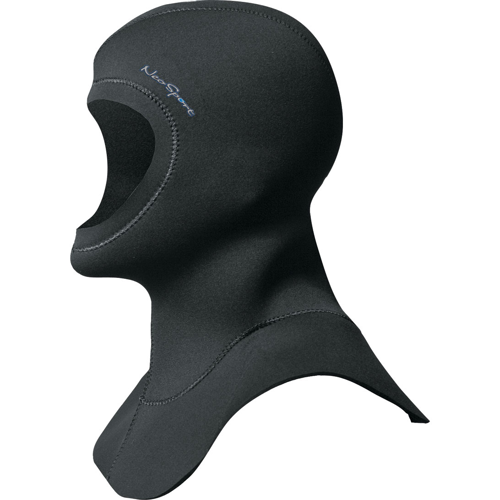
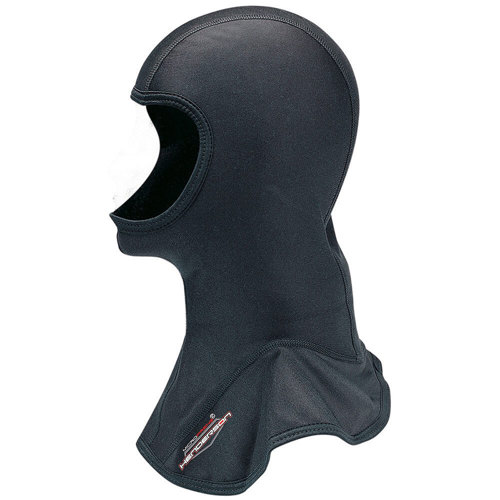
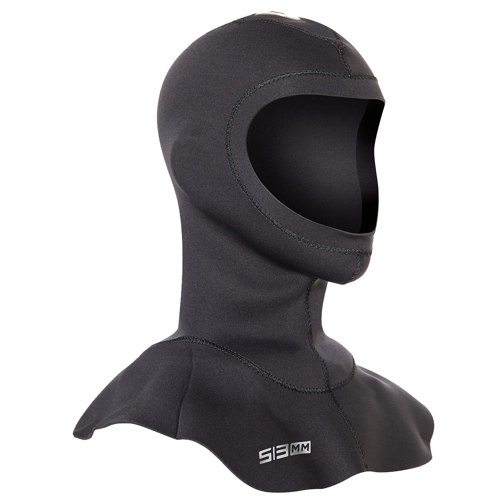
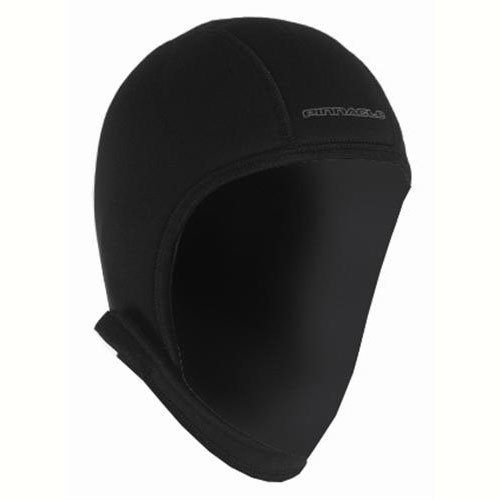
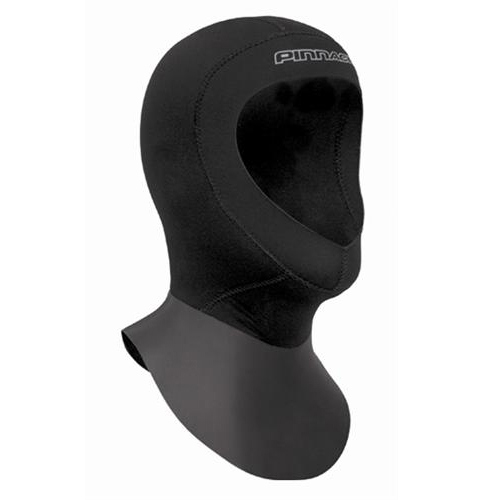
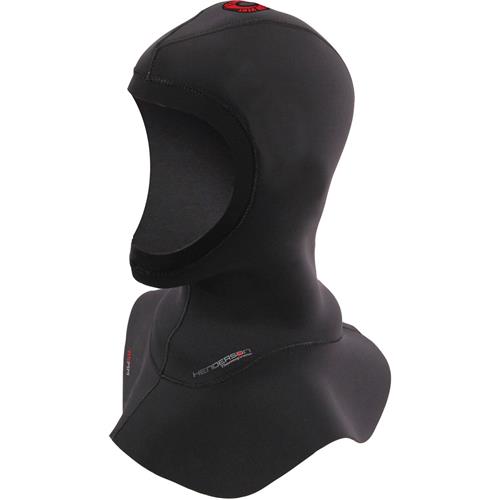
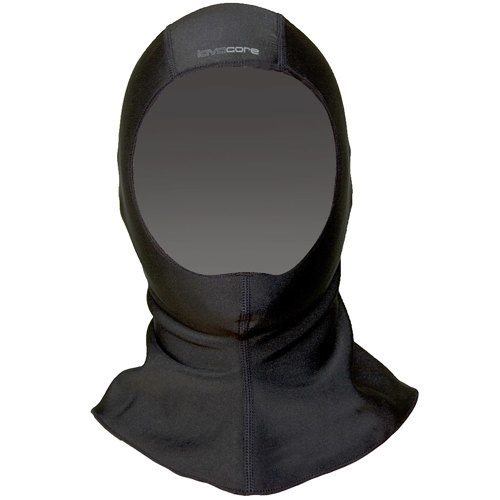
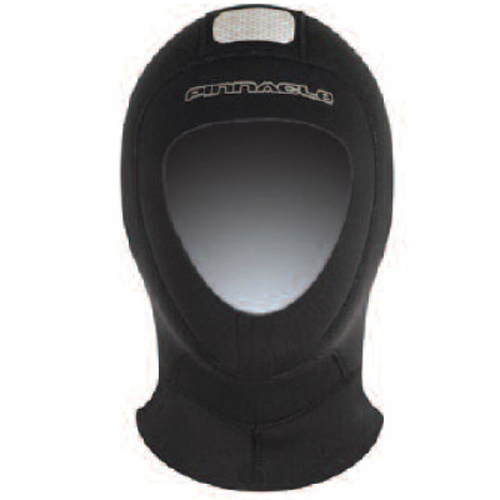
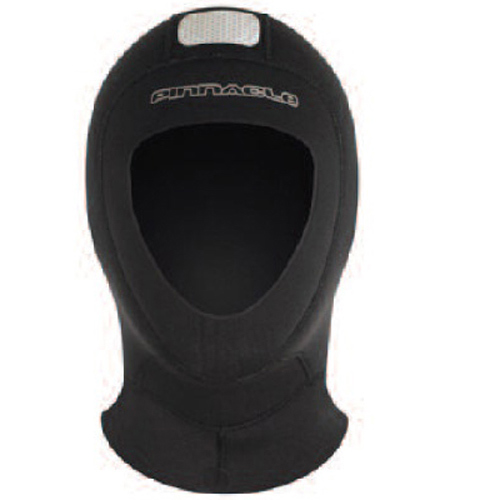
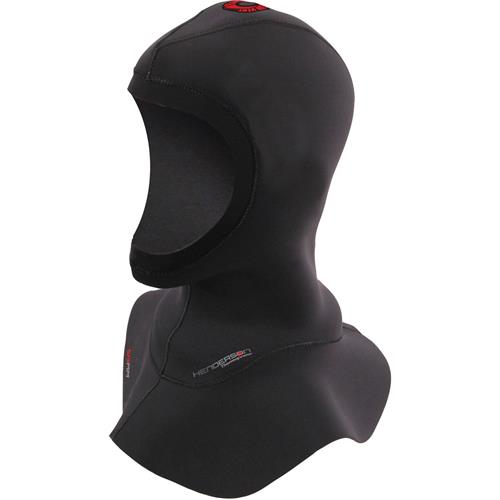
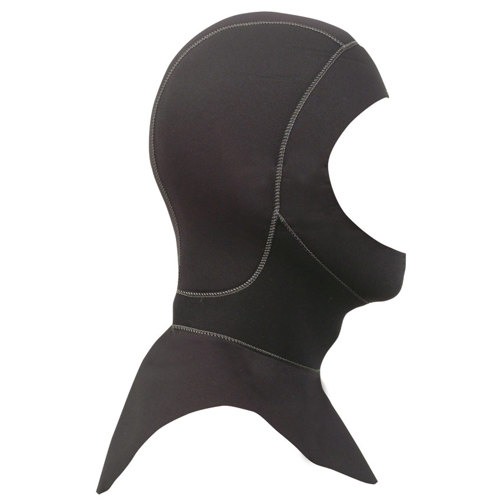
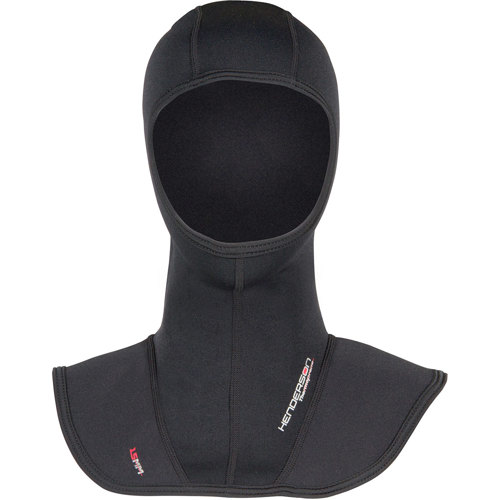
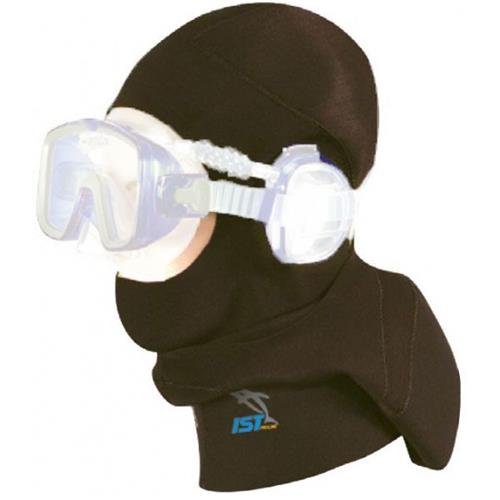
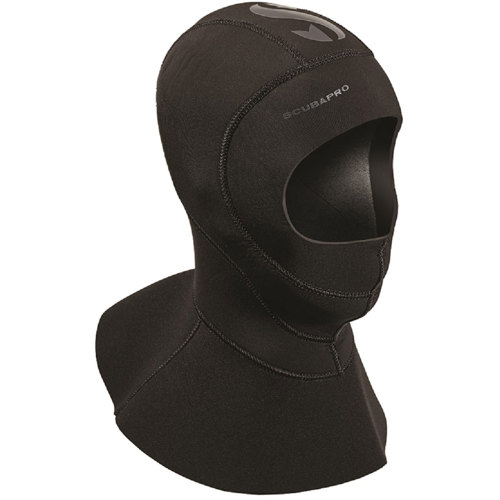
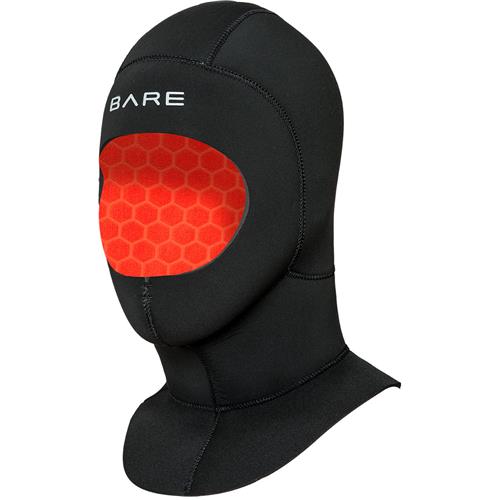
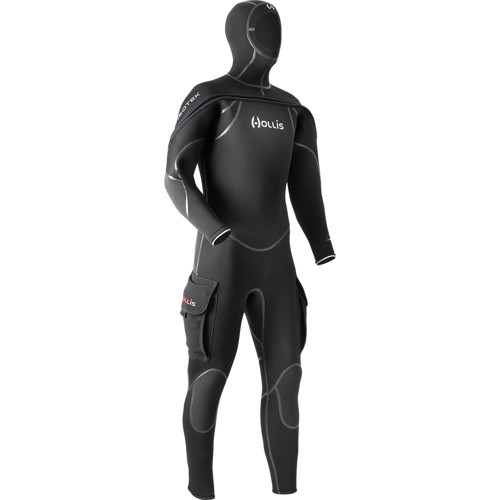
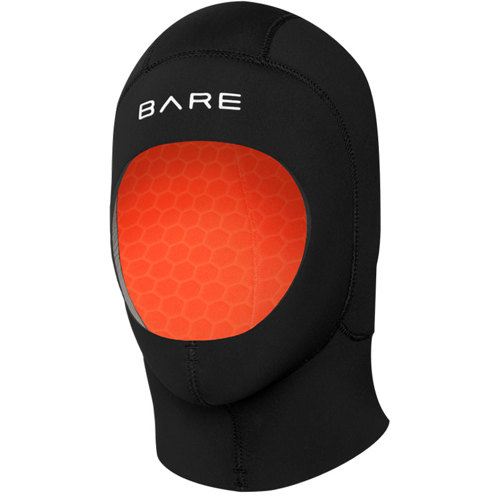
Rescue diving hoods are an essential part of any professional or volunteer diver’s gear, especially for those who operate in challenging environments where safety, warmth, and visibility are paramount. Unlike standard recreational dive hoods, rescue hoods are engineered with advanced materials and specialized features to meet the demands of search and rescue operations, swiftwater response, and cold-water diving. High-quality neoprene—often limestone-based for improved eco-friendliness and durability—forms the backbone of these hoods, with many models incorporating plush thermal linings to help retain body heat during extended missions. This is especially critical when water temperatures drop or when dives stretch into the cooler months, as even brief exposure to cold water can sap energy, reduce dexterity, and compromise a diver’s ability to perform under pressure. To further support thermal protection, rescue hoods are typically available in a range of thicknesses, from streamlined 3mm options for moderate conditions where mobility is key, up to robust 7mm or even 10mm hoods for extreme cold or winter diving scenarios. Many divers find that a 5mm or 6mm hood strikes the ideal balance between insulation and flexibility, making it a popular choice for year-round readiness.
Visibility is another critical consideration for rescue divers, and it’s common to see hoods with bright, high-contrast panels—often in yellow or orange—along with reflective strips or patches. These details aren’t just for show; they dramatically improve the diver’s profile both at the surface and below, making it easier for teammates, boat crews, or support personnel to locate them quickly in low-visibility conditions or turbulent water. The face and neck seals of rescue hoods are typically crafted from slick skin or Glideskin materials, designed to form a close, watertight barrier that minimizes cold water flushing and works in tandem with drysuit “warm neck” collars. For those who have experienced the discomfort of water trickling into a suit during a long deployment, the difference these seals make is immediately apparent. Many rescue hoods also feature a large, integrated bib that tucks securely under a wetsuit or drysuit, providing a seamless transition and further reducing the risk of water ingress. For professional divers, one-way venting systems—such as HAVS valves—are a game-changer, allowing trapped air from the regulator to escape without letting water in, which prevents the hood from inflating or creating uncomfortable pressure points during a dive.
Whether you’re outfitting a public safety dive team, supporting a volunteer rescue squad, or looking for a practical and meaningful gift for a diver who spends time in demanding conditions, rescue diving hoods are a thoughtful choice. They are especially valued by those who work in colder climates, train for swiftwater response, or participate in search and recovery operations where exposure to the elements is a given. The right hood can make a tangible difference in performance, comfort, and safety, allowing divers to focus on their mission rather than battling the cold or struggling to stay visible. As the weather warms and more teams prepare for an active season on the water, investing in a quality rescue hood is a smart move for anyone who takes their role seriously. For those looking to explore a wider range of options or compare technical details, our curated list of the
Best Dive Hoods offers expert insights and recommendations to help you find the perfect fit for your needs.