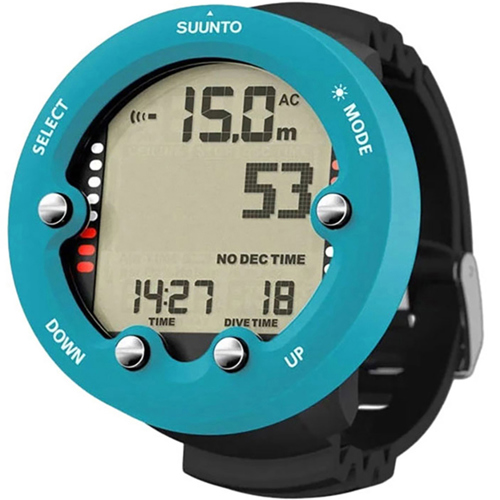
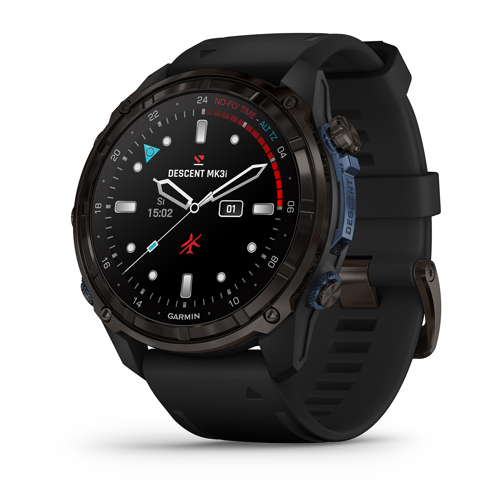
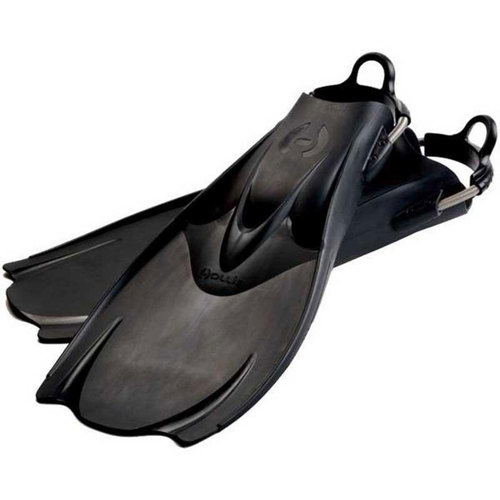
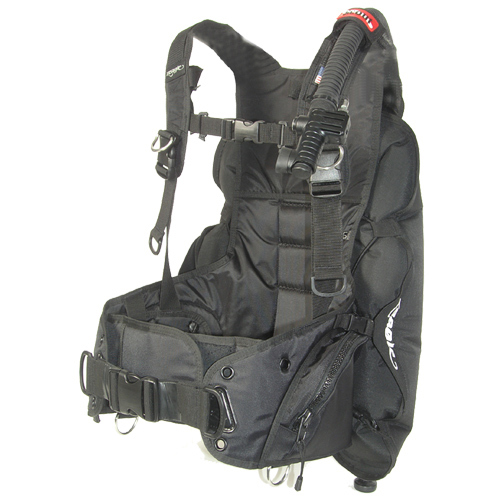
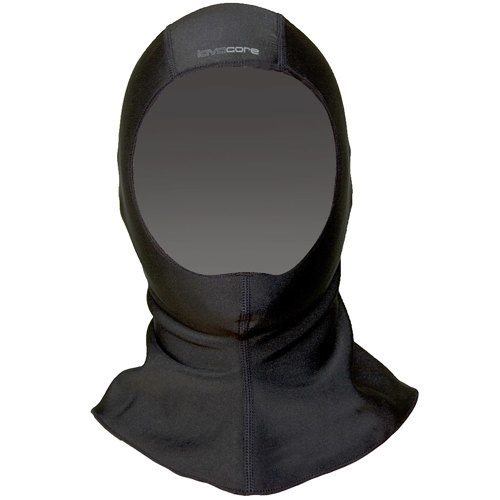
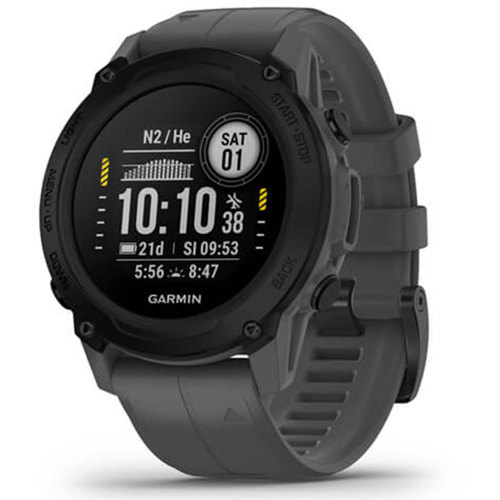
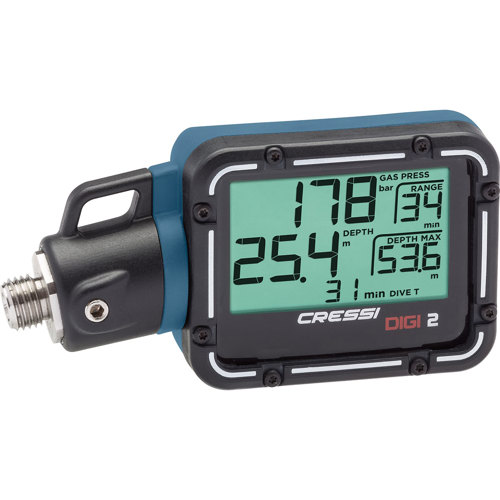
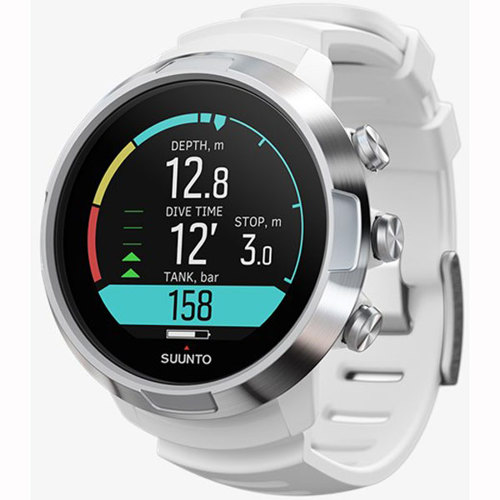
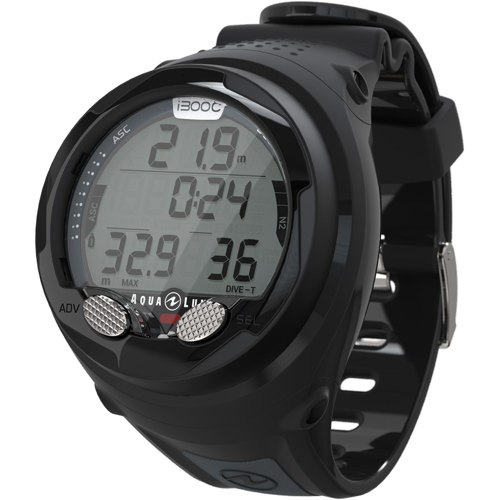
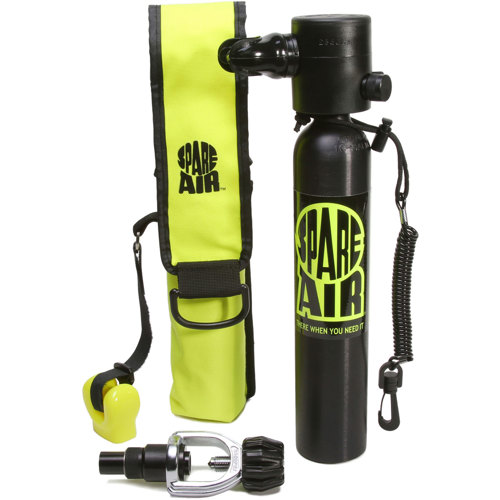
Technical diving represents the next level of underwater exploration, demanding not only advanced training but also a carefully curated set of gear designed for safety, reliability, and adaptability in challenging environments. Whether you’re preparing for deep wreck penetrations, extended cave dives, or ambitious multi-gas decompression profiles, the right equipment forms the backbone of every successful dive. Scuba tech enthusiasts and seasoned divers alike know that redundancy and streamlining are at the heart of technical diving. This means investing in robust twinsets or sidemount tank configurations, technical buoyancy control devices like wing-and-harness systems, and multi-gas capable dive computers that can handle the demands of Trimix and advanced decompression tracking. The onset of February, with its cooler water temperatures in many regions, also underscores the importance of exposure protection—drysuits or thick wetsuits become essential for maintaining comfort and focus during lengthy bottom times or decompression stops. For those who cherish the thrill of exploration or are looking to gift a diver with gear that supports their next big adventure, these essentials are invaluable.
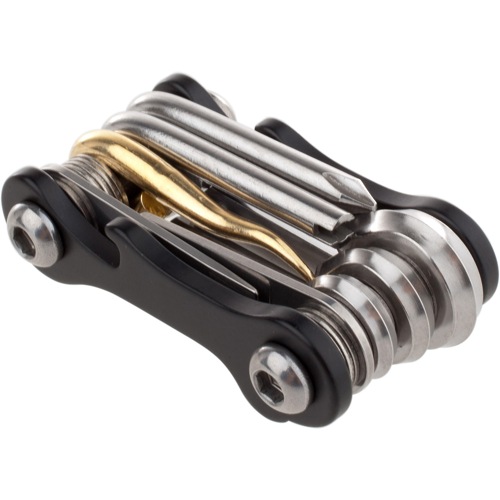
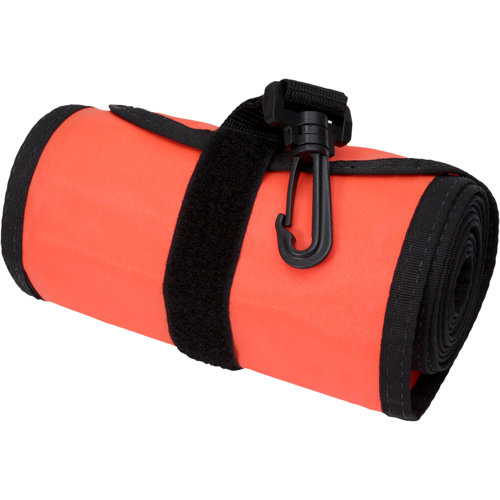
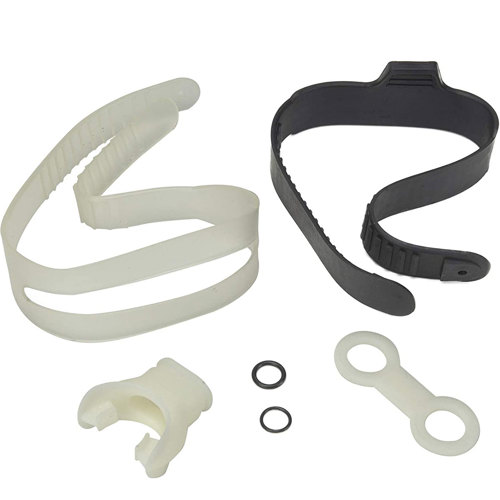
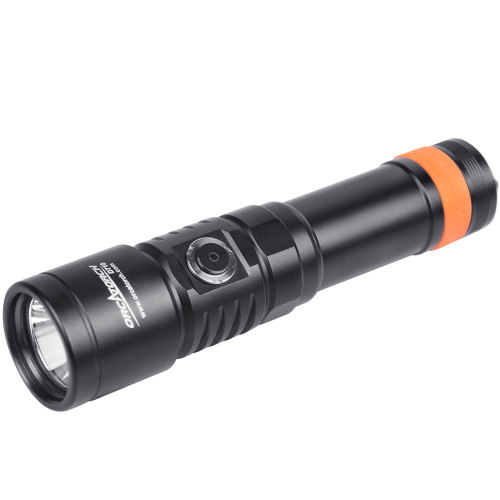
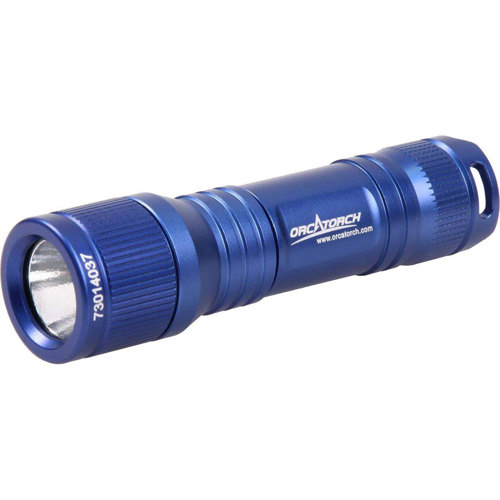
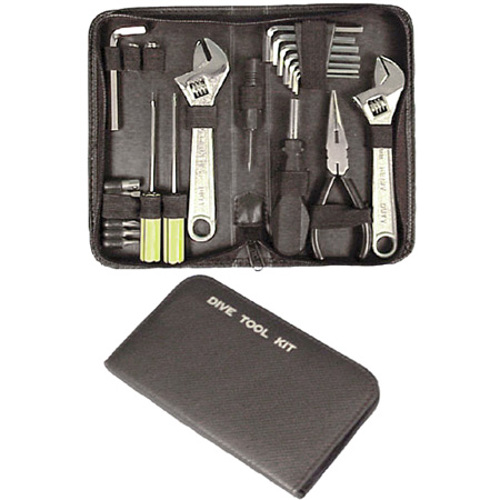
Every piece of tech diving equipment is chosen with purpose. Redundant regulators with long hose setups facilitate safe gas sharing in overhead or deep-water environments, while high-lift wings and sturdy backplates provide the stability and control needed when maneuvering with multiple cylinders or navigating tight spaces. Precise buoyancy control is not just a matter of comfort but of safety, especially when executing complex decompression schedules or traversing silty passageways where a single fin kick can reduce visibility to zero. Lighting is another critical aspect—primary canister lights cut through the darkness of wrecks and caves, and backup torches ensure you’re never left in the dark. Accessories like cutting tools, spools, reels, and delayed surface marker buoys (DSMBs) are more than just add-ons; they are lifelines for navigation, communication, and emergency signaling. Even seemingly minor components—a well-stocked field repair kit with O-rings, bungee cords, and hex keys—can mean the difference between a completed dive and an aborted mission. For divers who subscribe to the DIR (Doing It Right) philosophy, every item is meticulously selected and positioned for maximum efficiency and minimal drag, reflecting a commitment to both personal safety and team protocols.
Choosing the right tech diving essentials is a process shaped by experience, dive goals, and the unique environments you plan to explore. Newcomers to technical diving may find the investment in specialized gear daunting, but each piece serves a critical function, contributing to a system where reliability and redundancy save lives. These products also make thoughtful gifts for dedicated divers—whether it’s a compact backup light for a friend who loves night dives, or a set of wetnotes for a buddy meticulously planning their next cave mapping expedition. As winter gives way to early spring, many divers begin prepping for the upcoming season’s expeditions, making now an ideal time to upgrade or fine-tune your kit. For those interested in a deeper dive into gear configurations and system setups, our comprehensive guide on
Tech Diving Systems offers expert insights into assembling a streamlined, reliable rig tailored to your technical diving ambitions. Whether you’re pushing the limits of depth, duration, or environment, having the right tech diving essentials ensures every dive is as safe, efficient, and rewarding as possible.