Drying Diving Hoods
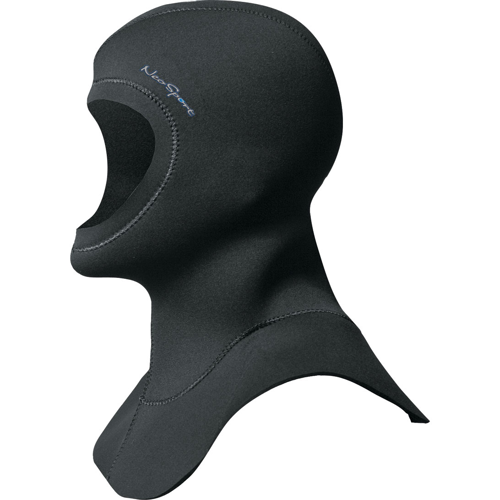
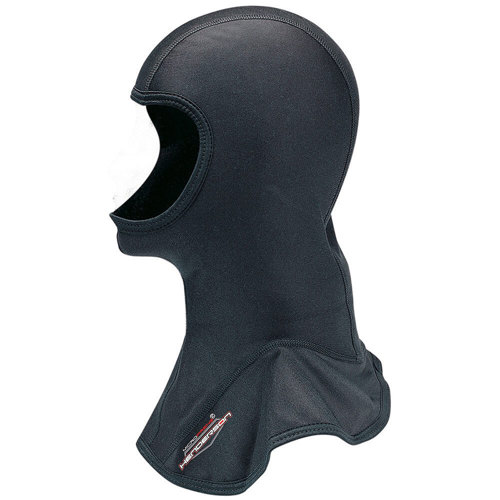
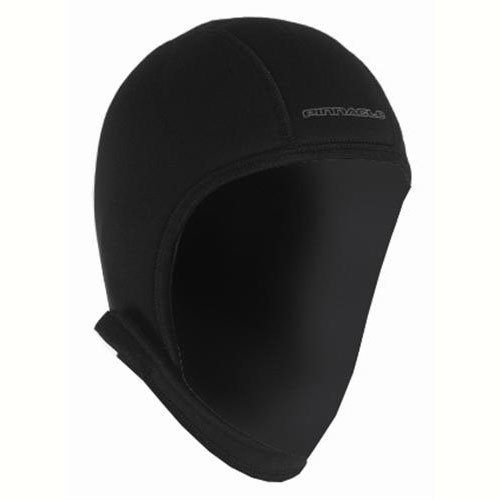
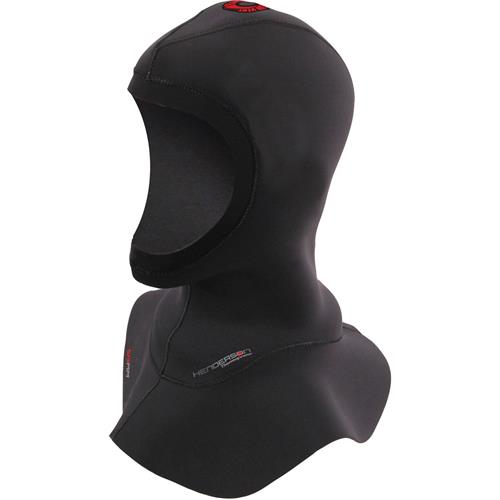
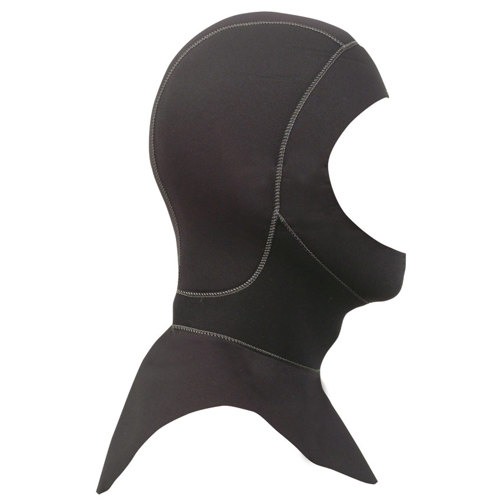
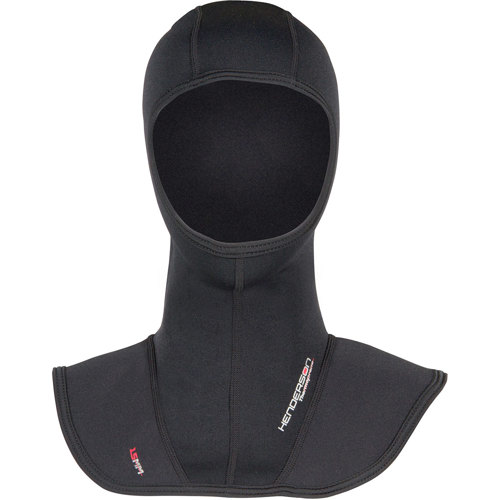
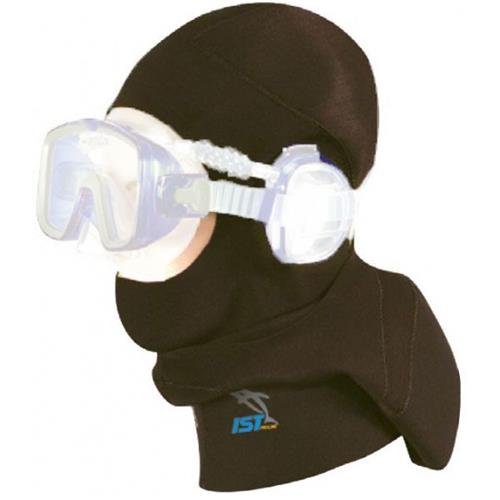
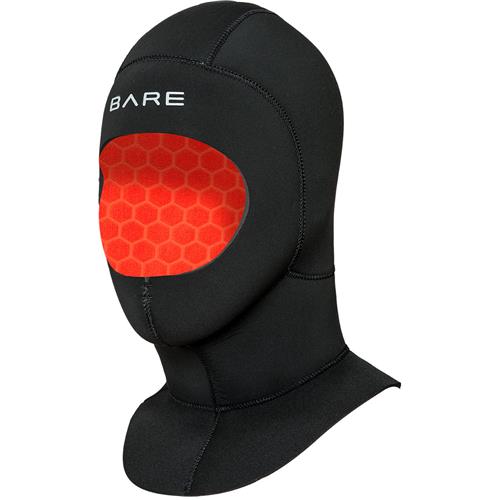
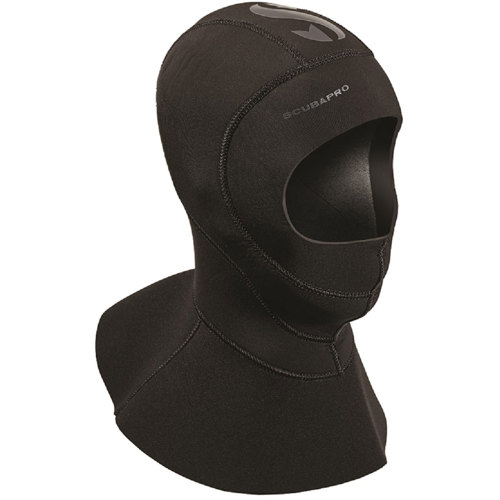
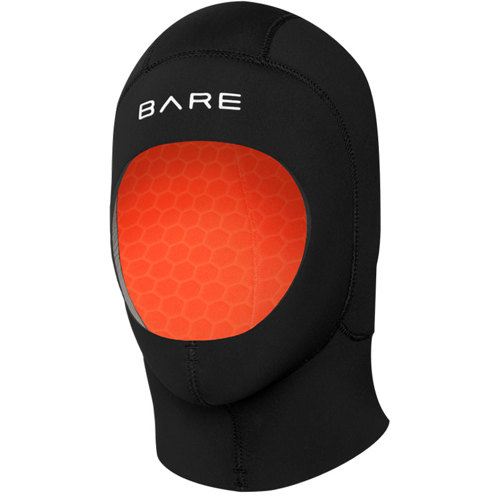
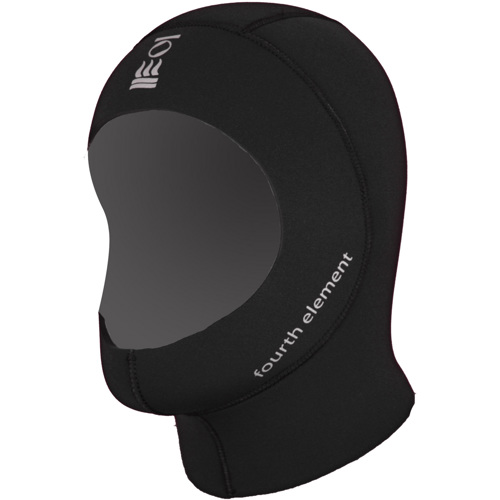
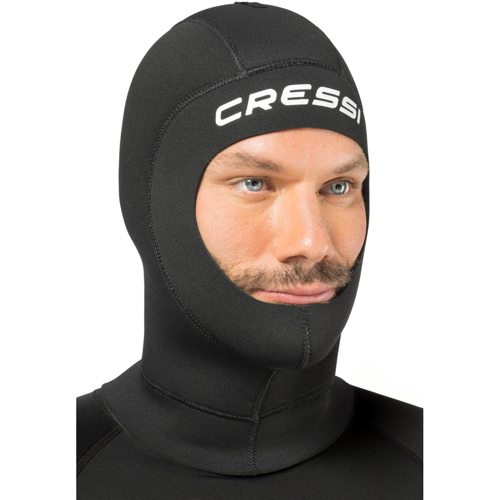
A well-cared-for diving hood is essential for any diver, snorkeler, or water sports enthusiast who wants to get the most out of their gear season after season. Drying diving hoods properly is a crucial step in maintaining the comfort, performance, and longevity of your equipment. After each dive, especially as the weather warms and water activities become more frequent, rinsing your hood thoroughly with fresh water helps remove salt, sand, and other residues that can break down neoprene or other technical fabrics. Once rinsed, it’s important to let your hood dry completely to prevent the growth of mildew, bacteria, and unpleasant odors. The best way to do this is to turn the hood inside out halfway through the drying process, allowing both the exterior and the plush, fleece, or smooth-skin interior to air out evenly. Laying a wet hood flat can trap moisture and slow the drying process, so using a specialized hood dryer, draping the hood over an upright object, or hanging it by the neck with sturdy clips in a shaded, well-ventilated area can make a significant difference. Direct sunlight should be avoided, as UV rays and excessive heat can degrade the materials over time, leading to stiffness or cracking.
For divers who plan multiple sessions in a single day, such as those on liveaboard trips or during training weekends, it’s wise to rotate between two or three hoods to ensure you always have a dry, comfortable option ready. This is especially true as surface intervals rarely provide enough time for a single hood to dry fully. Gifting a set of drying aids or an extra hood can be a thoughtful gesture for friends or family who are passionate about scuba diving, freediving, or even cold-water swimming, as it shows an understanding of the little details that make aquatic adventures more enjoyable and hygienic. For those who dive in cooler conditions or who are prone to skin sensitivity, pairing a hood with a liner can add an extra layer of warmth and comfort—explore more about this option on our
Diving Hood Liners page. Whether you store your gear indoors or outdoors, creating a dedicated drying space—using racks, hooks, or even repurposed household items—ensures that your hoods dry quickly and completely, ready for your next outing. Taking these steps not only preserves the fit and flexibility of your hood but also helps maintain a fresh, clean feeling every time you pull it on, making each dive or swim more enjoyable as the seasons shift from early summer through fall.