Diving Under Layers
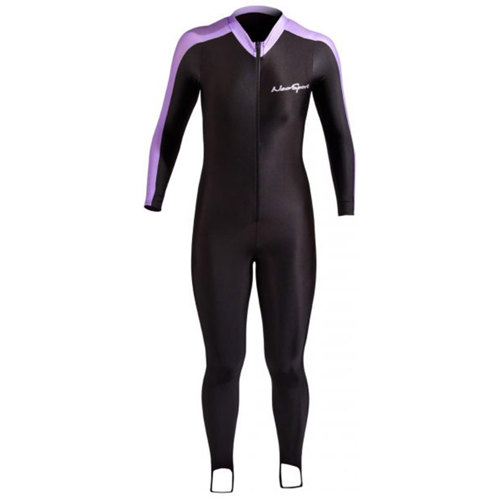
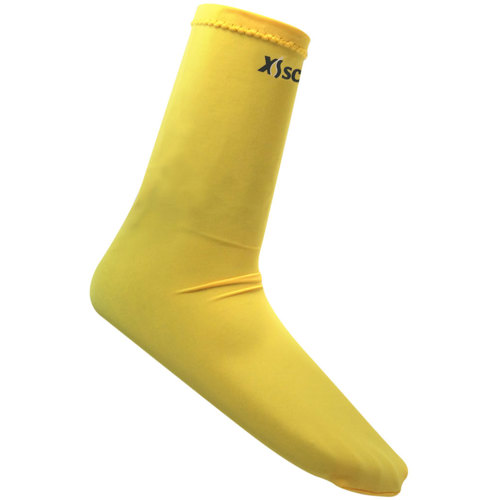
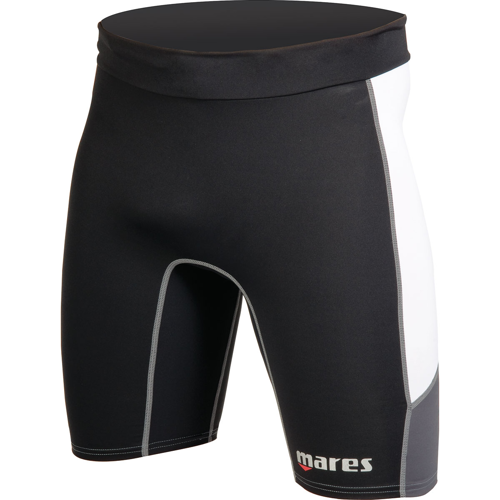
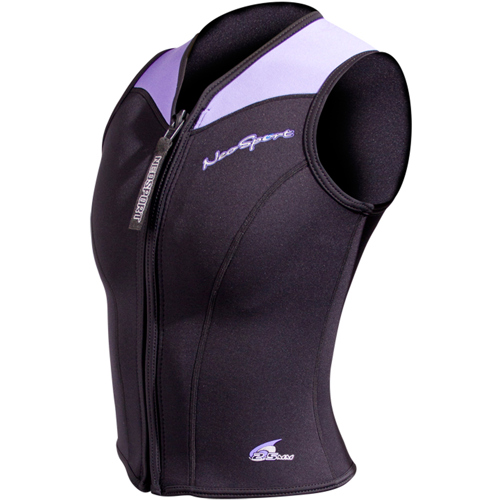
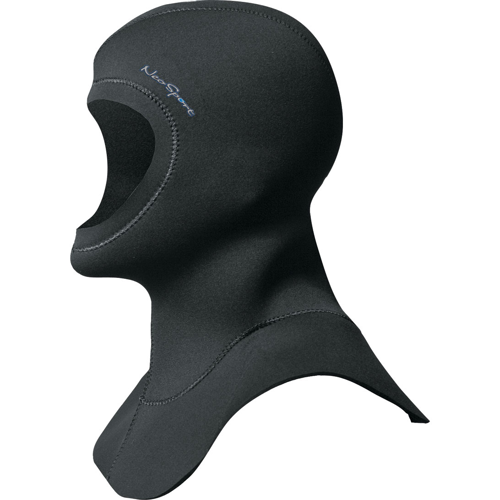
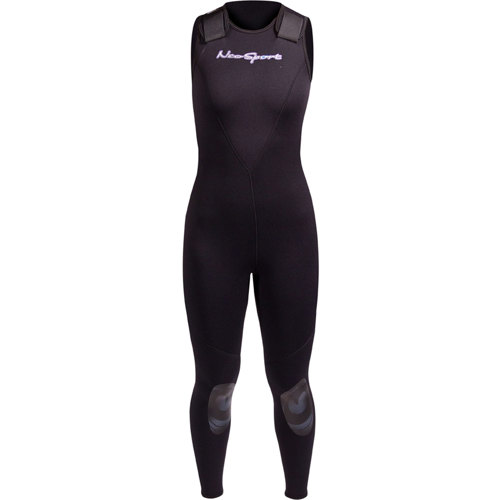
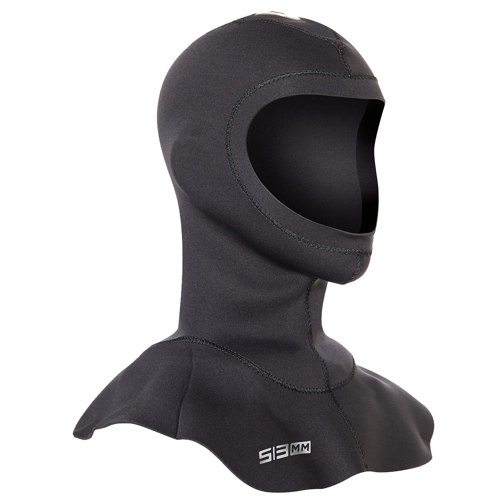
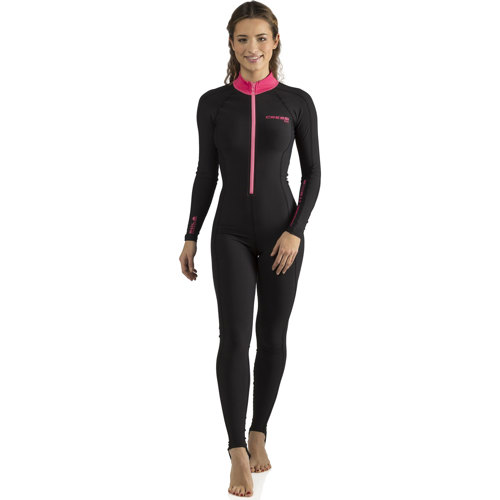
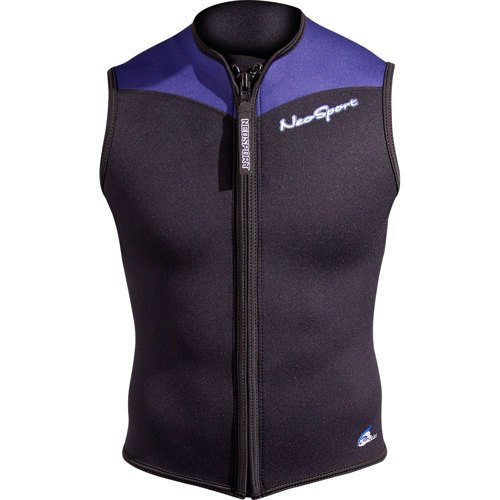
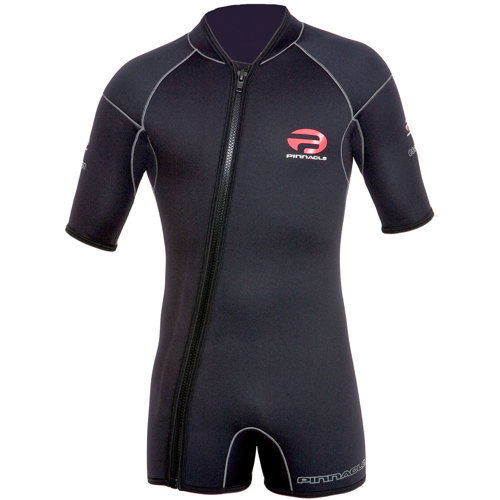
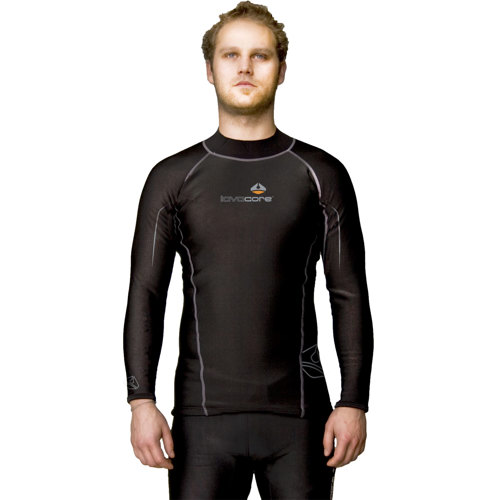
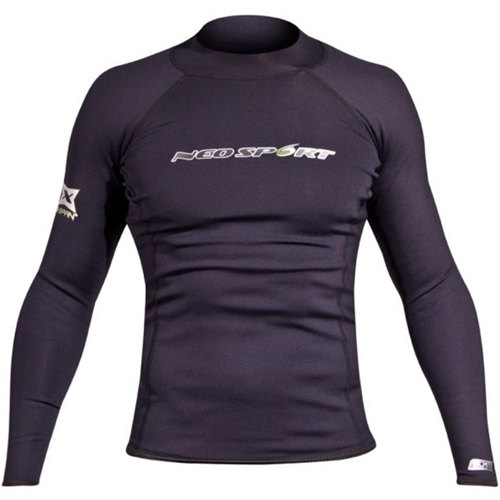
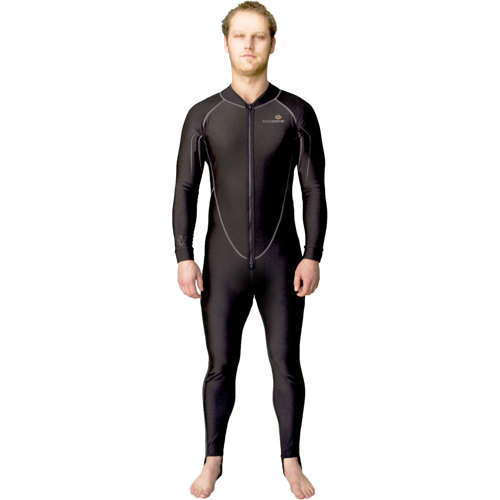
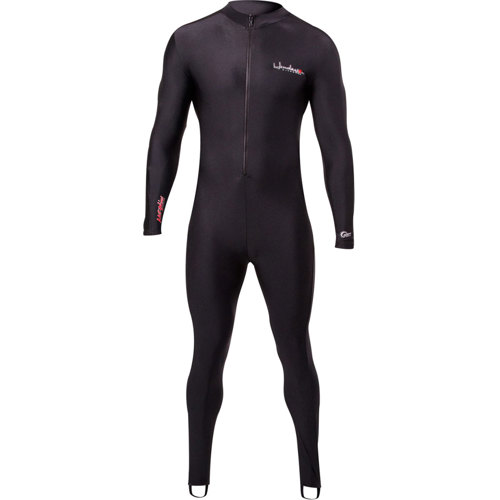
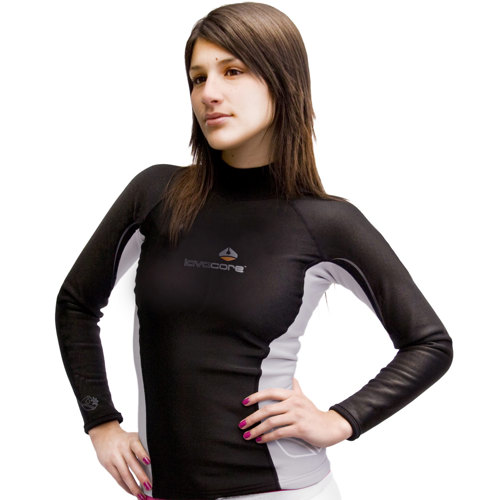
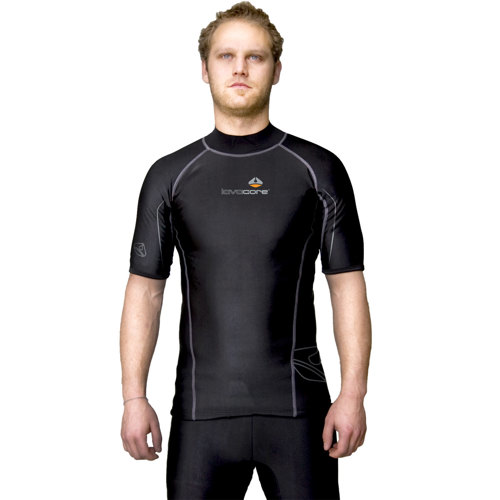
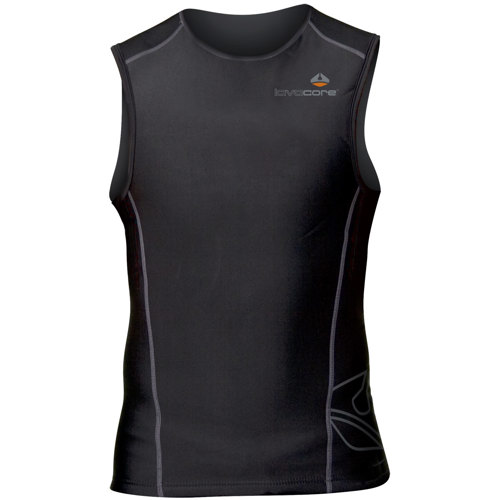
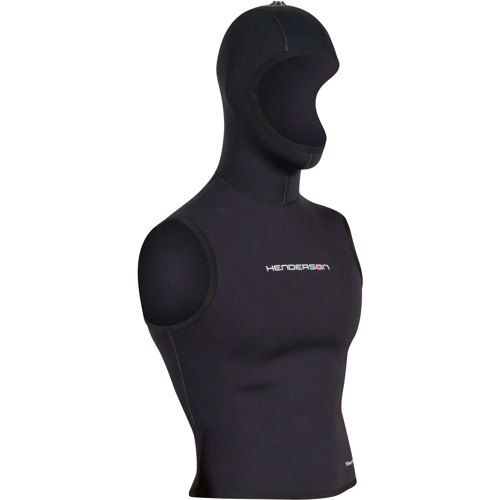
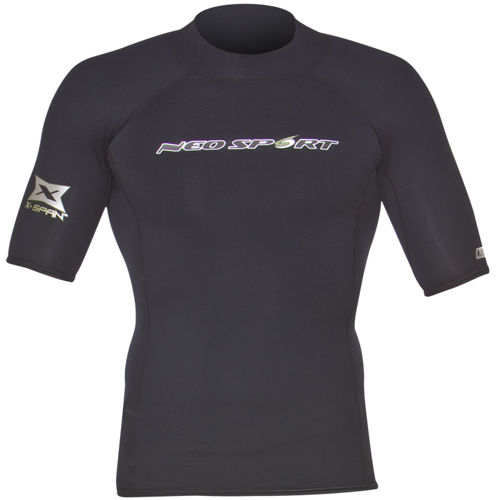
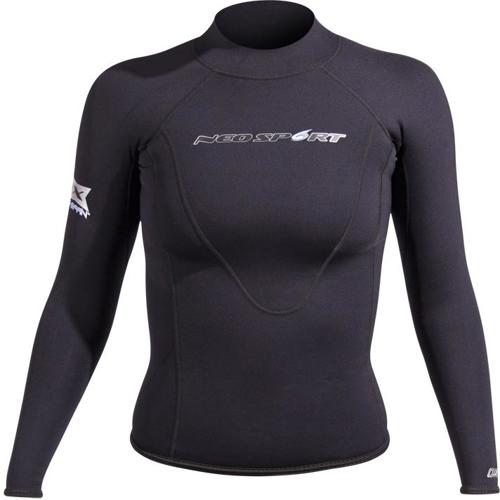
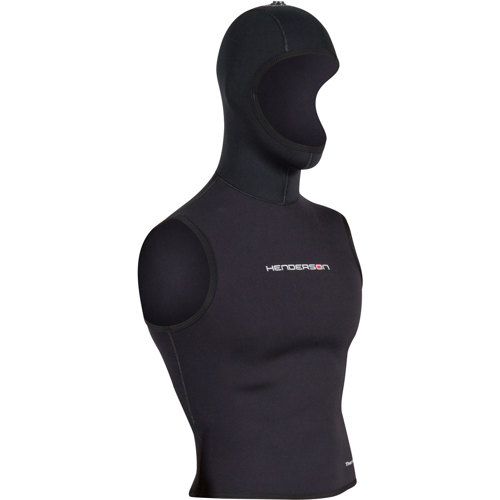
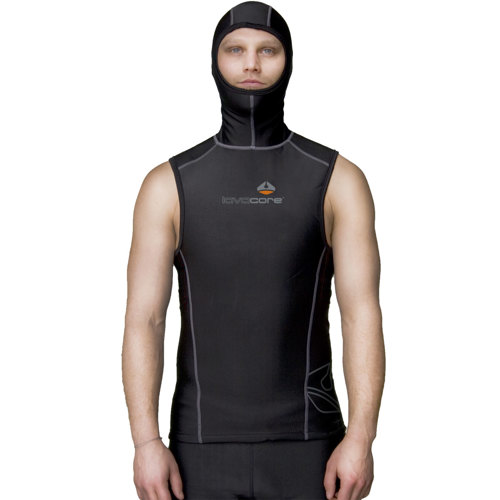
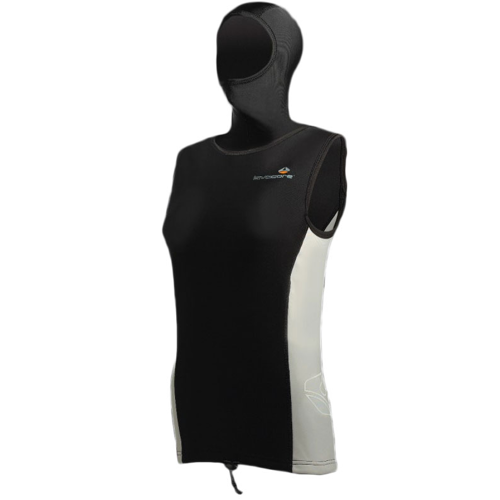
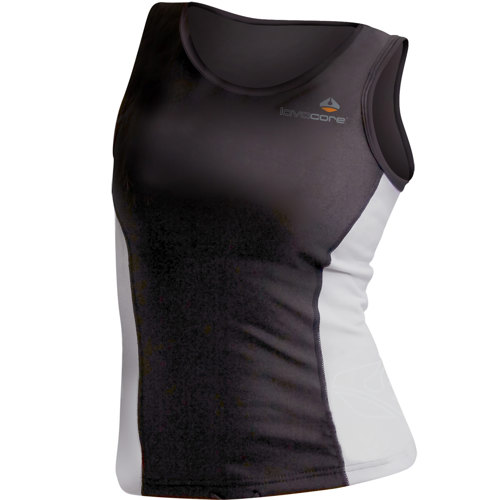
When it comes to diving in colder waters or extending your season beyond the summer months, mastering the art of layering under your exposure suit becomes essential. The concept of “diving under layers” is rooted in the principle of building up thermal protection using multiple garments, each with a specific function. A well-planned layering system typically starts with a moisture-wicking base layer, designed to pull sweat away from your skin and keep you dry throughout your dive. This is especially important in February, when water temperatures can be at their lowest and the risk of getting chilled is highest. Over the base layer, divers often add one or more insulating mid-layers, such as fleeces or undersuits, which trap pockets of air to create a crucial thermal barrier. These layers are what make long dives in near-freezing water not only possible but comfortable, allowing you to focus on the experience rather than the cold seeping in. The outer layer, whether it’s a drysuit or a thick wetsuit, works in tandem with your under layers to seal in warmth and block out the chill of the surrounding water.
Choosing the right combination of layers depends on several factors, including the type of exposure suit you use, the water temperature, and your own tolerance for cold. Membrane drysuits, for example, provide little inherent insulation, so divers often rely heavily on thick, multi-layered undersuits to stay warm. In contrast, neoprene drysuits or wetsuits offer some built-in thermal protection, allowing for thinner or fewer under layers. Adjusting the thickness and number of layers is not just a matter of comfort—it’s also about safety and performance. Thicker insulation increases buoyancy, which means you’ll need to account for extra weight to maintain proper trim and control underwater. Moisture management is another critical consideration; even in cold water, exertion can cause you to sweat, and if that moisture isn’t wicked away, you risk losing heat rapidly. Many experienced divers recall times when a forgotten base layer or inadequate insulation cut a dive short, reinforcing the importance of preparation and the right gear. For those new to cold water or winter diving, layering systems are an accessible way to gradually build up your thermal protection as you gain experience and confidence.
Diving under layers isn’t just for hardcore technical divers or those exploring icy depths. It’s a versatile approach that benefits anyone looking to extend their diving adventures into cooler seasons or more challenging environments. Layering gear also makes thoughtful gifts for divers who are always eager to try new dive sites or travel destinations, especially if they’re venturing into unfamiliar temperature ranges. Families and friends often choose layering pieces for birthdays or holidays, knowing that thermal comfort can make a world of difference on a memorable dive trip. Even seasoned instructors and dive professionals rely on a reliable layering setup to ensure they can focus on their students and the underwater world rather than discomfort. Whether you’re gearing up for a brisk February shore dive or planning a trip to a northern lake, investing in a quality layering system is a decision that pays off in warmth, safety, and the freedom to dive whenever and wherever you choose. For more expert advice and a deeper look at the options available, explore our comprehensive guide on
Scuba Layering.