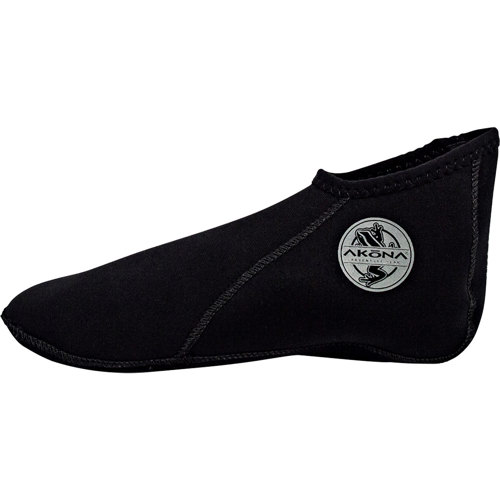
Layering Diving Socks
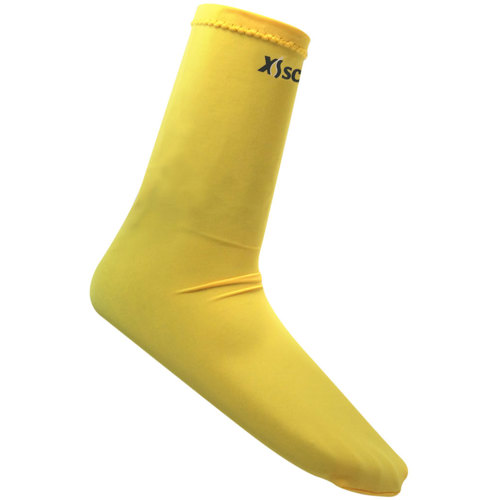
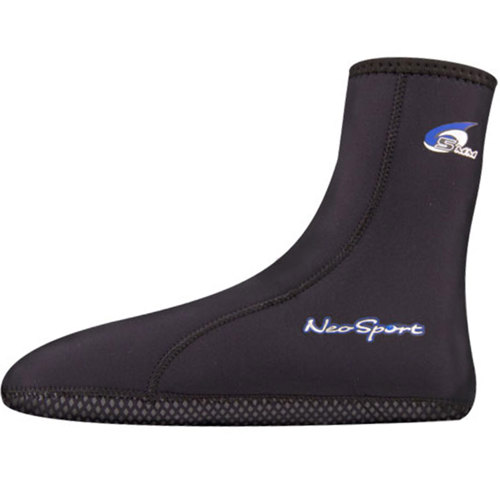
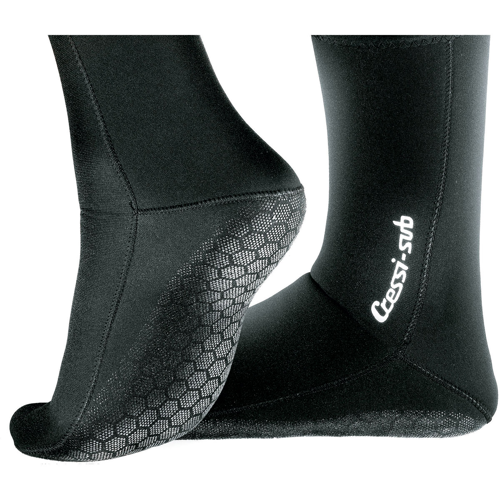
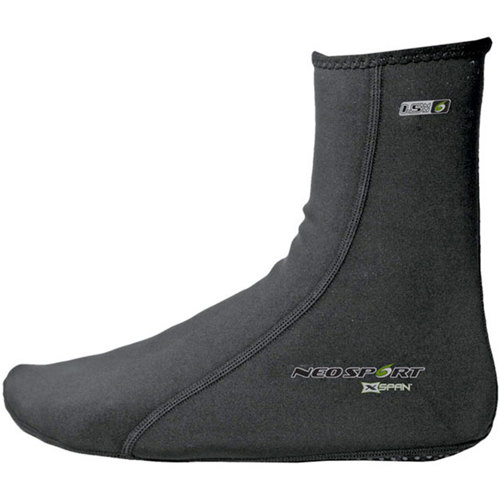
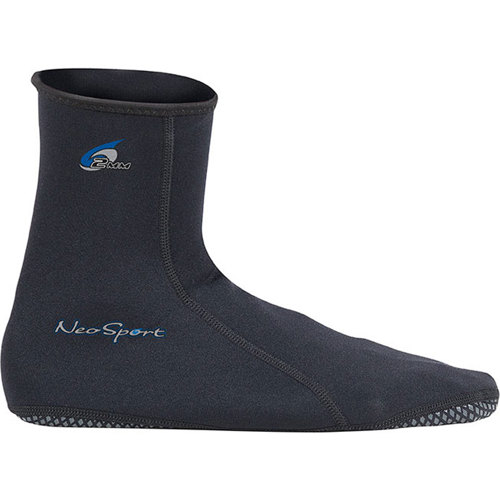
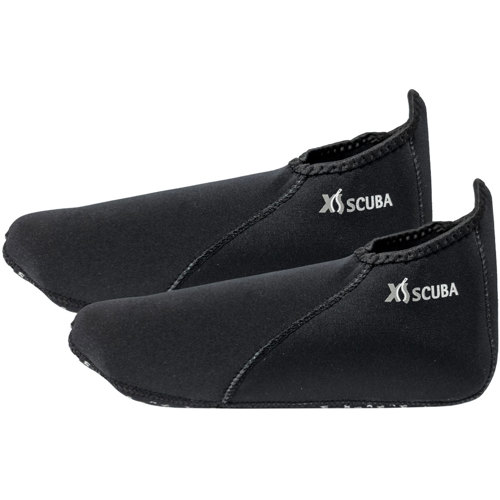
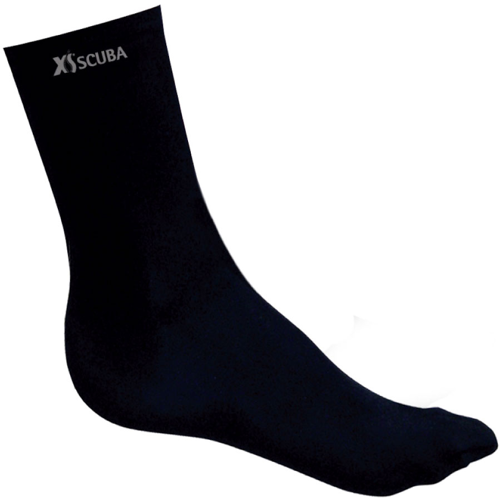
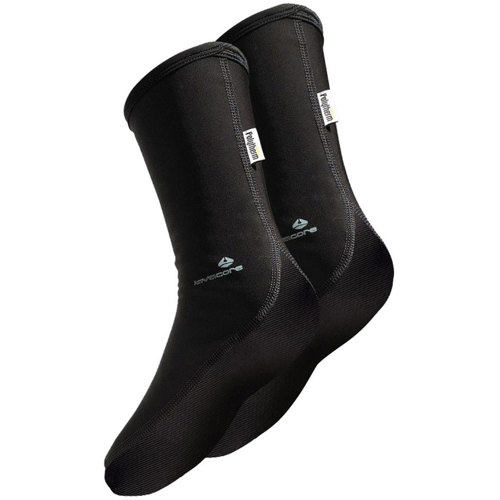
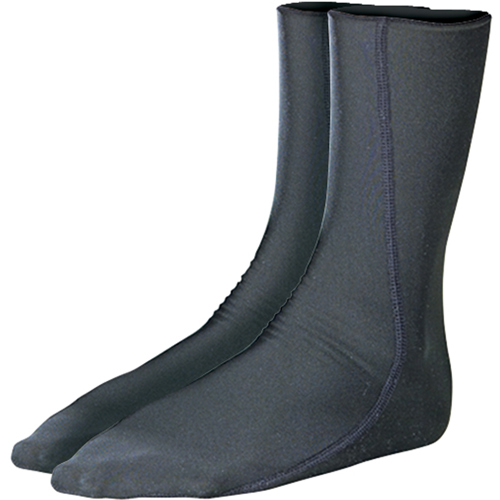
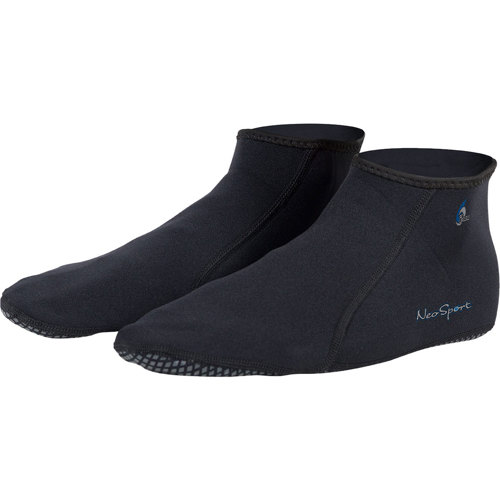
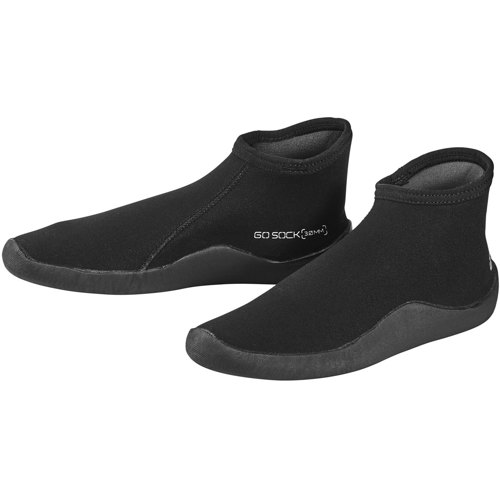
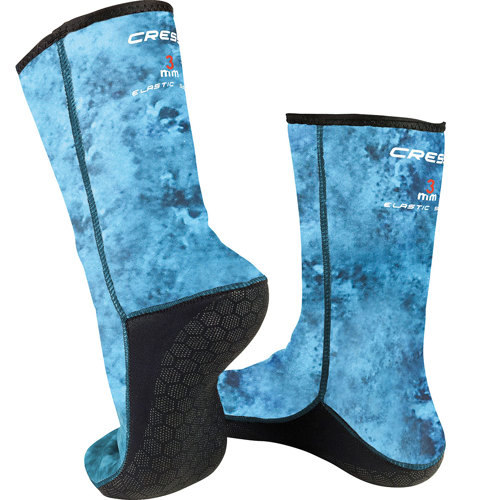
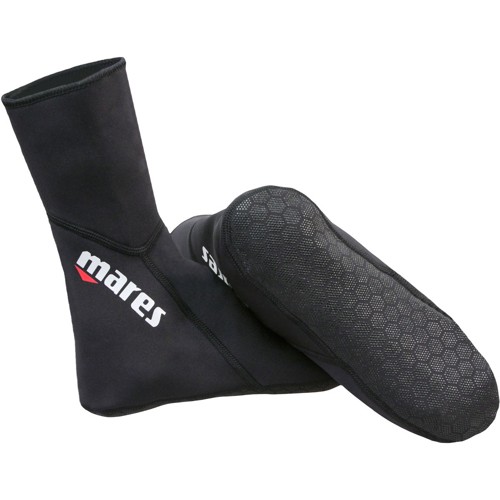
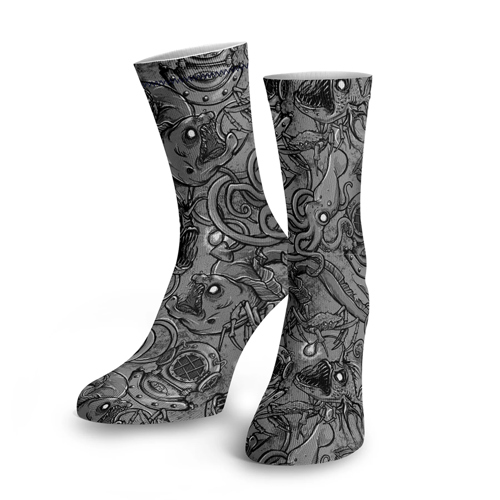
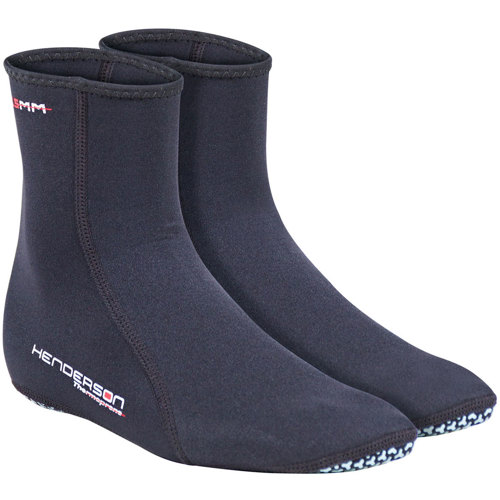
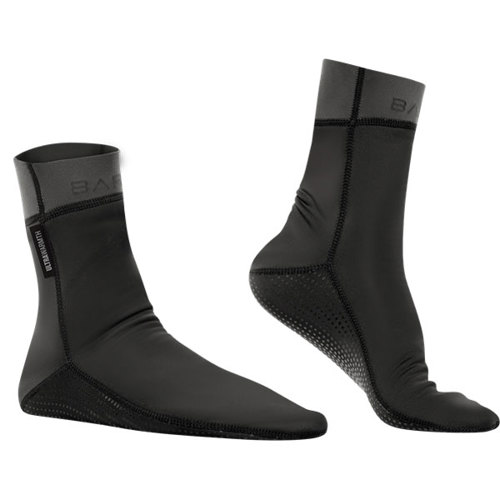
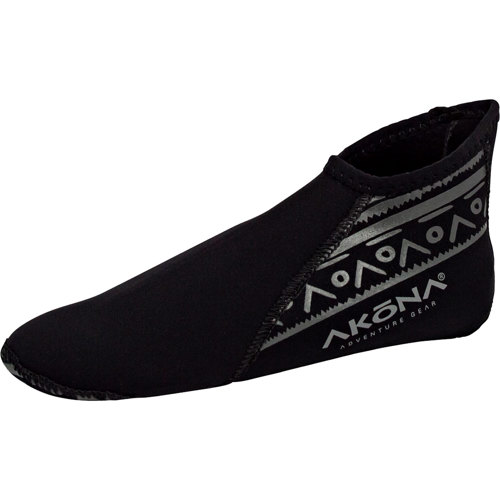
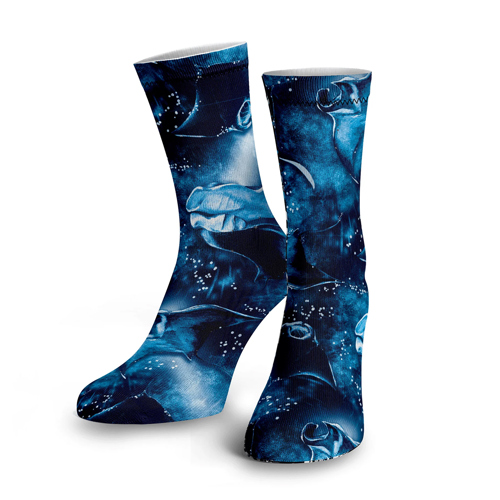
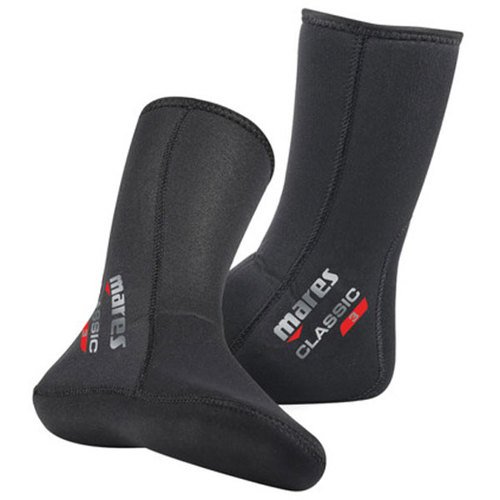
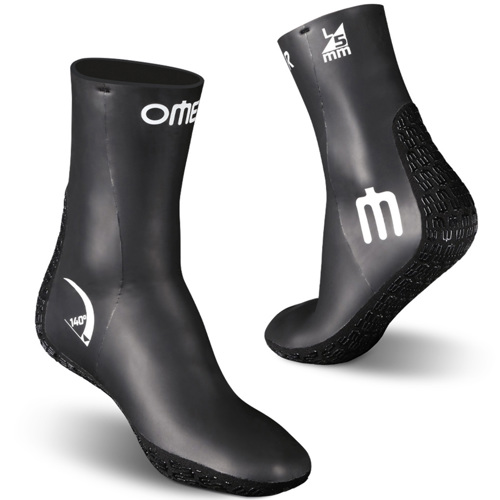
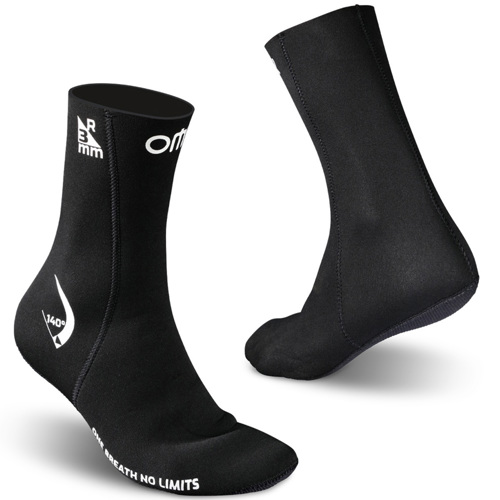
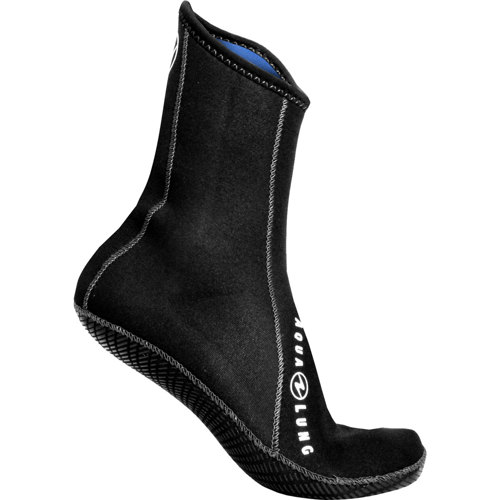
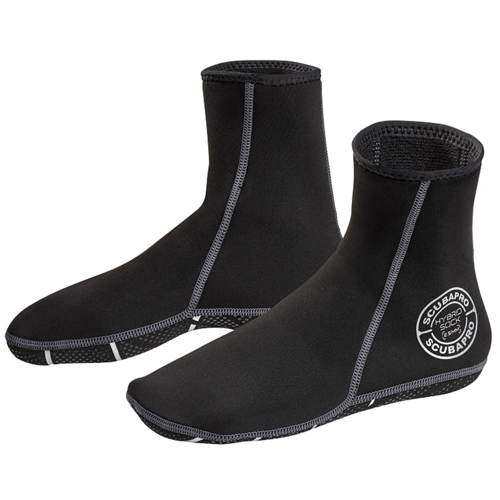
As water temperatures and diving conditions shift from early summer into the first hints of fall, the importance of layering diving socks becomes especially clear for divers, snorkelers, and anyone spending extended time in or around the water. Whether you’re gearing up for a tropical reef adventure, a freshwater lake exploration, or a brisk early morning boat dive, the right sock system can make all the difference in comfort and performance. Layering diving socks is a practical strategy designed to prevent blisters, reduce chafing, and provide insulation—crucial for those long days when your feet are the first to feel the bite of cold or the rub of tight fins. Many experienced divers start with a lightweight, moisture-wicking liner sock made from materials like Lycra, polyolefin, or specialized fleece. This base layer sits closest to your skin, creating a smooth barrier that helps you slip effortlessly into snug neoprene booties or wetsuit boots, while also wicking away sweat and minimizing hotspots. Over this, a slightly thicker neoprene or wool sock can be added for thermal protection, trapping a thin layer of water that your body warms up, effectively turning your booties into mini wetsuits for your feet. This combination is especially valuable during repetitive dives or when transitioning between warm surface intervals and cooler underwater environments.
Layering isn’t just about warmth; it’s also about performance and protection. For divers who spend hours in the water—whether on a liveaboard trip or during a weekend of shore dives—layered socks can help prevent the kind of blisters and abrasions that come from repeated finning and walking on rough surfaces. The approach is equally useful for drysuit divers, who often rely on high-wicking liner socks paired with insulating wool or technical hiking socks to keep feet dry and warm without adding bulk that could restrict blood flow. It’s important to try on your full sock system with your boots or fins before heading out, as too many layers can make footwear uncomfortably tight, which actually leads to colder feet by limiting circulation. Layered diving socks also make a thoughtful, practical gift for new divers, frequent travelers, or anyone planning a dive trip where water temps can vary. They’re a small addition to a gear bag, but one that can transform a day in the water—helping everyone from beginners to seasoned instructors stay focused on the experience rather than their feet. For more expert insights on building the ideal layering system for your next dive, visit our
Layering For Diving page for tips, techniques, and gear recommendations tailored to every underwater adventure.