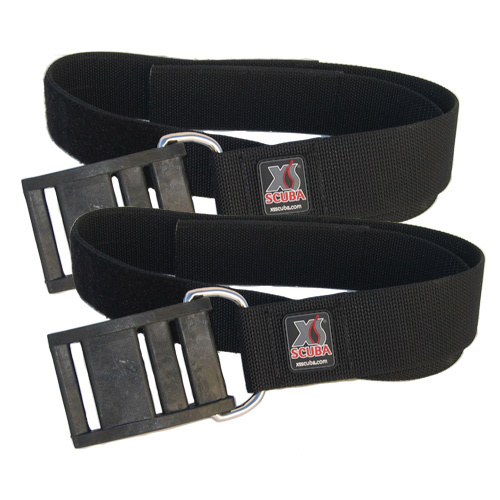
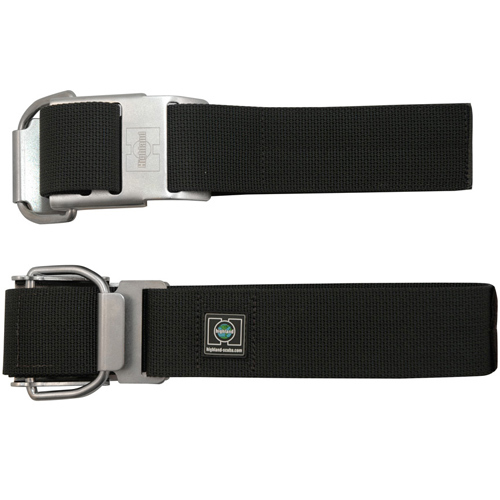
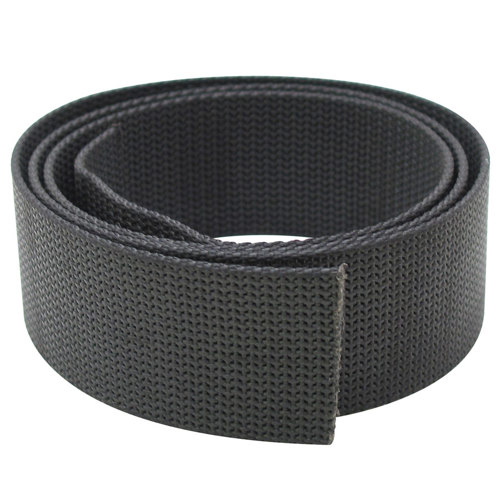
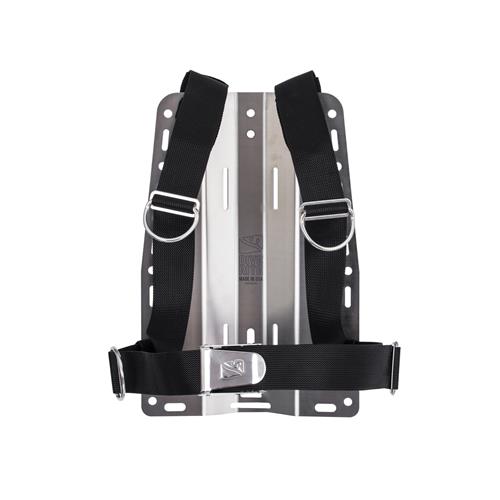
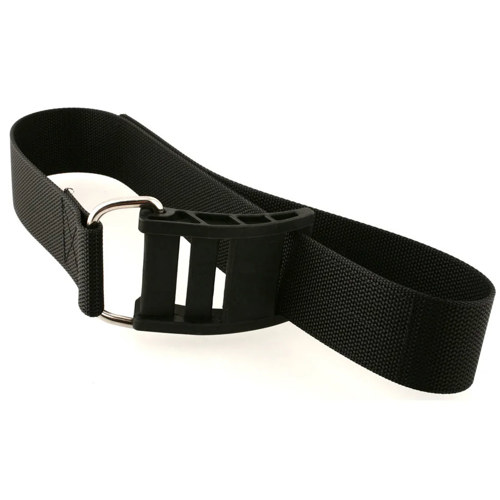
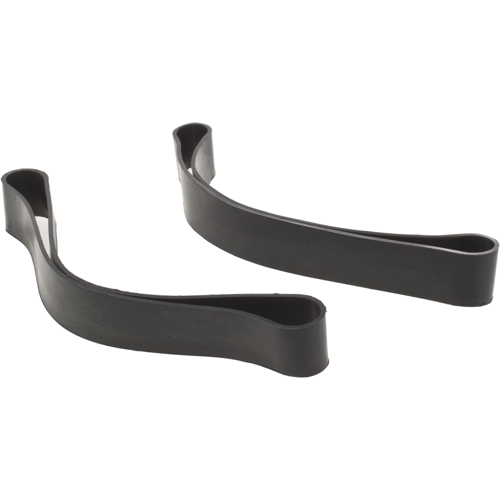
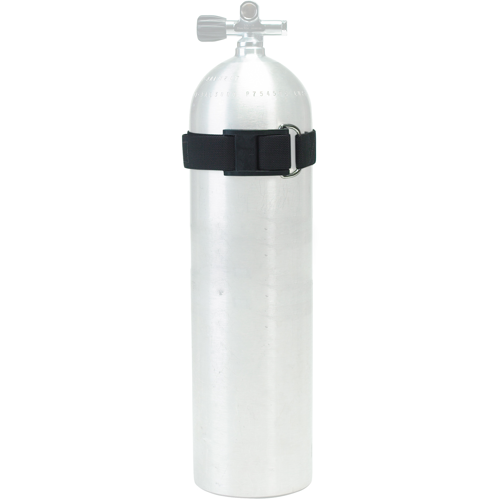
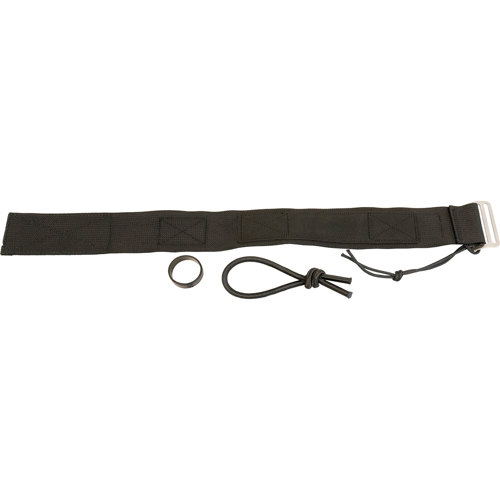
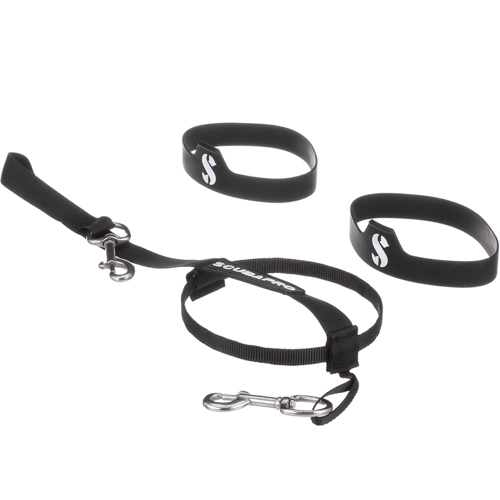
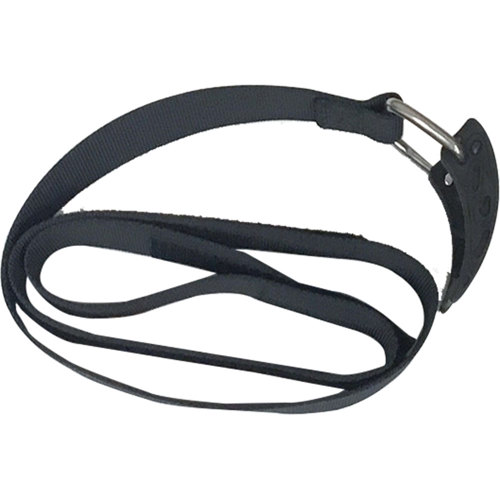
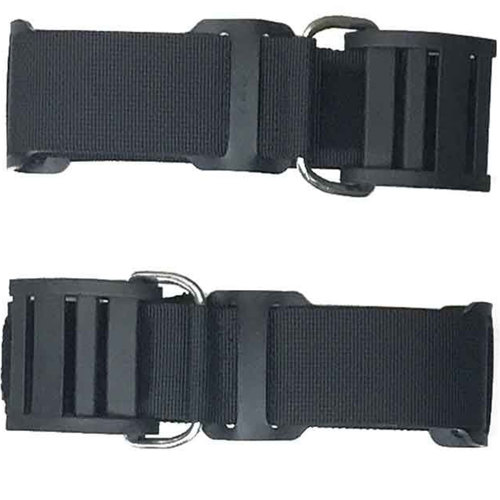
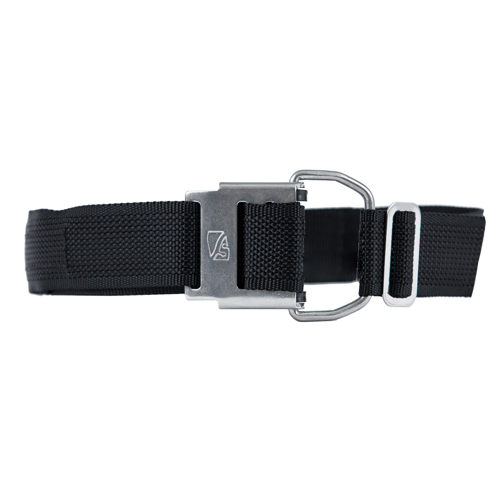
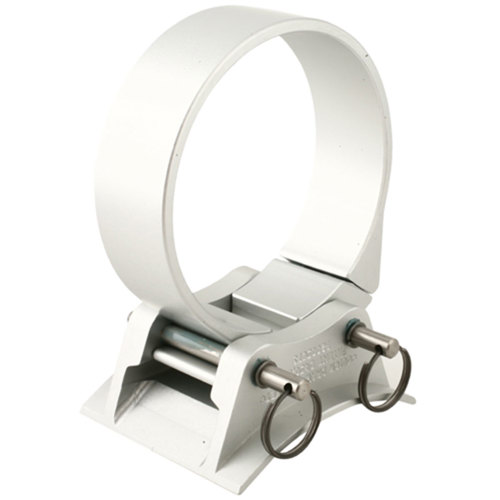
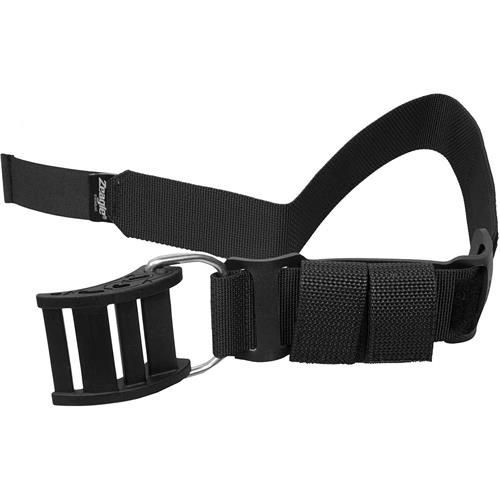
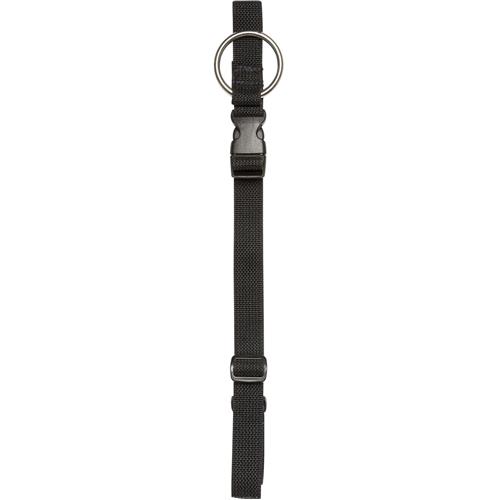
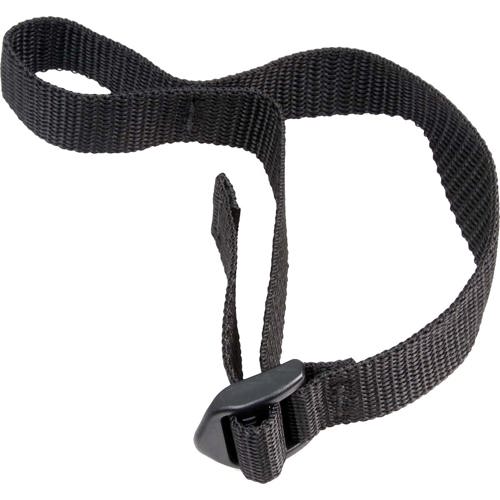
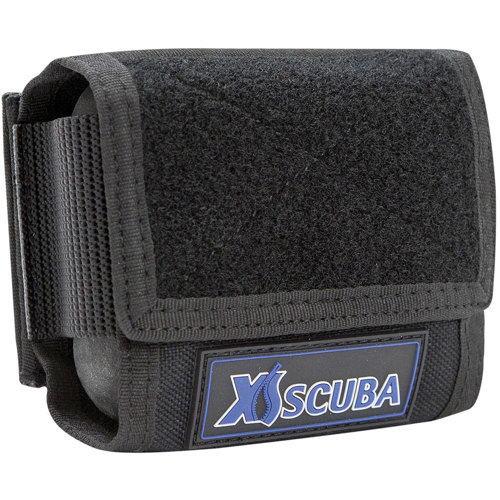
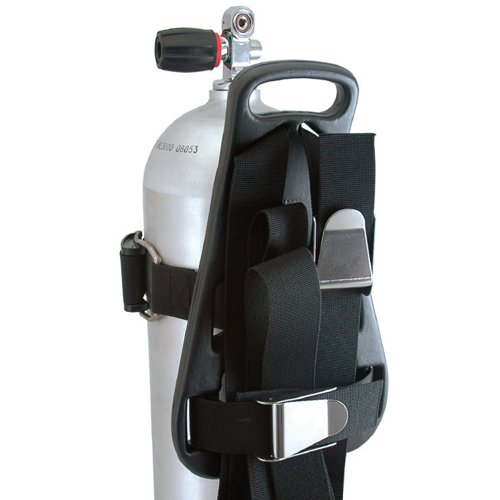
Diving tank webbing is an essential component for any diver who values safety, reliability, and convenience in their underwater adventures. As the weather warms and dive season stretches from early summer into the cooler days of fall, more divers are preparing their gear for local excursions, travel, or training. At the heart of a secure tank setup is robust scuba webbing—typically constructed from heavy-duty nylon—designed to withstand the rigors of saltwater, sand, and repeated use. Whether you’re outfitting a single tank for recreational dives or assembling a technical rig with multiple bottles, the right scuba diving tank band or cam strap is crucial. These straps are engineered to keep your cylinder firmly attached to your BCD or harness, using a combination of strong webbing and a reliable buckle system. The webbing itself, often 1.5 to 2 inches wide, offers impressive tensile strength to handle the weight and pressure of a fully charged tank, while the buckle—crafted from marine-grade stainless steel or reinforced plastic—provides a secure, easy-to-operate closure. Non-slip pads, typically made from rubber or silicone, are frequently included to prevent the tank from shifting or twisting, even during challenging entries or strong currents.
When selecting a diving tank strap, several factors come into play that can make a real difference in your diving experience. For divers who travel often or rent equipment, having your own set of cam bands ensures a familiar, dependable fit every time. Instructors and dive professionals who set up multiple rigs will appreciate the efficiency and peace of mind that comes from heavy duty bottle straps designed for quick adjustment and long-lasting performance. Even for beginners, investing in quality scuba webbing can simplify setup and reduce stress at the dive site. Seasoned divers know that nylon webbing can stretch slightly when wet, so it’s wise to soak your BCD and straps before final tightening—this small step helps eliminate slack and ensures your tank stays put throughout the dive. After threading and locking the cam buckle, always perform a slip check by lifting the BCD and giving it a firm shake; a properly secured tank should not budge. For those interested in customizing their setup or replacing worn straps, exploring compatible buckles and accessories can enhance both safety and comfort. If you’re considering upgrading or replacing components, you’ll find a helpful selection of options on our
Diving Tank Buckles page, where you can match the right hardware to your preferred webbing style.
Diving tank webbing also makes a thoughtful and practical gift for the diver in your life, especially as the dive community becomes more active through the summer and early fall. It’s a popular choice for new divers assembling their first kit, experienced enthusiasts looking to refresh their gear, or anyone in need of a backup strap for travel or emergencies. The simplicity and durability of a well-made scuba diving tank band mean it’s equally suited for local shore dives, boat trips, or far-flung adventures. With options ranging from minimalist designs to advanced models featuring extra grip and quick-release buckles, divers can tailor their equipment to their specific needs and preferences. As you browse the selection, consider the importance of materials, buckle type, and compatibility with your BCD or harness system. Reliable tank webbing is more than just a strap—it’s peace of mind, allowing you to focus on the wonders beneath the surface rather than the security of your equipment. Whether you’re gearing up for a summer of exploration or preparing for dives as the seasons change, choosing the right cam band or tank strap is a small investment that pays off in safety and confidence dive after dive.