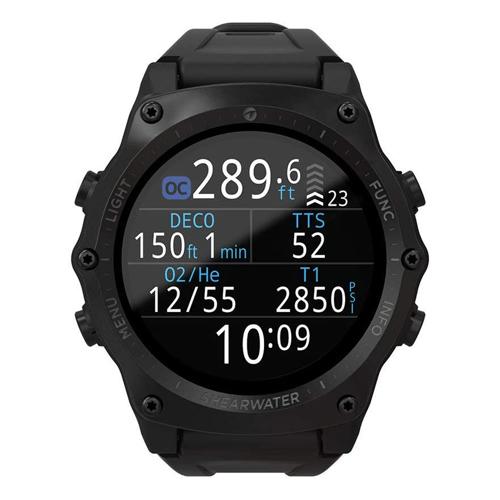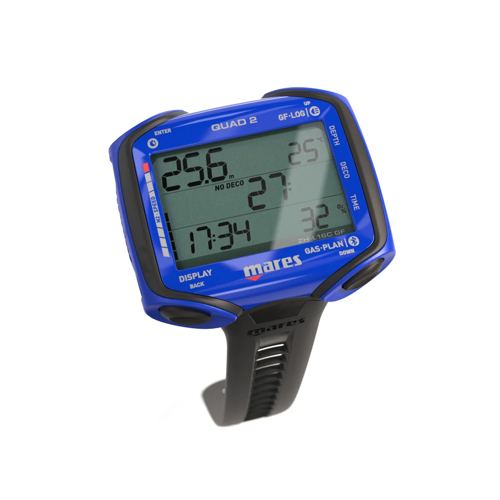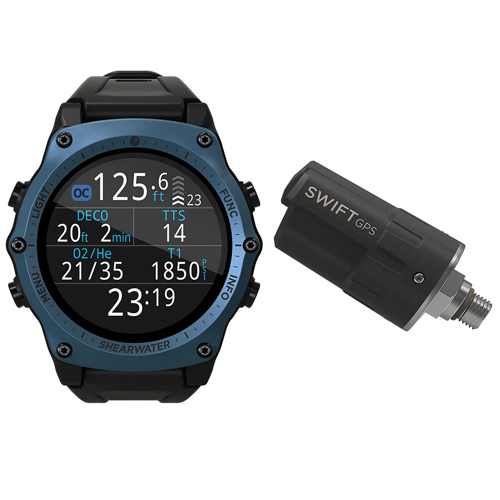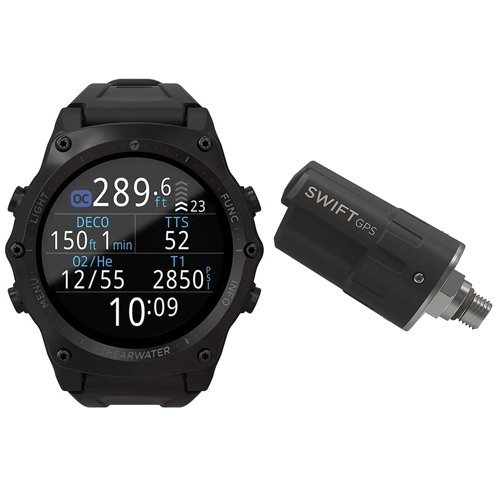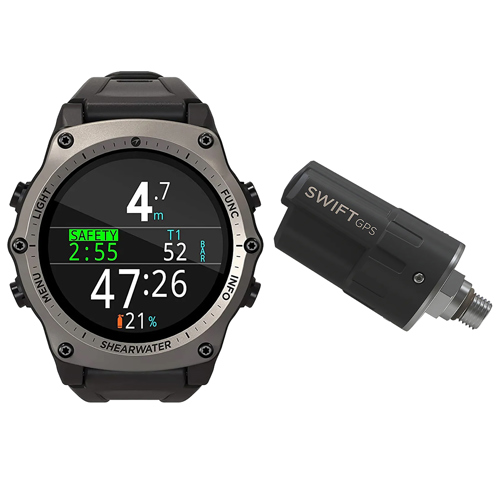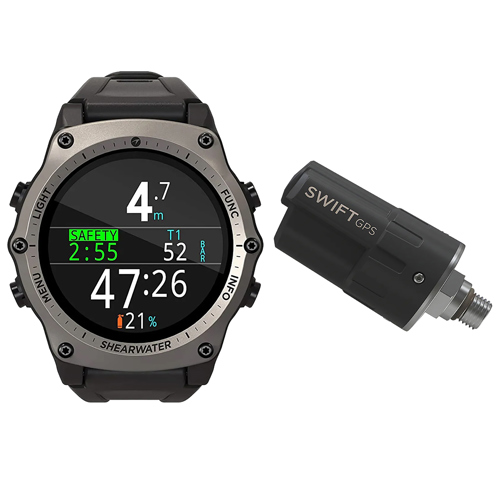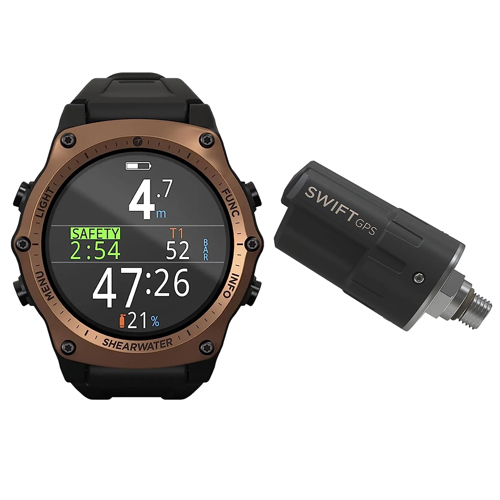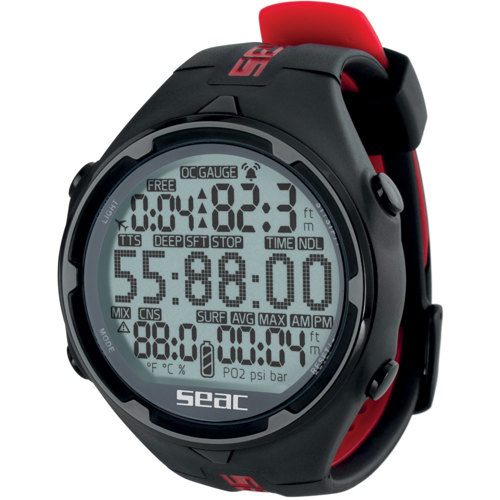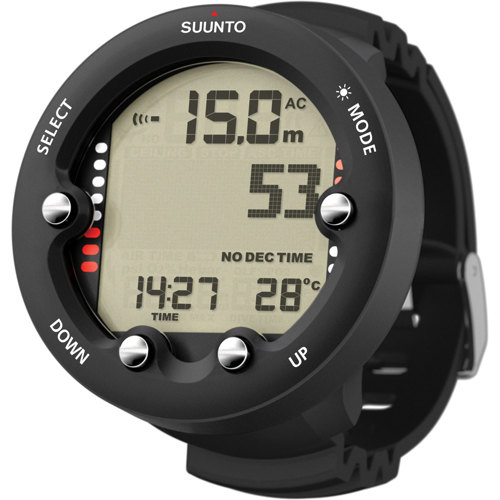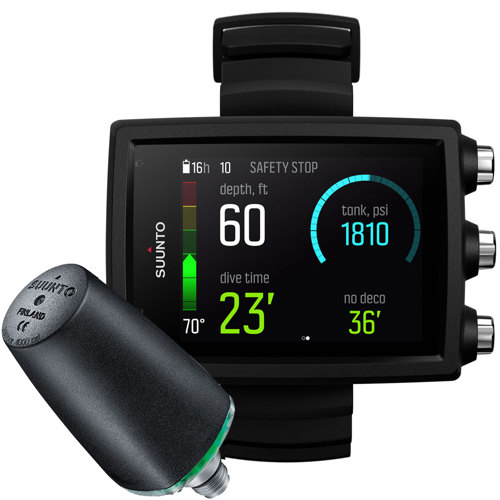
Whether you’re a seasoned diver with hundreds of logged descents or a beginner just starting to explore the underwater world, keeping an accurate and detailed record of each dive is an essential part of the sport. Dive loggers and diving recorders have evolved to become indispensable tools for recreational, technical, and even scientific divers. These devices and systems allow you to document vital data such as depth profiles, bottom time, water temperature, air consumption, and GPS locations. Over time, this information not only helps you track your progress and skill development but also ensures your safety by monitoring nitrogen exposure and verifying experience for advanced certifications. For many, the act of logging dives becomes a cherished ritual—one that transforms fleeting underwater moments into lasting memories. Imagine surfacing after a winter dive, the cool February water still glistening on your gear, and immediately noting the rare marine life you encountered or jotting down the peculiar current patterns you navigated. With modern dive loggers, you can supplement these notes with digital photos, videos, and even environmental data, creating a comprehensive and vivid record of your underwater adventures.
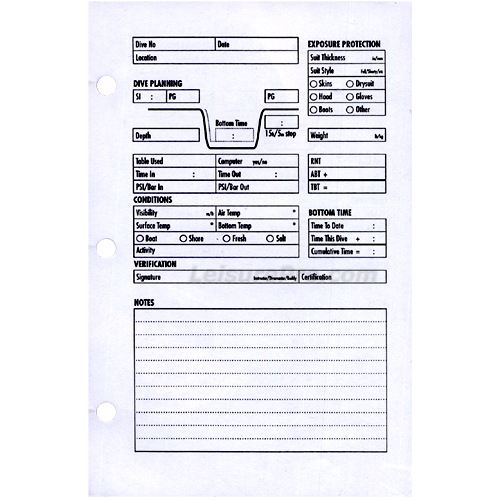
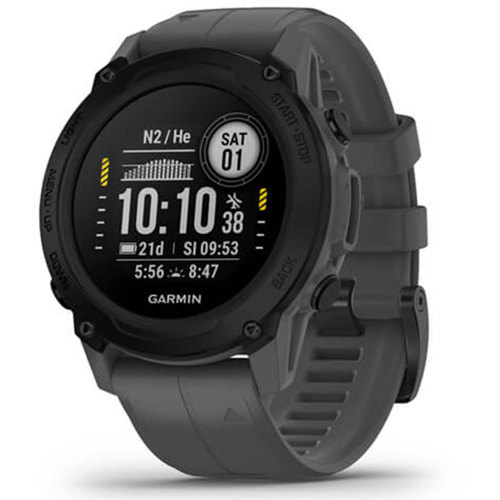
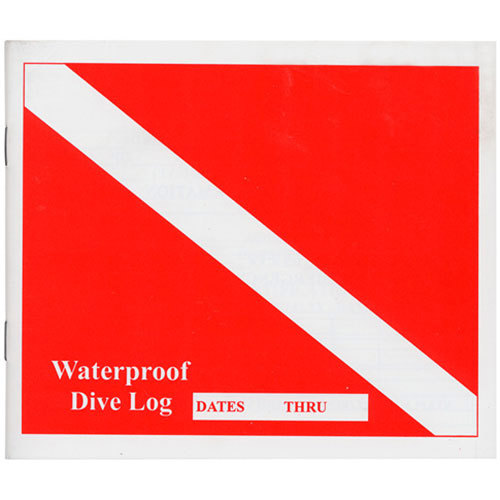
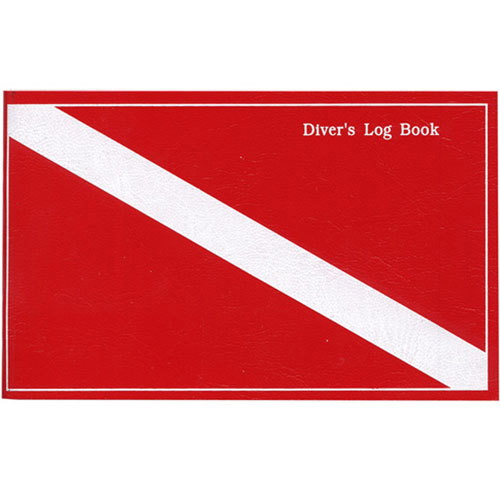
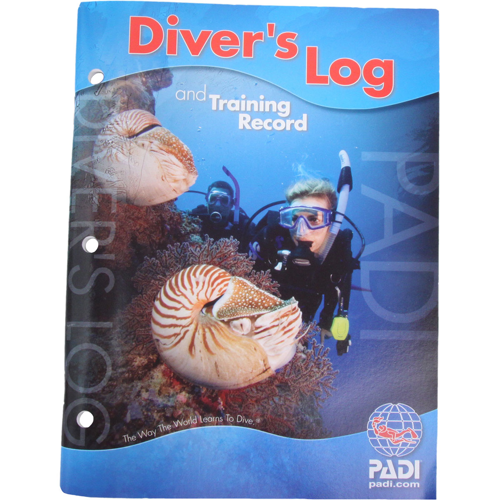
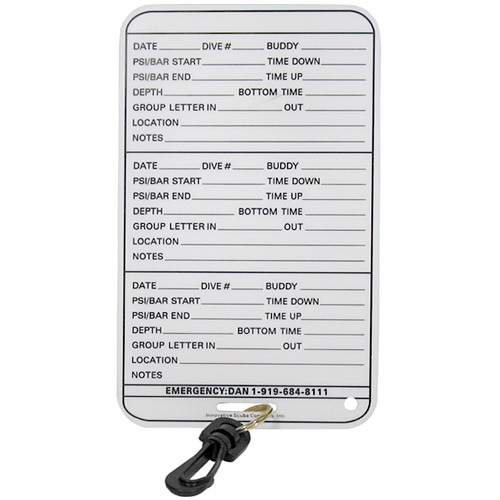
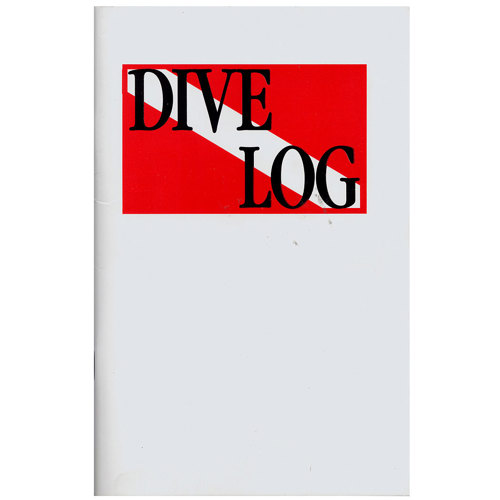
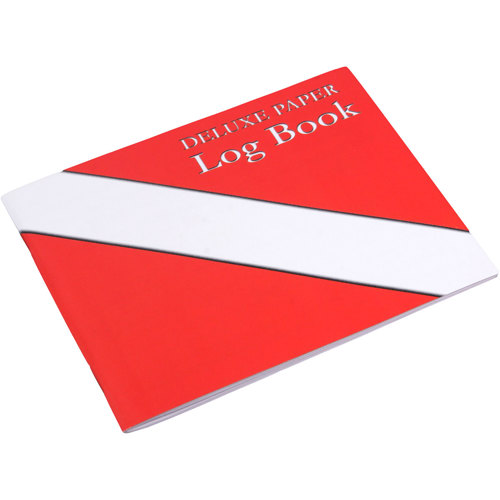
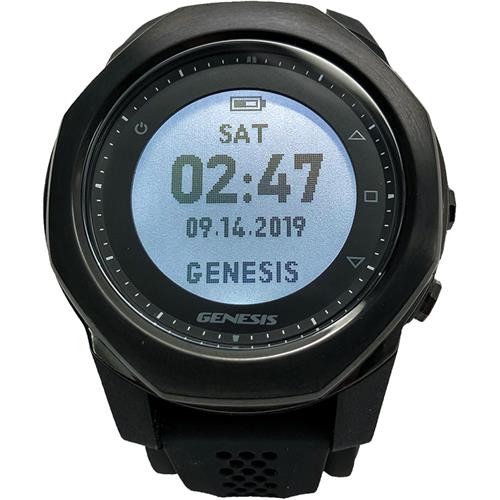
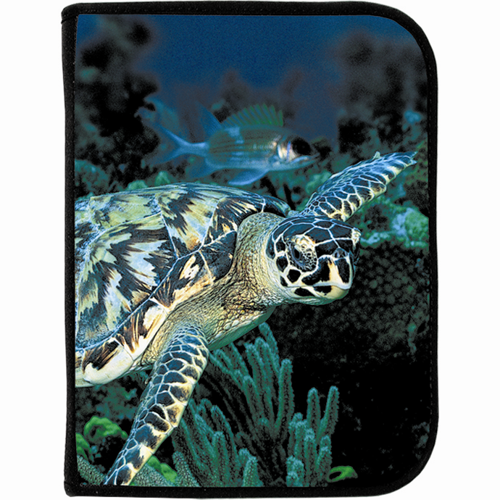
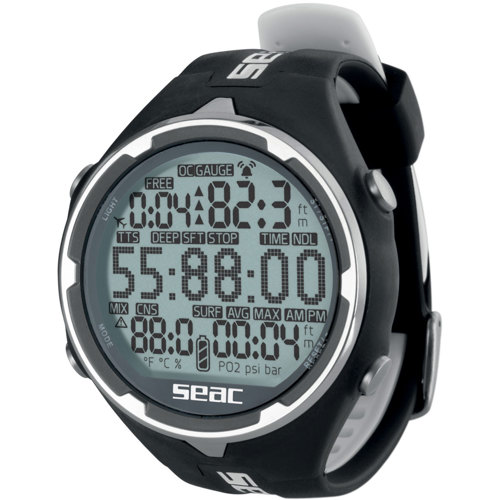
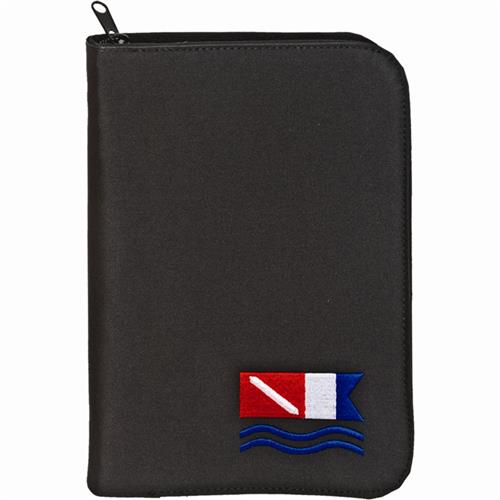
Selecting the right dive logger or diving recorder depends on your diving style and personal preferences. Physical logbooks, often made with waterproof or tear-resistant materials, are favored by those who appreciate the tactile satisfaction of writing by hand and the ability to quickly jot down details on the boat or at the dive site. These are especially popular among instructors, students, and divers who value a personal touch—sometimes even collecting signatures from new dive buddies or instructors as mementos. On the other hand, digital dive recorders have surged in popularity for their convenience and advanced features. Many sync seamlessly with dive computers via Bluetooth, automatically importing dive profiles, air consumption, and even GPS coordinates. This digital approach is ideal for tech-savvy divers, frequent travelers, or anyone who wants to organize their logs by trip, boat, or dive site with minimal effort. Some divers adopt a hybrid approach, maintaining a physical logbook for personal reflection and backup, while relying on a digital system for detailed analytics and easy sharing. Scientific divers and those involved in environmental monitoring often require specialized data loggers capable of recording high-resolution environmental parameters for research purposes. Whichever method you choose, a reliable dive logger is a thoughtful gift for any diver—whether they’re preparing for a tropical getaway or braving the brisk waters of early spring—helping them relive and share their underwater stories for years to come.
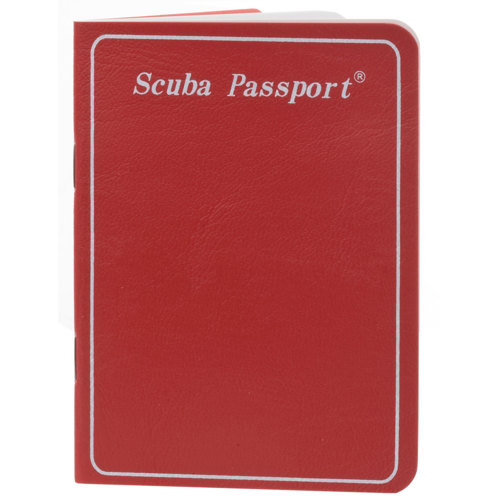
A well-maintained dive log is more than just a record; it’s a passport for future adventures and a testament to a diver’s journey beneath the surface. Dive loggers play a critical role in meeting safety requirements, supporting continuing education, and providing proof of training and experience for advanced courses or specialty certifications. They’re also invaluable for planning future dives, allowing you to reference previous conditions, equipment settings, and marine life sightings. For those who love to travel, a detailed dive log can help you recall the nuances of distant dive sites, from the vibrant reefs of the tropics to the cool, kelp-draped shallows of temperate waters. Whether you’re cataloging your first open water dive or compiling data for a technical expedition, investing in the right dive logger or diving recorder ensures that every descent is safely and memorably documented. To explore a curated selection of options suited for every diver’s needs, visit our comprehensive page on
Diving Dive Logs and find the perfect way to capture your underwater experiences.