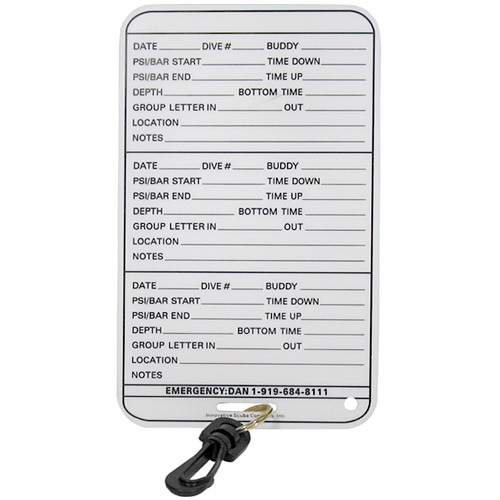
Whether you’re a seasoned diver with hundreds of logged descents or just beginning to chart your underwater adventures, the right diving log essentials are more than just a checklist—they’re the foundation for building a lifetime of memories, safety, and growth in the sport. A dive log is much more than a record of dates and locations; it’s a personal chronicle that captures every nuance of your underwater journey. From the first time you felt the cool rush of the ocean as you stepped off the boat, to the thrill of exploring a new reef or wreck, keeping accurate and detailed logs helps you reflect on your progress, plan future dives, and share stories with fellow enthusiasts. As the weather warms and dive season picks up, many divers find themselves drawn to new waters, whether it’s a tropical getaway or a local lake. Having the best dive log book or digital tool ensures that every detail—maximum depth, bottom time, visibility, water temperature, and even the name of your dive buddy—is preserved for reference and recollection. These essentials are especially important when working toward advanced certifications, as many dive operators and instructors require verified logs, complete with signatures and detailed profiles, before granting access to specialty courses or deeper sites.
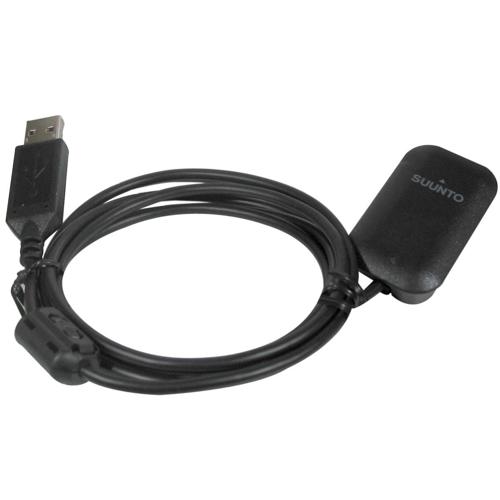
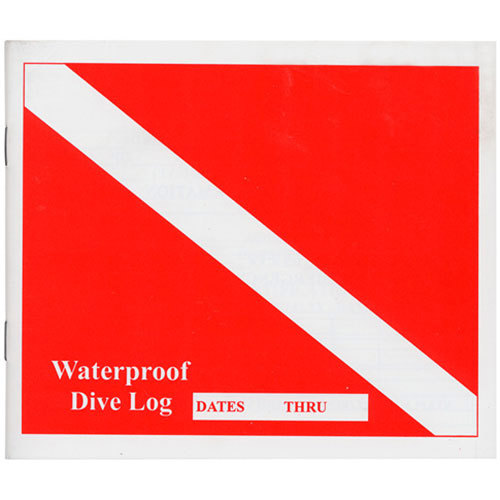
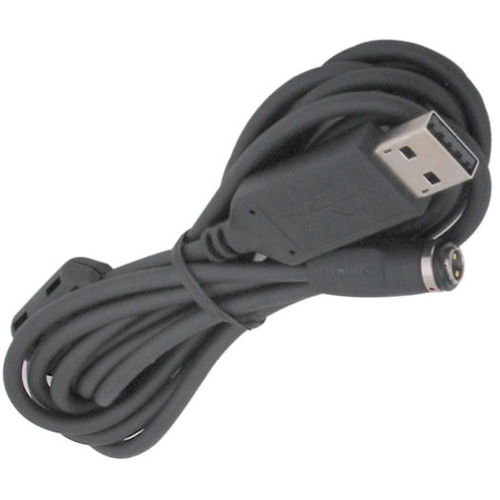
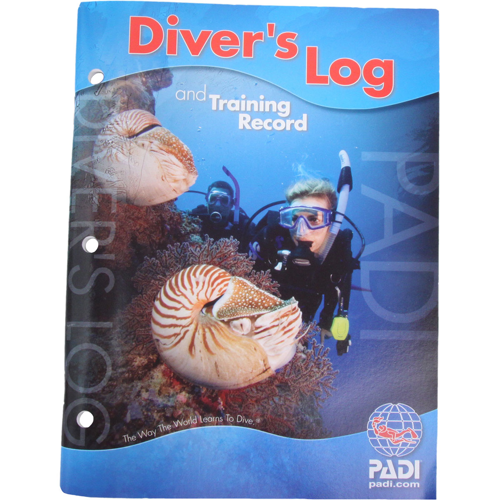
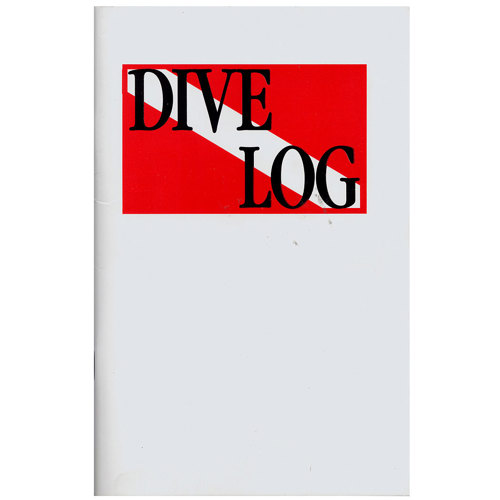
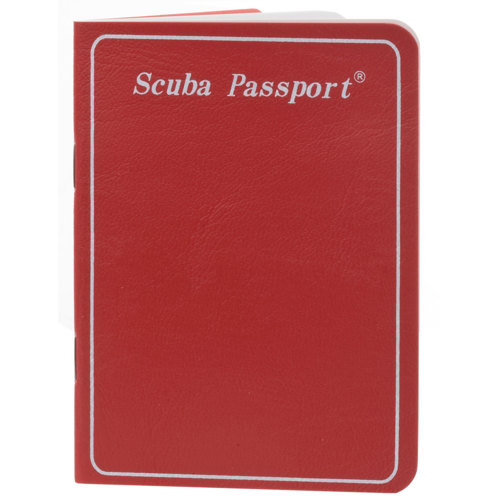
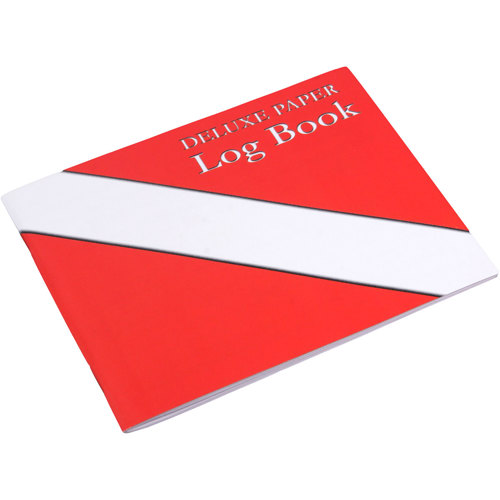
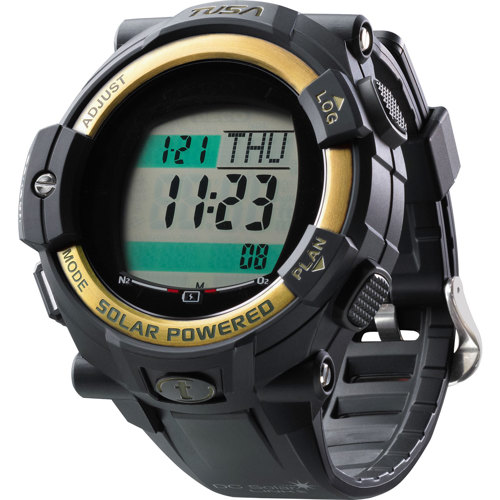
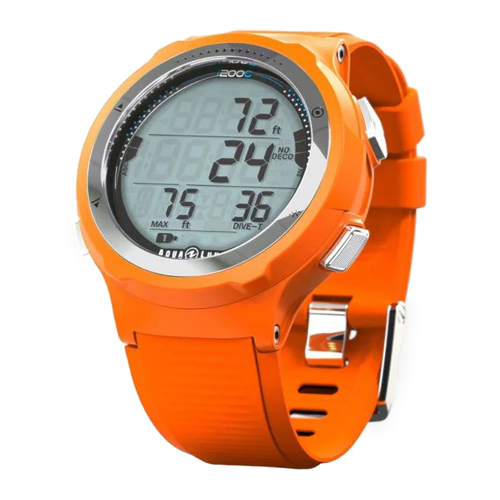
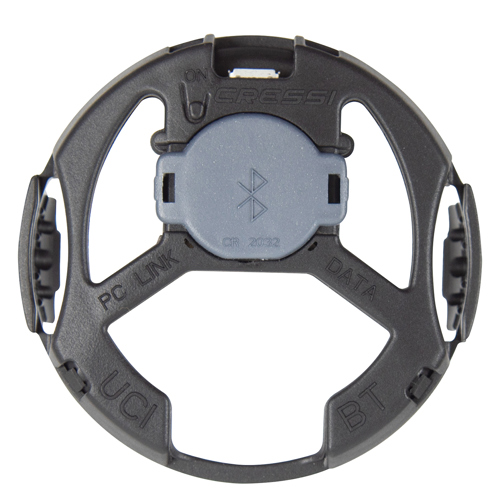
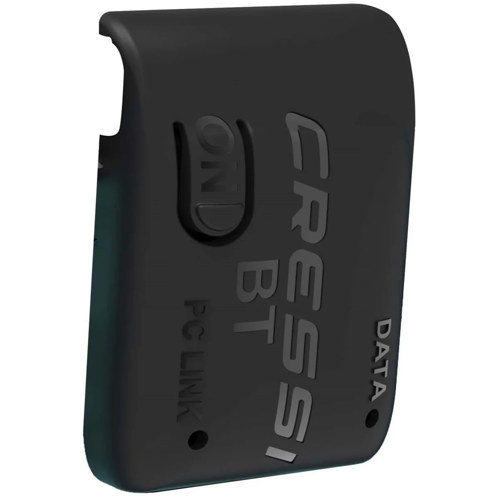
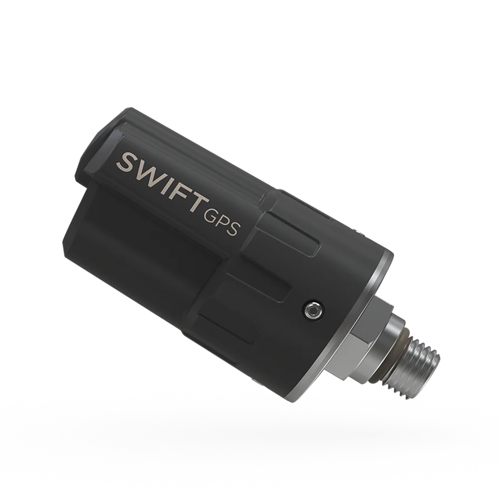
Selecting the right dive logging tools comes down to your style of diving and your personal preferences for recording memories. Traditionalists often favor a physical logbook, appreciating the tactile satisfaction of flipping through pages filled with handwritten notes, location stamps, and buddy signatures. A well-worn logbook becomes a travel companion, collecting not just data but also stories and mementos—like a pressed flower from a dive trip or a ticket stub from a far-flung charter. For those who embrace technology, digital logbooks and apps offer the convenience of seamless syncing with dive computers, automatic data capture for depth and time, and easy sharing with friends or instructors. Digital logs are especially handy for divers who travel frequently, as they can be accessed from anywhere and updated on the fly. When choosing between paper and digital, consider factors such as durability in wet environments, compatibility with your dive computer, and your own habits—some divers enjoy the ritual of journaling after each dive, while others prefer the efficiency of an app. Dive logs also make thoughtful gifts for new divers, students, or anyone celebrating a certification milestone, offering a tangible way to encourage safe practices and lifelong learning. For families and friends who dive together, logging dives can become a shared tradition, with each entry sparking stories and laughter around the dinner table after a long day in the water.
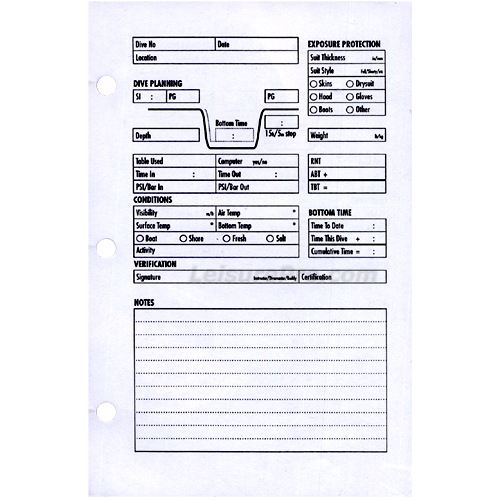
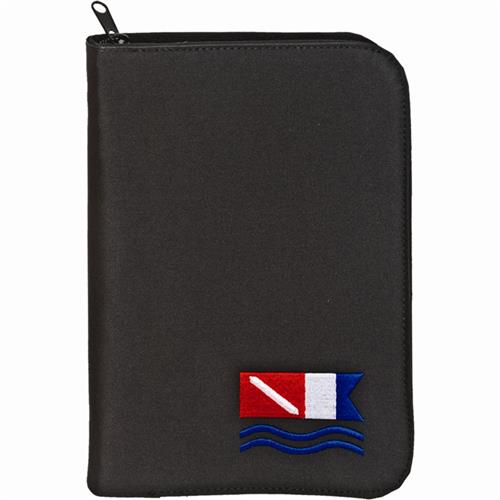
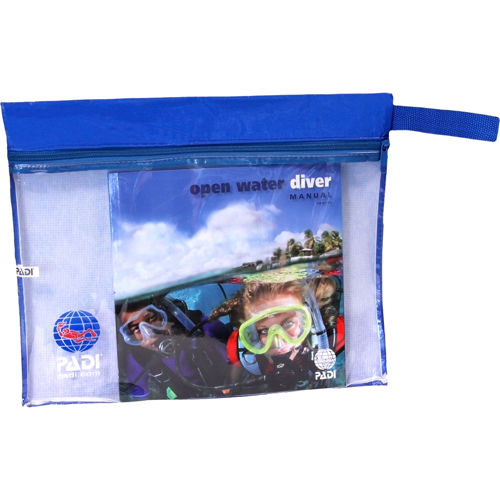
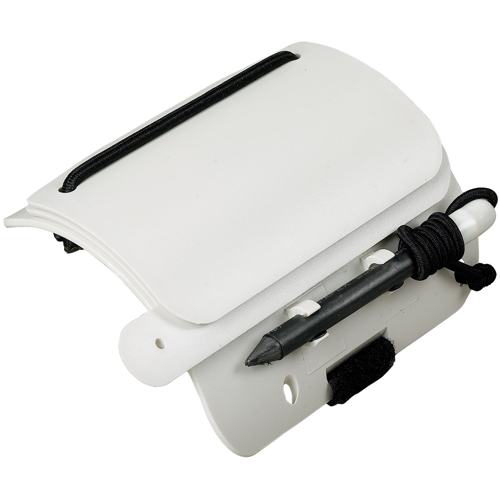
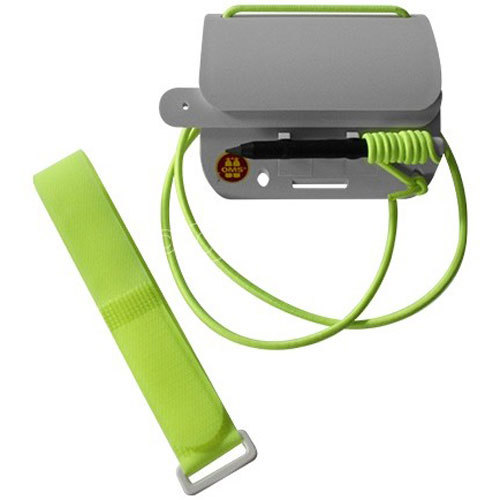
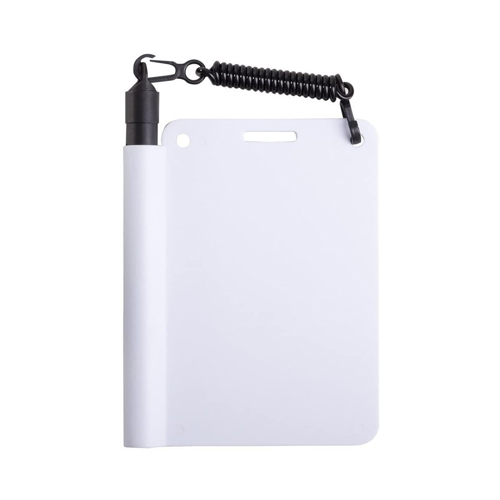
Beyond the basic logbook, essential accessories can make logging easier and more comprehensive. Waterproof pens, logbook pouches, and refillable inserts ensure that your notes stay legible and organized, even after repeated exposure to saltwater and sun. For those who dive in groups or participate in specialty courses, carrying extra pages for instructor signatures or custom fields for technical dives can be invaluable. As you build your log, you’ll notice patterns emerge—perhaps you’re most comfortable with a certain weight setup, or you discover that visibility in your favorite spot changes dramatically with the season. Keeping track of these details not only enhances your enjoyment but also supports safer, more confident diving. For anyone looking to deepen their understanding of what to record and why, or to explore more advanced logging methods, our comprehensive
Dive Log Data page offers expert advice and in-depth resources. No matter where your fins take you, investing in quality diving log essentials is a small step that pays dividends in safety, skill development, and the sheer joy of reliving every underwater adventure.