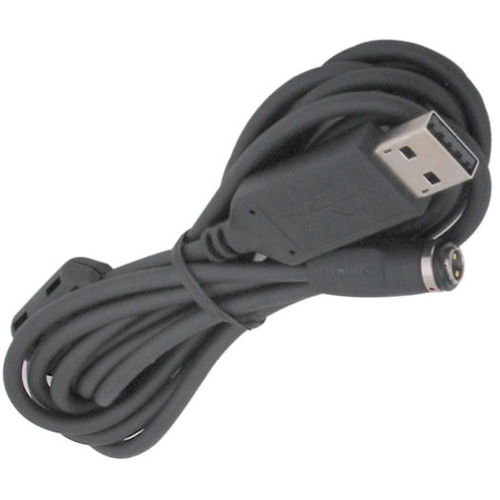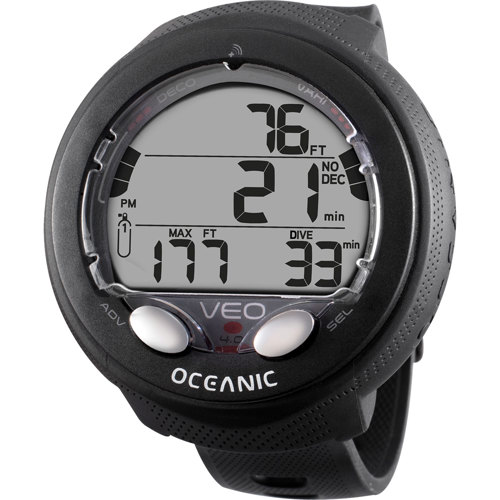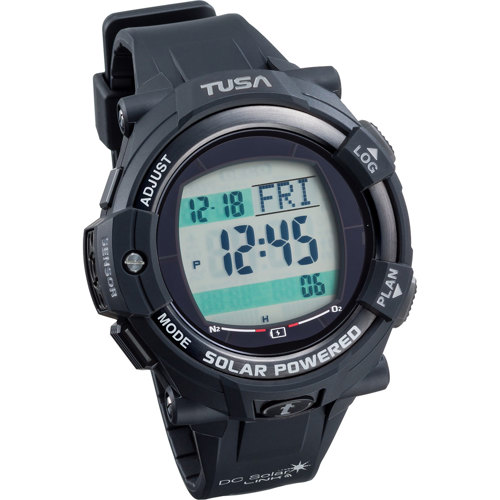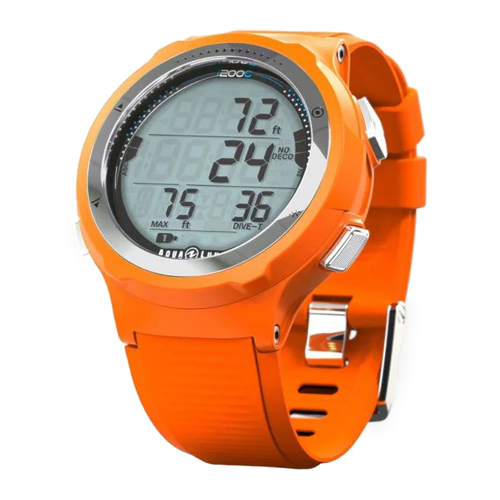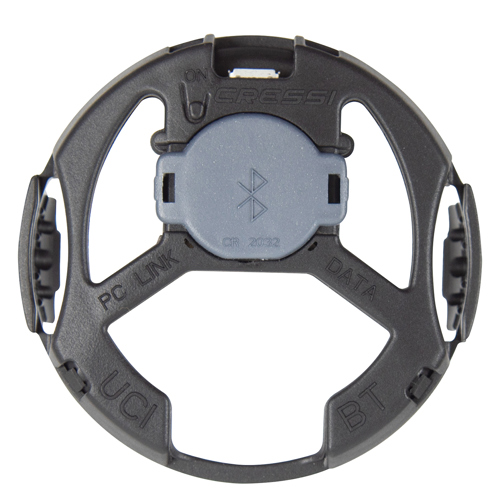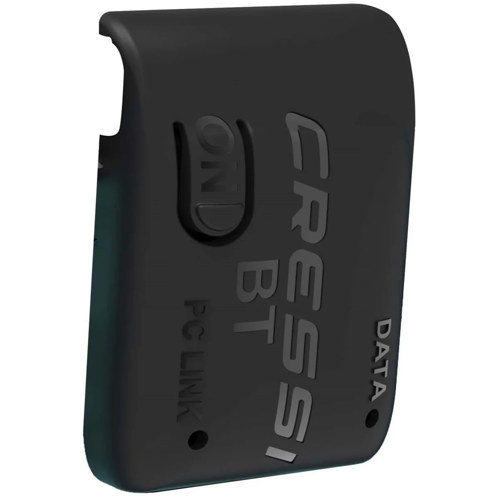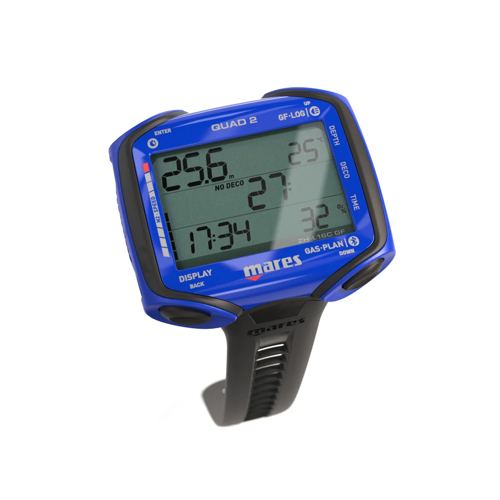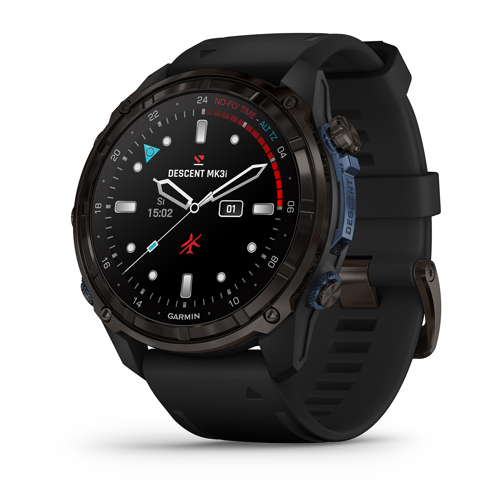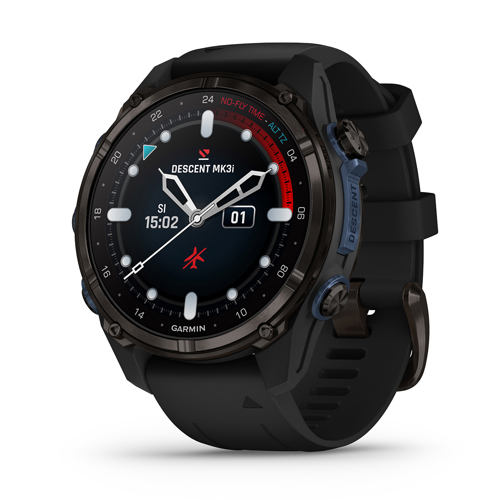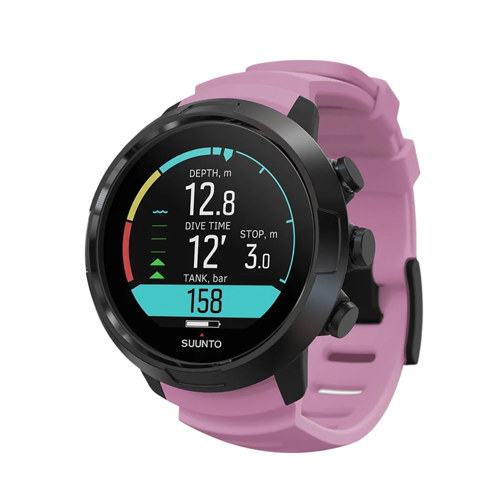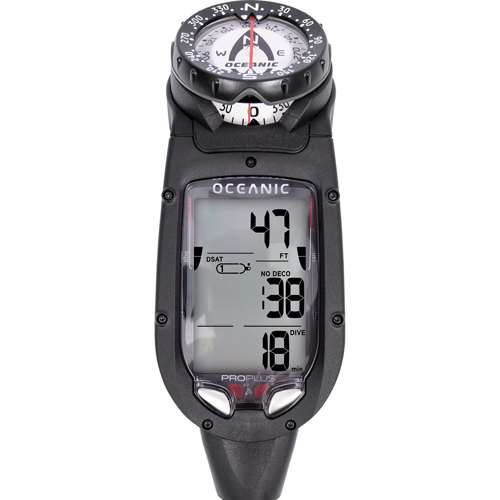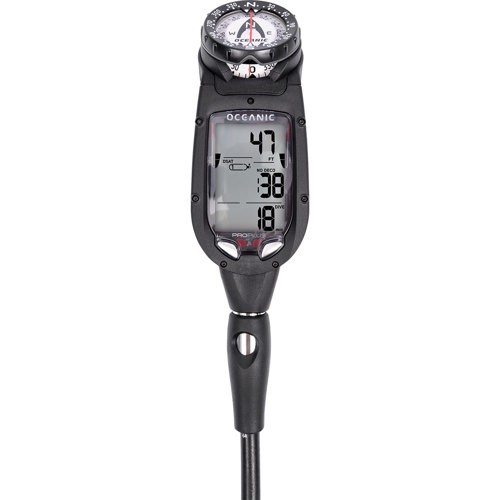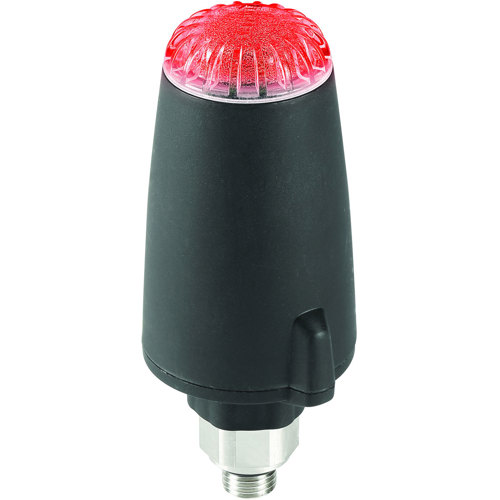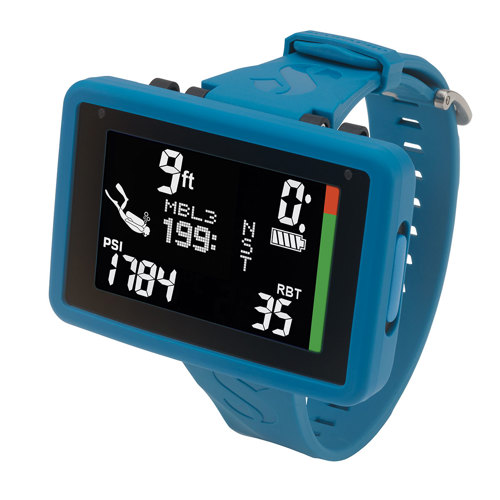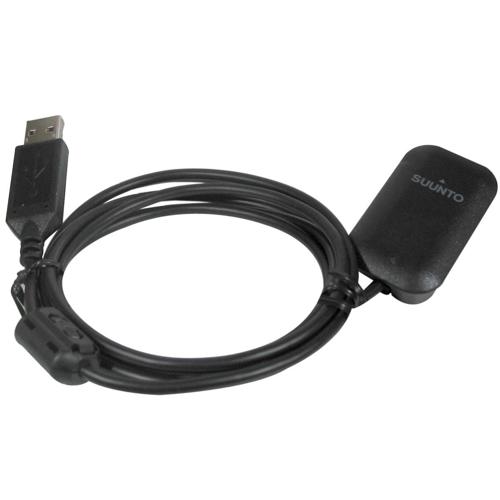
For divers who are passionate about capturing every detail of their underwater adventures, dive log interfaces have become an essential companion to modern dive computers. These innovative tools serve as the bridge between your dive computer and your digital world, enabling seamless transfer and management of dive logs. Whether you’re a dedicated technical diver meticulously tracking gas consumption and decompression profiles, or a recreational explorer who loves to annotate each dive with notes about marine life encounters and site conditions, dive log interfaces make it possible to preserve, organize, and analyze your diving history with ease. As the season shifts into late autumn and winter approaches, many divers use this quieter period to review and organize their dive logs, reflect on the year’s underwater journeys, and plan for upcoming trips. With the right interface, you can download detailed data such as depth profiles, bottom times, water temperatures, and ascent rates directly from your dive computer to your laptop, tablet, or smartphone. This not only helps you track your progress and identify areas for improvement but also provides a valuable record for dive instructors, buddies, or even medical professionals if the need arises.
Selecting the ideal dive log interface involves considering several factors to ensure compatibility and ease of use. Wired USB connections remain popular for their reliability and speed, offering a straightforward way to transfer large amounts of data directly to a desktop or laptop. Many divers appreciate the tactile reassurance of a cable, especially in remote locations where wireless signals can be spotty. On the other hand, wireless options—such as Bluetooth-enabled interfaces—are increasingly favored for their convenience and portability. These allow you to sync your dive logs with mobile apps on your smartphone or tablet, making it easy to review your dives, add photos, and annotate details while you’re still on the boat or at the dive site. Software integration is another key consideration; some interfaces are designed to work seamlessly with dedicated logging software, while others support open-source platforms that offer advanced analytics and customization. For divers who travel frequently or who dive with multiple computers, choosing an interface that supports a range of devices and operating systems can make post-dive organization far more efficient. Dive logging is not just for seasoned divers—newcomers and students often find that reviewing their logs helps reinforce safe habits and deepen their understanding of dive planning and execution. Dive log interfaces also make thoughtful gifts for dive buddies, instructors, or family members who are building their own collection of underwater memories. They are practical, personal, and encourage a lifelong connection with the sport.
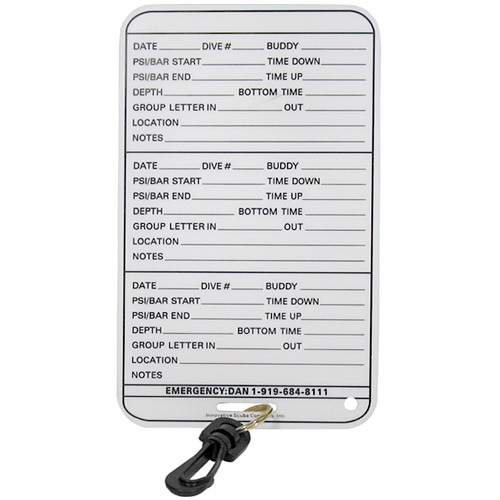
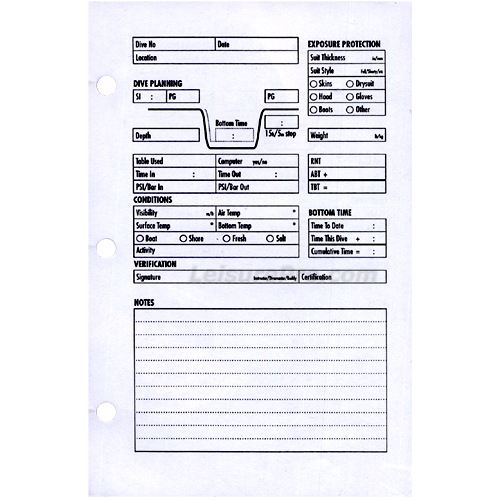
Beyond the technical benefits, dive log interfaces enrich the social and storytelling aspects of diving. Many divers enjoy sharing their logs, complete with GPS coordinates, site maps, and wildlife sightings, with friends and fellow enthusiasts. Some software platforms even allow you to upload your logs to online communities, where you can compare experiences and discover new destinations. For those who keep a physical logbook, digital interfaces provide an easy way to print detailed summaries or back up precious memories in case of loss or damage. As you browse our curated selection of dive log interfaces, consider how these tools can help you preserve the stories behind each dive, from your first open-water certification to that unforgettable night dive with bioluminescent plankton. If you’re looking to expand your digital dive management toolkit, you might also be interested in exploring our collection of
Dive Logbook Viewers, which are designed to enhance your log viewing and analysis experience. Whether you’re logging dives for training, personal growth, or simply to relive the magic of the underwater world, the right interface makes every detail accessible and meaningful.