Tech Diving Essentials
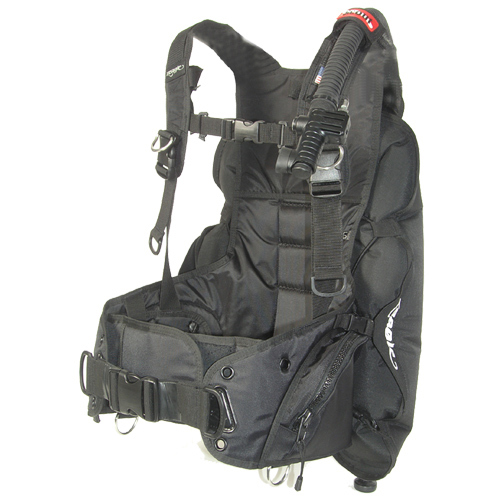
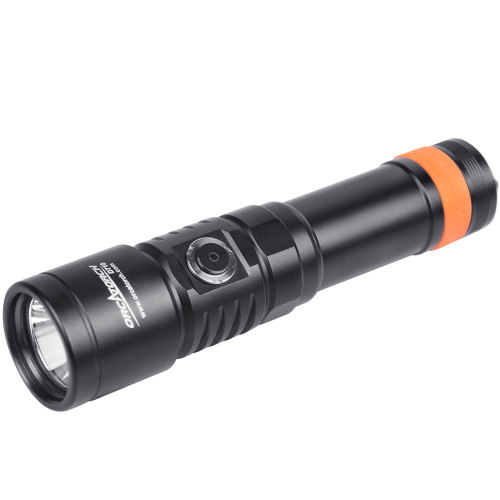
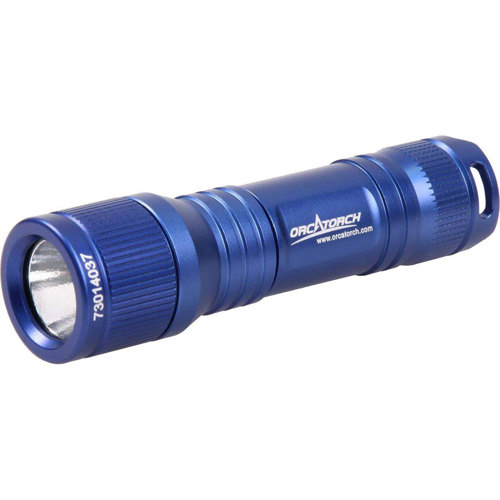
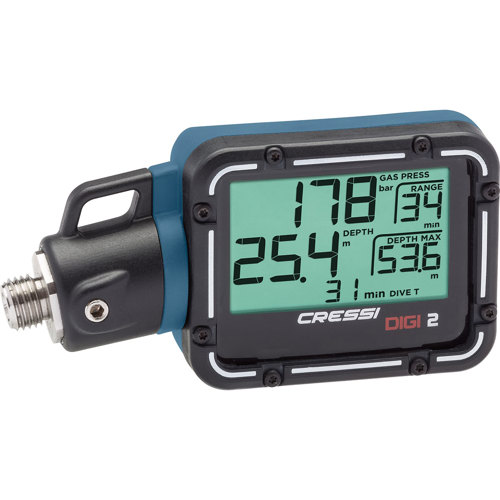
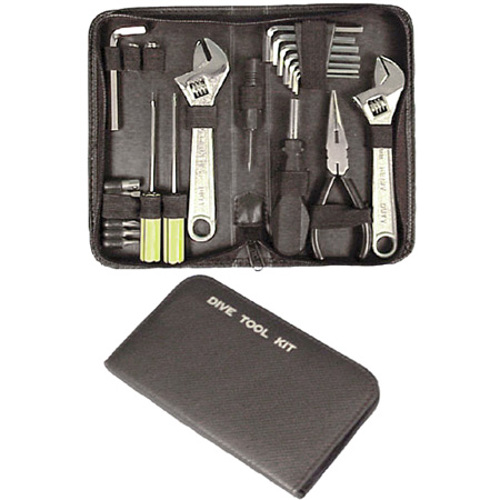
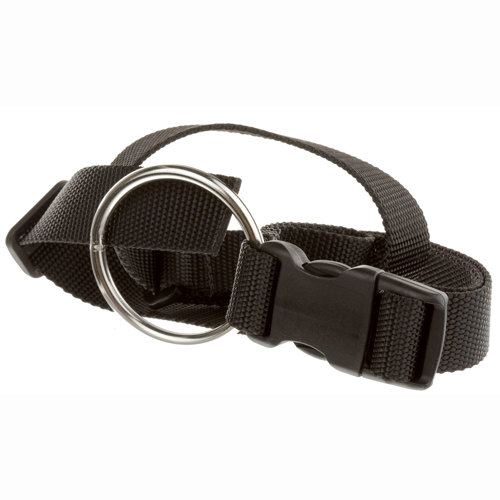
Technical diving, often called “tech diving,” opens up a world of underwater exploration that goes well beyond the limits of traditional recreational scuba. With the arrival of warmer weather and clearer waters, more divers are drawn to the challenge and adventure of deeper dives, wreck penetrations, and intricate cave systems. These environments demand specialized scuba tech diving equipment designed for safety, redundancy, and precise gas management. The core of any tech diver’s setup typically includes manifolded twin cylinders or sidemount systems, high-capacity wing-and-harness BCDs, and robust regulators with extended hoses for effective air sharing in confined spaces. For those venturing into decompression dives, stage and decompression cylinders become essential, often carried with custom mounting hardware to streamline movement and reduce drag. Redundancy is a guiding principle in tech diving—backup computers, secondary lights, and additional cutting devices like line cutters or shears are standard, ensuring that if one system fails, another is always ready to take over. Gas analyzers are a must-have for verifying oxygen and helium percentages before every dive, adding another layer of safety to complex gas blends. These items are not only indispensable for personal use but also make thoughtful gifts for experienced divers preparing for advanced training or milestone dives.
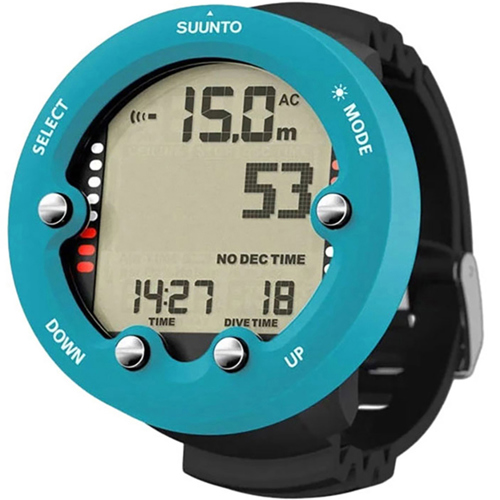
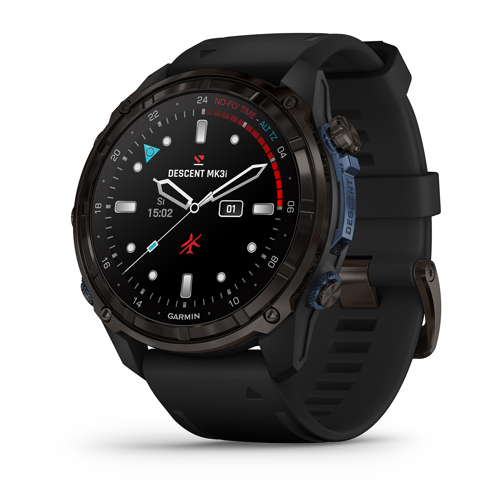
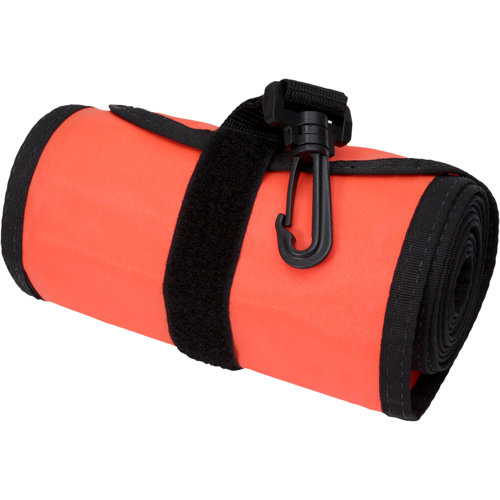
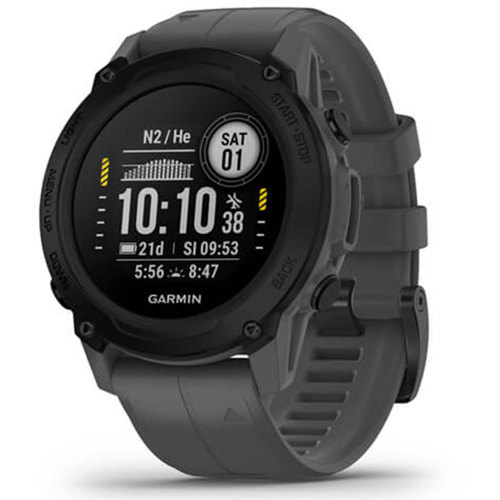
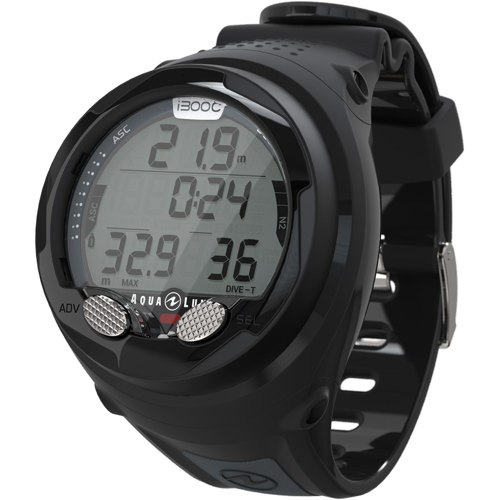
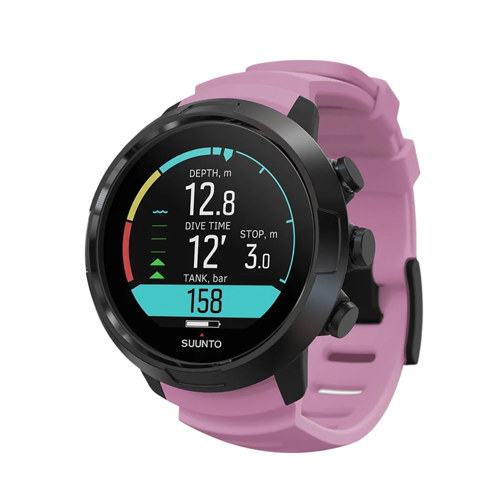
The appeal of tech diving extends to those who crave meticulous planning and thrive in challenging conditions, whether navigating the corridors of a historic shipwreck or exploring the silent beauty of a deep reef. Tech divers often seek out gear that is rugged, modular, and easy to customize—qualities that distinguish true scuba tech gear from standard recreational equipment. Multigas dive computers capable of handling Trimix and multiple gas switches are invaluable for tracking complex decompression schedules in real time, while backup timers and redundant pressure gauges offer peace of mind when it matters most. Spools and reels are vital for deploying surface marker buoys and managing ascent lines, especially in environments with limited visibility or strong currents. Many divers also rely on drysuit inflation systems with independent gas supplies for thermal protection and buoyancy control during extended bottom times, particularly as the water cools later in the season. Whether assembling a first tech kit or upgrading for new expeditions, understanding the interplay of each component is key to building a system that matches your diving goals and training level. For a deeper dive into comprehensive setups and to explore compatible accessories, visit our curated list of
Tech Diving Systems.
Selecting the right scuba tech gear is a personal journey shaped by the environments you explore and the type of diving you pursue. As the season transitions from early summer through the cooler months, the versatility and durability of your equipment become even more important. Each piece—from primary canister lights for dark overhead environments to heavy-duty harnesses that distribute weight evenly over long dives—plays a critical role in both safety and comfort. These essentials are thoughtfully engineered for the unique demands of technical diving, supporting you whether you’re pushing depth records, joining a team expedition, or simply savoring the solitude of the deep. With careful selection and regular maintenance, your tech diving kit will be ready for any adventure the season brings, giving you the confidence to explore further and stay safe beneath the surface.