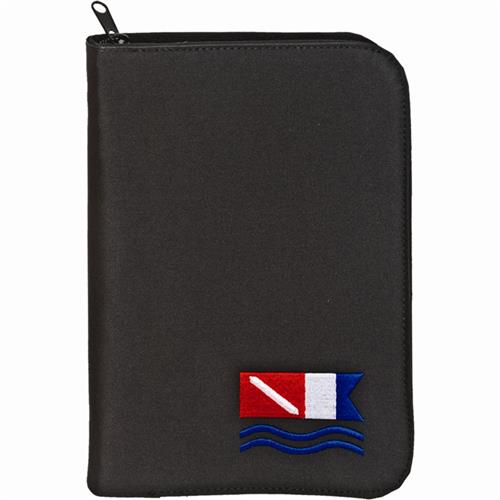
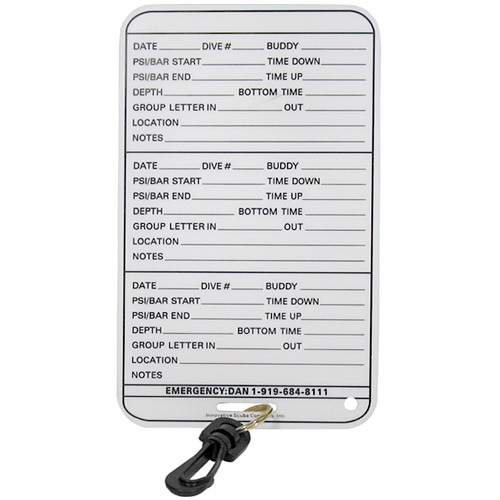
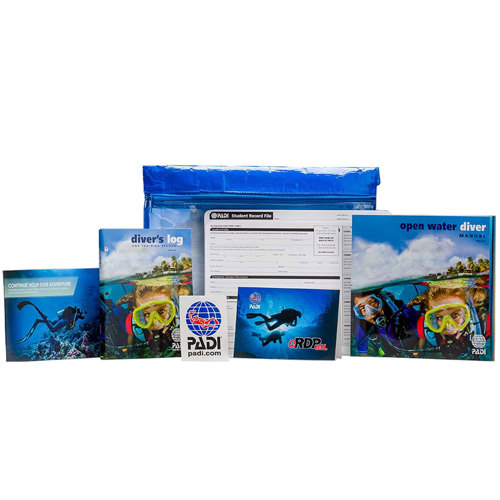
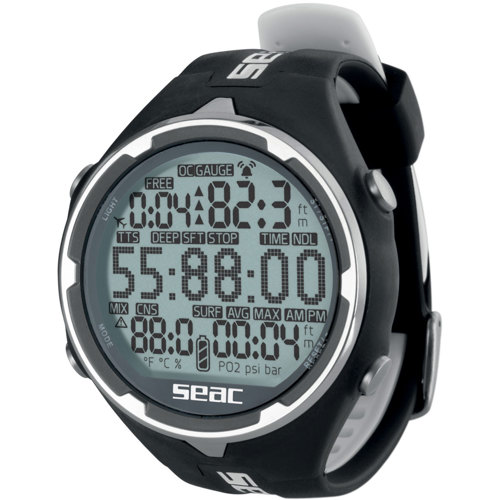
A dive logbook manager is an essential companion for divers of all experience levels, serving as both a practical record-keeping tool and a personal archive of underwater adventures. Whether you’re a newly certified diver embarking on your first open water excursions or a seasoned explorer with hundreds of logged dives, maintaining an organized logbook helps you track your progress, monitor your equipment, and relive memorable moments. Dive logbook managers come in a variety of formats, from classic paper logbooks that fit neatly into a gear bag to sophisticated digital apps that sync seamlessly with dive computers and mobile devices. Each format offers its own set of advantages: traditional logbooks provide a tactile, handwritten record that many divers find satisfying and nostalgic, while digital managers offer automation, backup, and advanced analytics that make it easy to spot patterns and trends in your diving history.
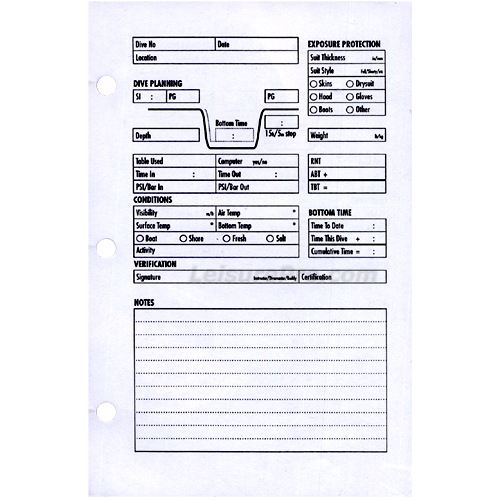
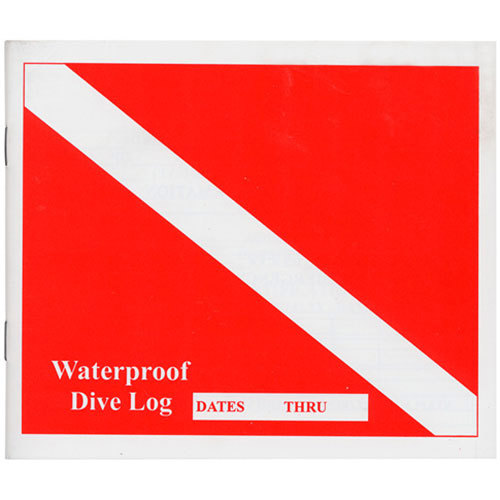
Choosing the right dive logbook manager involves considering your diving habits, technology preferences, and the level of detail you want to capture. For divers who travel frequently or enjoy sharing their experiences, digital managers with cloud synchronization and photo integration can be especially appealing, allowing instant access to dive profiles, site maps, and even underwater snapshots from anywhere in the world. These features are particularly handy during the winter months, when many divers take time to review their previous dives, plan upcoming trips, or reminisce about warmer waters. On the other hand, paper logbooks remain a cherished choice for those who appreciate the ritual of recording dives by hand, swapping stories at the dive shop, or collecting instructor signatures. They also make thoughtful gifts for new divers, marking the start of a lifelong journey, or for experienced friends who enjoy the tradition of handwritten notes and sketches. Some divers even use both: a digital logbook for data management and a physical log for personal anecdotes, buddy signatures, or as a keepsake.
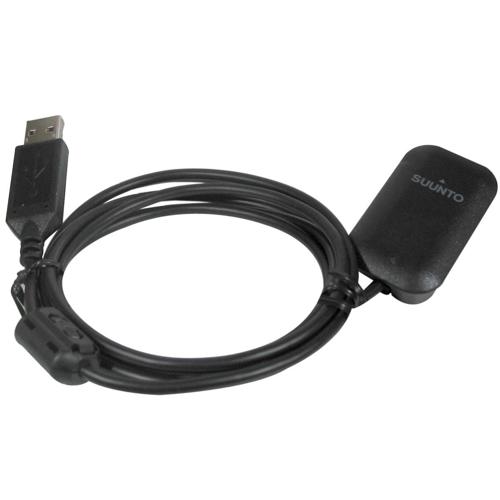
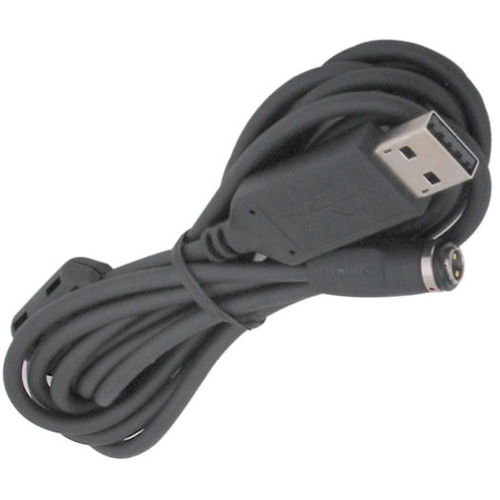
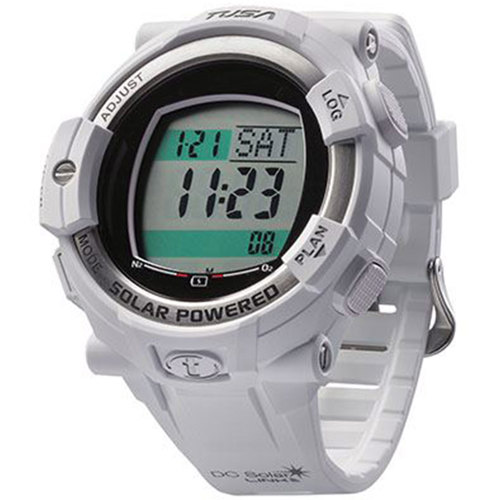
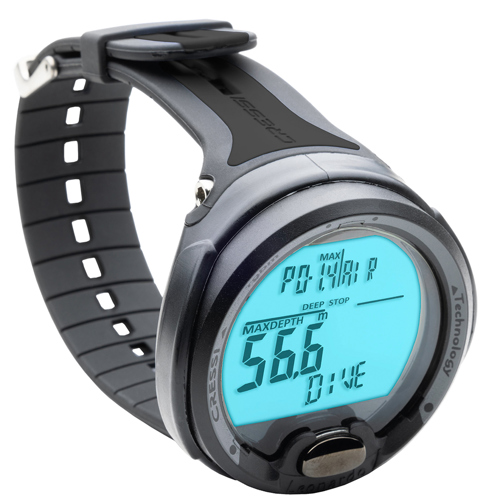
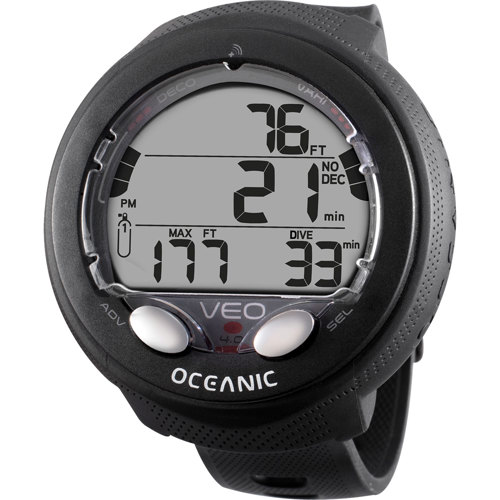
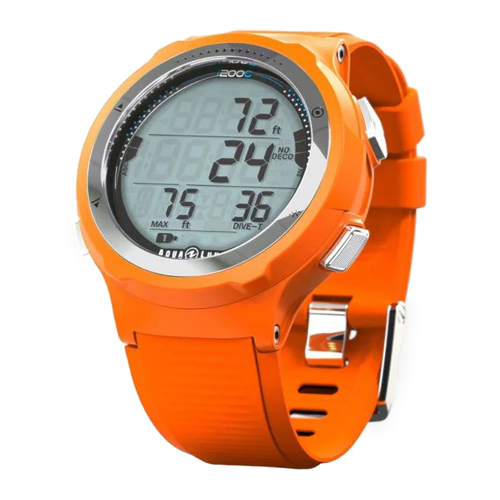
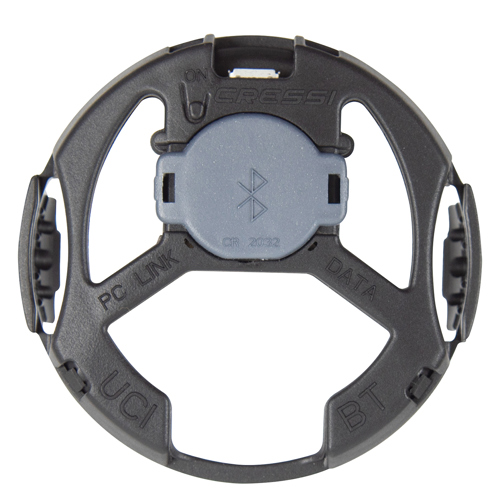
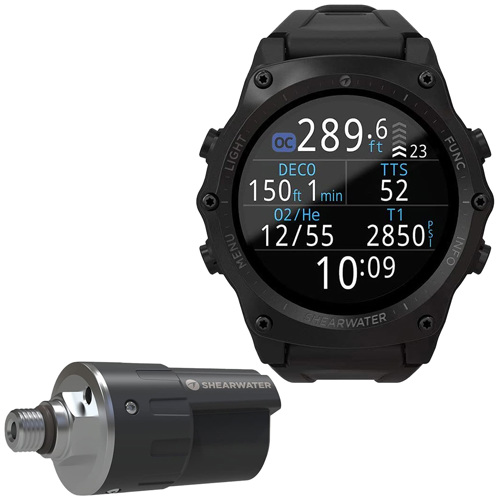
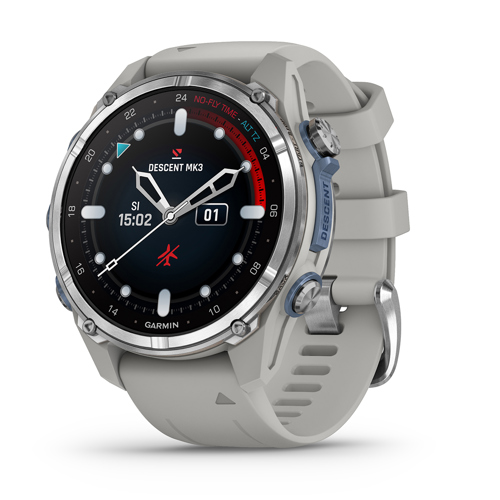
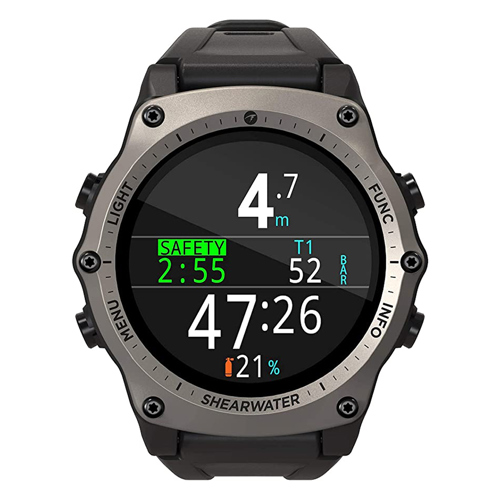
When selecting a dive logbook manager, it’s important to check compatibility with your existing gear, especially if you use a dive computer that supports data downloads. Many digital managers can automatically import dive profiles, making it easy to log dives accurately and efficiently. Others offer features like equipment tracking, statistical analysis, and even social sharing, which can be invaluable for dive professionals or those who simply enjoy connecting with the global diving community. Costs can vary, with some apps offering free basic versions and others requiring a one-time purchase or ongoing subscription for premium features. For those interested in customizing their logbook experience, printable templates and downloadable pages are available to suit different needs and preferences. To explore a variety of options and find downloadable resources that can enhance your dive logging routine, visit our
Dive Logbook Downloads page. Whether you’re logging cold-water dives in December or planning your next tropical escape, the right logbook manager ensures your underwater stories are preserved, organized, and ready to inspire your next adventure.