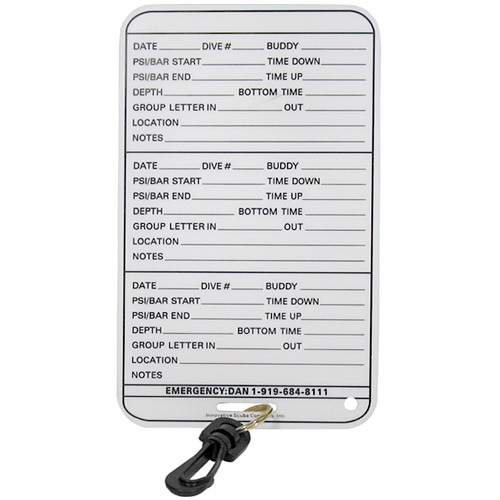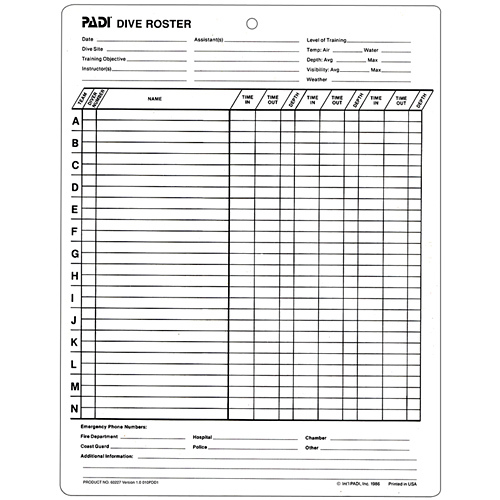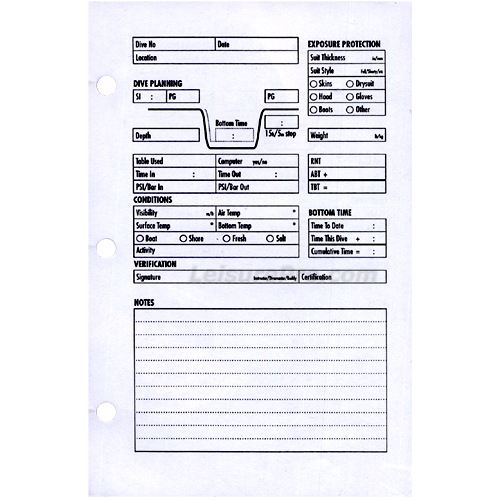
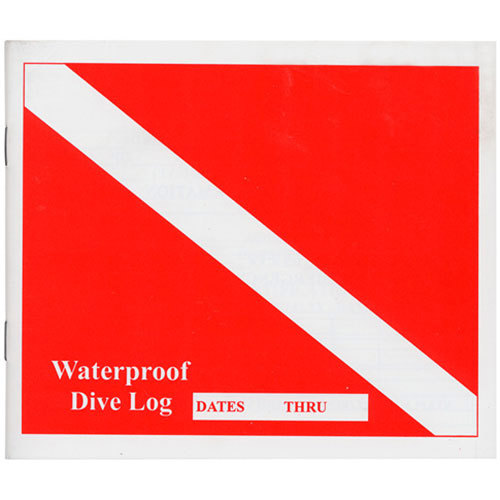

Whether you’re just beginning your underwater adventures or have logged hundreds of dives in vibrant reefs and mysterious wrecks, a reliable dive log is an essential companion for every diver. Dive logs serve as far more than simple records; they become a living diary of each descent, capturing not only the technical details—like date, location, depth, and bottom time—but also the subtle nuances that make every dive unique. Recording information such as water temperature, visibility, equipment configurations, and even your emotional state before and after a dive can help you track your progress, refine your skills, and create a vivid memory bank of your underwater journeys. For those working toward advanced certifications or professional roles, a well-maintained dive log is often required, with spaces for instructor or buddy signatures to verify experience. Even recreational divers find immense value in being able to look back at past entries, remembering the first time they encountered a curious sea turtle or the day they mastered buoyancy control in challenging currents. In the quieter winter months like January, when diving may slow down in some regions, reviewing and organizing your dive log can be a rewarding way to relive past adventures and plan for future ones when the water warms.
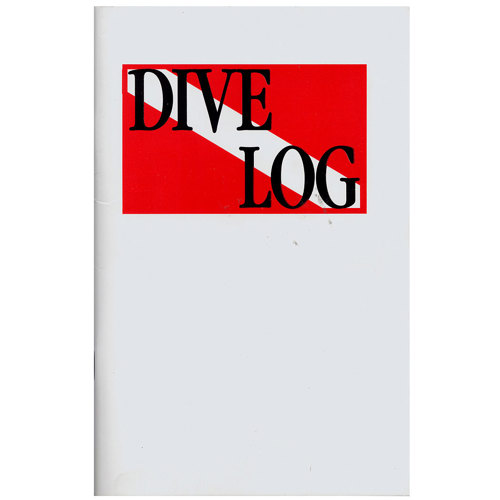
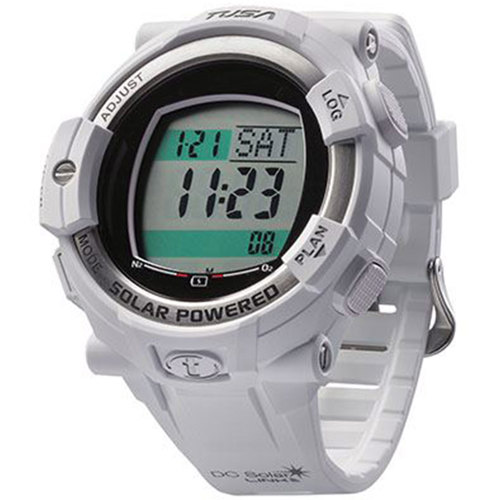
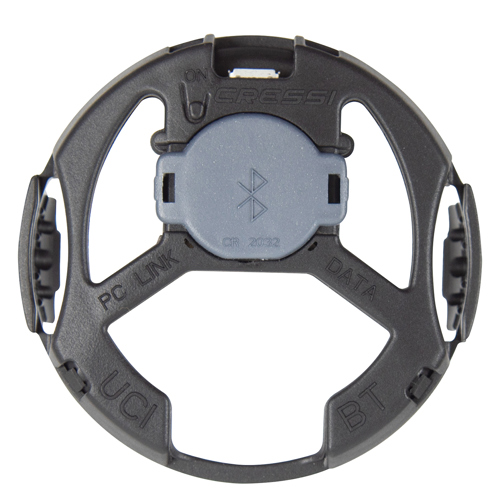
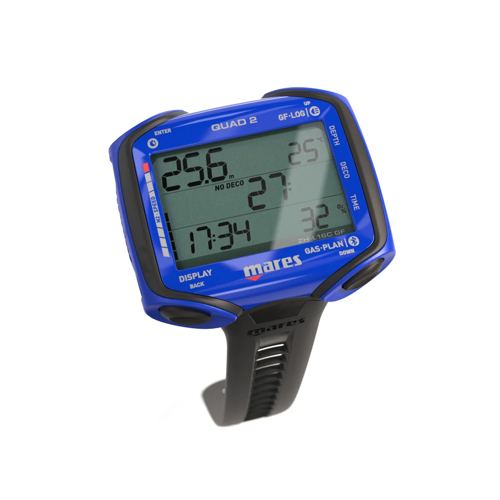
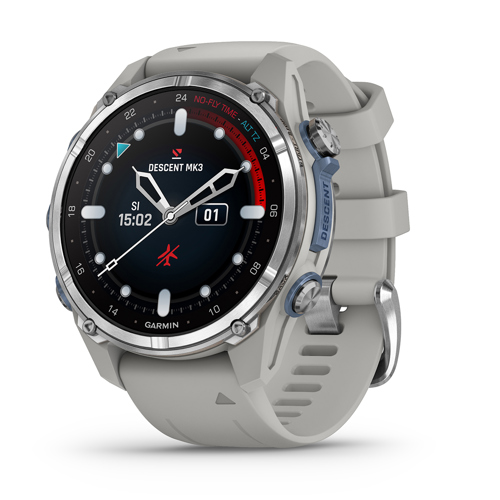
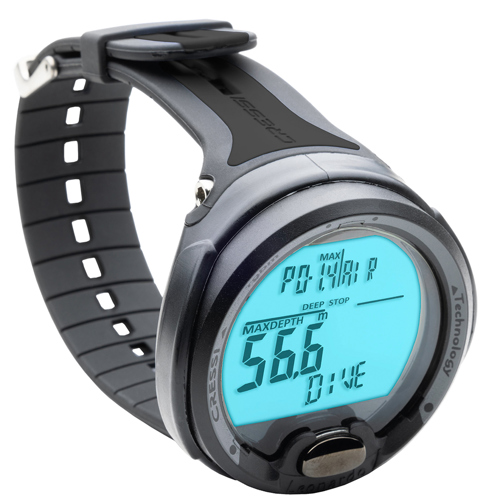
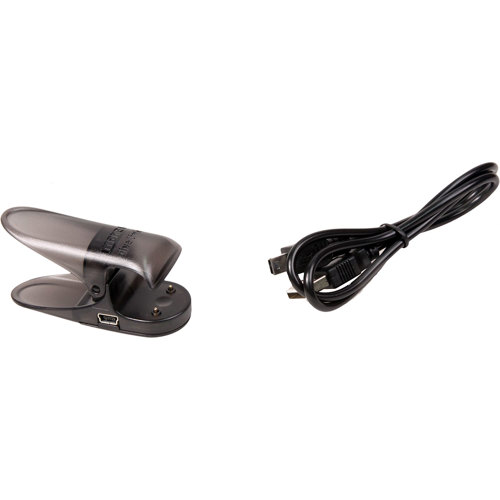
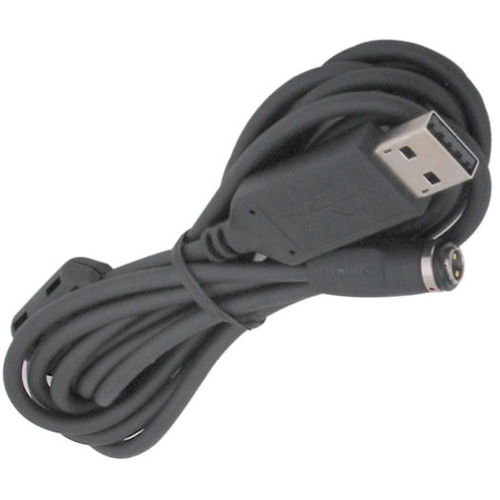
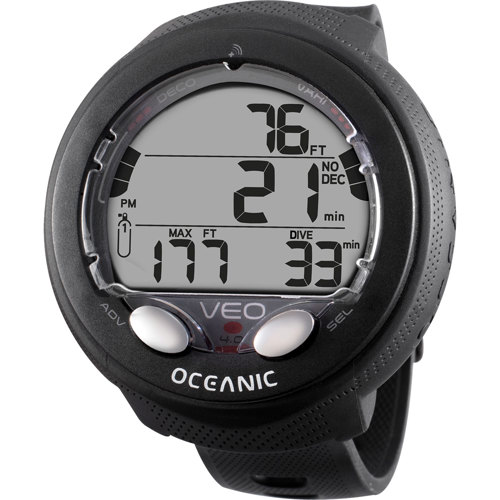
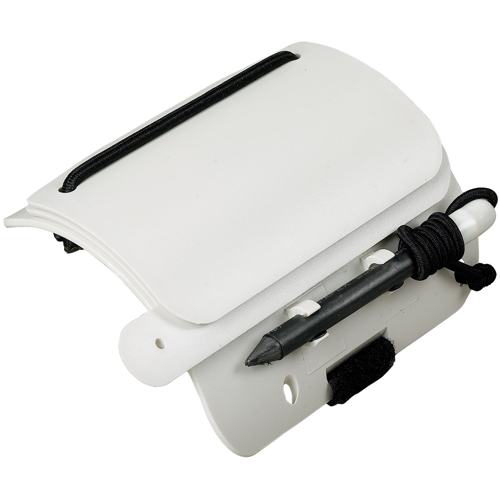
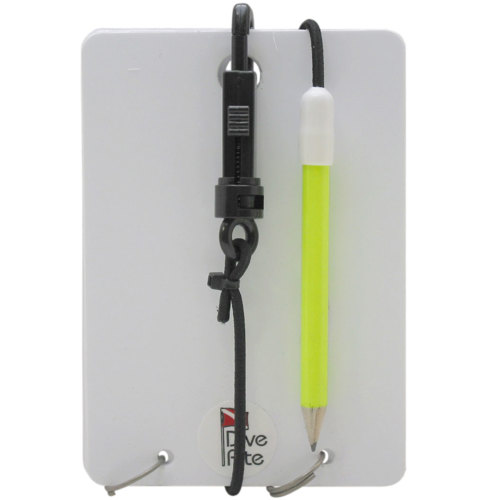
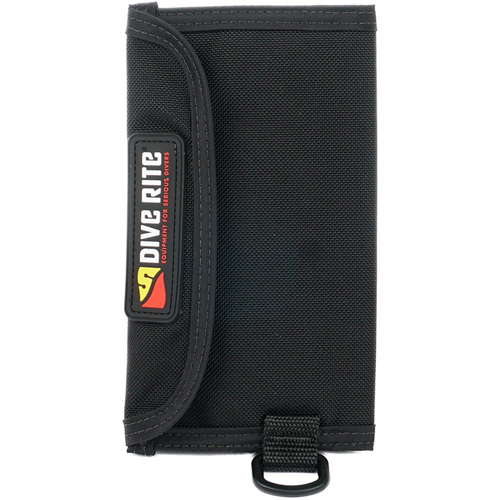
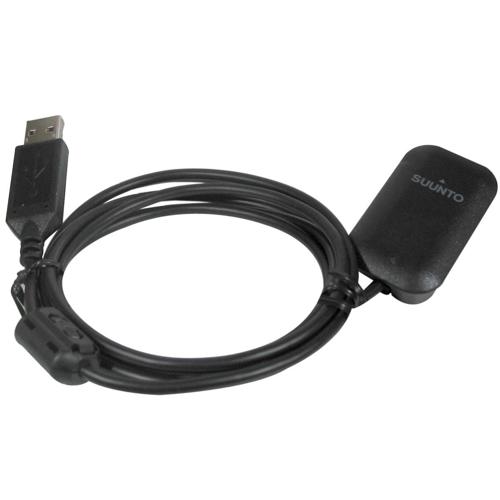
Choosing the right dive log comes down to personal preferences and diving habits. Some divers cherish the tactile satisfaction of a traditional paper logbook, where handwritten notes, sketches of dive sites, and stamped signatures from far-flung destinations create a tangible record of their travels. These physical logs often become treasured keepsakes, filled with stories and reminders of each dive buddy, each new skill mastered, and every memorable encounter beneath the waves. Others prefer the efficiency and convenience of digital dive logs, which can sync seamlessly with dive computers and mobile devices, automatically capturing data and allowing for quick searches, photo uploads, and even sharing with friends or instructors. Digital logs are especially handy for tech-savvy divers or those who travel light, as they eliminate the risk of water-damaged pages and make it easy to access your entire dive history at a glance. When selecting a dive log, consider factors like durability (especially if you’re diving in rugged or remote locations), the ability to record custom data fields, and compatibility with your existing gear. For those who dive year-round or in challenging environments, waterproof logbooks or rugged digital solutions may be the best fit. A dive log also makes a thoughtful gift for any diver, from students just starting their certification journey to seasoned professionals who appreciate the chance to reflect on their achievements and discoveries. If you’re looking for more detailed insights into what information to record and how to maximize the value of your log, our comprehensive guide on
Dive Log Data offers expert advice and inspiration for divers at every stage.
No matter how you choose to document your dives, maintaining a thorough log is a practice that pays dividends over time. It’s not just about meeting training requirements or tracking bottom time—it’s about building a personal history, celebrating milestones, and ensuring you’re always prepared for your next underwater adventure. From the thrill of your first open water dive to the satisfaction of completing a challenging technical descent, each entry is a testament to your growth as a diver. And as the seasons change and new diving opportunities arise, your logbook will be there to help you recall the details that matter most: the camaraderie of your dive buddies, the equipment tweaks that made your dives more comfortable, and the unforgettable moments that keep you coming back to the water, dive after dive.