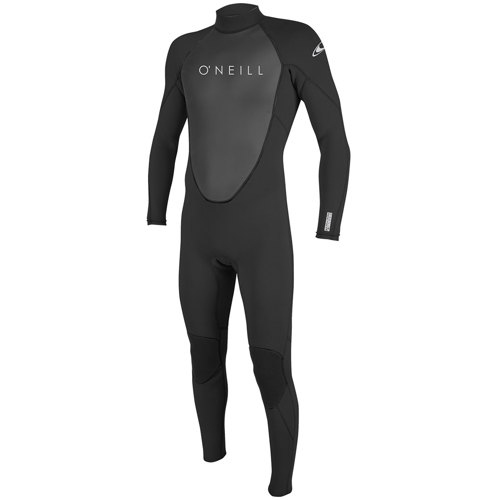
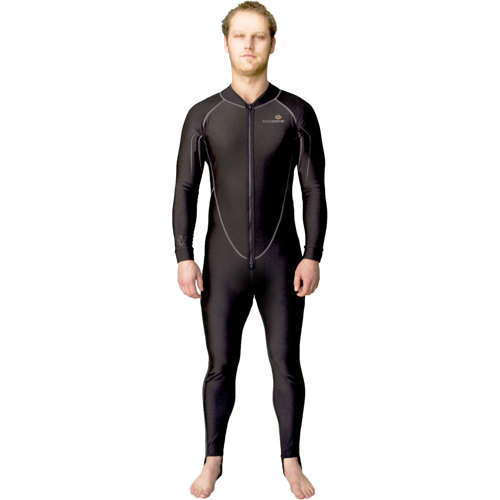
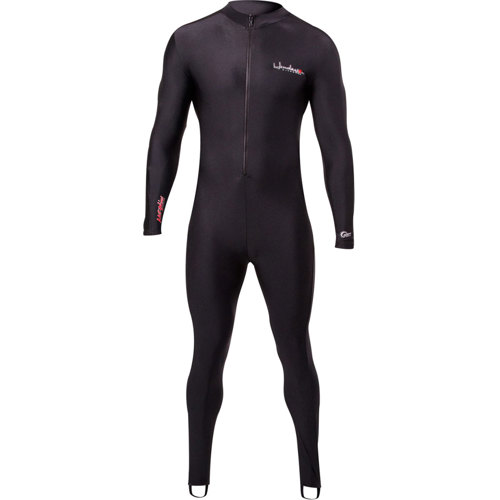
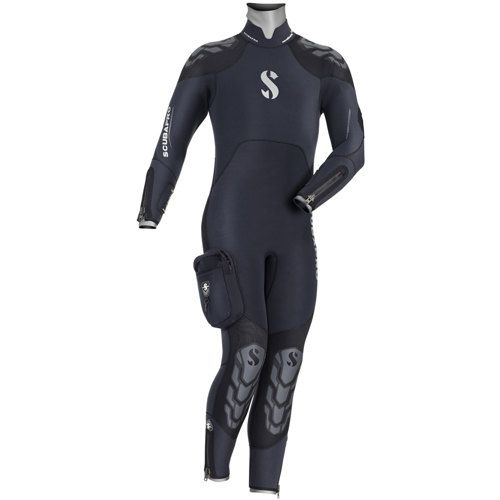
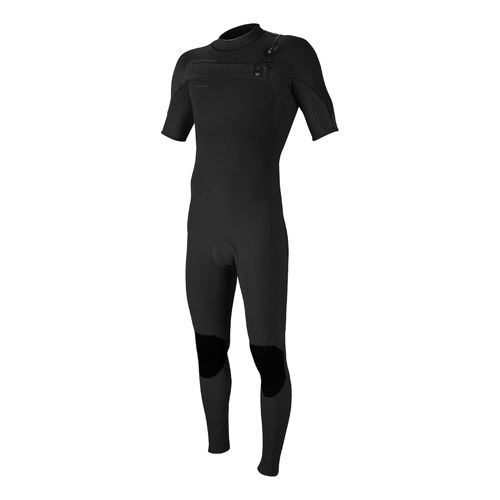
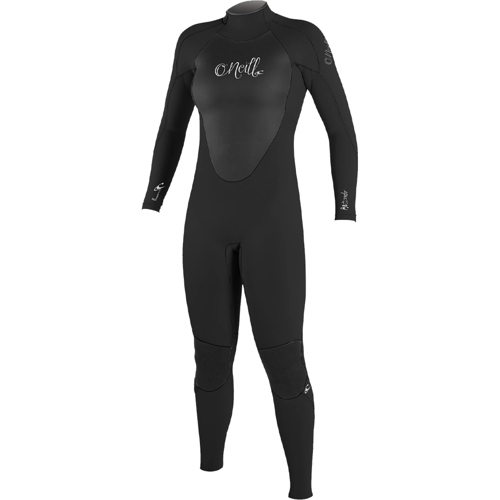
Diving insulation is an essential consideration for anyone venturing beneath the surface, whether exploring vibrant reefs on a warm summer day or descending into the cooler, shadowy depths as the seasons begin to change. The right insulation not only enhances comfort but also plays a vital role in safety by helping you maintain your core body temperature, which is crucial for extended dives or multiple sessions in a day. Insulation solutions for divers come in a variety of forms, each tailored to specific water temperatures, dive durations, and personal preferences. Wetsuits, constructed from varying thicknesses of neoprene, are a classic choice for many recreational divers. They work by trapping a thin layer of water between your skin and the suit, which your body warms, creating an effective barrier against the chill. The fit of a wetsuit is just as important as its thickness; a snug, well-fitted suit minimizes water exchange and maximizes warmth. For those who prefer or require complete dryness—such as technical divers, underwater photographers, or anyone exploring colder waters—drysuits offer a different approach. Unlike wetsuits, drysuits rely on base layers and thermal undergarments to insulate, keeping you entirely dry and allowing for customizable warmth. Materials like moisture-wicking synthetics or merino wool are favored for base layers, as they effectively draw sweat away from the skin, preventing rapid heat loss. Insulation layers, often made from high-loft fleece or advanced synthetic blends, trap air and retain heat, letting you adapt your setup for a wide range of conditions.
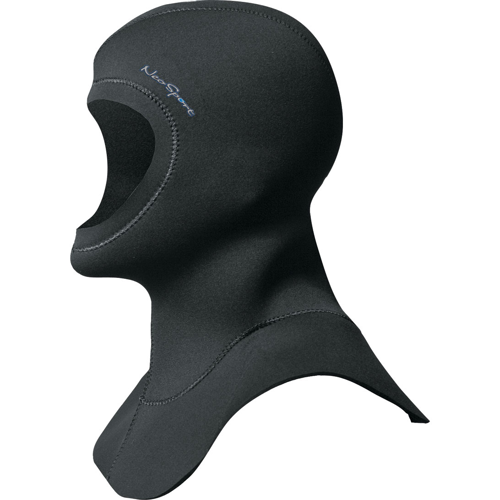
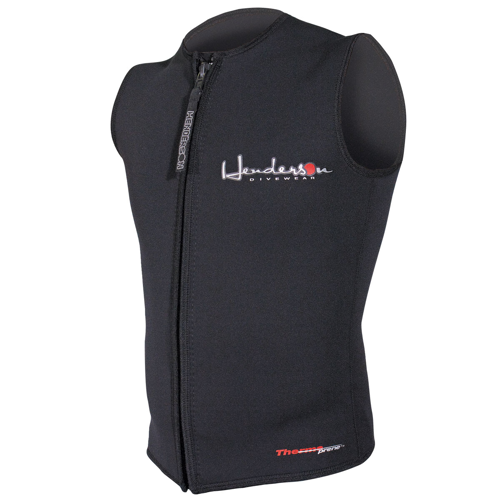
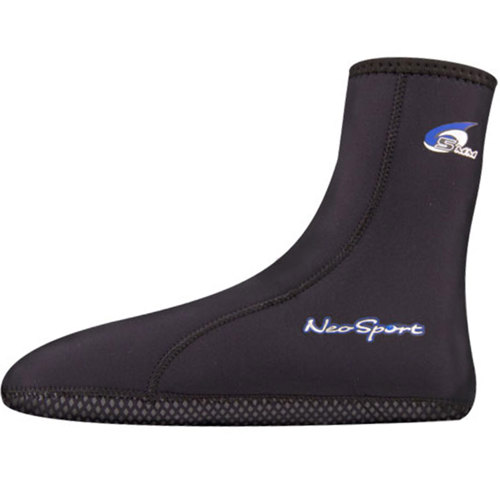
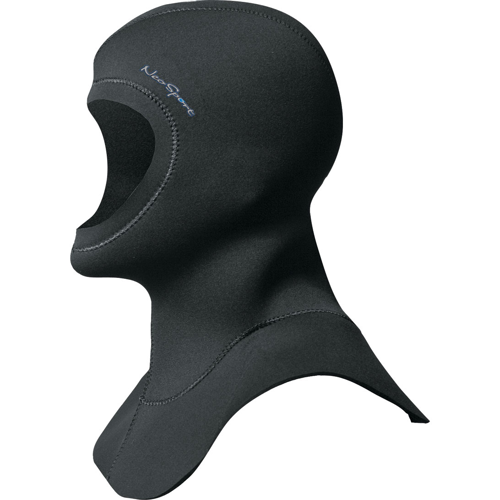
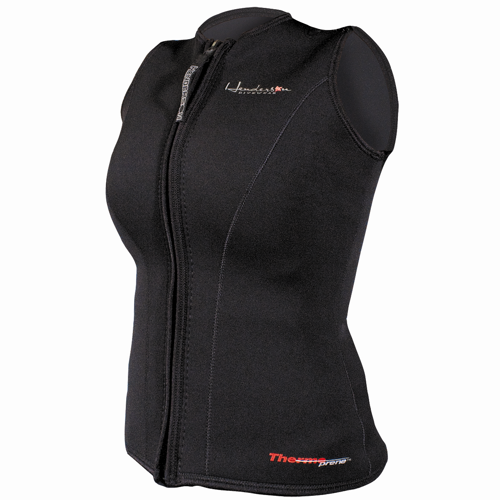
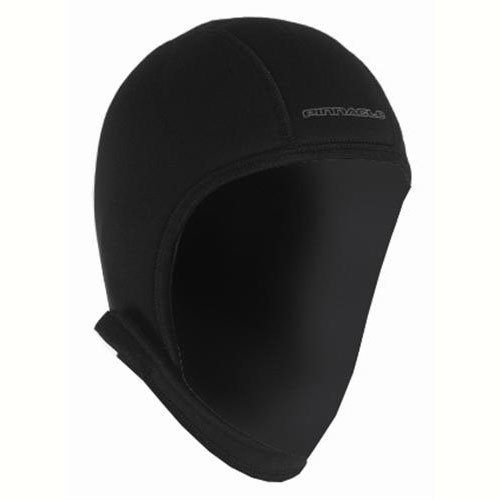
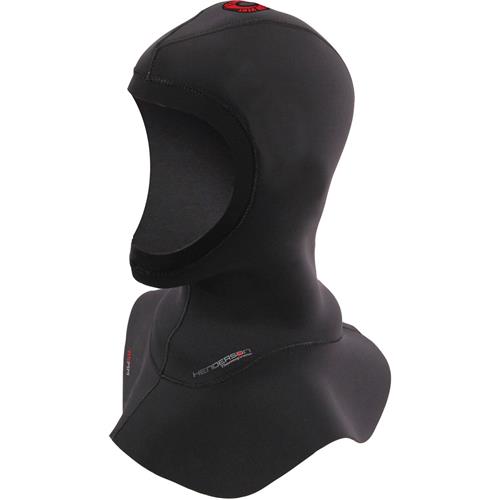
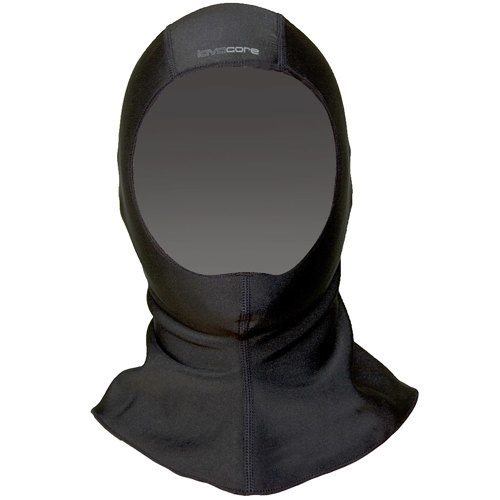
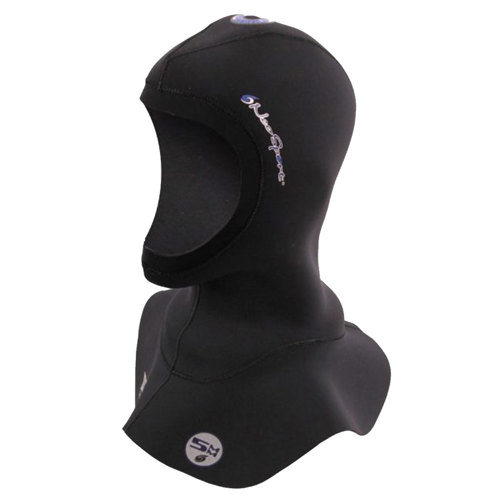
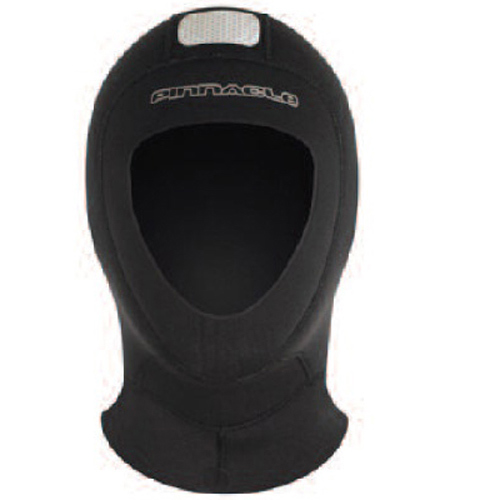
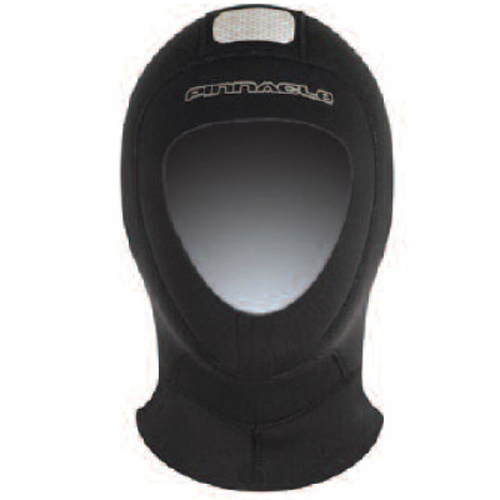
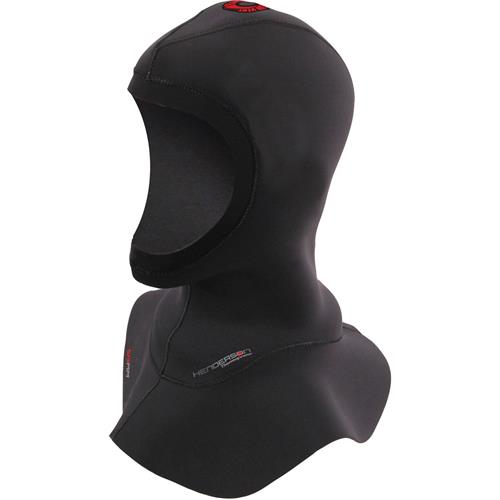
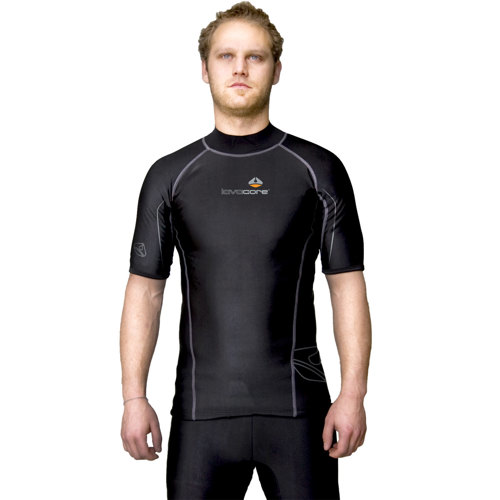
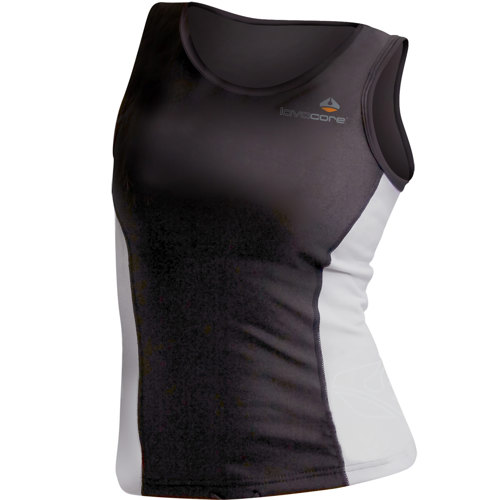
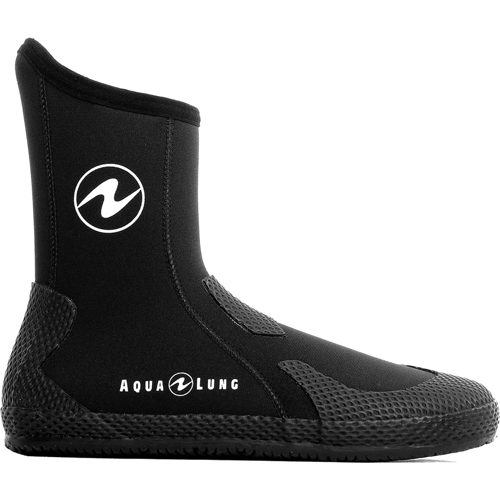
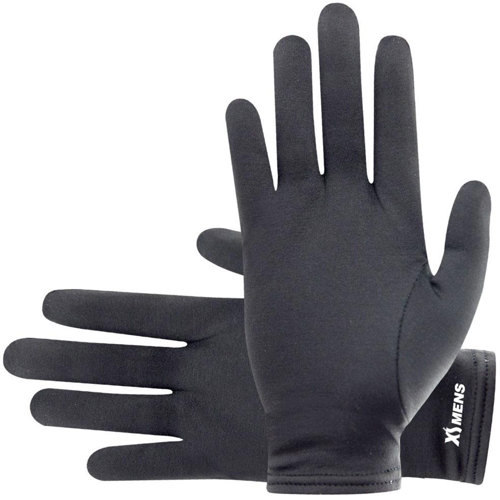
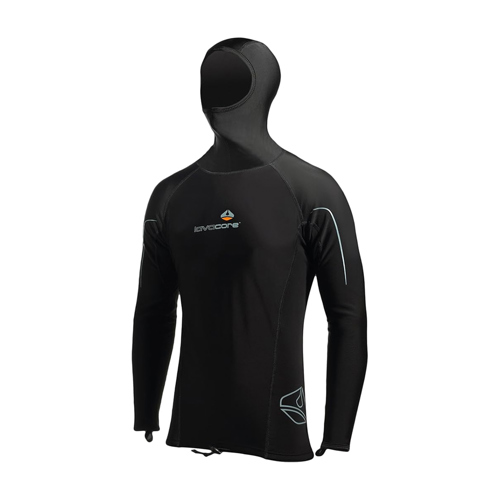
Selecting the appropriate diving insulation is a highly personal process, influenced by factors like water temperature, dive profile, and even your own tendency to feel warm or cold. During the transition from summer into fall, water temperatures can vary dramatically depending on location, making versatile layering solutions especially valuable. Many divers enhance their core warmth with vests, hoods, or even hooded vests beneath their main wetsuit, which can make a noticeable difference in comfort during longer dives or repetitive sessions. For drysuit users, the choice of undergarments is paramount, as the suit itself provides little to no thermal protection. In extremely cold conditions, some divers opt for heated undergarments or specialized materials that offer superior insulation without adding unnecessary bulk. It's also worth noting that a significant amount of body heat is lost through the head, hands, and feet, so accessories like thick neoprene hoods, gloves, and boots are essential components of a comprehensive insulation system. These products are not only practical but also make thoughtful gifts for avid divers, especially those planning trips to cooler destinations or extending their dive season beyond the warmest months. Whether you’re a seasoned diver preparing for technical expeditions, an instructor guiding students through their first open water experience, or a snorkeler aiming for comfort on early morning outings, the right insulation setup ensures you can focus on the underwater world rather than the temperature.
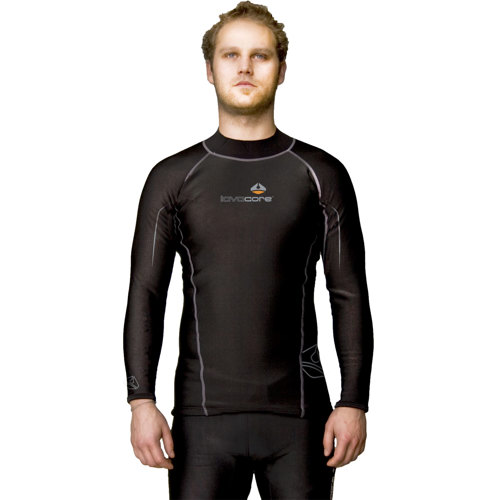
As you browse our selection, consider how each piece of insulation can be combined or layered to match your specific needs. The adaptability of modern materials—such as neutrally buoyant fleece, windproof linings, and water-repellent coatings—means you can fine-tune your system for both warmth and mobility. For those interested in optimizing their core warmth without sacrificing flexibility, our collection of
Dive Insulation Tops provides a variety of options suitable for layering beneath wetsuits or drysuits, or even wearing alone in warmer conditions. Investing in quality insulation is an investment in your own enjoyment and safety, allowing you to extend your time underwater and experience the marine environment at its best, no matter the season. Whether gearing up for local lake dives, planning a destination trip, or simply preparing for the changing conditions that come with the transition from summer to fall, thoughtful insulation choices make all the difference in your underwater adventures.