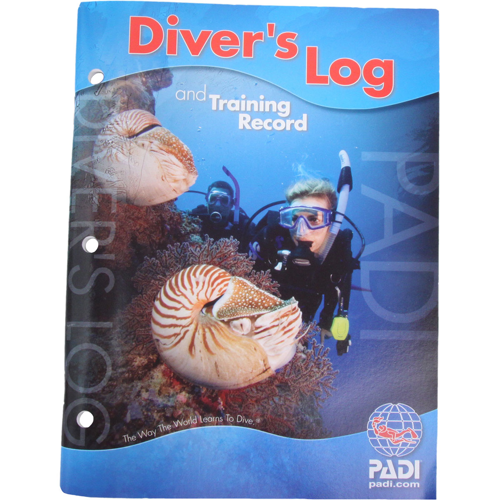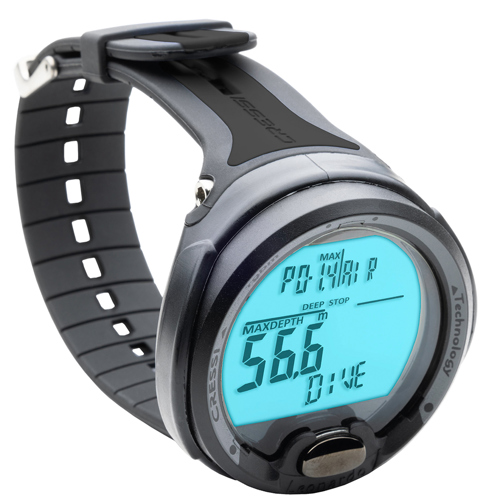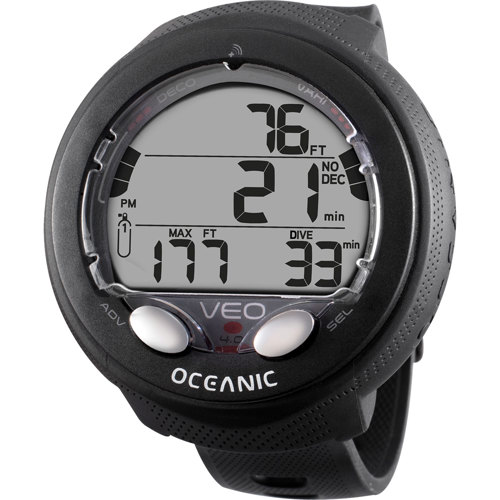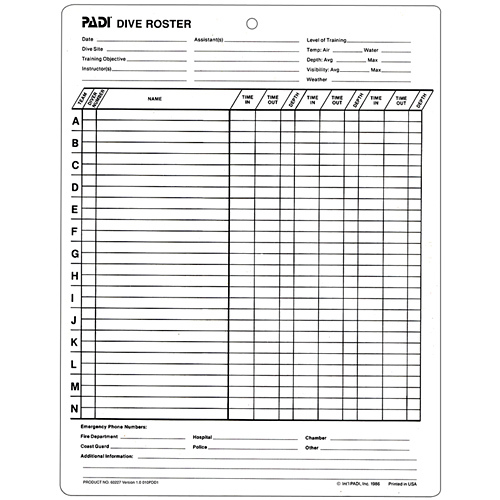
Diving is as much about discovery as it is about memory, and for many enthusiasts, recording each underwater journey is an essential part of the experience. Dive memory logs make it possible to capture the details of every adventure, whether you’re exploring a local lake on a brisk February morning or drifting through warm tropical currents on vacation. These logs are more than just a record of depths and times—they’re personal diaries, technical references, and sometimes even treasured keepsakes. For new divers, a well-kept log is a powerful tool for learning; it allows you to track your progress, note the conditions you encountered, and reflect on how your skills have evolved. Experienced divers rely on these records to fine-tune their equipment setup, recall specific site conditions, and verify their experience for advanced certifications. Instructors and Divemasters, in particular, appreciate the detailed history that logs provide, which is often required when pursuing higher levels of training or professional credentials.
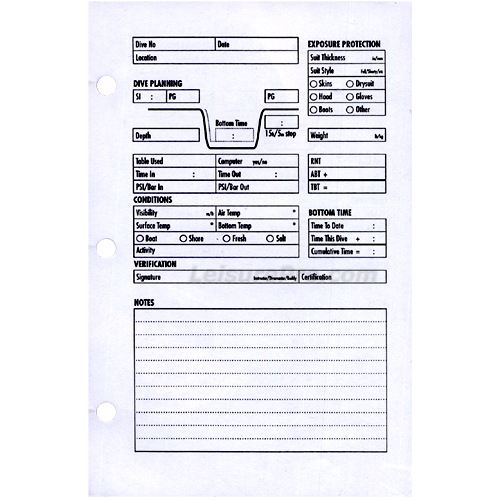
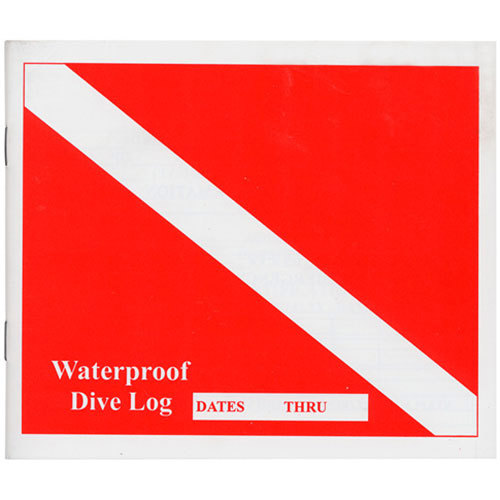
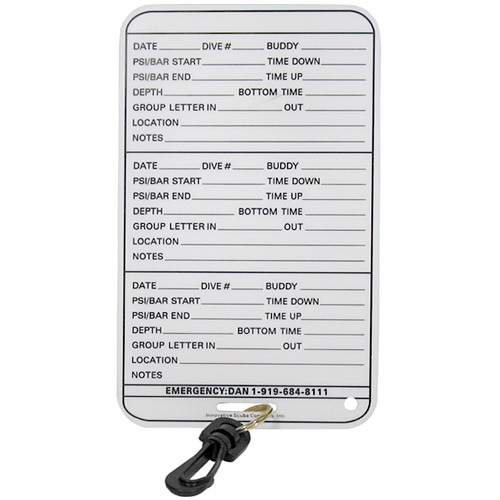
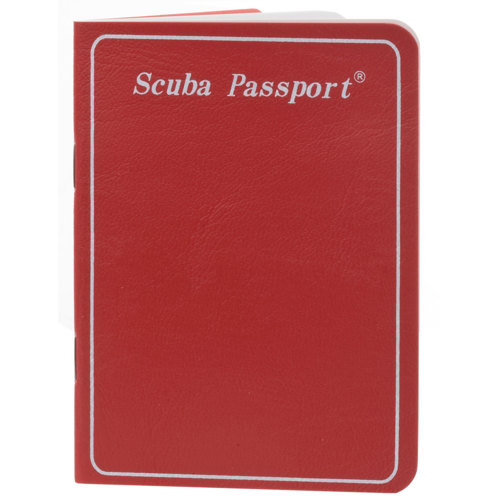
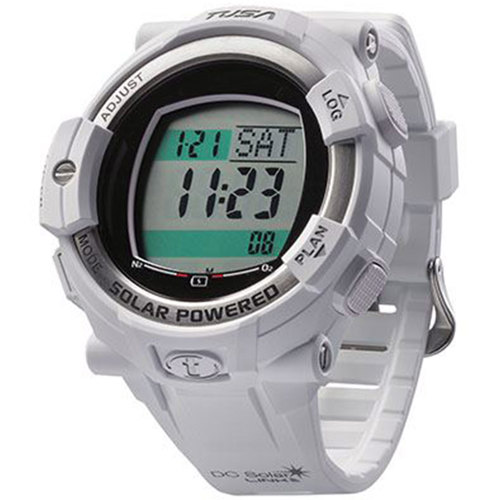
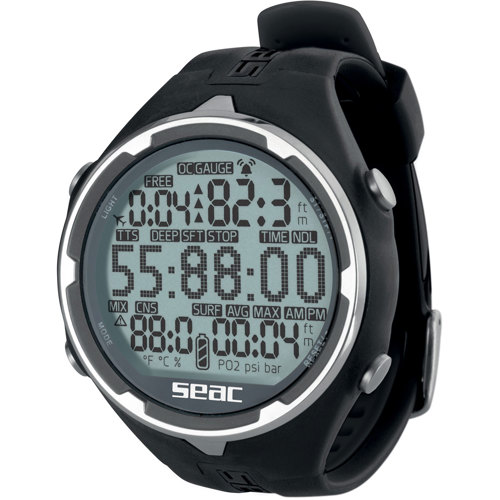
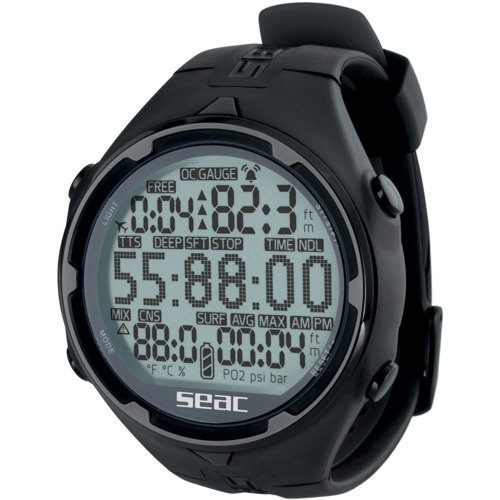
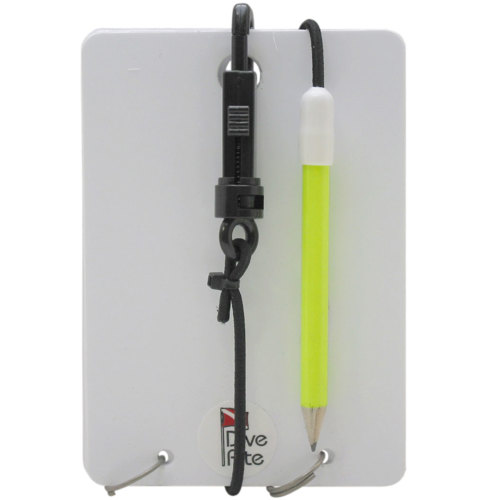
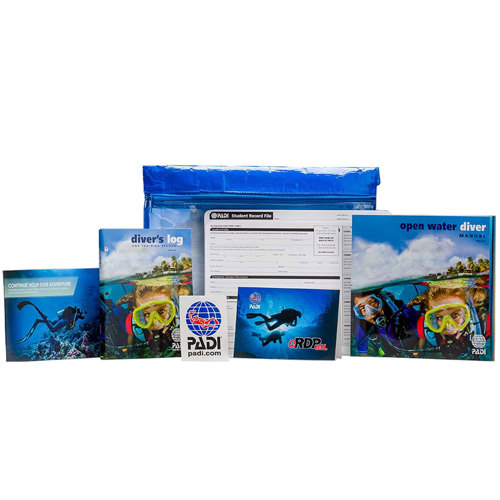
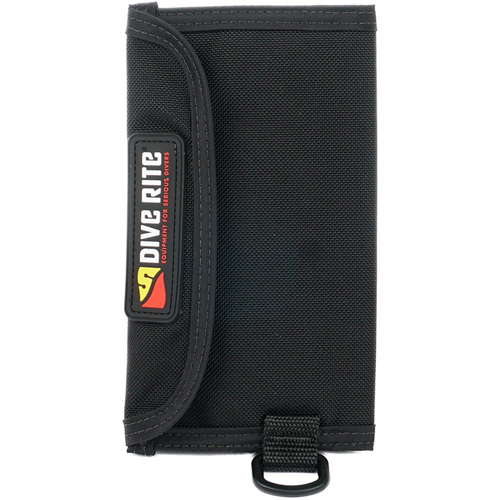
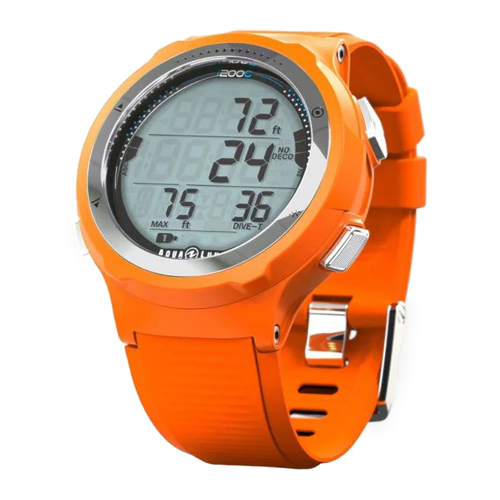
Dive memory logs come in a variety of formats to suit every preference. Some divers cherish the tactile ritual of handwriting notes in a sturdy, water-resistant logbook, complete with sketches, buddy signatures, and the occasional pressed leaf or memento from the surface interval. Others prefer the convenience of digital logging, using apps or dive computers that automatically sync and store critical data like maximum depth, bottom time, air consumption, and water temperature. Whichever format you choose, the value lies in the details: recording your suit type, weight used, cylinder size, visibility, and even the marine life you encountered helps you prepare for future dives and share your stories with friends, family, or fellow divers. In colder months, when dive trips might be less frequent, reviewing your log can rekindle memories of past adventures and inspire plans for the warmer season ahead. Dive memory logs also make thoughtful gifts for divers at any stage—whether it’s a first logbook for a new open water graduate or a sophisticated digital log for a seasoned explorer, it’s a present that encourages safe, mindful, and memorable diving.
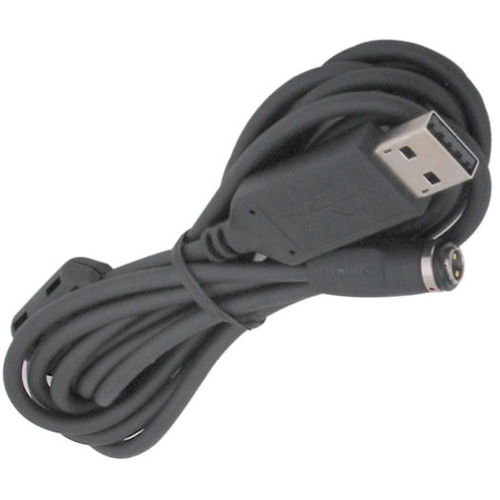
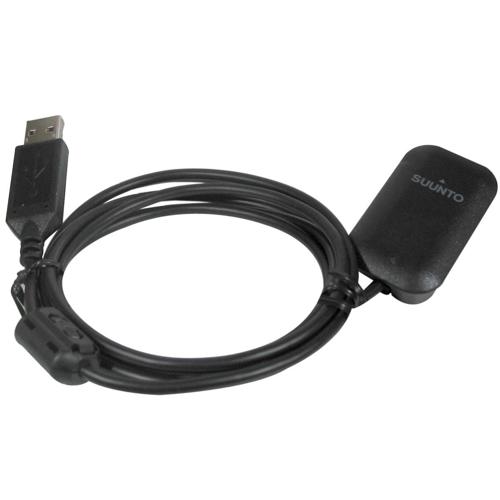
Beyond the personal benefits, maintaining a comprehensive dive log supports safety and performance by helping divers identify patterns, optimize equipment choices, and monitor important factors like air consumption and environmental conditions. Accurate logs can be instrumental in troubleshooting issues, such as adjusting weights for different salinities or tracking how changes in gear affect buoyancy. They also serve as an official record of your underwater experience, which is often required for enrolling in advanced courses or joining certain dive trips. For those interested in the technical side of logging, some systems allow for rapid data sampling and integration with dive computers, making it easy to analyze trends over time. Whether you’re looking to preserve memories, improve your skills, or simply keep your certifications up to date, a reliable dive memory log is an indispensable companion. For more insights into what information to record and how to make the most of your dive logs, explore our comprehensive guide at
Dive Log Data.