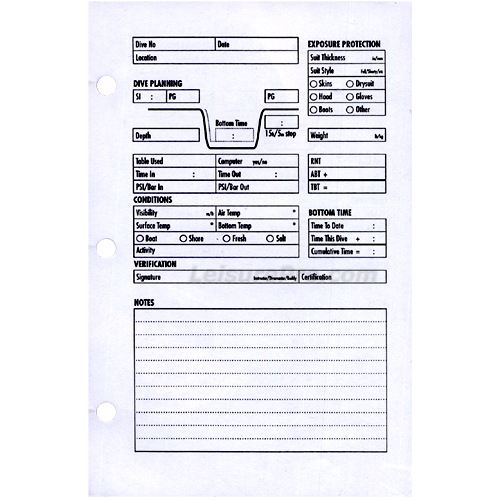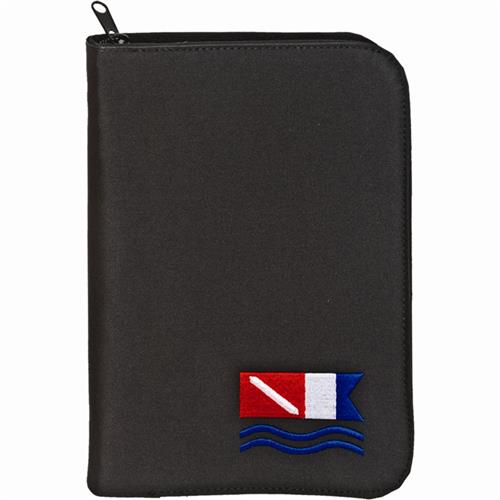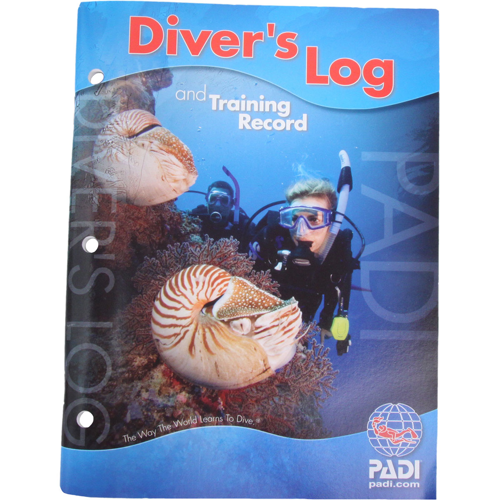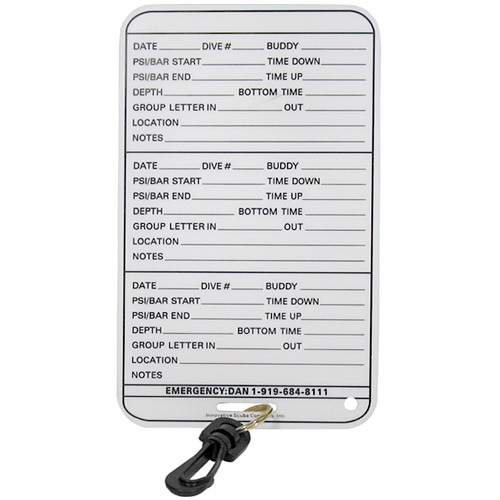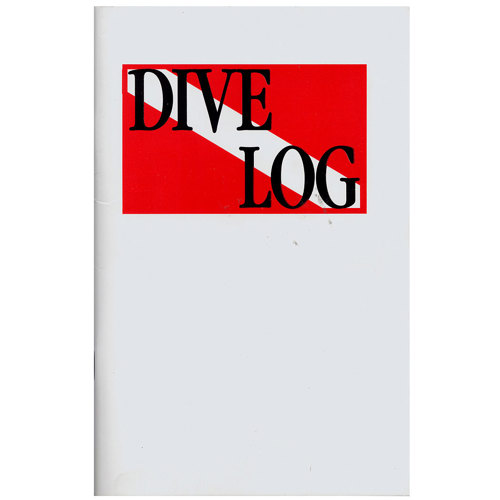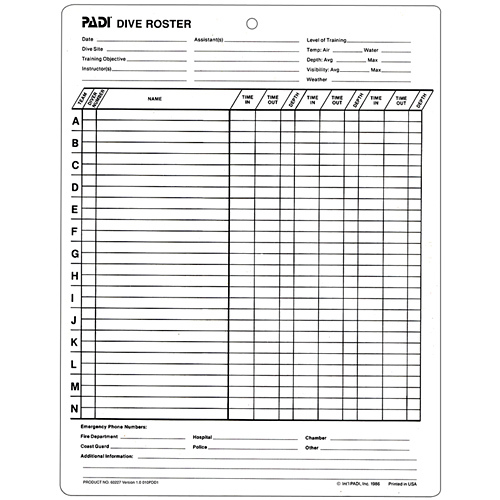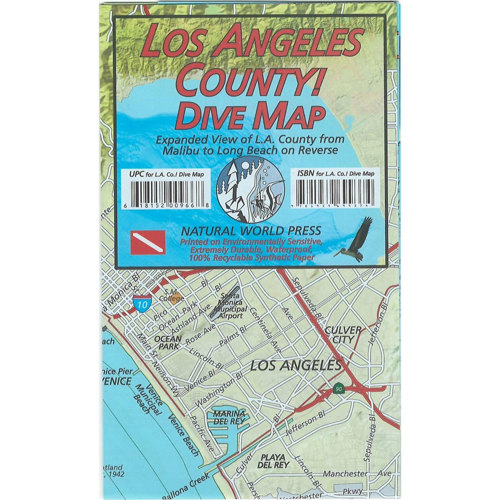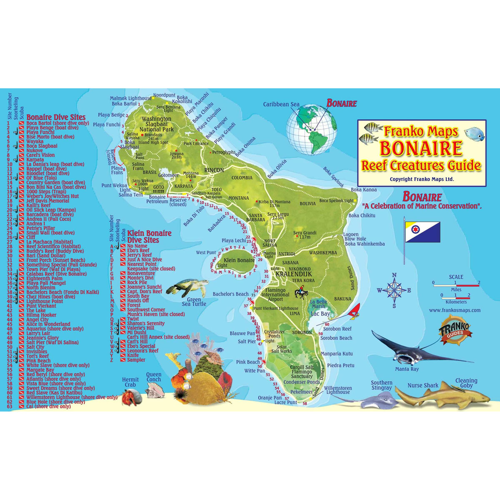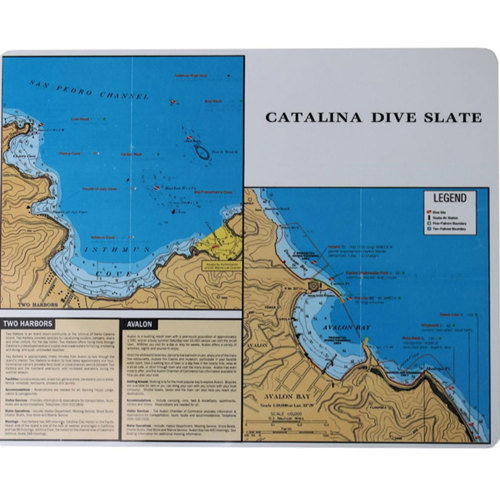
Whether you’re a seasoned diver with hundreds of logged adventures or a new enthusiast just starting to explore the underwater world, keeping detailed dive location logs is an essential part of the scuba diving experience. A well-maintained log not only serves as a personal record of your underwater journeys but also becomes a valuable tool for improving your skills, planning future dives, and sharing memories with fellow divers. As the water warms up in May and diving season kicks into high gear, many divers begin to reflect on past adventures and prepare for new ones—making this the perfect time to consider how you’ll document each unique site, condition, and encounter. Dive location logs are more than just notebooks or digital entries; they’re a comprehensive archive of your experiences, capturing everything from dive site names and GPS coordinates to water temperature, visibility, and current conditions. Recording details like maximum depth, bottom time, equipment used, and even the names of your dive buddies not only helps you track your progress but also provides critical reference points for safety and equipment adjustments on future dives.
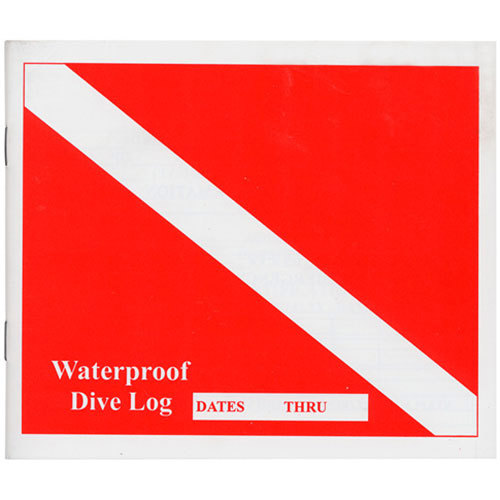
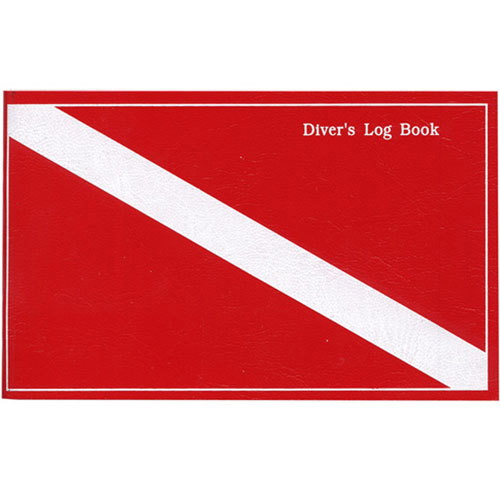
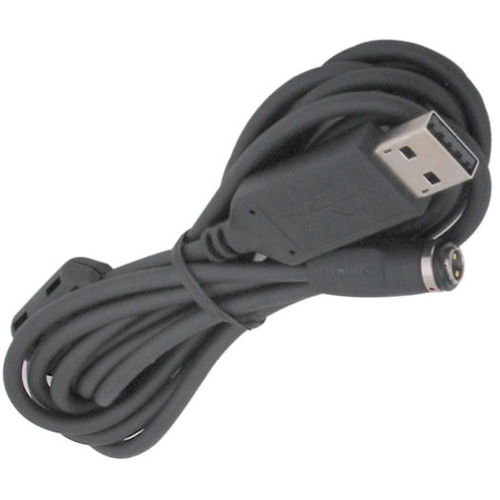
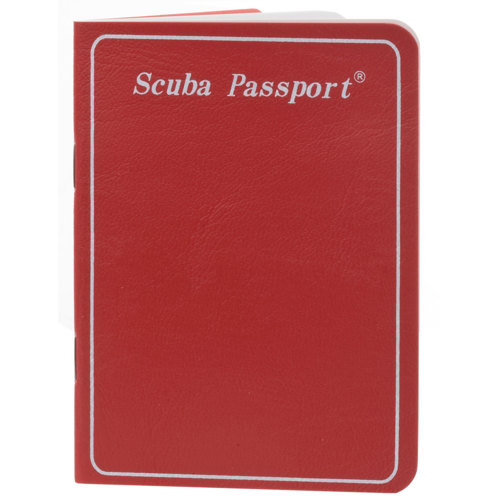
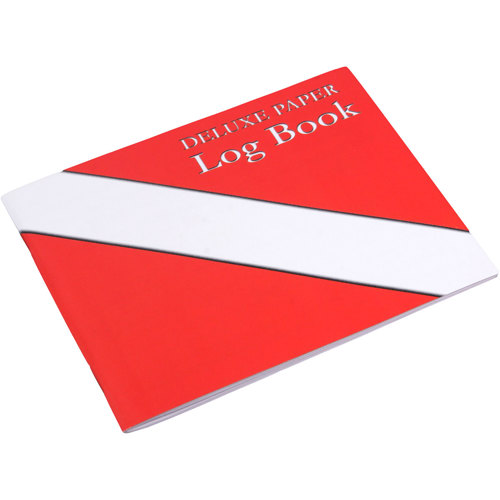
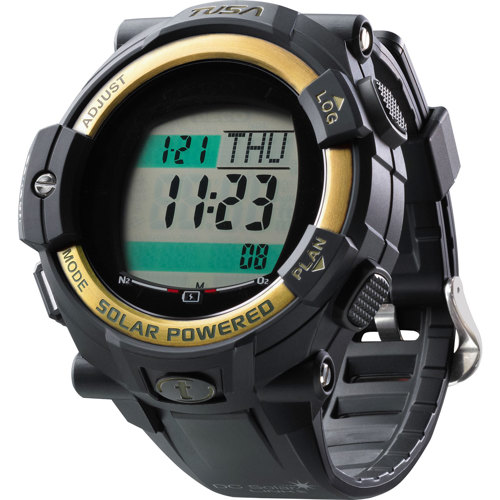
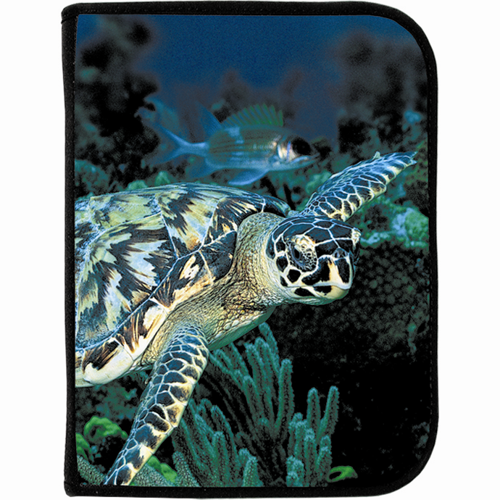
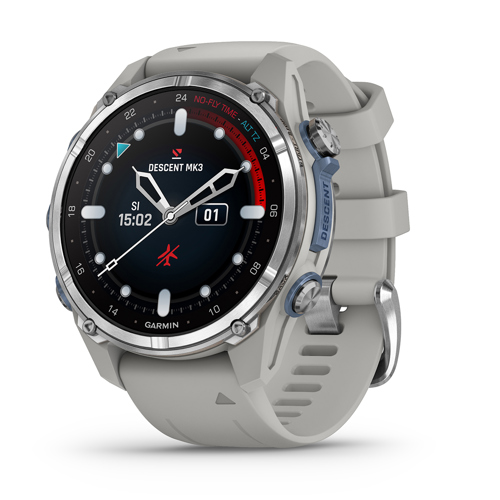
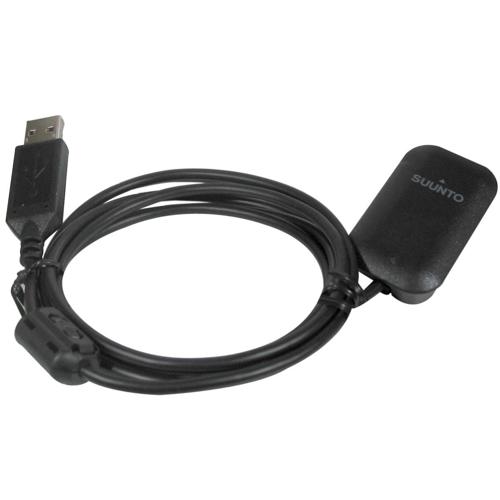
For those who travel frequently or enjoy exploring new destinations, maintaining a detailed log can transform into a treasured travel diary, filled with stories of vibrant coral reefs, mysterious wrecks, and encounters with marine life. These logs are especially meaningful when shared with friends or dive buddies, as they become a collective memory of group adventures and shared milestones. Instructors and dive professionals often rely on meticulous logging for certification purposes, while recreational divers use their logs to track achievements, collect dive center stamps, or simply relive the thrill of a perfect dive. Dive location logs also make thoughtful gifts for birthdays, holidays, or as a congratulatory gesture for someone earning a new certification—offering a blend of practicality and personal sentiment that resonates with divers at every level. Whether you prefer traditional paper logbooks, waterproof journals, or digital apps that sync with your dive computer, the right log format is a matter of personal preference and diving style. Some divers enjoy the tactile routine of writing by hand after surfacing, while others appreciate the convenience and analytical features of digital logging platforms, which can import data, map dive sites, and even connect with buddies online.
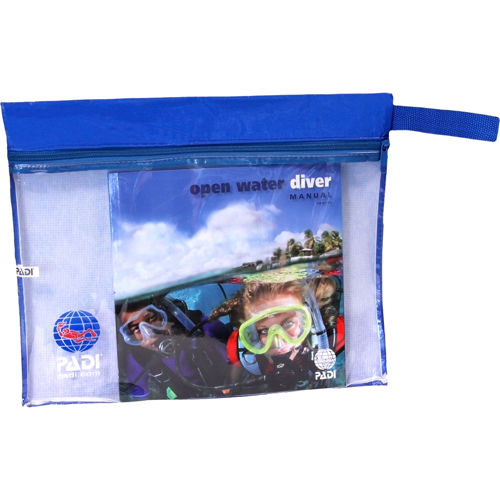
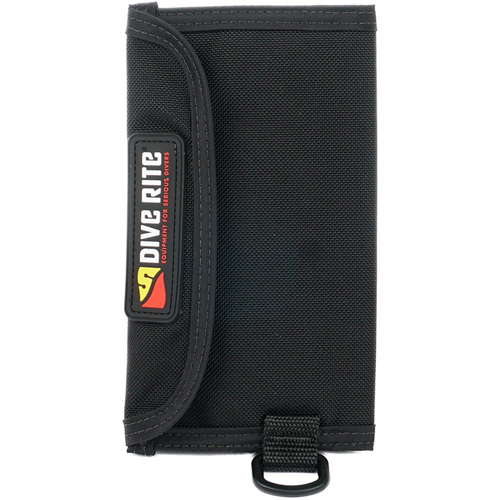
When choosing a dive location log, consider factors such as durability, size, and compatibility with your gear or travel habits. Waterproof materials and compact designs are ideal for those who log dives immediately after surfacing or in remote locations, while digital solutions may appeal to tech-savvy divers who value data tracking and integration with other devices. Look for logs that allow ample space for notes—details about wildlife sightings, weather, or special memories can make each entry more meaningful over time. As you build your collection of logged dives, you’ll notice patterns in your experiences, identify areas for improvement, and develop a deeper connection to the underwater environments you visit. For more insights on the types of data you can track and how to make the most of your dive records, explore our comprehensive guide on
Dive Log Data. Whether you’re logging your first open water dive or chronicling a lifetime of exploration, a reliable dive location log is an indispensable companion on every underwater journey.