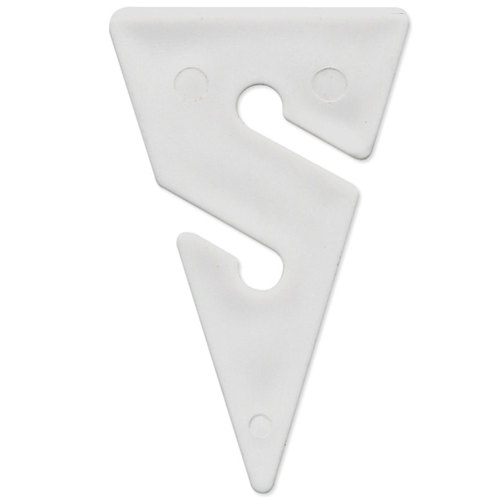
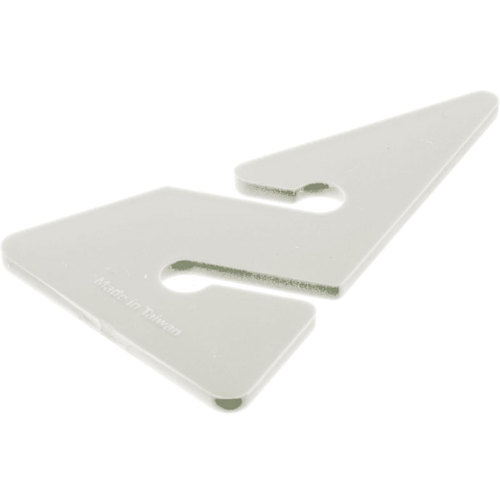
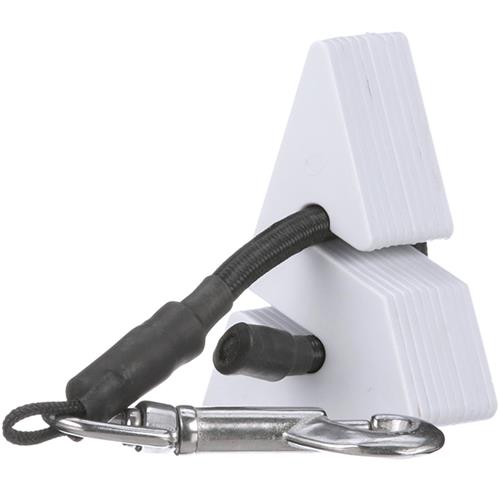
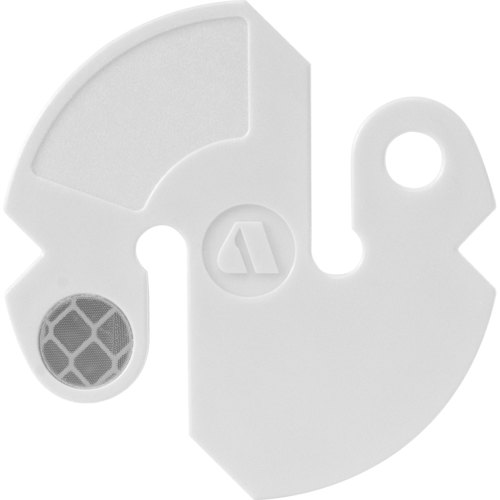
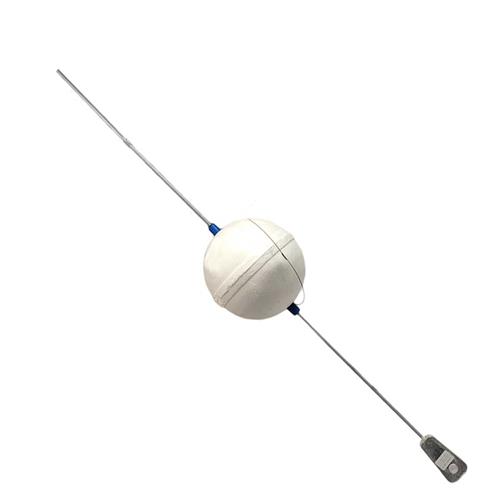
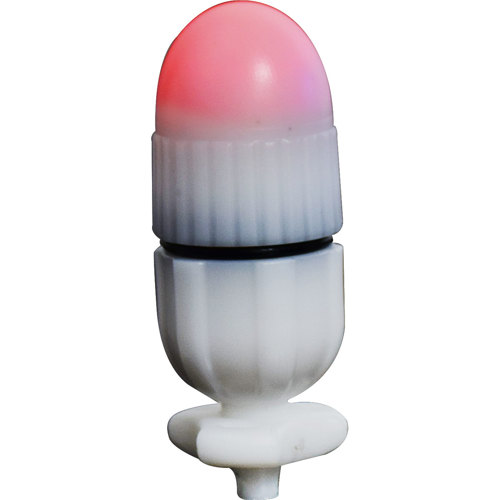
Directional dive markers are essential tools for divers navigating overhead environments such as caves, caverns, and shipwrecks. These markers, often referred to as line arrows, deep dive arrows, or 360 marine directional diver markers, are designed to be easily attached to a guideline, providing a clear and unmistakable indication of the safest route to an exit. Their high-visibility colors and distinct shapes ensure that divers can identify their orientation both visually and by touch, which is especially important during low-visibility situations or silt-outs. As the weather warms and adventure-seekers head out for more advanced dives, the importance of reliable navigation tools becomes even more pronounced. Directional markers are not only a vital safety measure for experienced technical divers but also serve as a practical introduction to overhead navigation for those beginning their journey into cave or wreck diving. Whether you’re part of a team exploring new passages or an individual marking your route during a solo exploration, these markers offer peace of mind and a tangible connection to your path home.
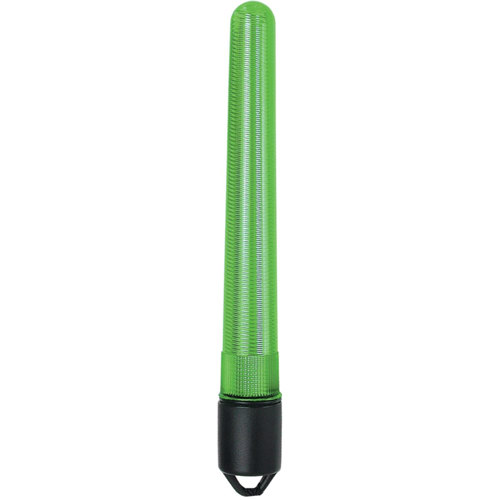
When selecting a dive marker, there are several factors to consider to ensure it meets your needs and enhances your safety underwater. The material should be durable and resistant to corrosion, as it will be exposed to saltwater and varying temperatures. Visibility is another key consideration—look for markers in bright, contrasting colors like white, orange, or even glow-in-the-dark finishes to stand out against dark or murky backgrounds. Many directional markers feature tactile notches or raised patterns, allowing you to confirm direction by feel if visibility drops to zero. Some designs even provide space for personalization, such as initials or team identifiers, which can be invaluable in busy or shared environments. For those planning longer or more complex dives, a combination of directional markers and non-directional cookies can help mark jump lines, team positions, or important waypoints without causing confusion. As always, it’s essential to respect permanent markers placed in established cave systems and to retrieve any temporary markers on your exit to maintain a clear and safe environment for all divers.
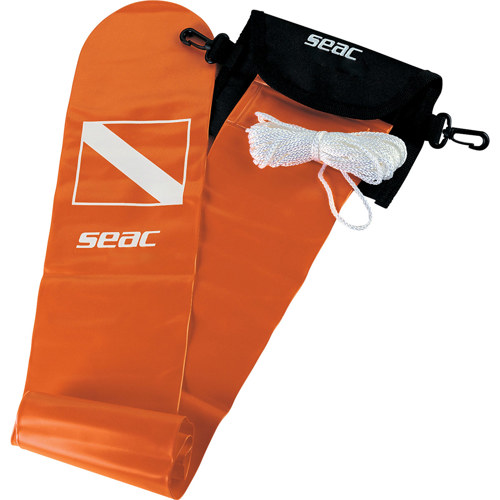
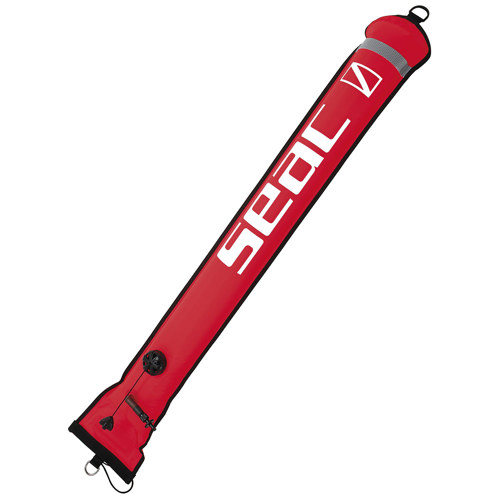
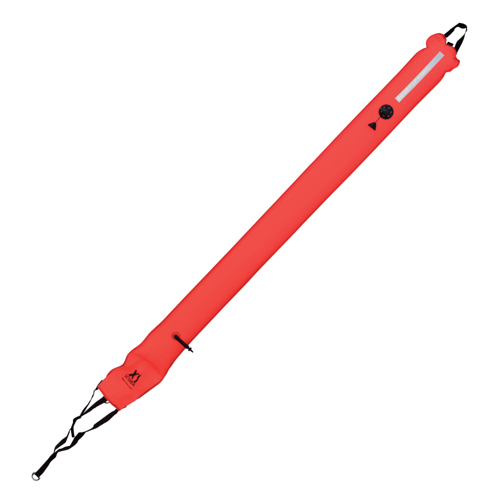
Directional dive markers make thoughtful and practical gifts for the passionate diver in your life, especially for those advancing into technical, cave, or wreck diving. Gifting a set of high-quality directional markers, perhaps alongside a well-organized storage pouch or guideline reel, is a gesture that shows you care about their safety and success beneath the surface. These markers can also serve as a memorable memento for dive buddies after a shared adventure, commemorating a successful exploration or milestone dive. As you prepare for dive trips during the warmer months or plan expeditions for the cooler season ahead, having a reliable set of directional markers in your kit is as important as your mask or fins. For those interested in surface signaling and marking, consider complementing your setup with products from our
Dive Marker Flags page, which offers a range of options for increased visibility and communication above water. Whether you’re a seasoned cave diver or simply looking to enhance your navigation skills, investing in the right diving markers is a step toward safer, more confident underwater exploration.