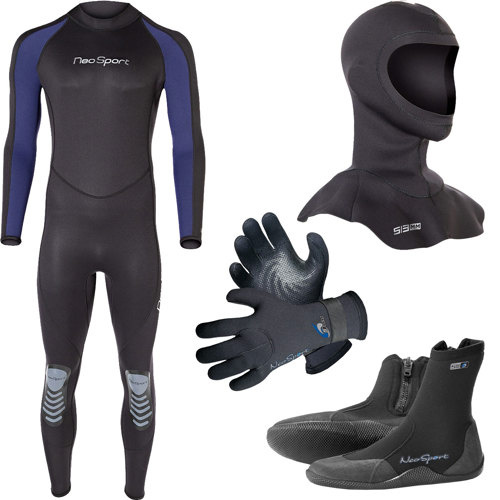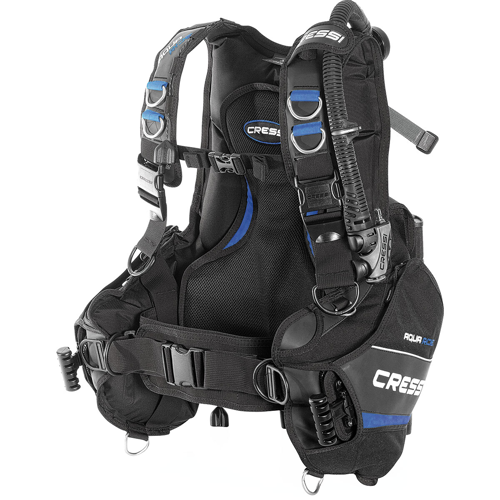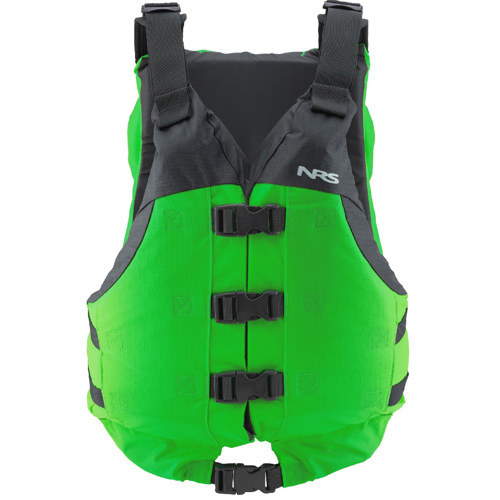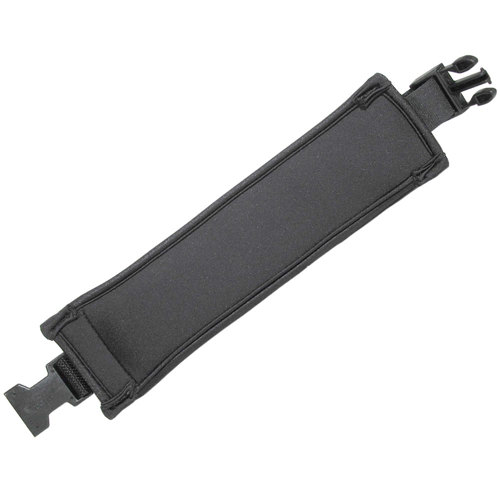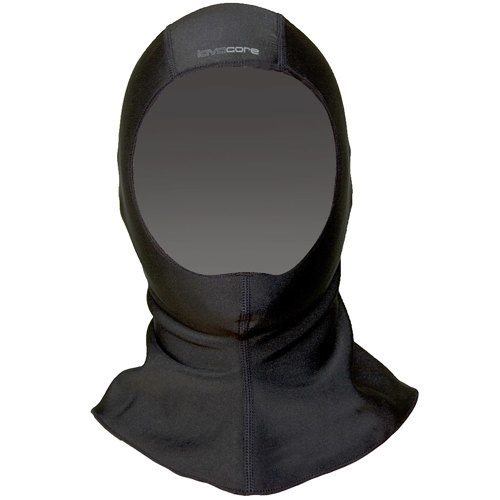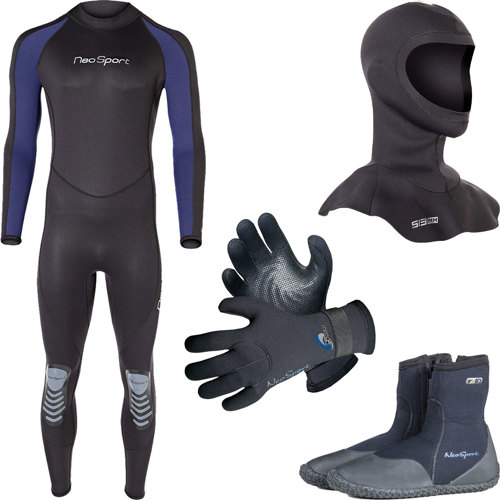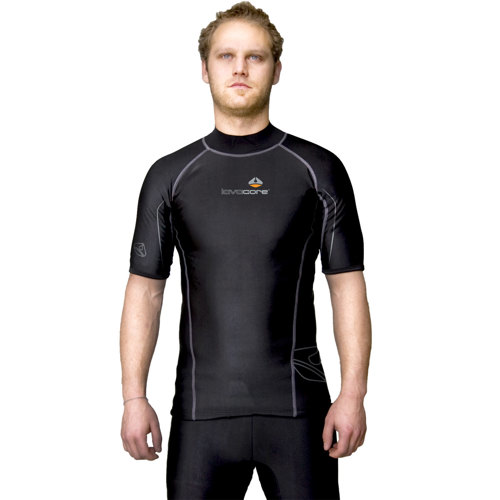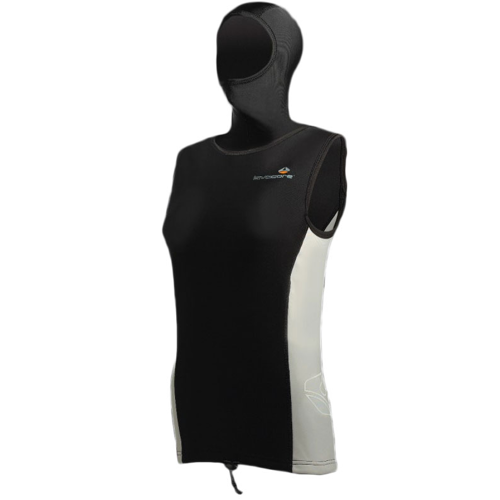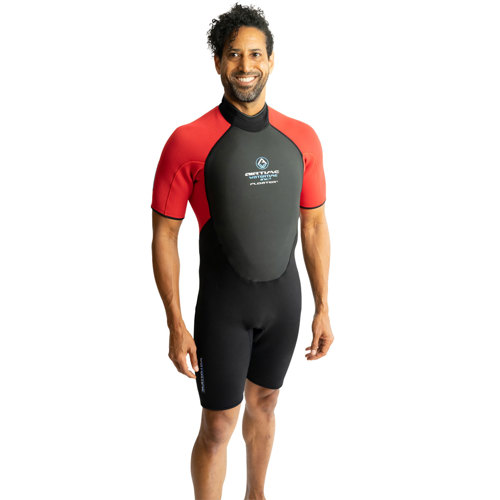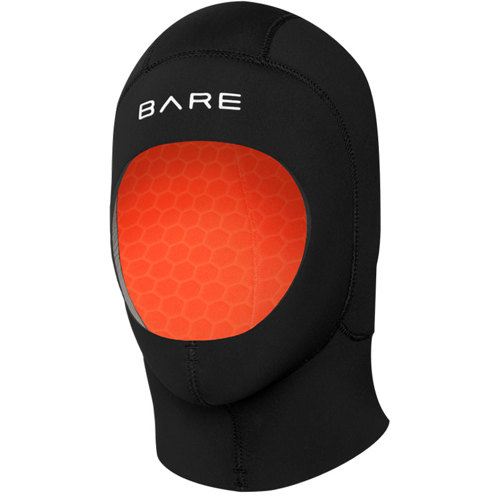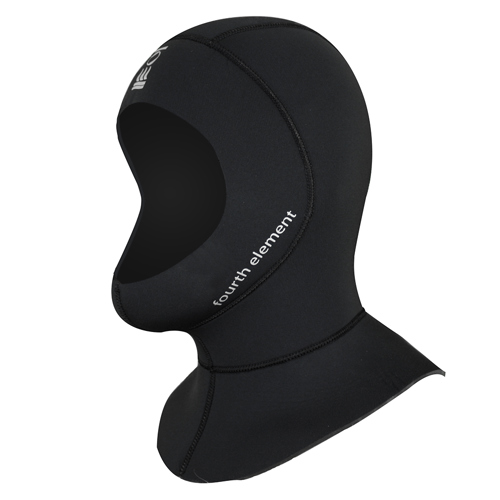
Cold water diving offers a unique set of challenges and rewards, drawing in divers who crave the vibrant marine life, dramatic underwater landscapes, and the quiet solitude found beneath the surface when temperatures drop. Whether you’re exploring kelp forests off the Pacific coast, investigating shipwrecks in the North Atlantic, or simply enjoying the crisp clarity of a mountain lake, understanding and managing buoyancy in cold water is essential. The denser, colder water provides greater natural buoyancy, which can be both a benefit and a challenge—especially when you factor in the extra equipment needed for warmth and safety. Drysuits, thick wetsuits, hoods, gloves, and additional thermal layers all add bulk and inherent buoyancy, requiring careful adjustment of your weighting and trim. For seasoned divers, mastering buoyancy in cold water is a mark of experience; for newcomers, it’s a foundational skill that transforms the dive from a struggle into a graceful glide. Many divers recall their first cold water experience as a lesson in patience and adaptation—fine-tuning weights, adjusting BCDs, and learning to compensate for the squeeze and expansion of air with every change in depth. The satisfaction of hovering effortlessly above a sandy bottom or maneuvering precisely through a rocky crevice is hard-earned in these environments, and the right buoyancy products make all the difference.
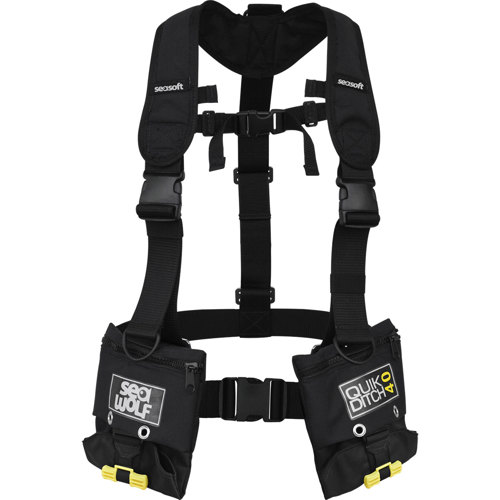
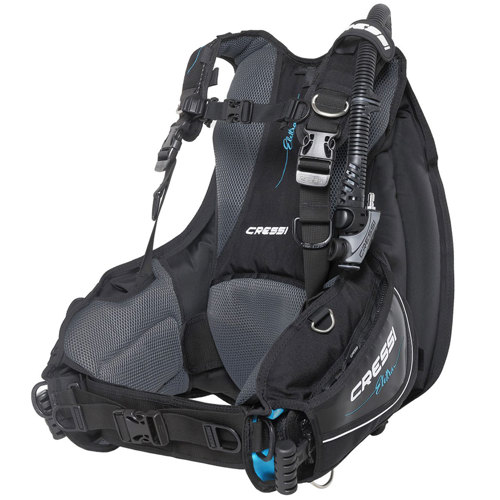
Selecting buoyancy gear for cold water isn’t just about adding or subtracting lead—it’s about anticipating the unique conditions you’ll face. The increased buoyant force of cold water means that the same kit you use in tropical seas may not serve you as well when the mercury drops. Divers often find they need to re-calculate their weighting and consider equipment with greater lift capacity or more precise control. This is especially important for those who carry cameras, lights, or other accessories, as every added item can affect your trim and comfort underwater. Many cold water divers opt for modular systems that allow for quick adjustments on the fly, ensuring they’re prepared for variable conditions, from strong currents to sudden thermoclines. For instructors, rescue divers, or anyone leading groups, having reliable buoyancy control is a matter of safety as much as comfort—helping to prevent runaway ascents, maintain group cohesion, and manage emergencies. Cold water buoyancy products also make thoughtful gifts for the dedicated diver in your life, especially during the summer months when many are planning trips to colder destinations or preparing for the upcoming fall and winter dive seasons. The right wing, harness, or weight system can open up new adventures, enabling divers to explore further and stay longer, with the confidence that comes from precise, dependable buoyancy control.
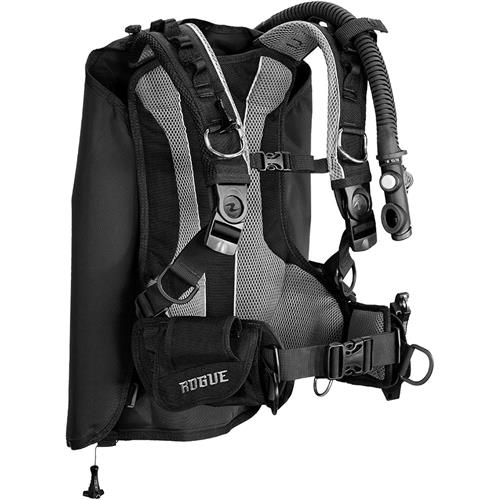
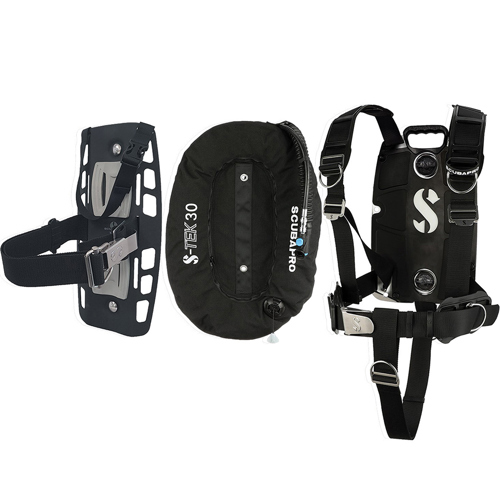
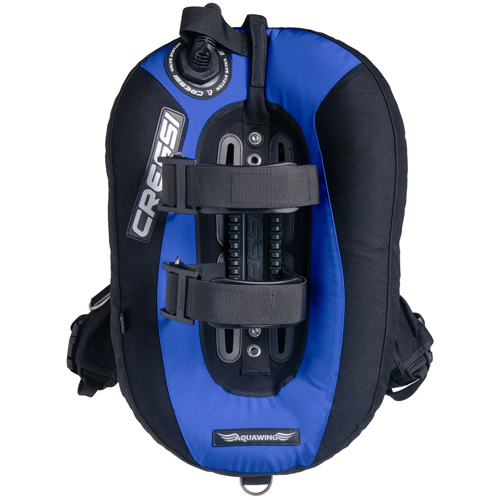
For those seeking even greater stability in challenging conditions, specialized wings and backplate systems offer enhanced performance and adaptability. These products are designed to provide optimal trim and lift, accommodating the extra weight of cold water exposure protection and accessories. Whether you’re a technical diver venturing into overhead environments or a recreational enthusiast exploring your local quarry, upgrading your buoyancy system can dramatically improve your experience. If you’re interested in exploring the full range of options designed specifically for cold water use, including advanced solutions that enhance both safety and comfort, be sure to visit our page on
Cold Water Stability Wings. With the right equipment and a solid understanding of buoyancy principles, every cold water dive becomes an opportunity to enjoy the underwater world at its most vivid and exhilarating.
Top Picks For Cold Water Buoyancy