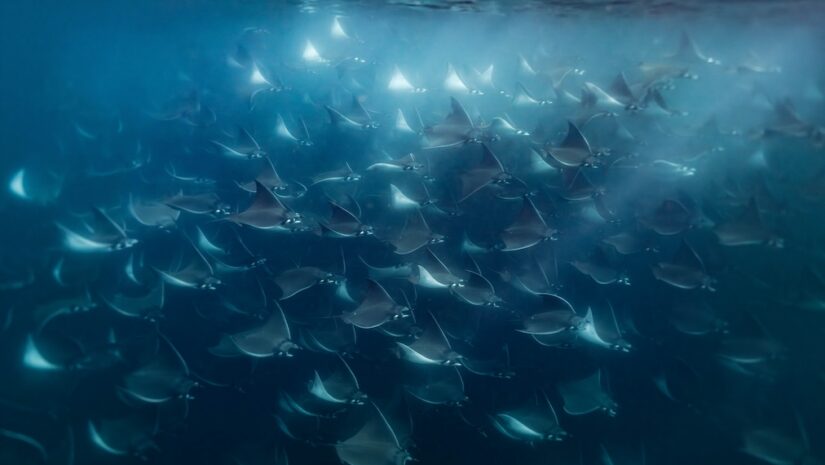
There are certain wildlife encounters that you spend years dreaming about before they actually happen. For me, the mobula rays’ migration in Baja California Sur has been on my diving bucket list ever since I caught a glimpse of them on a family trip to Cabo San Lucas a few years ago.
I only got into the water with them once before the moment passed. However, that single encounter was enough that I needed to come back and experience it properly.
So this past spring, I finally did. I booked a dedicated multi-day expedition to La Ventana specifically for the migration. This is everything I learned and experienced.
What Are Mobula Rays, Exactly?
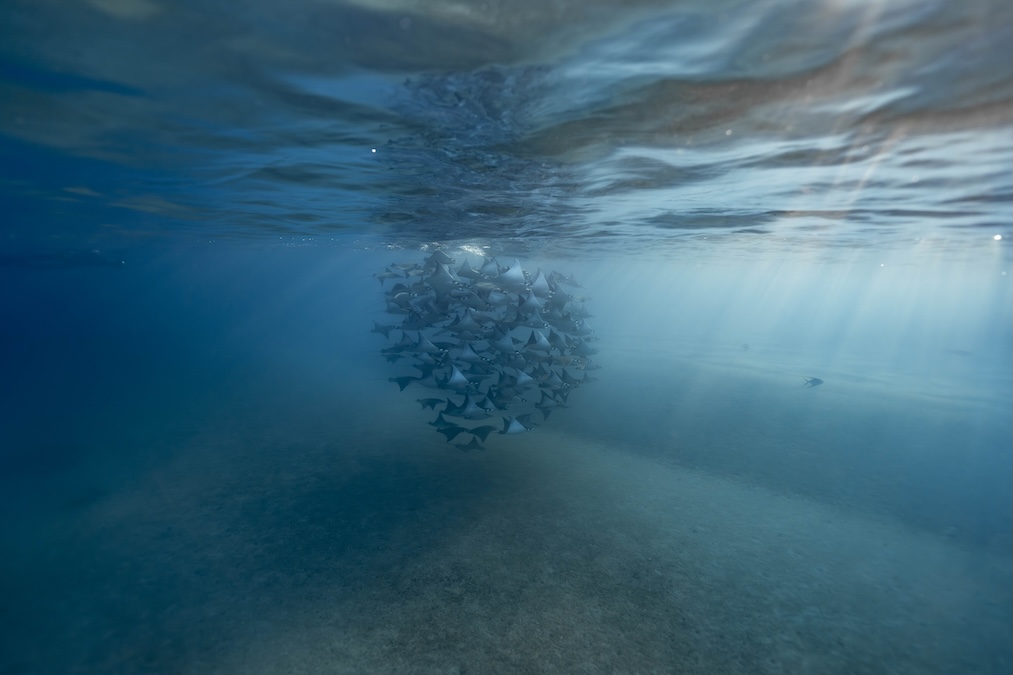
If you’ve never heard of the mobula ray migration, here’s the short version: it’s the largest aggregation of mobula rays anywhere in the world. Every year between April and July, the rays gather in the Sea of Cortez off the coast of La Ventana to feed and breed in the nutrient-rich waters. They’re actually listed as a species of concern on the IUCN Red List due to their very slow reproductive rate, which makes encounters like this feel all the more precious and worth protecting.
Mobula rays are part of the same family as manta rays, but smaller and more acrobatic. Also like mantas, they filter-feed on plankton and small crustaceans. What makes them particularly spectacular (and particularly famous in Baja) is their behavior at the surface. Mobulas are known for leaping straight up out of the water and crashing back down with a loud smack. Nobody fully agrees on why they do this, but the leading theories include communication, parasite removal, and courtship. Whatever the reason, their smacks can be heard before they’re seen.
Five Days on the Water
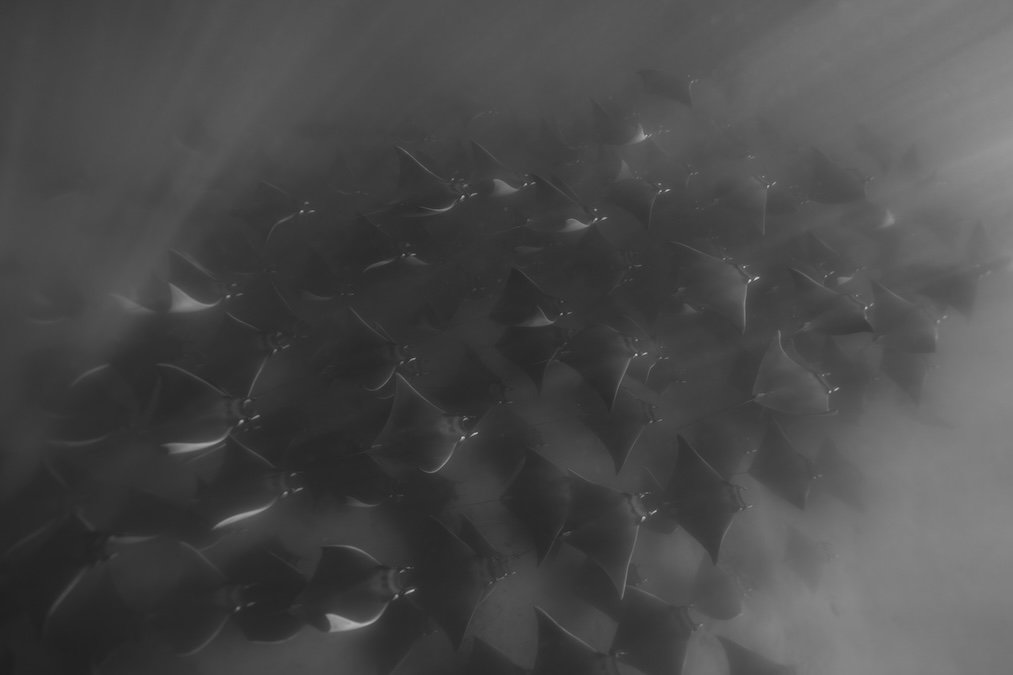
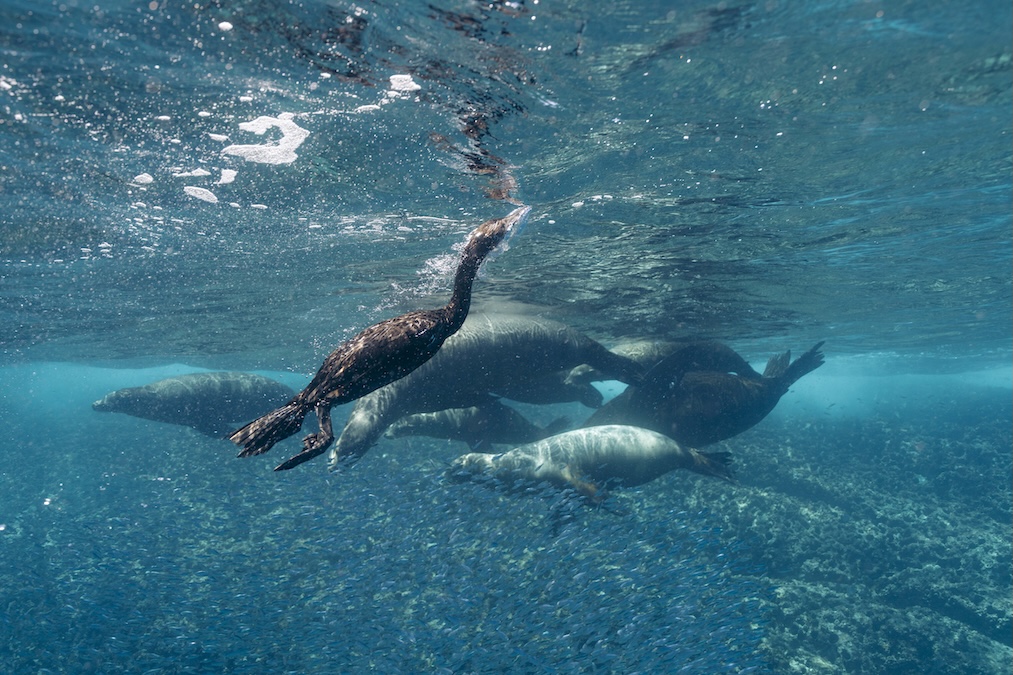
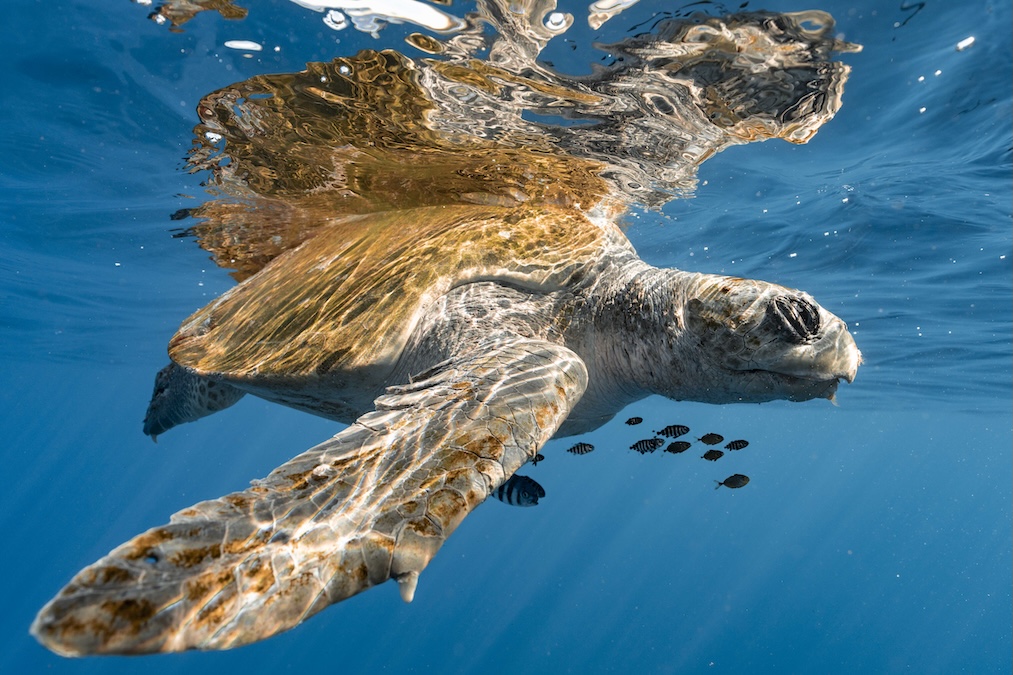
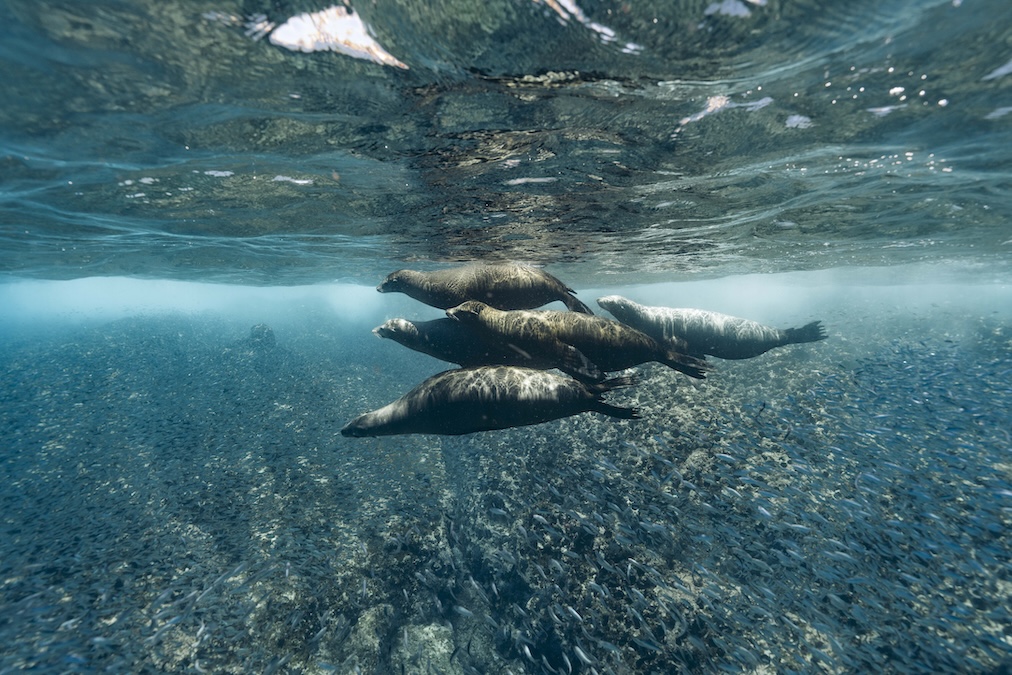
We went out every single day for five days, and what we found was so much more than just rays. Over the course of the week, we encountered silky sharks, sea lions, dolphins, sea turtles, and of course, the mobula rays themselves. Each day brought something different, which is part of what makes this stretch of the Sea of Cortez so special. Jacques Cousteau famously called it “the world’s aquarium,” and spending a week out there, I completely understood why.
Visibility varied day to day depending on the plankton bloom that draws the rays in the first place, so I went in mentally prepared for some sessions in greener, murkier water. Water temperature in late spring sits in the low-to-mid 70s Fahrenheit, which was comfortable in a 2mm wetsuit. The encounters happen in shallow water, often very close to shore. This means you’re snorkeling or freediving rather than scuba diving. The rays tend to stay near the surface, so tanks aren’t really the move here.
Being in the Water with the Rays
This is the part I’ve been trying to find the right words for since I got back — but I also want to be honest about what the experience actually involves, because I think a lot of content about this migration makes it look more effortless than it is.
The rays are sensitive. They’re not like dolphins, who will actively seek out boats and play in the wake. A fever of mobulas can be sitting right beneath you, and if you enter the water too aggressively (too much splash, too much noise, too much urgency) they’ll simply descend into deeper water and vanish. The single most important skill you can bring into the water is the ability to do almost nothing. The best thing to do is float, wait, and let them come to you.
Not every day is going to be a photography day, either. Some days the rays are deep. Some days, the wind comes up and visibility drops. And some days you spend hours on the water and find one fever late in the afternoon with twenty minutes of good light left. That’s nature, and it’s exactly why you need more than one day out there. Five days felt like the right amount of time to have a mix of slow days and genuinely extraordinary ones.
And one more thing worth saying plainly: there is always a small chance of seeing very little. It’s genuinely rare, but weather, currents, and timing can all work against you. Any operator who promises you a guaranteed experience isn’t being honest with you.
What I can tell you is that even the slower days on this trip gave us something worth showing up for. Over five days, we encountered silky sharks, sea lions, dolphins, sea turtles, and of course, the mobulas themselves. The highlight came toward the end of one afternoon, when we found a fever in super shallow, crystal-clear water right as the sun was setting and streaming through the surface. That single moment made the whole trip.
Shooting the Migration as an Underwater Photographer
From a photography standpoint, this was one of the most challenging subjects I’ve ever worked with.
The combination of variable visibility, fast-moving animals, and the need to stay still and non-intrusive means you have to make a lot of decisions quickly and accept that not every shot is going to be what you planned. I was shooting on the Sony a7RV in a Marelux housing, and I leaned heavily on the camera’s subject tracking to keep everything sharp and in focus.
A few things I’d recommend for anyone wanting to photograph this encounter:
- Shoot wide. The story here isn’t one ray — it’s the density, the layering, the chaos and flow of dozens of animals moving together. A wide-angle lens lets you capture that sense of scale that a telephoto can’t get you.
- Embrace the light. On clear days, the sun through the surface creates these incredible light shafts that cut through the water and backlight the rays’ translucent wings. Try shooting upward when you can.
- Adjust your expectations for visibility. Some of my favorite images came from days with murkier water — there’s something atmospheric and almost painterly about shooting rays through a green plankton bloom. Don’t write off a shoot just because the visibility isn’t crystal clear.
Why This Trip Is Worth It
I’ve had the privilege of photographing some remarkable wildlife over the years — humpback whales in South Africa, sardine runs, leopards in the Mara — and the mobula migration earns its place in that list. It’s an encounter that rewards patience and presence over gear and aggression, which feels increasingly rare.
La Ventana itself is also a genuinely special place. It’s accessible enough to reach without an exhausting journey (a short flight to La Paz, then an easy drive), but still feels off the beaten path in all the right ways. The community is warm, the seafood is excellent, and the Sea of Cortez has a quality of light at golden hour that I’ll be thinking about for a long time.
If you’ve been sitting on the fence about whether to make this trip, consider this your sign. Mobula season in La Ventana typically runs from roughly late April through June. Plan accordingly, book with a reputable guide, and bring a wide-angle lens! You won’t regret it.