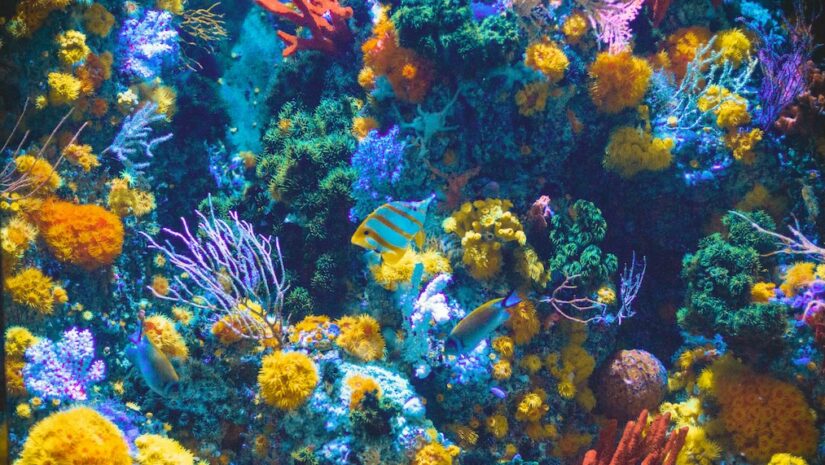
When people think of coral reefs, they often picture multi-colored, unusually shaped corals and vibrant fish of all shapes, colors, and sizes. Many people are not even aware that corals are animals, not plants. And their importance to life on land goes far beyond the aesthetic. People of all nationalities and livelihoods rely on reefs for a variety of reasons. However, most do not understand the huge and important role reefs play in our survival, especially in indirect ways. Unfortunately, this often leads to the careless destruction of reefs. The consequences of which most certainly have a lasting impact on life on land.
Why Coral Reefs Matter
Natural Barriers
One of the most important services coral reefs provide is being natural barriers between the great force of the sea and land. This is why many reefs are referred to as barrier reefs, like Australia’s massive Great Barrier Reef. According to the National Oceanic and Atmospheric Administration (NOAA), coral reefs can act as a buffer by reducing incoming wave energy by up to 97%. This protects shorelines and helps to slow erosion. This means that many people around the world can safely live on islands or along coastlines. Although even a coral reef can’t completely stand up to the most extreme storms, they do aid substantially in cushioning the land, protecting both lives and property.
Life Support

Coral reefs are also vital to life on land because of the absolutely astounding variety of life they support. While some of this life will never play a direct role in life on land, other types of marine life found in reefs are essential to human existence and livelihoods. The United Nations estimates that over 275 million people worldwide make their living and find their primary food sources — such as fish, shrimp, and mollusks — directly from reefs. Although unsafe practices of collection and fishing can severely harm reefs, responsible practices can benefit not only human life but reef life as well, by maintaining a balance within the ecosystem.
Economy
The ocean’s coral reefs account for a massive portion of tourism dollars for many nations worldwide. This contributes tens of billions of dollars to the global economy annually. Many countries, particularly Small Island Developing States, rely heavily on tourists who travel from all over the globe to snorkel or dive at a reef. When reefs are lost, there are thousands of jobs and millions of dollars that are washed away with them. Without this economic engine, many coastal communities face severe economic hardship, leading to drastically reduced local resources, elevated poverty levels, and threatened food security.
Medicine
And one of the most exciting ways in which coral reefs are vital to life on land lies in the potential for improved health and medicinal cures that are derived from a reef’s many different organisms.
Often referred to by NOAA as the “medicine cabinets of the 21st century,” it is known that the huge array of marine life within a reef holds the key to different medications. Scientists and doctors are currently shifting their attention to studying reefs, discovering that compounds from reef-dwelling creatures can be used to treat seemingly incurable diseases, including certain cancers and bacterial infections. By looking for clues in the ocean — from which all life on this planet originated — we are finding ways to heal the human race.
Rising Threats to Coral Ecosystems
Unfortunately, human activities threaten coral reefs worldwide. Climate change warms the ocean waters, and this rapid warming causes widespread coral bleaching. During a bleaching event, stressed corals expel the symbiotic algae living in their tissues, which strips them of their color and their primary food source. Furthermore, ocean acidification weakens coral skeletons. The ocean absorbs excess carbon dioxide from the atmosphere. This process lowers the water’s pH level. Consequently, corals struggle to build their hard calcium carbonate structures. Pollution from land-based sources also chokes reef ecosystems. Agricultural runoff carries harmful fertilizers into the sea, triggering massive algae blooms that block sunlight and suffocate the corals below.
Conservation and Restoration Efforts
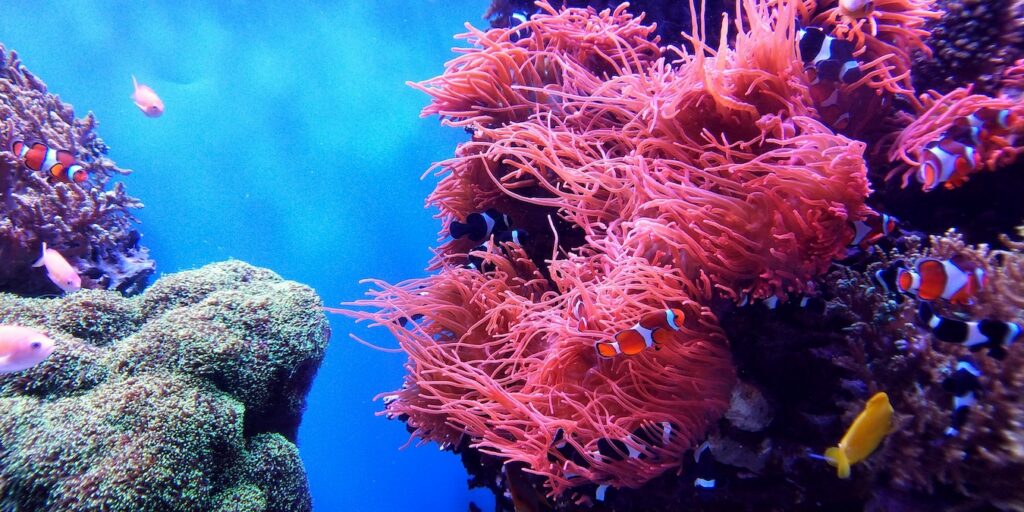
Fortunately, scientists and local communities fight back against these threats every day. Marine biologists grow resilient coral fragments in underwater nurseries. Later, they actively transplant these healthy corals onto damaged reefs to speed up recovery. In addition, governments establish Marine Protected Areas (MPAs). These MPAs restrict destructive fishing practices and limit harmful boat traffic, giving the ecosystems a safe space to rebound. Furthermore, ordinary citizens play a crucial role in reef conservation. Individuals reduce their carbon footprint to slow global warming, and conscious travelers choose eco-friendly reef tours that prioritize animal welfare. Ultimately, everyone must take action to preserve these vital underwater worlds.
Indeed, coral reefs are vastly important to all those who live on land. But equally important are we to corals, to ensure that they are protected and encouraged to flourish so that all may benefit from our incredible symbiotic relationship.