Happy Earth Month (and advance Happy Earth Day), fellow ocean lovers!
April is usually the time of year when everyone finally pauses to celebrate Earth Day and think about our amazing planet. But let’s be real… for us scuba divers, every single month is lowkey Earth Month. Turns out spending your weekends breathing underwater and just vibing next to sea turtles makes it pretty hard to not care about the environment.
That said, getting to witness all this underwater magic in real life comes with a unique responsibility. So, let’s take a collective deep breath and dive into how our everyday choices actually impact the big blue world we love so much.
The beauty we see vs. the reality we face
People call coral reefs the “rainforests of the sea” and it’s actually for a legit reason. Even though they cover less than one percent of the ocean floor, they somehow support about a quarter of all marine life.
Reefs aren’t just there to look dope on your camera roll, though. As you might know, they are vital for our survival on land because they protect coastlines from heavy storms and provide jobs for millions of people. If you want to geek out a bit more on why these ecosystems are an absolute game-changer, check out exactly why protecting them matters and how much they actually support us.
Unfortunately… it’s not all smooth sailing right now. Our reefs are facing some serious threats. Between rising ocean temps and heavy coastal development, a lot of these underwater ecosystems are struggling.
For instance, we’ve seen firsthand in the Cayman Islands just how fast things can go south when habitats get threatened by human activity. Alas, it’s a harsh reminder that this paradise is super fragile, and we definitely can’t take it for granted.
Your impact starts before you splash in
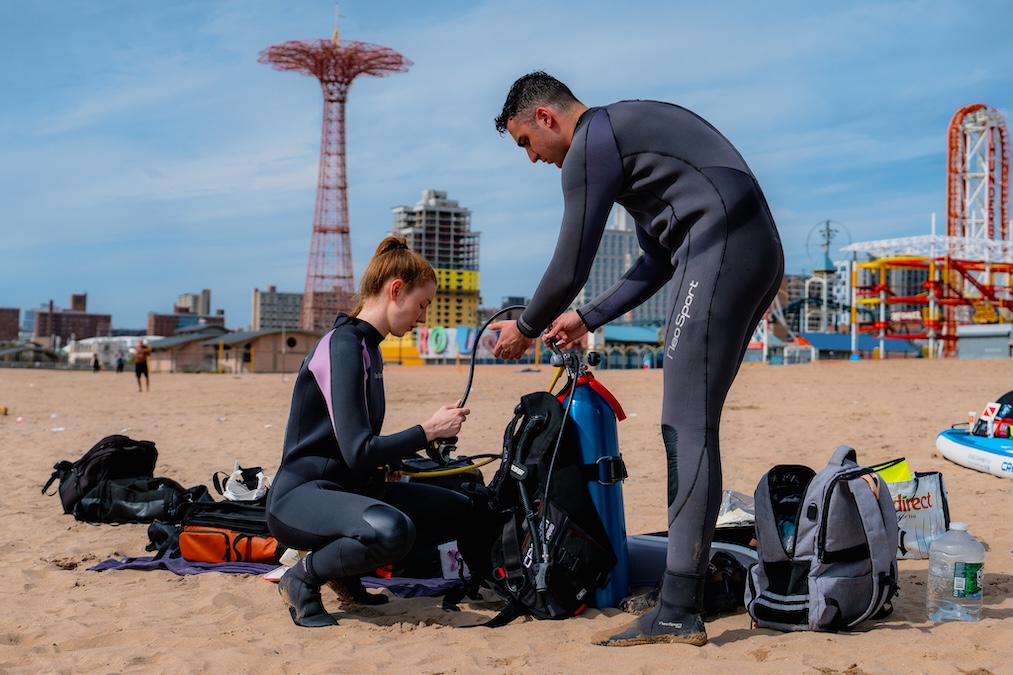
Believe it or not, being a sustainable diver starts way before you even leave your house for an Earth Day beach clean-up. Just take a second to think about the everyday stuff you use. Plastic pollution is undeniably one of the biggest crises our oceans are dealing with today. Every single year, millions of tons of plastic end up in the sea, totally wrecking the wildlife we love to dive with. The good news, however, is that you can easily be part of the solution just by tweaking a few daily habits. Such as learning about which common plastics to avoid in your daily life.
Furthermore, when it comes to the plastic you do use, make sure you know exactly how to toss it. Recycling can honestly be surprisingly tricky. Throwing the wrong items into the blue bin (…what people call “wishcycling”) can actually cause way more harm than good. So, don’t fall for the common traps; instead, brush up on your facts by reading up on common recycling myths.
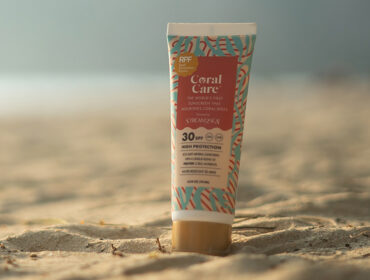
On top of that, what you pack in your dive bag is a huge deal. Did you know regular sunscreen can be incredibly toxic to the reefs? Nasty chemicals like oxybenzone cause coral bleaching and literally poison young corals. Simply swapping out your lotion is a 0 effort way to protect the exact reef you’re about to explore. You can learn exactly what ingredients to look out for in our guide to reef-safe sunscreen.
Making waves under the surface
Alright, so once you finally backroll off the boat, your actions dictate the health and vibe of the dive site. Dialing in your buoyancy is hands-down the best skill you can have as an eco-friendly diver. Kicking up a sandstorm smothers delicate corals, and clumsily bumping into a reef can easily snap off a piece that took decades to grow. Because of this, staying streamlined and keeping your hands to yourself is the best way to ensure the reef stays pristine. For a quick refresher on leveling up your underwater habits, read up on some tips for being a better diver.
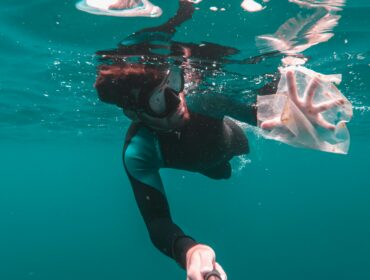
But hey, you don’t just have to stick to the “leave no trace” rule! You can actually leave the ocean way better than you found it. Make it a habit to safely snag rogue bits of trash or fishing line you spot during your dive.
Seriously, if every diver picked up just one piece of trash per tank, the collective impact would be massive.
Be an ocean ambassador
At the end of the day, the most powerful tool you have for protecting the ocean is your voice. Think about it: most people on Earth will never, ever breathe underwater. They won’t get to see a manta ray effortlessly glide past them or watch a tiny clownfish fiercely defend its anemone. People protect what they love, and they can’t love what they don’t even know exists. Therefore, it is totally up to us to share the ocean’s story with the surface world.
Photography is a seriously amazing way to do exactly that. A single killer shot of marine life, or even a gritty picture showing the harsh reality of ocean pollution, can inspire hundreds of people. And no, you don’t need to be a pro with a massive camera rig to make an impact. But if you want some major inspiration, definitely look into some marine conservation photography to see what’s possible. Sharing your underwater memories and stories with friends and family helps build a global community that actually cares about the sea.
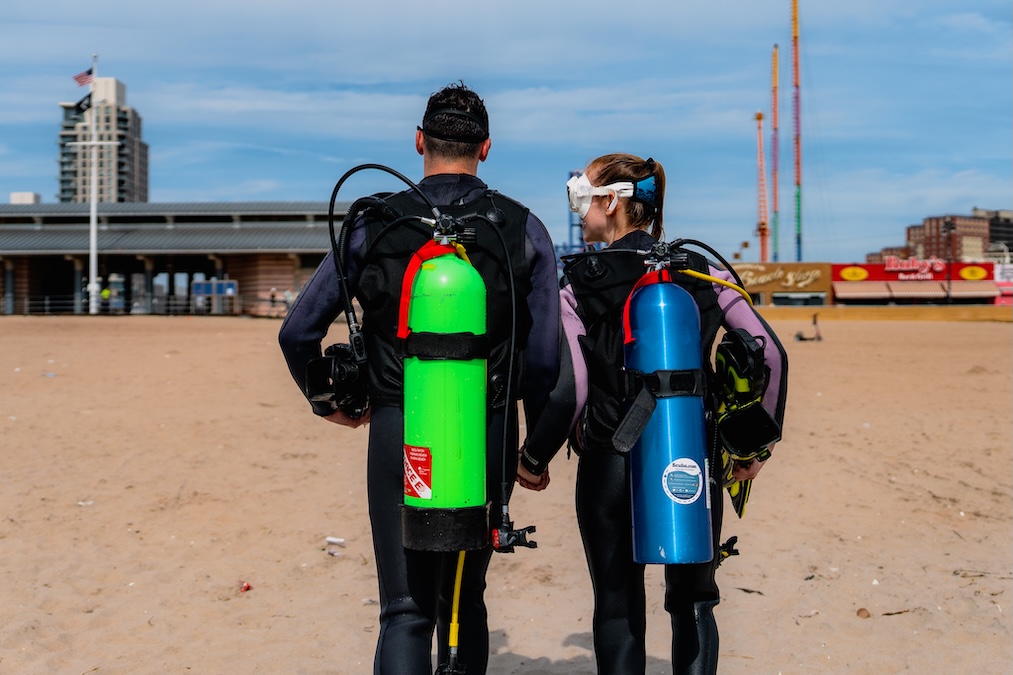
Let’s make every dive count
As Earth Day rolls around on April 22 this year, let’s challenge ourselves to step up our game. Let’s double-check our sunscreen labels, officially ditch the single-use plastics, perfect our buoyancy, and grab any stray trash we see on the reef.
The ocean gives us so much peace and adventure. It’s about time we make sure every single dive gives a little something back.