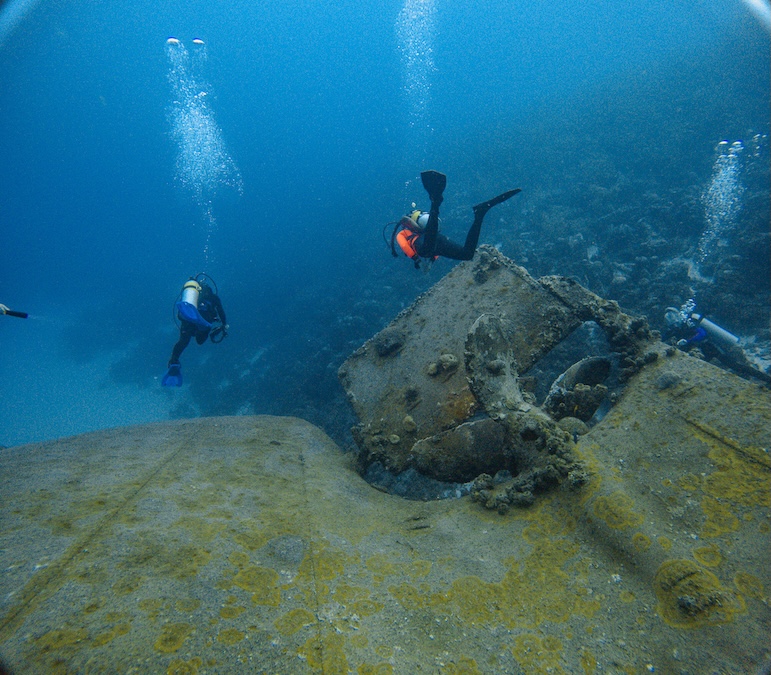
There’s something hauntingly beautiful about wreck diving. Beneath the surface lies a frozen moment in time – cargo still in place, machinery rusting in silence, and marine life weaving through twisted steel or timber.
Each wreck tells a story, from wartime tragedies to forgotten trade routes, and diving it is like flipping through the pages of a living, underwater history book. But to truly appreciate and safely explore these submerged relics, a little research and a lot of respect go a long way.
What is Wreck Diving?
Wreck diving is the exploration of sunken ships, aircraft, or artificial structures underwater, offering a unique blend of adventure, encounters with marine life, and historical interest.
Divers can experience submerged history firsthand, with many wrecks acting as artificial reefs teeming with life.
Most recreational wreck dives range between 10 and 40 metres, although some lie far deeper. Some wreck diving sites are suitable for external viewing, while others require penetration into the structure, which necessitates additional training.
While wreck diving can be enjoyed by certified open water divers, most operators recommend or require:
- Advanced Open Water certification to dive deeper than 18 metres
- A Wreck Diver specialty is needed if you plan to enter the wreck
- Strong buoyancy and underwater navigation skills
- A reliable torch and a cutting tool in case of entanglement
Wreck diving carries some specific risks, including sharp edges, poor visibility, overhead environments, and depth-related challenges. With the proper preparation, equipment, and training, these risks can be safely managed, making wreck diving a rewarding experience for adventurous divers.
How to Research a Shipwreck Dive
Wreck diving is more than just swimming around a sunken vessel, because knowing what you’re looking at helps you stay safer, more aware, and more connected to the dive. A little planning before you hit the water can make all the difference.
Learn the Backstory
Understanding how and why a ship sank gives you a mental map before you descend. When you know the vessel’s story, you’re able to recognise structures, imagine life aboard, and respect the site as more than just scenery.
Start with:
- What kind of vessel was it? For example, military ships often have a clear structure, whereas cargo vessels may be more disorganized or have a scattered layout.
- Why did it sink? Was it a wartime casualty, storm wreck, accident, or scuttled as an artificial reef?
- When and where? The wreck’s age and position help you understand what remains and what conditions shaped it
Where to look:
- Wrecksite.eu has extensive global records with coordinates, history, and dive notes
- NOAA’s Wrecks and Obstructions Database covers U.S. waters in detail
- Local dive shops often have the most in-depth knowledge about nearby wrecks, including their layout, hazards, and how the site changes over time.
Assess the Site
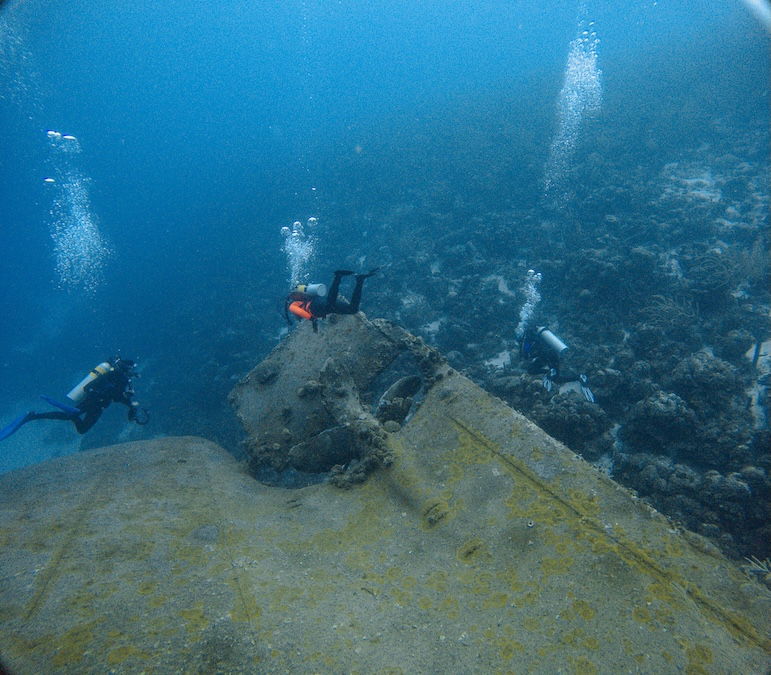
Once you understand the wreck’s background, it’s time to figure out how you’ll approach the dive. Planning this helps you choose the right gear, avoid surprises, and make the most of your bottom time.
Check:
- Depth: Ensure it matches your certification level and experience.
- Structure and layout: Know whether it’s intact, collapsed, or partially buried
- Entry and exit: Some dives are guided by descent lines, others require free descent or drift entry
- Visibility and currents: These affect how safely and how long you can explore
- Marine life: Wrecks often host species like barracuda, groupers, and nudibranchs, making certain areas more photogenic or fragile
Ask the dive operator for site briefings, photos, or diagrams if they’re available. These visuals help you mentally map the wreck and identify landmarks or hazards underwater.
Respect Regulations and the Wreck
Some wrecks are protected by heritage laws or considered war graves. Others have no formal protection, but still deserve care and attention.
Before you dive:
- Check access rules: Some wrecks require permits or are off-limits for penetration dives
- Know your limits: Do not enter enclosed areas unless trained correctly in wreck penetration.
- Leave the site untouched: Avoid collecting artifacts, disturbing marine life, or damaging fragile parts of the wreck.
Your dive centre should help you navigate any legal or ethical considerations, but it’s always worth double-checking. Even a small action can have a long-term impact on a historic site.
Preparing for a Wreck Dive
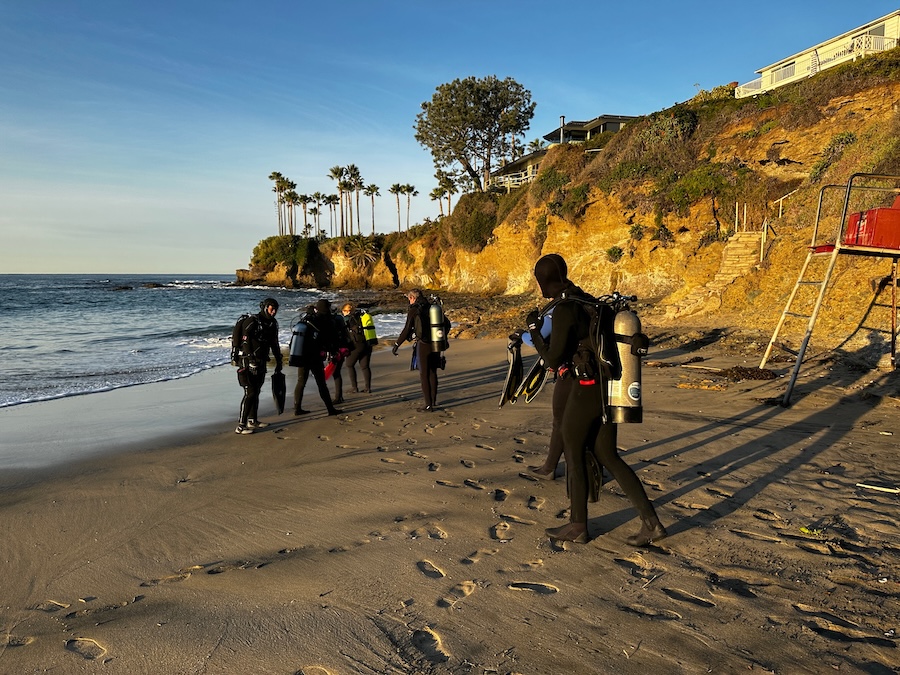
Exploring a shipwreck is a very different experience from drifting over a reef or descending onto a sandy bottom. Wrecks are unpredictable, often fragile, and can be disorienting without the proper preparation. Thinking ahead makes your dive safer, smoother, and far more rewarding.
Training and Experience
Most recreational wreck dives don’t require technical qualifications, but they do demand confidence and control. Many operators recommend an Advanced Open Water certification and a minimum of thirty logged dives. That provides you with the situational awareness and buoyancy control necessary to dive around large structures without damaging them or yourself.
If you’re entering the wreck, training is not optional. A Wreck Diver course will teach you how to lay a guide line, handle silt-outs, and maintain orientation in enclosed spaces. Even if the entry looks easy, penetration dives carry real risks and should only be attempted with the proper skills and kit.
Some wrecks also sit deeper than thirty metres, so Deep Diver certification may be required before you’re allowed to descend.
Mental Preparation
Wrecks can test your mindset. The shadows are deeper, the outlines unfamiliar, and the environment less forgiving than a reef. You might feel anxious or disoriented at first, so preparing mentally is just as important as checking your gear.
Talk through the plan with your buddy before entering the water. Know where you’ll descend, how far you’ll go, and when you’ll turn back. Agree on hand signals and make sure both of you are clear on emergency procedures. If you’re planning to enter, discuss how you’ll communicate and follow the line. Diving a wreck takes focus, and that starts long before you’re in the water.
Equipment Essentials
Wreck diving builds on your standard scuba setup, but there are a few extras that make a big difference. A reliable torch is essential for peering inside or navigating darker areas. Even if you’re not entering the wreck, carry a backup in case your primary fails.
A guideline and reel are crucial if you’re going inside. They help you stay oriented and find your way out if visibility drops. Carry a cutting tool where you can reach it easily, especially on older wrecks where nets, wires, or rusted debris could snag your gear.
Gloves protect your hands against sharp edges, and thicker exposure suits are often needed for deeper or longer dives. On complex dives, some divers carry a redundant air source for extra safety.
What Happens If You Find a Shipwreck?
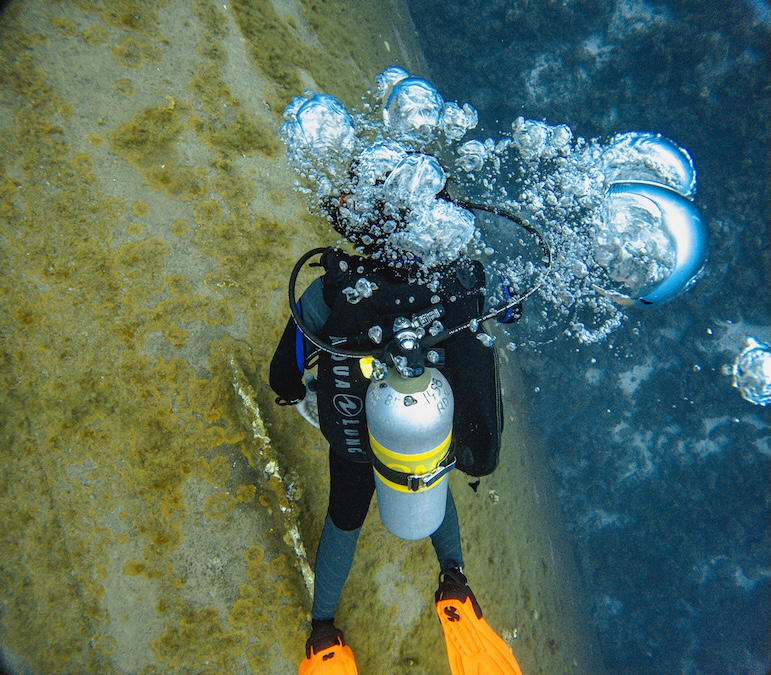
Coming across a shipwreck can be an unforgettable moment, but it also comes with responsibility. In most places, you can’t just claim it or take something home. Here’s what you need to know if you discover a wreck while diving.
You May Be Required to Report It
In many countries, divers are legally obligated to report shipwreck finds. For example, in the UK, any wreck material recovered must be reported to the Receiver of Wrecks within 28 days. In the U.S., the Abandoned Shipwreck Act protects most wrecks found in state waters. Regulations vary, so it’s essential to check the laws in your region before you dive.
You Can’t Just Keep What You Find
Even small objects can be protected by law. Items like pottery, coins, or parts of a vessel may hold cultural or historical significance. Removing artefacts without permission is often illegal and can cause long-term harm to the site, robbing future divers, researchers, and historians of valuable context.
Protected Wrecks Have Restrictions
Some shipwrecks are designated as war graves, protected heritage sites, or archaeological zones. These may come with rules around diving access, anchoring, photography, or even approaching the wreck. Always check with local authorities or trusted dive operators before planning a visit to a known wreck site.
You Can Still Dive It Respectfully
Responsible wreck diving is encouraged in many places, as long as it’s done carefully. Avoid touching delicate structures, watch your buoyancy, and steer clear of enclosed spaces unless you’ve had proper training. Most importantly: take nothing but pictures, leave nothing but bubbles.
Your First Step Should Be to Contact the Authorities
If you believe you’ve discovered a previously undocumented wreck, the right thing to do is to report it to local maritime authorities or an underwater archaeology office. This helps ensure the site is preserved and may lead to scientific exploration or protection efforts. You could end up making a lasting contribution to history.
Become the Storyteller
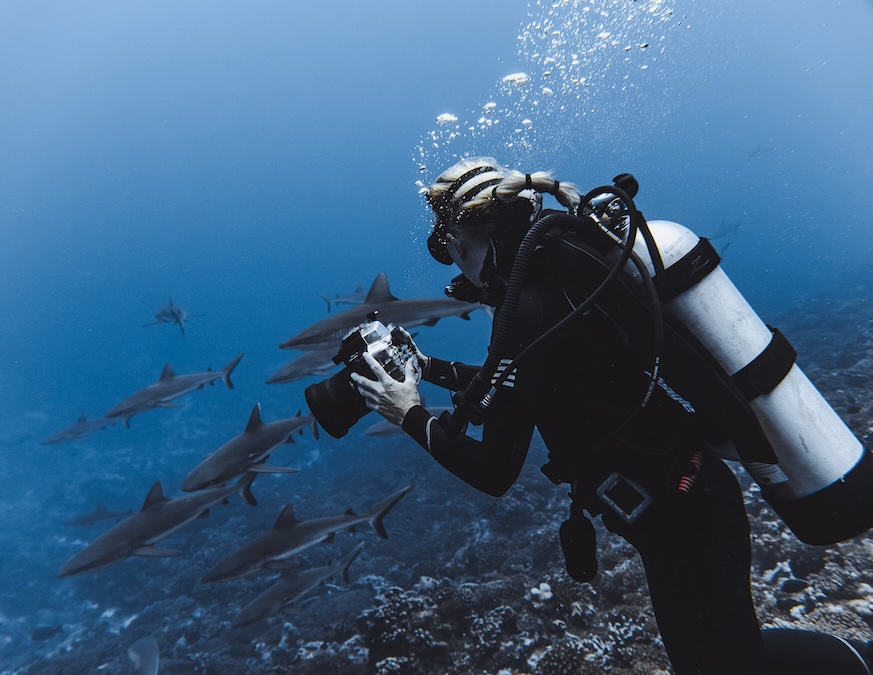
One of the most rewarding parts of wreck diving comes after the dive, when you get to share the story of what you saw and felt down there. Shipwrecks aren’t just structures on the seafloor; they’re pieces of history. Someone built that vessel, sailed it, worked on it, and in many cases, went down with it. Telling its story keeps that history alive.
Start by writing down what stood out to you: the shape of the wreck, any visible features like winches, lifeboat davits, or cargo holds, and how marine life has claimed the space. If you took photos or video, even better, but don’t worry if you didn’t. Words alone can be powerful when describing the eerie stillness of a sunken ship or the way the light hit the deck at 30 meters.
Weave in what you learned from your pre-dive research. Knowing the wreck’s name, its final voyage, or the reason it sank adds meaning to what you experienced underwater. Perhaps you spotted a detail that directly connects to its story, such as a broken mast, a rusted anchor, or an engine room frozen in time.
Whether you’re posting online, logging the dive for yourself, or chatting with your dive buddies over dinner, tell the story in a way that honours the wreck. It’s not just about where you went and how deep, it’s about what the wreck represents and why it matters.