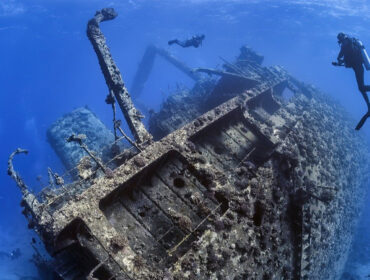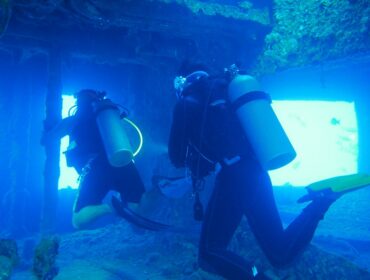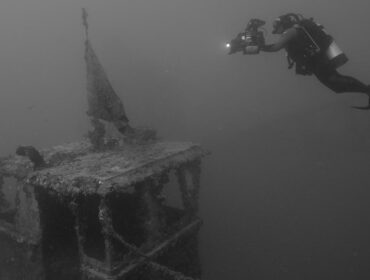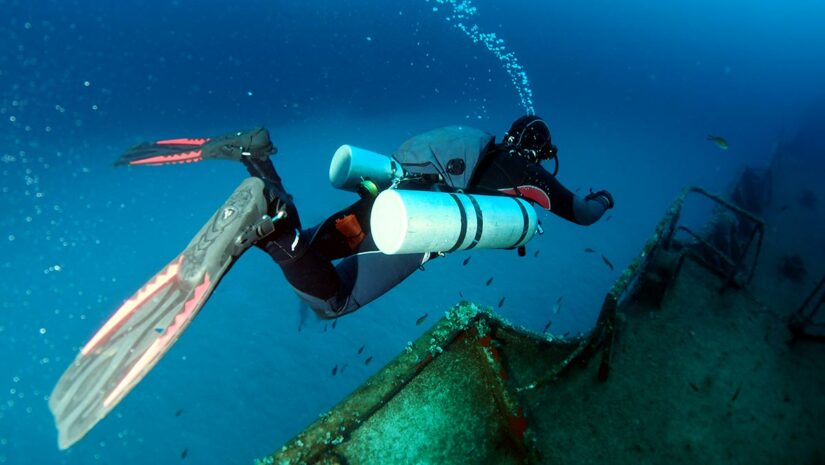
Wreck diving isn’t just about exploring sunken ships; it’s about stepping into stories frozen in time. Whether it’s a WWII battleship or an old cargo vessel overtaken by coral, each wreck is a living museum waiting to be discovered. A wreck diving specialty gives you the skills to dive these sites safely, confidently, and respectfully. If you’re looking for your next scuba adventure, this specialty might just open the hatch to something unforgettable. Let’s take a look at the top reasons why you should choose wreck diving for your next specialty and what to expect from the course.
- Explore Underwater History
- Every wreck has a story… whether it was sunk intentionally for divers or lost in battle, you’re essentially diving into a real-life time capsule.
- New Skills and Challenges
- Learn navigation techniques, advanced buoyancy control, and safe penetration strategies that sharpen your overall diving ability.
- Epic Photography Opportunities
- Rusting hulls, coral-covered propellers, and light shafts through broken windows make for unforgettable underwater shots.
- A Thriving Marine Ecosystem
- Many wrecks become artificial reefs, attracting abundant marine life from curious groupers to vibrant soft corals.
- An Adrenaline Boost
- There’s something inherently thrilling about hovering inside a sunken ship, especially when you’ve got the training to do it right.
- Global Access to Iconic Dives
- From WWII aircraft carriers to modern cargo ships, wrecks can be found on nearly every continent and at various depths.
- Great for Advanced Divers
- If you’re looking to move beyond basic open-water dives, this specialty adds complexity and excitement.

What to Expect From a Wreck Diving Specialty
A wreck diving specialty is structured to provide both theoretical knowledge and practical skills, ensuring you’re fully prepared to explore wrecks safely and responsibly. While exact formats vary slightly between training agencies, most courses include at least four open water dives alongside classroom or online study.
Core Theory Topics:
- Types of Wrecks
- Learn about historical, artificial, and accidental wrecks, along with how they end up on the seafloor.
- Wreck Diving Hazards
- Understand the risks, such as entanglement, sharp metal, silt-outs, and unstable structures.
- Legal and Ethical Considerations
- Covers local laws and the importance of preserving wrecks as cultural heritage sites.
- Navigation Techniques
- How to read wreck layouts and plan safe routes using natural features and reels.
- Wreck Mapping
- Introduction to sketching or noting structural features to improve orientation and safety.
In-Water Training:
- Dive 1: Orientation Dive
- Swim around the exterior of a wreck.
- Identify potential entry points and hazards.
- Practice proper approach, buoyancy control, and situational awareness.
- Dive 2: Mapping and Survey
- Create a simple wreck diagram using reference points.
- Practice noting features, access routes, and marine life locations.
- Dive 3: Line and Reel Use
- Deploy and retrieve a guideline safely.
- Practice managing silt-outs and staying oriented in low visibility.
- Dive 4: Wreck Penetration (Optional but Recommended)
- Learn how to safely enter confined spaces.
- Maintain contact with lines and manage equipment to avoid entanglement.
- Simulate emergency exits and limited visibility scenarios.
You’ll also cover gear recommendations such as:
- Cutting tools
- Dive lights (primary and backup)
- Surface marker buoys
- Reels and spools
- Backup air systems for deeper or overhead environments
By the end of your wreck diving specialty, you’ll have the confidence and competence to assess and explore a wreck with awareness and care.

Why It’s Important to Have the Wreck Diving Specialty Before Diving Wrecks
Diving a wreck without proper training can be dangerous. While it may seem like just another underwater structure, wrecks often include enclosed spaces, tight corridors, and unstable elements that pose serious hazards. Without a wreck diving specialty, you risk:
- Disorientation and getting lost inside the wreck
- Stirring up silt that reduces visibility to zero
- Snagging your gear on wires, nets, or metal
- Causing irreversible damage to historically significant structures
- Breaking local laws
Training ensures you understand the risks and know how to avoid them. It also teaches you proper emergency procedures, such as air-sharing in overhead environments and using a reel to find your way out. Ultimately, a wreck diving specialty not only keeps you safer, it protects the wrecks themselves and ensures they remain intact for future generations.
5 Top Wrecks Around the World to Explore Once You’re Certified
Here are five legendary wreck diving sites around the world for you to add to your post-certification bucket list:
SS Thistlegorm: Red Sea, Egypt
Depth: 16-32 meters (52-105 feet)
A British cargo ship that was sunk in WWII by German bombers. Now, it’s a submerged museum of motorbikes, boots, rifles, and locomotives. Expect schools of snapper, lionfish, and the occasional turtle. Warm waters (26-30°C / 79-86°F) make this a diver favorite.

USAT Liberty: Bali, Indonesia
Depth: 5-30 meters (16-98 feet)
Torpedoed in 1942, the Liberty rests just off the black sand beach of Tulamben. Coral growth has overtaken the wreck, providing habitat for bumphead parrotfish, pygmy seahorses, and ribbon eels. Easy access makes it ideal for new wreck divers.
Zenobia: Larnaca, Cyprus
Depth: 16-42 meters (52-138 feet)
A Swedish ferry that sank on her maiden voyage in 1980, the Zenobia still carries dozens of intact trucks. Known for excellent visibility and mild temperatures (17-28°C / 63-82°F), it’s considered one of the best wreck dives in the Mediterranean.
Fujikawa Maru: Truk Lagoon, Micronesia
Depth: 9-37 meters (30-121 feet)
Part of the Japanese fleet sunk during Operation Hailstone in WWII. Aircraft parts, ammunition, and a torpedo room are still visible. Surrounded by vibrant coral and reef life. Water temperatures hover around 29°C / 84°F year-round.
Yongala: Queensland, Australia
Depth: 14-28 meters (46-92 feet)
This luxury passenger ship went down in a cyclone in 1911. It’s now a hotspot for megafauna like giant groupers, manta rays, sea snakes, and even humpback whales during migration season. Strong currents make this dive suitable for experienced wreck divers.
Whether you’re drawn in by history, marine life, or pure adventure, a wreck diving specialty is your passport to a deeper world, both literally and figuratively. Not only does it make your dives safer and more exciting, but it also unlocks access to some of the world’s most captivating underwater sites. So, if you’re looking to challenge yourself, gain new skills, and explore something truly extraordinary, this might just be the next perfect step in your dive journey.