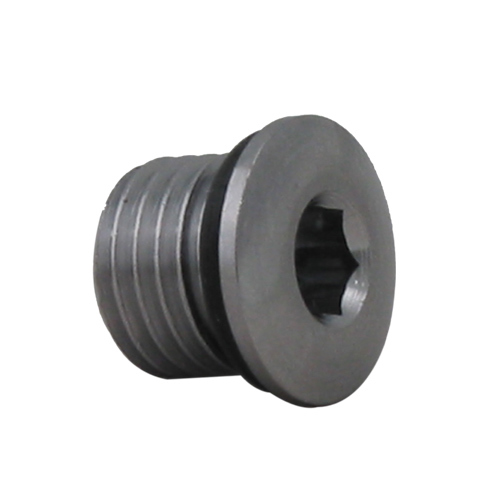
Whether you’re maintaining a complex piping system in an industrial setting or safeguarding critical plumbing connections in a marine environment, valve plugs play a pivotal role in ensuring reliable shut-off and flow control. These robust components are designed for quick, quarter-turn operation, making them an ideal choice for applications where fast, decisive action is needed. The core mechanism—a cylindrical or tapered plug rotating inside the valve body—offers a straightforward yet highly effective way to start, stop, or divert the flow of liquids, gases, or slurries. For those working with challenging materials such as sludge or corrosive fluids, lubricated plug valves provide an extra layer of protection and sealing, thanks to their grease-injection design. Maintenance professionals appreciate the simplicity and durability of these valves, as well as their suitability for environments where minimal downtime is essential. In contrast, non-lubricated types, often lined with PTFE or other advanced materials, are favored in situations where clean operation and chemical resistance are priorities. As the spring season brings increased maintenance schedules and system overhauls, having the right valve plugs on hand can make the difference between a smooth operation and unexpected interruptions.
Valve plugs are not just for industrial engineers or facility managers—anyone responsible for the upkeep of water, gas, or chemical lines will find them invaluable. Municipal workers, marine technicians, and even hobbyists with home workshops rely on these devices for their fast-acting shut-off capabilities and ease of repair. Multi-port designs are particularly useful for systems that require frequent flow diversion, such as irrigation setups or process piping in food and beverage production. Eccentric plug valves, with their offset plugs, reduce friction and are especially well-suited for wastewater or slurry applications, where debris and particulates can quickly wear down ordinary valves. For those managing underground valve boxes, debris plugs made from durable foam help keep dirt and moisture at bay, preserving the integrity of the system during wet months like March. Meanwhile, double valve plugs and specialized removal tools streamline the process of connecting or servicing solenoid valves, making them a thoughtful gift for technicians or anyone who values efficient, organized workflow. When selecting a valve plug, consider factors such as the pressure and temperature requirements of your system, the nature of the materials being conveyed, and the frequency of maintenance access needed. Pairing the right valve plug with compatible sealing components, such as those found in our
Valve Gaskets collection, ensures a leak-free, long-lasting solution that stands up to the demands of your application.
Seasoned professionals often share stories of how a well-chosen valve plug prevented costly downtime or averted a safety incident, underscoring the importance of quality and compatibility. The tactile experience of turning a valve plug—feeling the secure resistance as it seats, knowing with confidence that the flow is fully stopped—brings peace of mind, especially when working in critical or hazardous environments. As systems become more automated and interconnected, the role of valve plugs continues to evolve, with new designs offering greater versatility and integration options. Whether you’re outfitting a new installation or upgrading existing infrastructure, investing in the right valve plugs is a decision that pays dividends in reliability, safety, and operational efficiency.