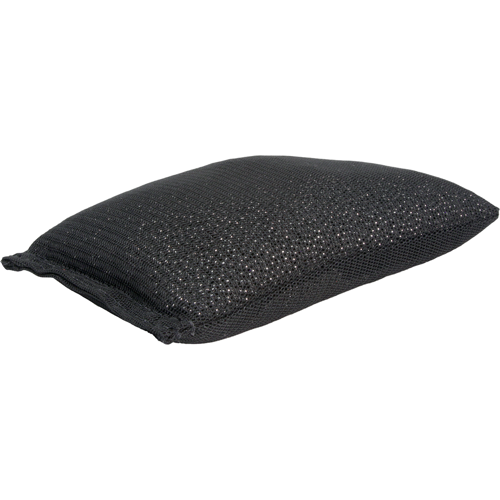
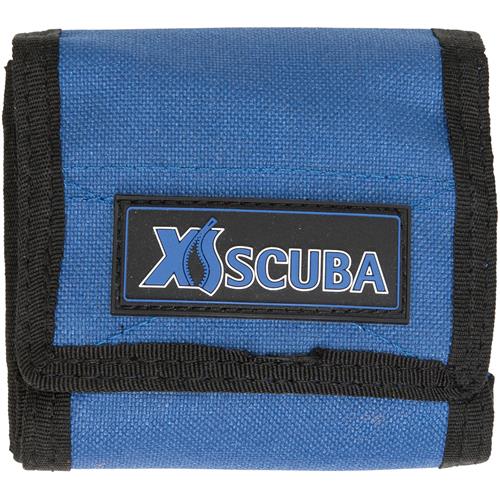
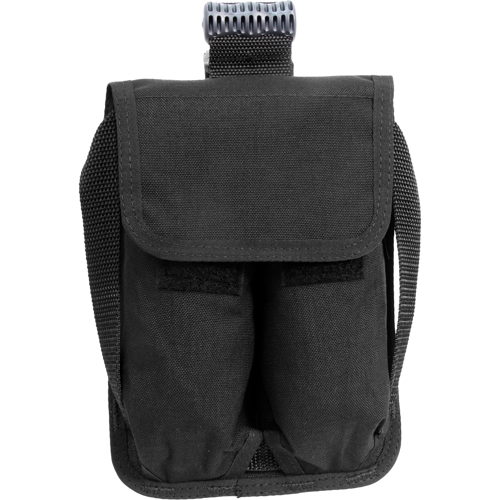
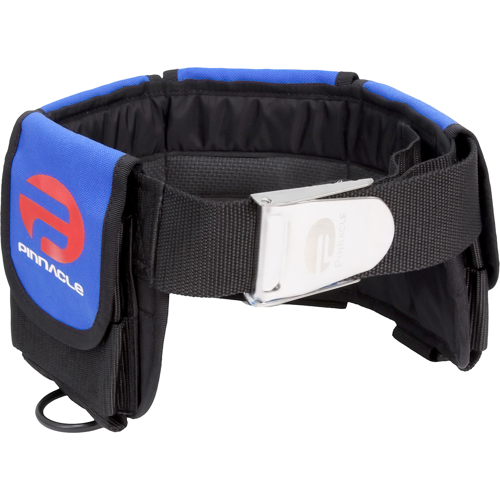
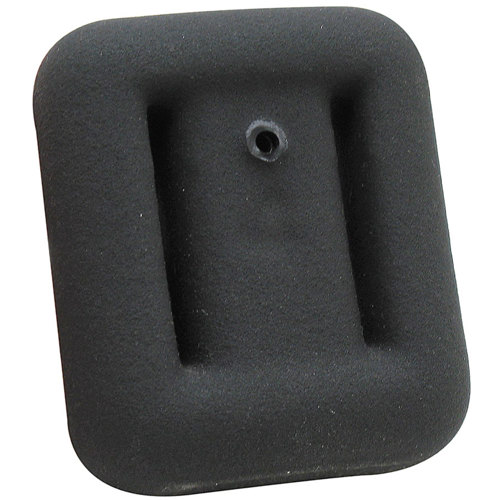
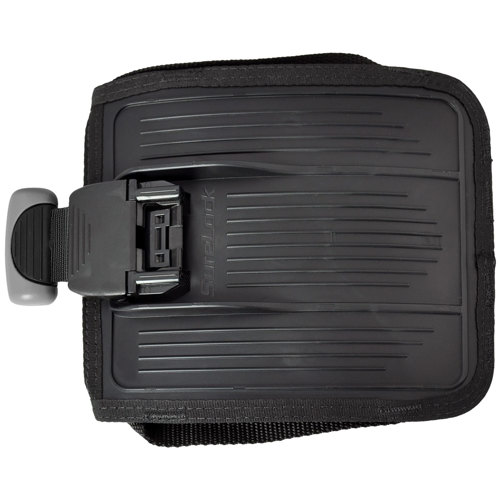
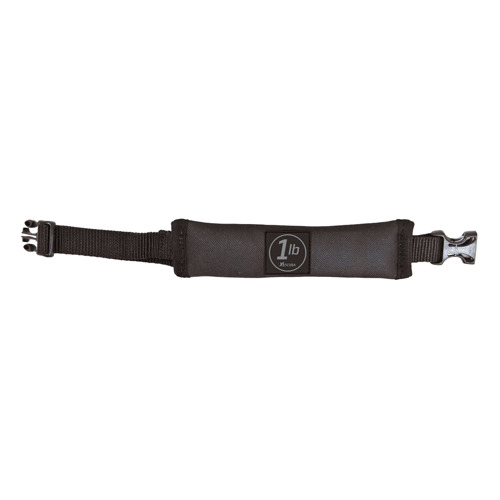
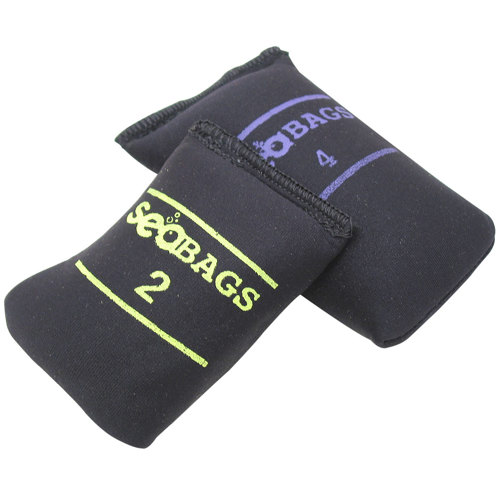
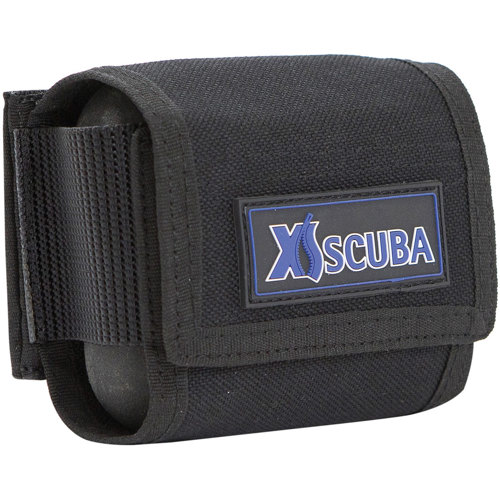
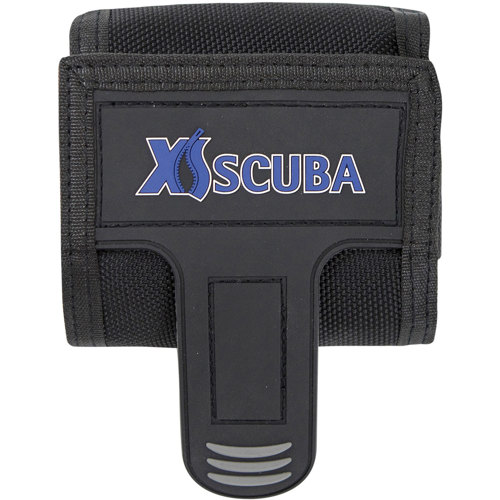
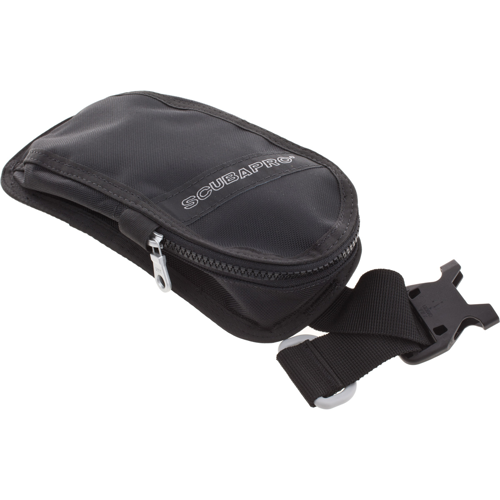
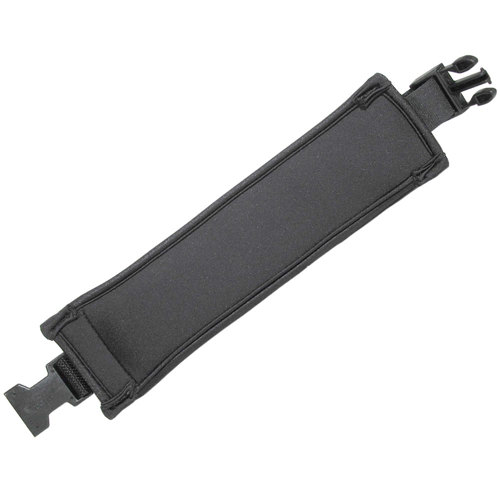
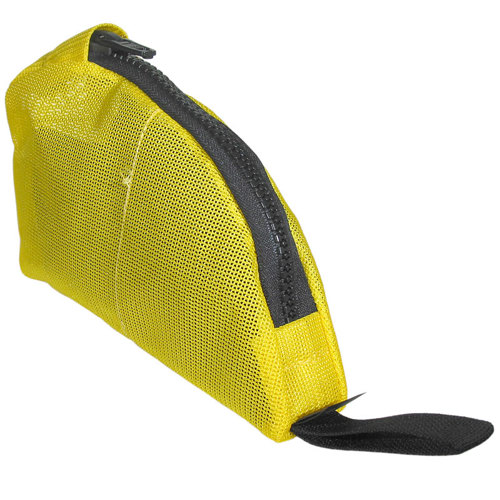
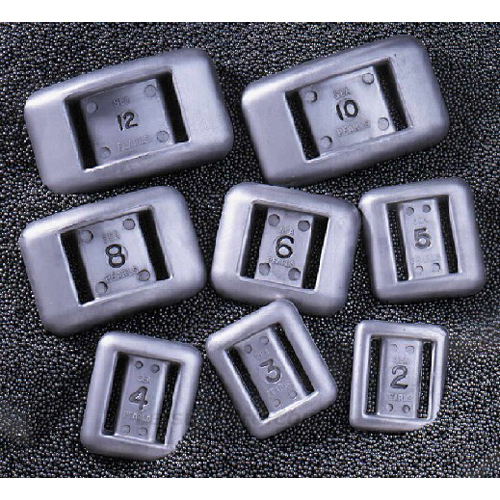
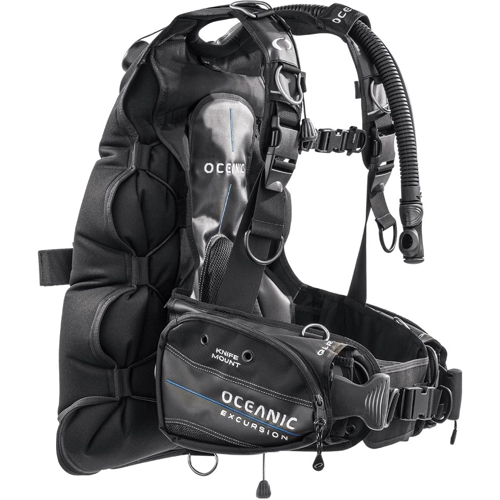
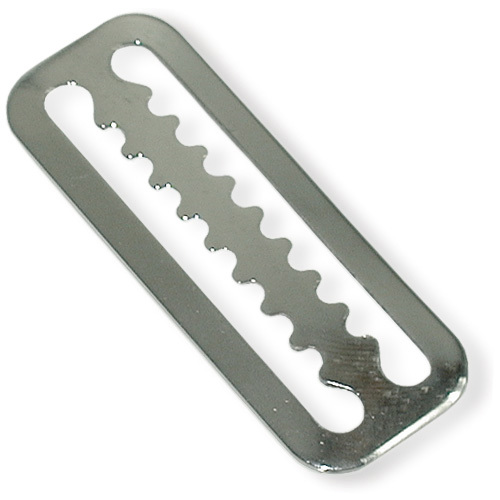
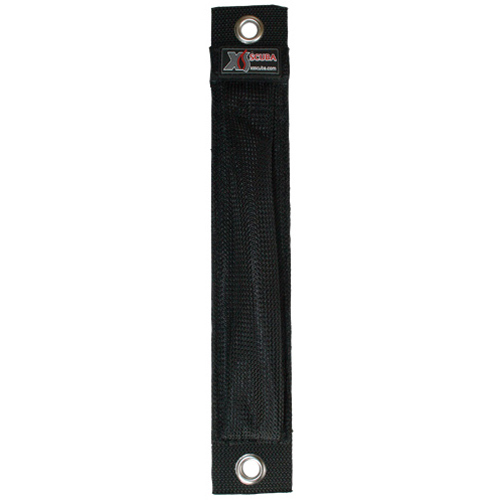
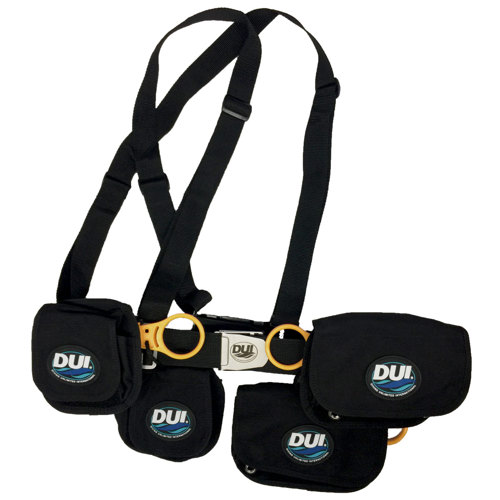
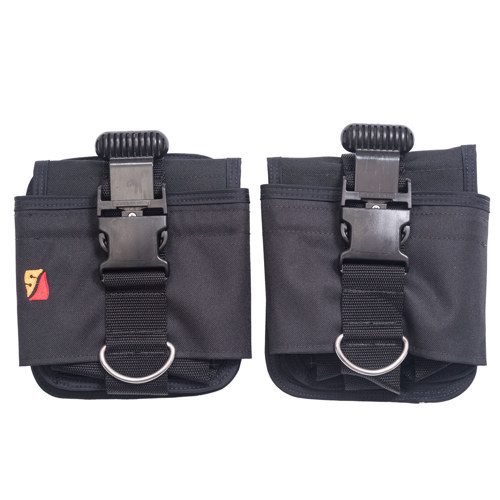
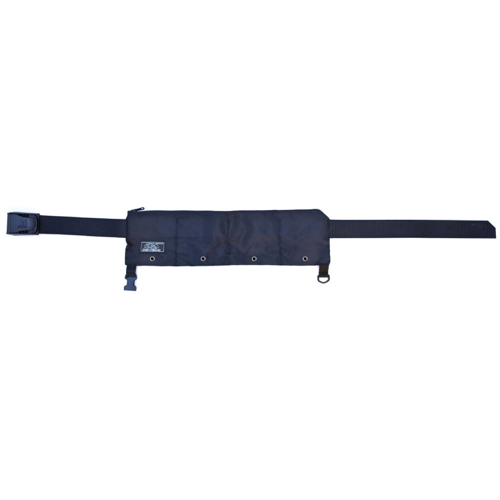
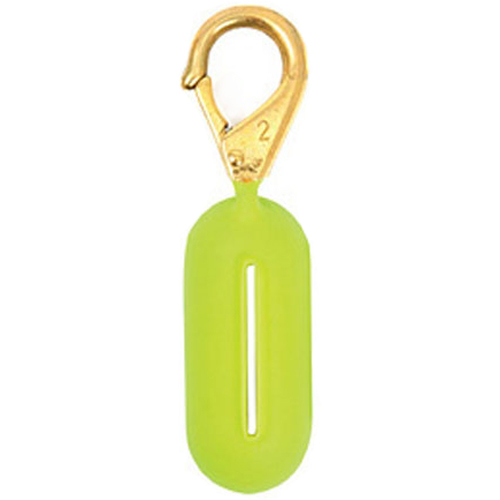
Training diving weights are a foundational piece of equipment for anyone looking to master buoyancy and control in the water, whether you’re just starting out in a pool or refining your skills for open water adventures. The right set of diving weights can make all the difference in achieving neutral buoyancy, allowing you to glide effortlessly beneath the surface and focus on your technique rather than fighting to stay down. Typically crafted from durable lead, these weights come in a variety of forms to suit different training needs and personal preferences. Hard weights, often coated in vinyl to protect both the diver and their gear, are a staple for threading onto sturdy nylon belts. These belts are designed with secure, quick-release buckles, ensuring both safety and convenience—a critical feature during training sessions or in the event of an emergency. Soft weights, filled with lead shot and encased in tough mesh pouches, offer an extra level of comfort and flexibility, especially when used with weight-integrated buoyancy control devices (BCDs). For those fine-tuning their position in the water, ankle weights and trim weights can be invaluable, helping to maintain perfect horizontal alignment and stability, particularly during skill drills or extended practice sessions.
As winter gives way to early spring, many divers take advantage of quieter pools and training facilities to work on their skills before the busy dive season begins. Training diving weights are especially popular among new divers, students in certification courses, and instructors guiding groups through confined water exercises. They’re also a thoughtful gift for anyone embarking on their scuba journey or for seasoned divers looking to upgrade their gear for the year ahead. Selecting the right weight system involves more than simply picking a number off a chart; factors like the type of exposure suit, water salinity, and personal body composition all play a role. As a general rule, divers in saltwater will require more weight—typically 8-10% of their body weight—while freshwater training calls for slightly less, around 6-8%. However, the most reliable way to dial in the correct amount is to perform a buoyancy check: with an empty BCD and a full breath of air, the diver should float at eye level, sinking gently as they exhale. Proper distribution of weight is just as important as the total amount; uneven placement can lead to a frustrating fight against rolling or tipping, so using weight keepers and strategically placed trim weights can make a world of difference.
Safety is always at the forefront when working with training diving weights. Quick-release mechanisms on belts or integrated weight pockets are non-negotiable features, providing peace of mind for both students and instructors. It’s also important to handle lead weights with care, washing hands thoroughly after use to avoid contamination. Many modern systems now offer modular options, allowing divers to mix and match hard and soft weights, add or remove pockets, and customize their setup for each training scenario. Whether you’re preparing for your first open water dive, working through advanced buoyancy control exercises, or simply enjoying the meditative rhythm of laps in the pool, the right training weights are an investment in both comfort and confidence underwater. For divers interested in exploring more advanced options, such as those used in technical or deep diving, our dedicated page on
Technical Diving Weights offers further insights and specialized equipment to support your progression. With thoughtful selection and proper use, training diving weights can help lay the groundwork for a lifetime of safe, enjoyable underwater exploration.