Embarking on a dive course, whether you’re a beginner eager to explore the underwater world or an advanced diver seeking specialized training, calls for a thoughtful approach to selecting the right dive tools. The essentials—masks, fins, regulators, and buoyancy control devices—form the backbone of every diver’s kit. Each piece serves a critical function: a well-fitting mask ensures clear vision beneath the surface, while reliable fins help you glide effortlessly through the water, conserving energy and allowing you to focus on technique. Regulators and tanks provide your lifeline to the surface, delivering a steady supply of air, while your buoyancy control device (BCD) helps you achieve that coveted state of neutral buoyancy, making every movement feel almost weightless. As September ushers in cooler waters in many regions, exposure suits such as wetsuits and rashguards become increasingly important, offering both thermal protection and comfort during extended training sessions. For those venturing into colder environments or planning to extend their dive season into autumn and beyond, layering options and thicker wetsuits are worth considering to stay warm and focused on skill development.
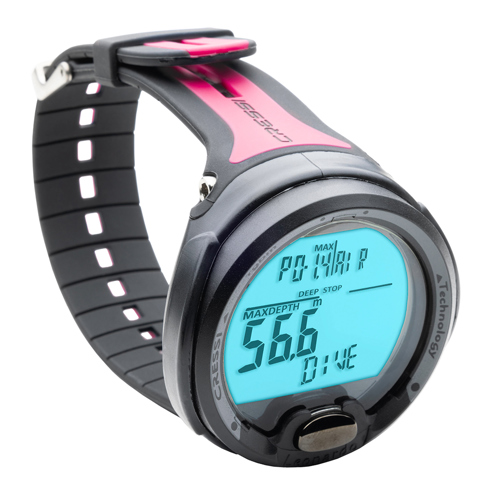
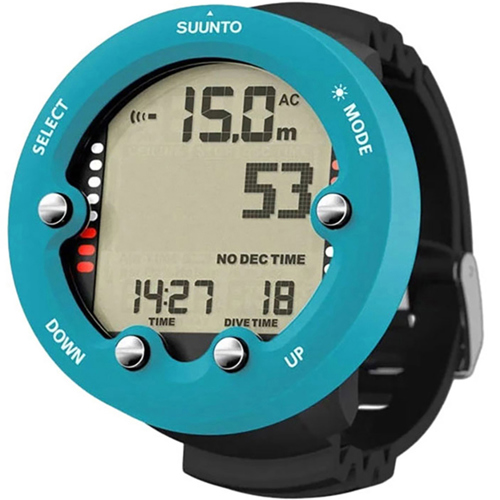
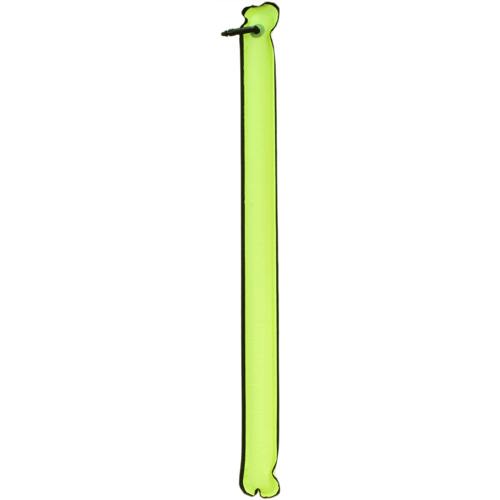
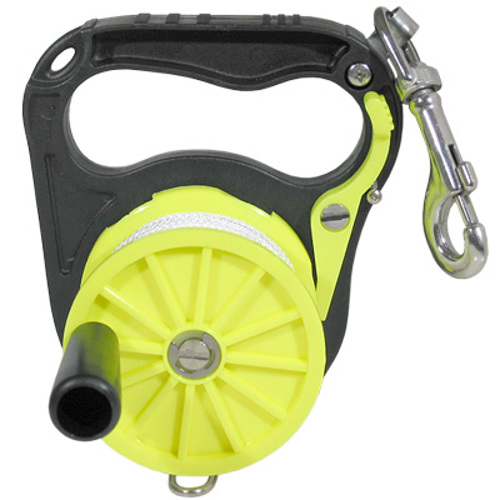
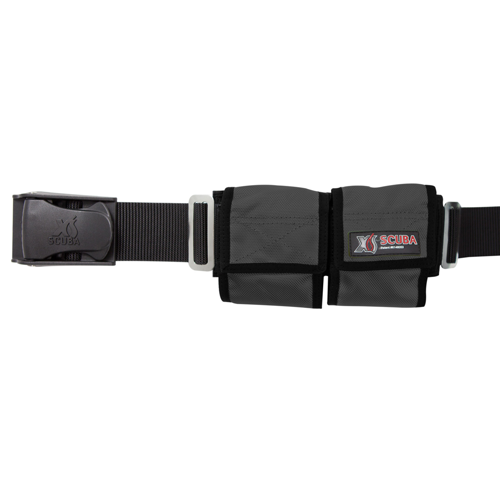
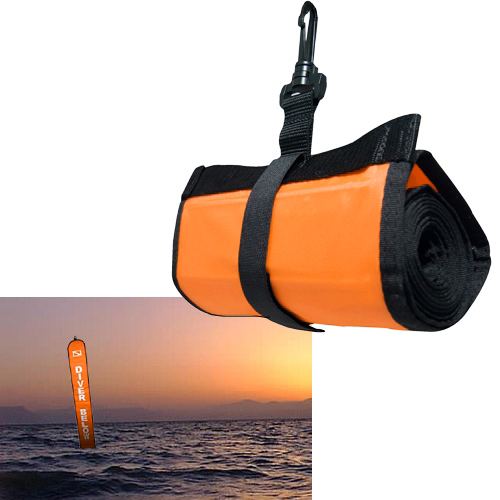
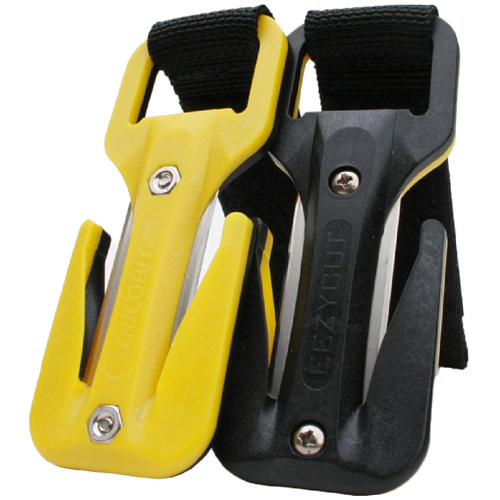
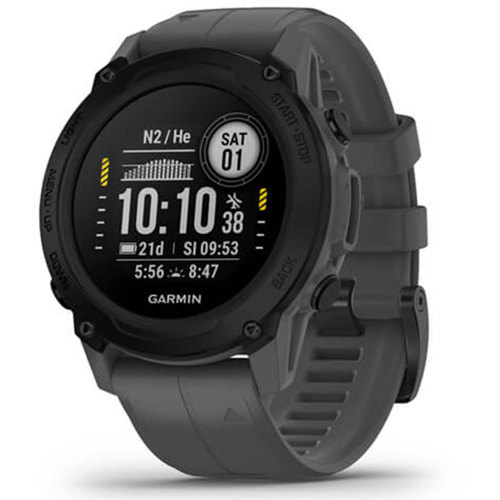
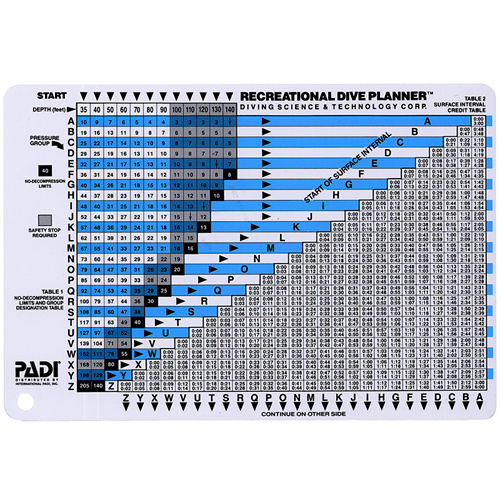
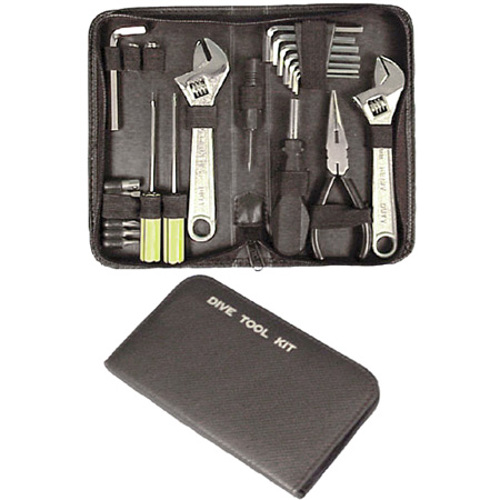
Beyond the basics, dive courses often require additional gear tailored to specific training scenarios. Safety equipment like dive computers has become indispensable, providing real-time monitoring of depth, dive time, and ascent rates, which is crucial for adhering to safe diving practices. Weights—whether integrated into your BCD or worn on a weight belt—help you achieve perfect buoyancy, which is fundamental for mastering skills like hovering or controlled descents. Surface signaling devices, such as whistles or surface marker buoys (SMBs), play a vital role in communication and safety, especially during open water training where visibility may be limited. Dive knives and cutting tools, while often associated with advanced courses, are practical for any diver, offering peace of mind in the unlikely event of entanglement. Night dives or dives in low-visibility conditions call for dependable dive lights, illuminating the underwater landscape and enhancing both safety and enjoyment. For those progressing to advanced or technical dive training—such as cave, wreck, or deep diving—specialized gear like reels, backup lights, multiple tanks, and specialized masks may be required, each adding a layer of complexity and excitement to your underwater adventures.
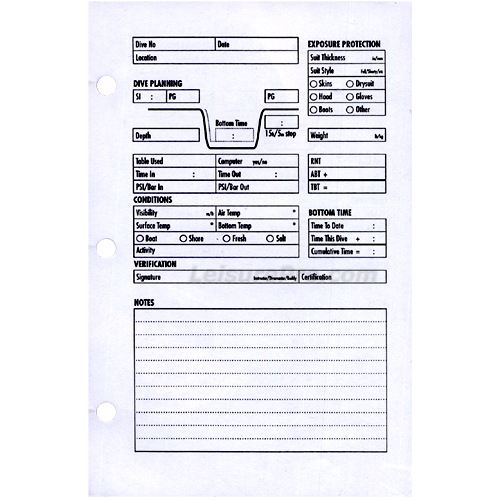
Selecting the right dive tools is not just about meeting course requirements; it’s about building confidence and independence as a diver. Many of these items make thoughtful gifts for aspiring divers, students celebrating course milestones, or experienced enthusiasts looking to upgrade their gear. The right equipment can transform a dive course from a routine certification into a memorable, empowering experience. When planning your next course, consider not only the immediate needs of your training but also how your gear choices can support your long-term growth and enjoyment in the sport. For a comprehensive overview of what you’ll need for each stage of your scuba journey, explore our curated list of
Scuba Diving Course Planning Tools, designed to help you prepare for every dive with confidence and ease. Whether you’re suiting up for your very first open water lesson or gearing up for advanced technical training, the right tools are your gateway to safe, enjoyable, and unforgettable underwater experiences.