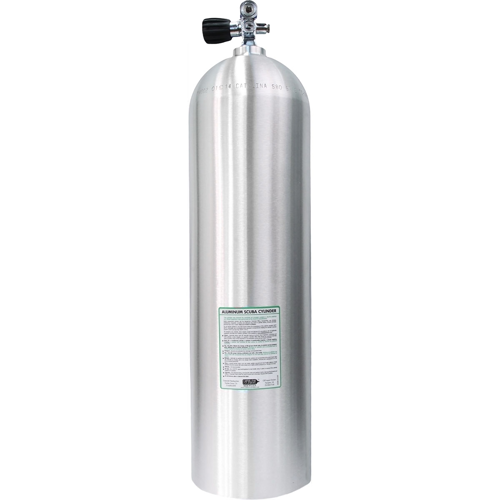
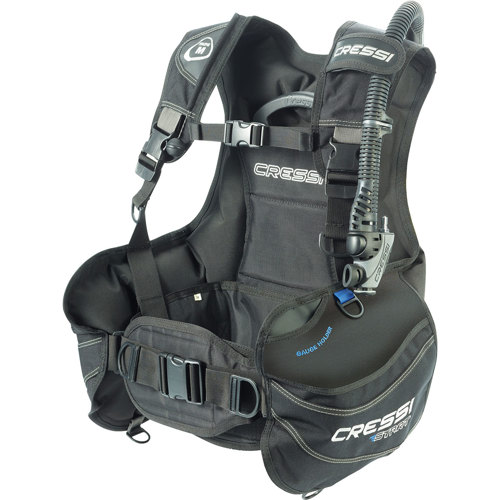
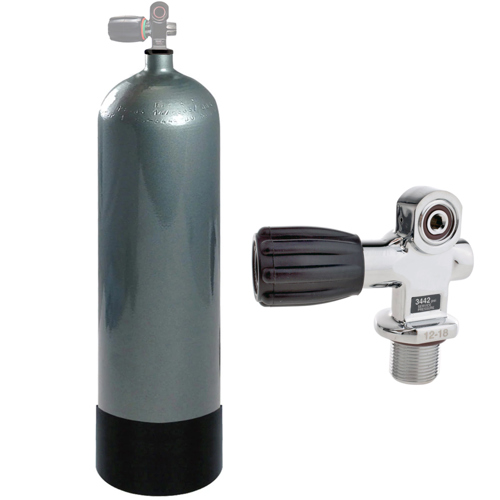
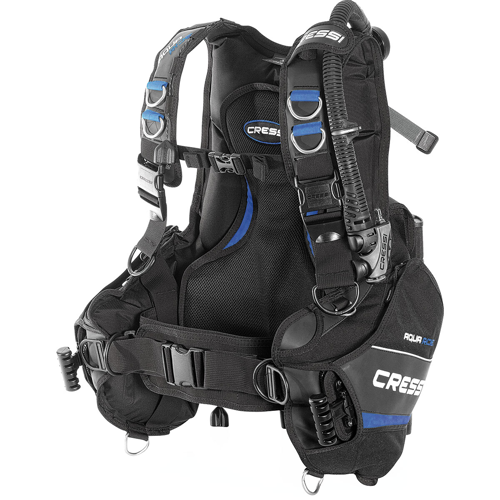
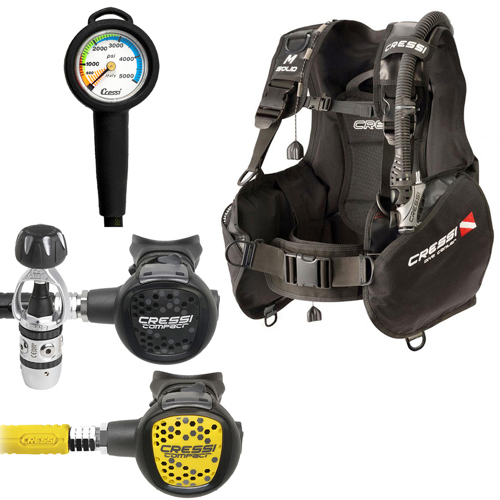
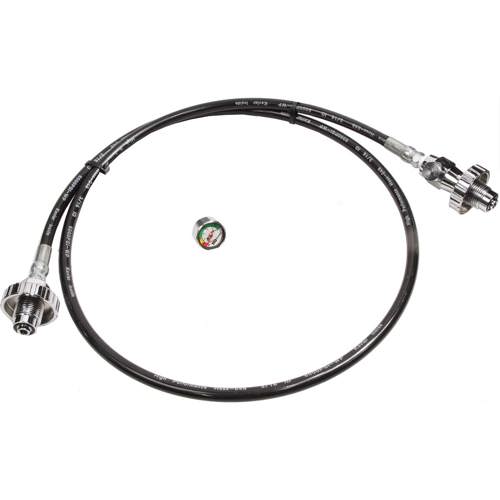
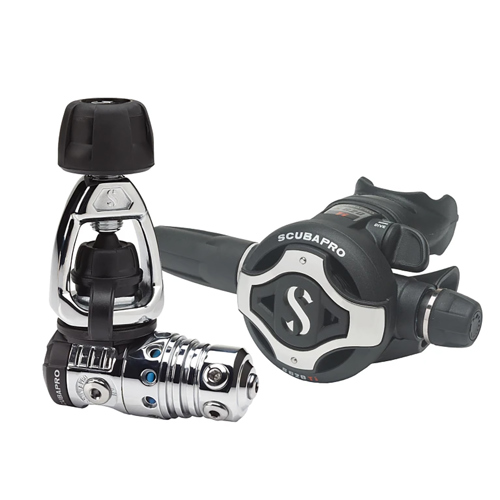
Outfitting a dive facility with the right equipment is about more than just meeting standards—it's about creating a safe, efficient, and welcoming environment for divers of all experience levels. Whether you manage a bustling resort dive center, an academic training facility, or a small local club, the essentials remain much the same: reliable scuba apparatus, robust safety tools, and high-quality gear for comfort and protection. The backbone of any operation starts with foundational equipment like compressed air cylinders, regulators, and buoyancy control devices (BCDs), all of which must be meticulously maintained and easily accessible. Instructors and dive professionals often rely on these core items to run daily training sessions, lead guided dives, and ensure every participant is properly outfitted. Winter months, especially in January when water temperatures can drop considerably, call for an extra emphasis on exposure protection—thicker wetsuits, hoods, gloves, and booties become indispensable for both staff and guests. Dive facilities that cater to groups, families, or traveling divers know that having an ample supply of well-fitting masks, snorkels, and fins in various sizes is key to accommodating everyone comfortably and safely.
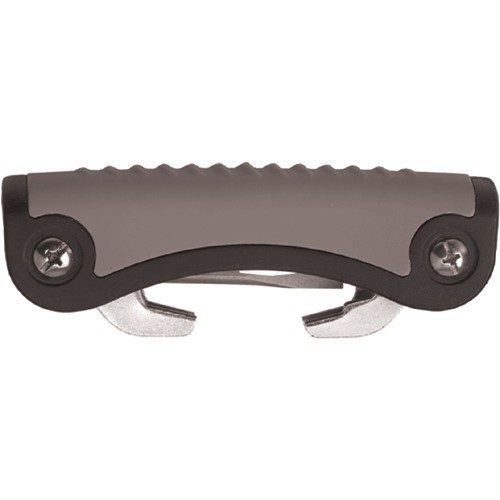
Beyond the basics, dive facilities often invest in specialized gear and safety equipment to support a wide range of underwater activities and to meet the needs of more advanced divers. Surface marker buoys (SMBs), compasses, and dive computers are standard-issue for guided excursions, navigation training, and deep or technical dives. These items not only enhance safety but also foster independence among divers as they gain experience. For operations that offer night dives or explore low-visibility environments, a reliable stock of dive lights and signaling devices, such as whistles or tank bangers, is essential. Maintenance staff and dive pros alike appreciate the utility of cutting tools and quick-release weight systems, which can make a critical difference in an emergency. Facilities that cater to technical diving or research expeditions may include decompression cylinders, full-face masks, or even advanced rebreather systems in their inventory, ensuring they are prepared for the most demanding scenarios. The careful selection and upkeep of this equipment reflect a commitment to safety and professionalism, which regular patrons and visiting divers alike will notice and appreciate.
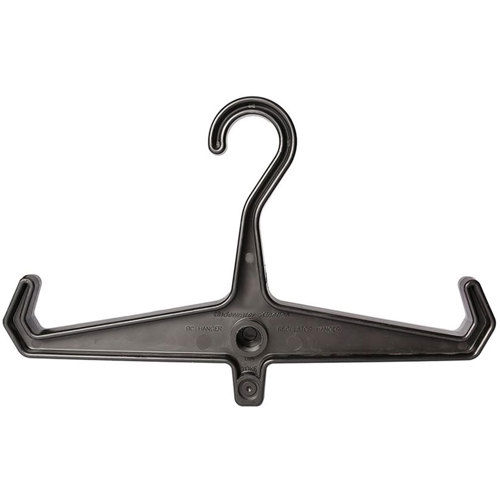
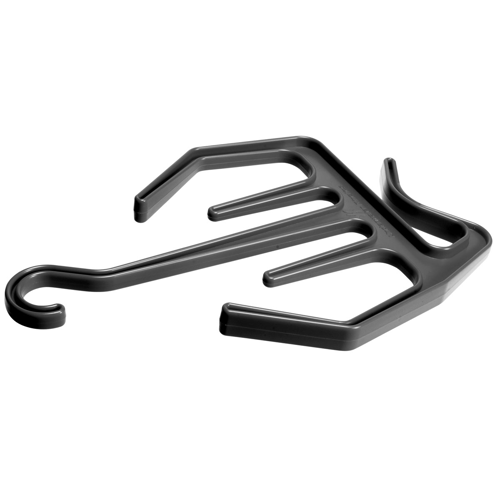
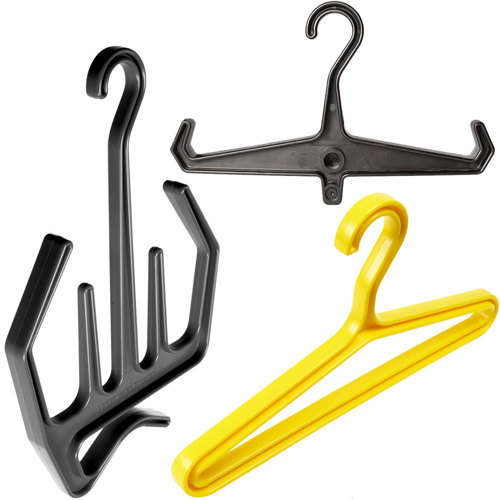
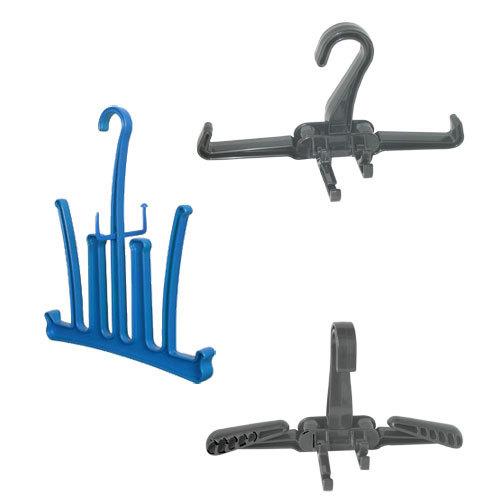
Choosing the right equipment for a dive facility also means considering the practicalities of storage, organization, and long-term care. Well-designed gear storage areas, drying racks, and secure lockers help extend the life of equipment and make daily operations smoother for staff and guests. For facility managers looking to upgrade or expand their inventory, it's wise to think seasonally—stocking up on cold-water gear in winter, for example, or adding extra sets of fins and masks ahead of a busy summer season. Gift-givers might find that certain facility-grade items, such as high-quality dive lights or multi-use cutting tools, make thoughtful and practical presents for instructors, divemasters, or club members who are passionate about their work. For those interested in optimizing their dive center’s organizational systems, exploring options for secure storage and efficient equipment management can make a world of difference. To further enhance your facility’s setup, consider reviewing our dedicated recommendations for
Equipment For Dive Lockers, where you’ll find solutions tailored to keeping your gear safe, organized, and ready for action. By investing in the right equipment and infrastructure, dive facilities lay the groundwork for unforgettable underwater experiences and lasting customer loyalty.