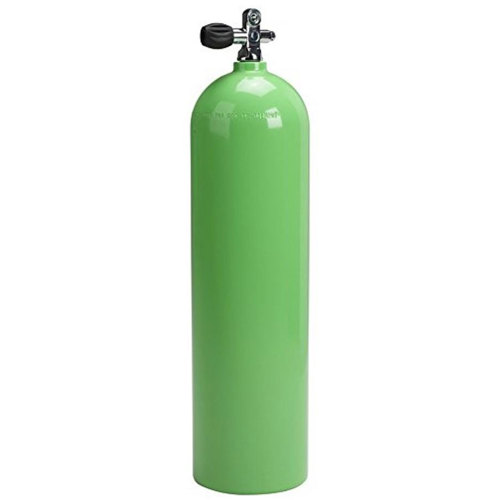
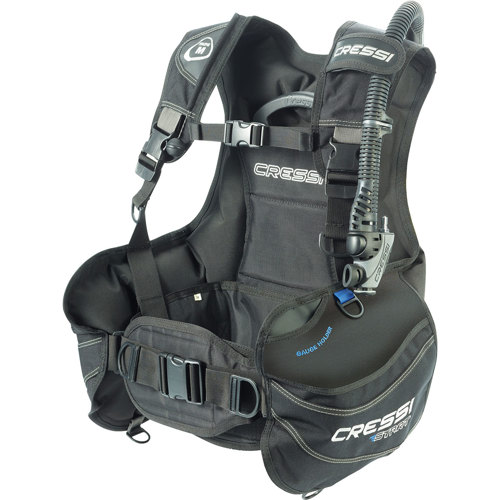
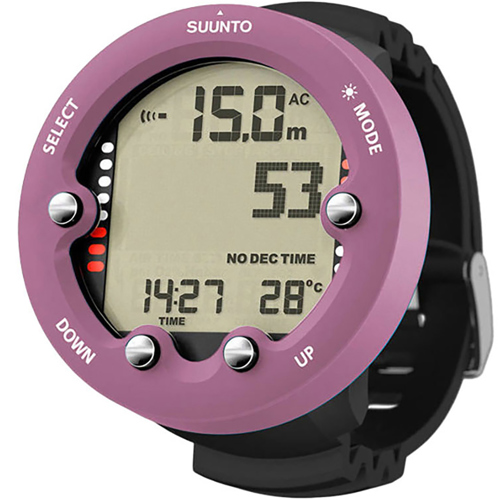
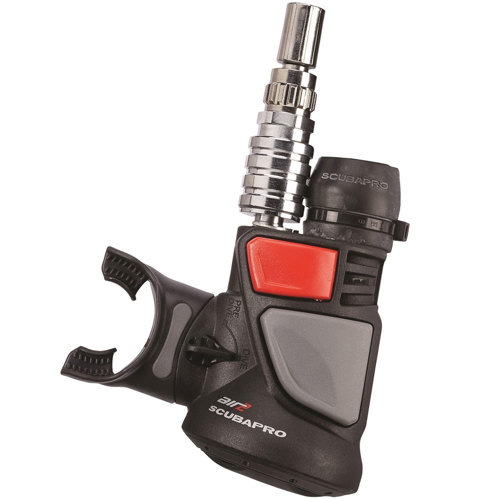
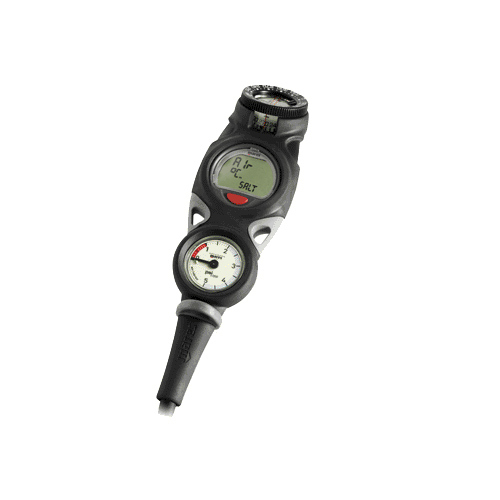
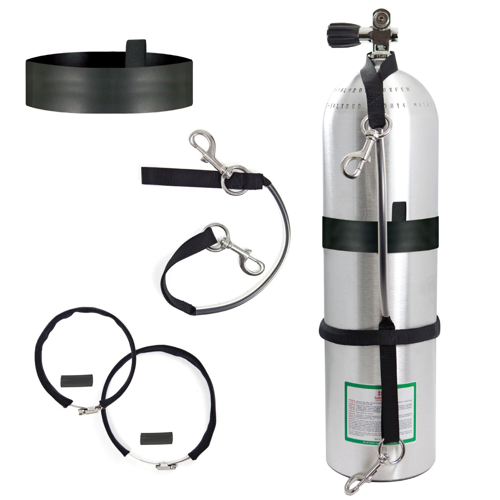
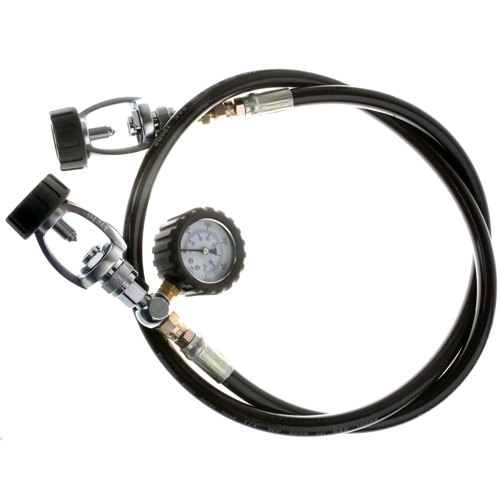
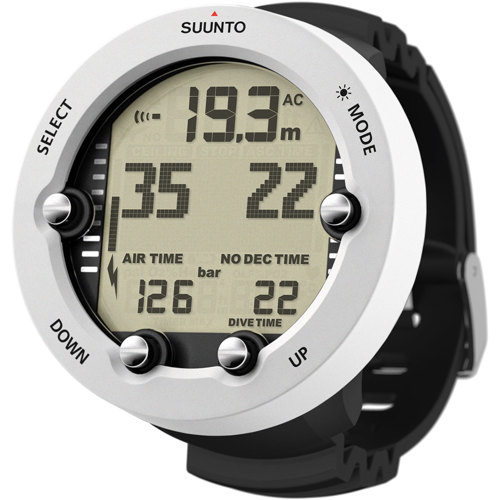
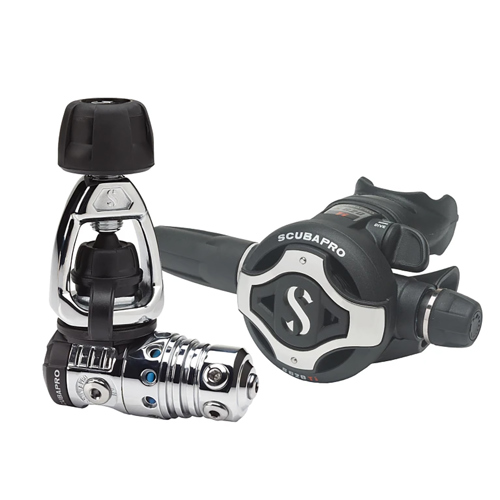
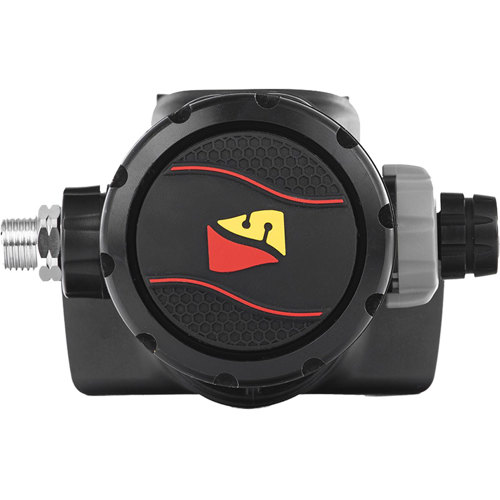
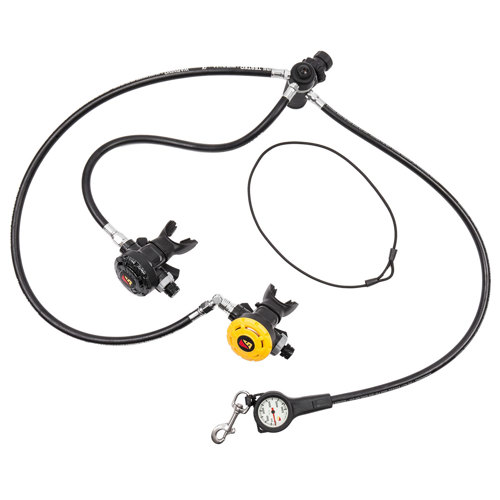
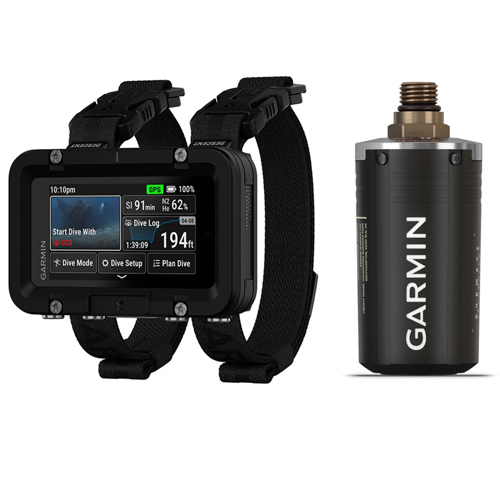
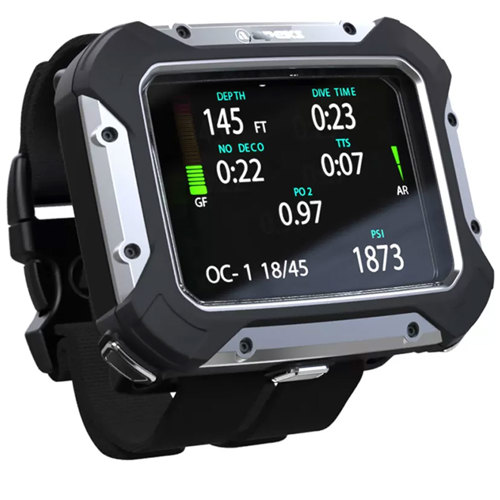
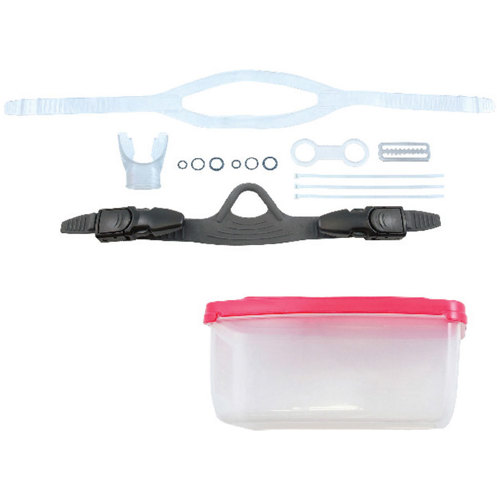
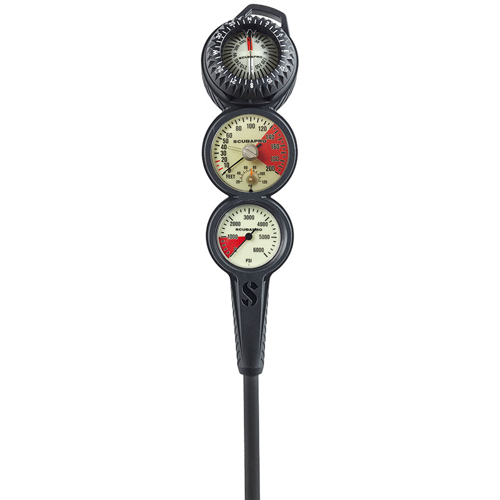
Scientific diving is a field where precision, safety, and adaptability converge beneath the surface, and the right equipment can make all the difference in the success of a research mission. Whether you’re a marine biologist mapping coral reefs, an archaeologist documenting submerged historical sites, or a student embarking on your first scientific expedition, the gear you choose must be robust, streamlined, and tailored for specialized tasks. Standard diving gear forms the backbone of every kit—masks, fins, wetsuits or drysuits, buoyancy compensators, regulators, and dive computers—but scientific divers often require modifications and add-ons to meet the unique demands of underwater research. For example, backplate and wing BCDs are favored for their stability and streamlined profiles, reducing drag and minimizing the risk of entanglement while maneuvering through kelp forests or rocky outcrops. Many scientific divers opt for custom regulator setups, with long primary hoses and backup options for redundancy, ensuring both safety and efficiency during data collection or specimen sampling dives. Wrist-mounted dive computers are another staple, offering easy access to critical information without the bulk and drag of traditional console setups—a small but significant upgrade that keeps your hands free for fieldwork.
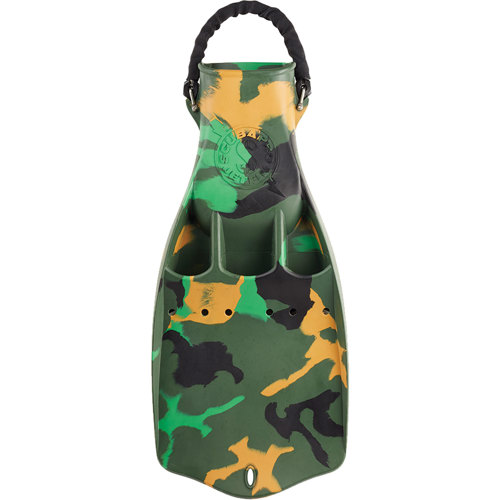
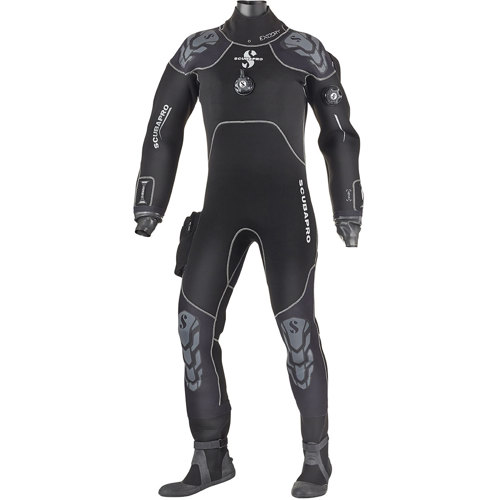
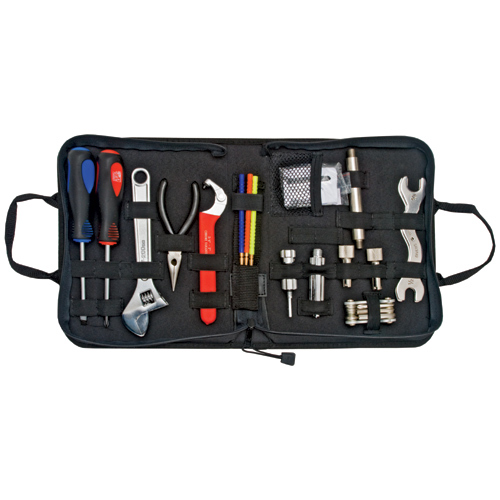
The winter months, especially in January, bring colder water temperatures in many regions, making exposure protection a top priority for scientific divers. Drysuits with reliable seals and thermal undergarments provide warmth during extended bottom times, while robust wetsuits may suffice in milder climates. Reliable, comfortable fins—often paired with sturdy booties—help divers cover distance efficiently, whether surveying transects or searching for tagged species. Specialized tools are essential: underwater slates or notebooks for jotting down observations, specimen collection bottles and mesh bags for gathering samples, and waterproof GPS units or light/temperature probes for environmental monitoring. Powerful dive lights, including models with focused beams or green lasers, cut through murky winter waters and enhance visibility for both research and safety, while marker lights help locate dive teams during low-light conditions. For those working on photo or video documentation, durable underwater housings for cameras and phones are invaluable, capturing high-resolution data for later analysis. Full-face masks and rebreather systems, such as those used in rebreather mask diving and underwater rebreather applications, are sometimes employed for extended duration dives or when underwater communication is critical—particularly in complex research environments or when working with hazardous materials.
Scientific diving equipment is not only for professionals; it also makes a thoughtful and practical gift for students in marine sciences, oceanography enthusiasts, or anyone advancing their diving skills for research purposes. When selecting gear for a scientific diver, consider the specific requirements of their program or project, as many universities and research institutions have standardized equipment lists and protocols. Redundancy and safety are paramount, with backup regulators, alternate air sources, and emergency equipment like oxygen kits or AEDs often required. For those interested in advancing their skills or transitioning into more technical research dives, exploring equipment options designed for advanced training—such as those found on our
Equipment For Technical Diving Training page—can provide valuable insights and help ensure readiness for more challenging underwater environments. Ultimately, scientific diving is about more than just what is scuba diving; it’s about equipping yourself with the right tools to unlock the mysteries of the underwater world safely and effectively, whether you’re collecting data in a chilly January bay or exploring vibrant reefs in warmer waters.