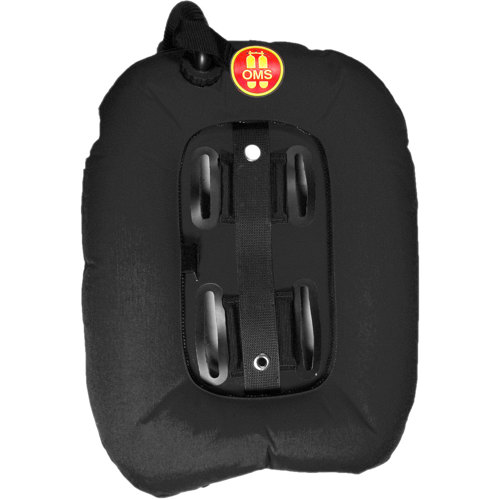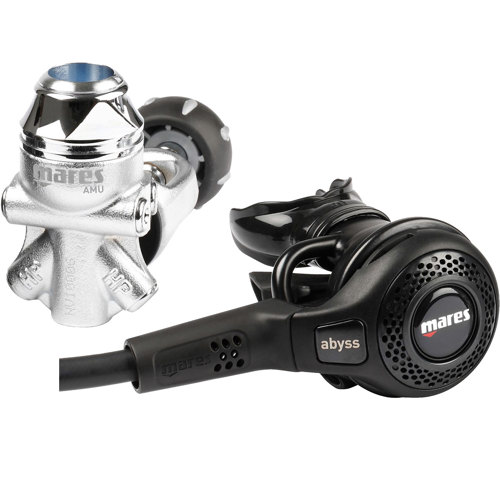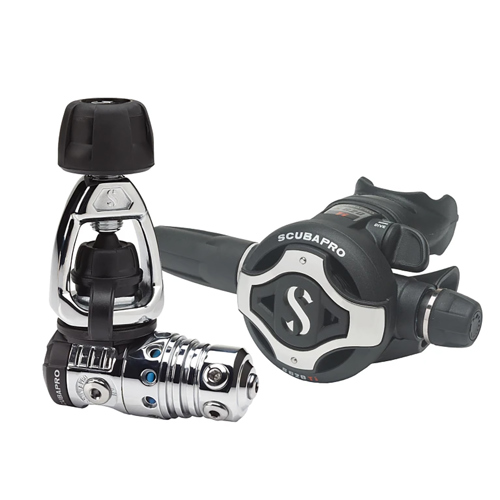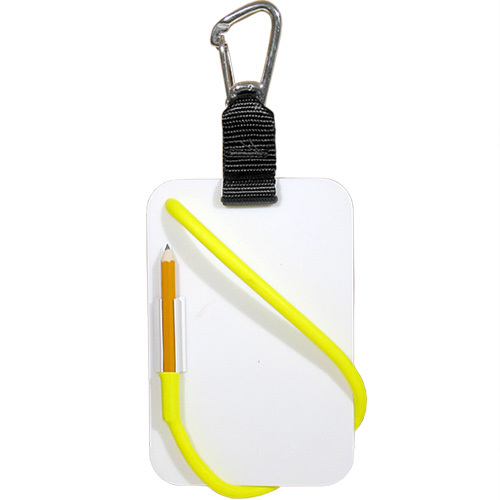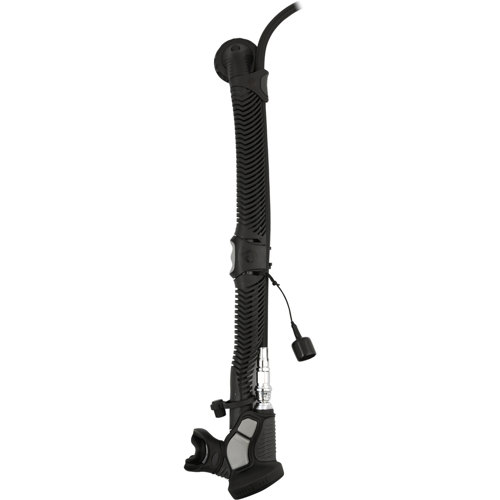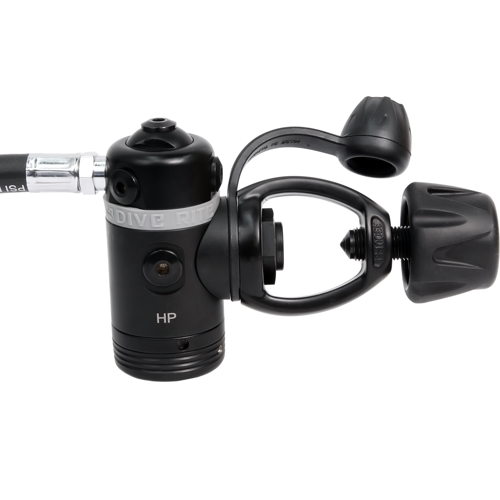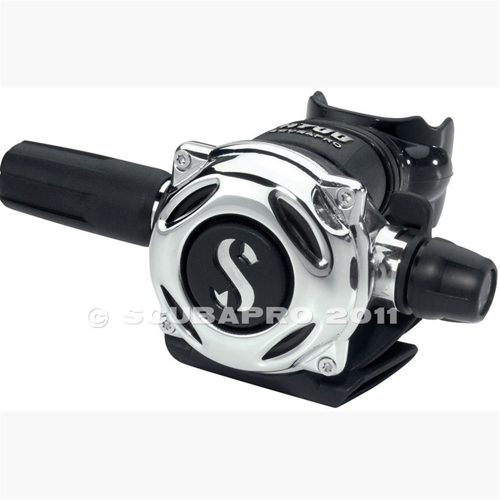
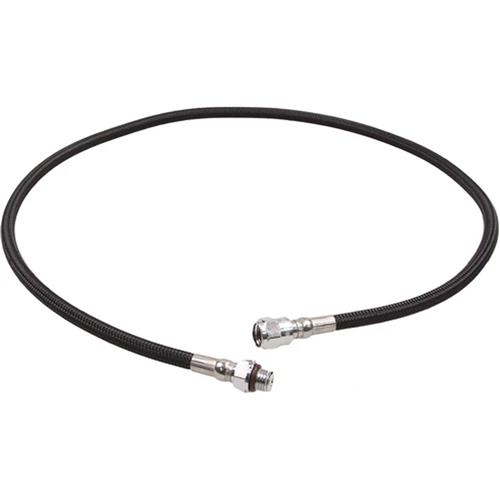
Building a solid scuba diving setup is essential for anyone looking to explore the underwater world with confidence and safety. Whether you’re a new diver assembling your first kit or an experienced enthusiast upgrading your gear, the right combination of equipment can make a significant difference in both comfort and performance. As the weather warms and diving conditions improve, more people are drawn to local lakes, tropical reefs, and coastal destinations, making this an ideal season to review and refresh your scuba setup. A complete scuba diving setup typically includes a buoyancy control device (BCD), regulator, tank, wetsuit or drysuit, mask, fins, snorkel, weights, and essential accessories like dive computers and surface signaling devices. Each component plays a critical role in your safety and enjoyment underwater. For example, a reliable BCD not only helps you control your buoyancy but also serves as the anchor point for your tank and other gear. The regulator, with its primary and alternate air sources, ensures you can breathe comfortably and safely at depth, while the submersible pressure gauge (SPG) keeps you informed about your remaining air supply. When setting up your gear, it’s important to follow a systematic approach: check the tank O-ring for integrity, secure the BCD to the cylinder with a properly wetted cam strap, position the regulators so hoses are streamlined, and connect the inflator hose to the BCD until it clicks into place. These steps, along with a thorough pre-dive safety check, build confidence and minimize the risk of equipment issues during your dive.
Selecting the right scuba diving setup depends on several factors, including your experience level, preferred diving environments, and personal fit. For those just starting out, comfort and simplicity are key—look for easy-to-use BCDs with intuitive controls and regulators with clear, responsive breathing. More advanced divers might prioritize modular setups, integrated weight systems, or features tailored for specific conditions, such as cold water or travel. Families and friends often find that diving gear makes a memorable and practical gift, especially for milestones like certification achievements, birthdays, or holidays. Gifting a quality mask, a durable wetsuit, or a dependable dive computer can open up new adventures for loved ones and inspire confidence as they explore beneath the surface. As you assemble your setup, consider how each piece will work together, from the way your fins propel you through the water to the comfort of your exposure protection in varying temperatures. Accessories like mesh gear bags, defog solutions, and safety whistles round out your kit and ensure you’re ready for whatever the dive brings. For divers interested in alternative configurations or specialized techniques, exploring options like the
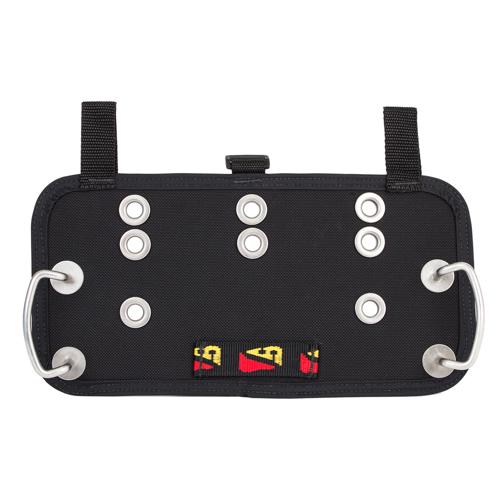
Sidemount Diving Setup can provide greater flexibility and streamlined movement, especially in overhead environments or technical diving scenarios.
No matter your level of experience, regular maintenance and careful assembly of your scuba diving setup are vital. Before each dive, take time to inspect your equipment: check the tank valve for debris, examine the O-ring for cracks or tears, and ensure all connections are secure but not over-tightened. When attaching your regulator, remove the dust cap and hand-tighten the yoke screw or DIN fitting, making sure the first stage sits flush against the tank valve. Connect the low-pressure inflator hose firmly, and always verify that your SPG faces away from you when opening the cylinder valve to prevent accidental injury. Once the system is pressurized, confirm that your tank is full, test both the primary and alternate air sources for smooth breathing, and operate the BCD’s inflate and deflate functions to check for leaks or malfunctions. Tuck away hoses and secure your gauge console to avoid entanglement and streamline your profile in the water. These habits, developed over time, become second nature and contribute to a safer, more enjoyable dive experience. Whether you’re gearing up for a weekend getaway, a tropical vacation, or a local dive club outing, having a well-organized and reliable scuba diving setup means you can focus on the thrill of discovery and the beauty of the underwater world. For those using a scuba dive pos to track and manage their gear, keeping an updated inventory can also help ensure nothing is left behind before your next adventure.