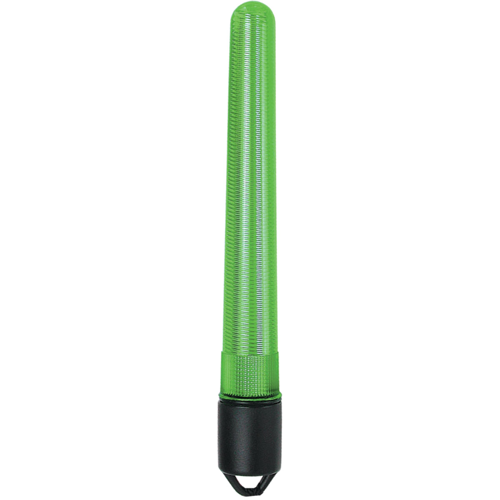
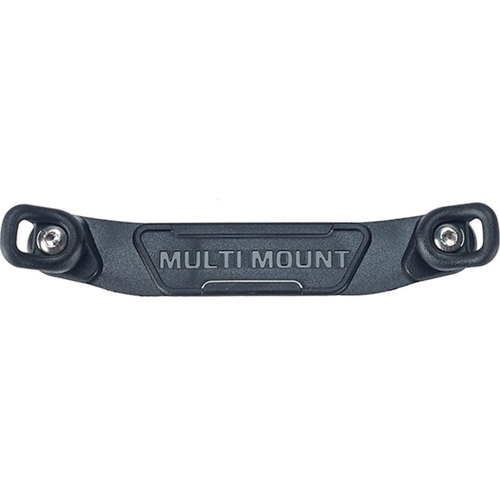
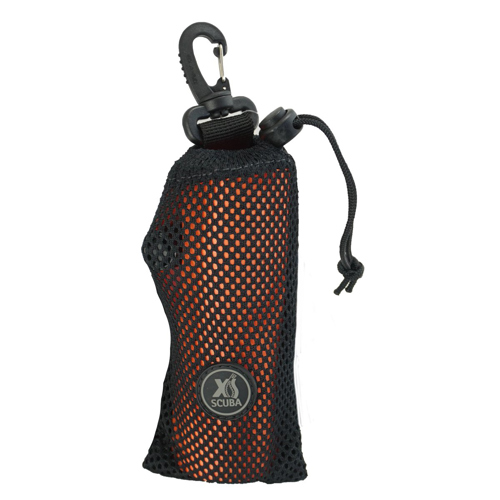
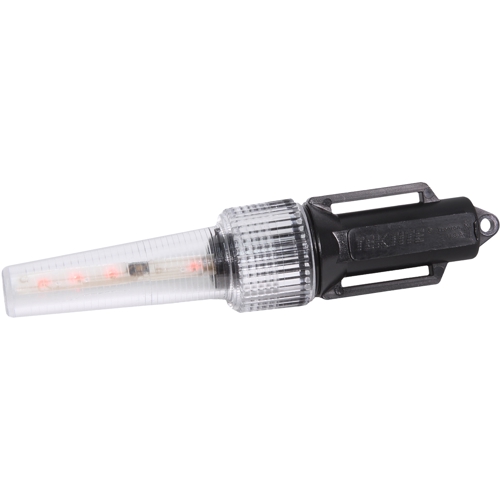
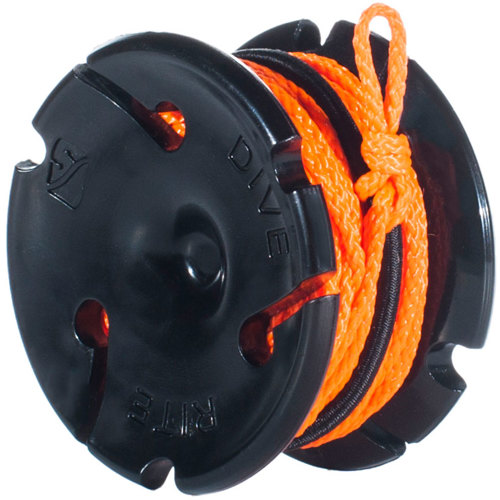
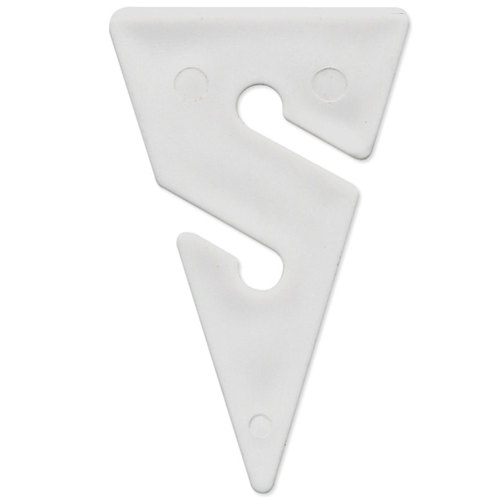
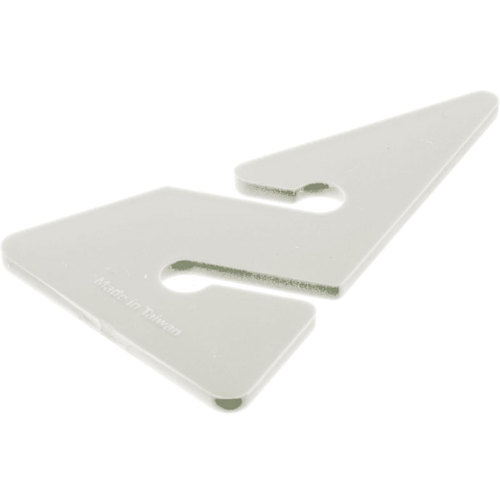
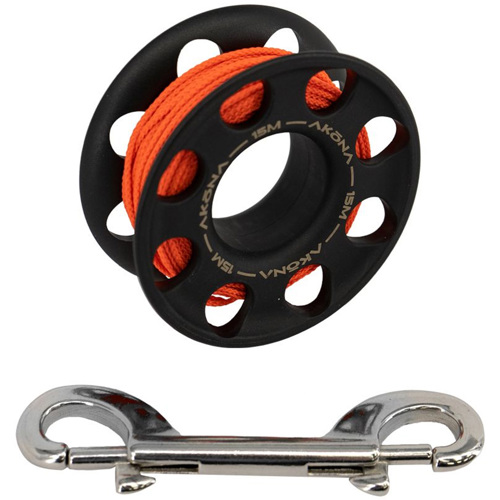
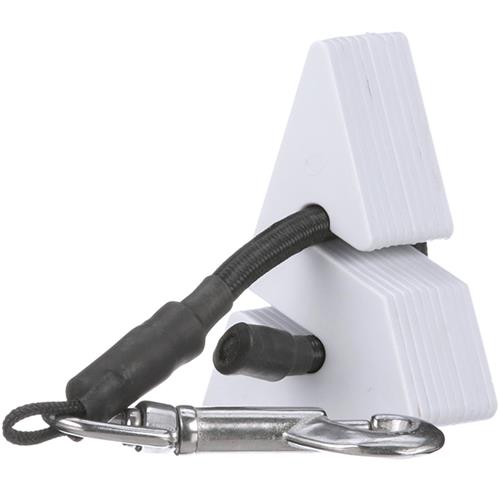
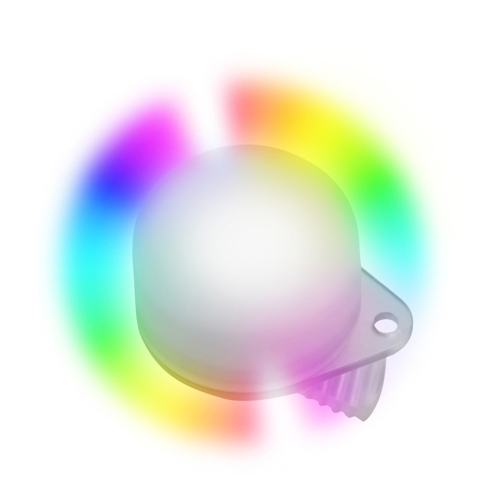
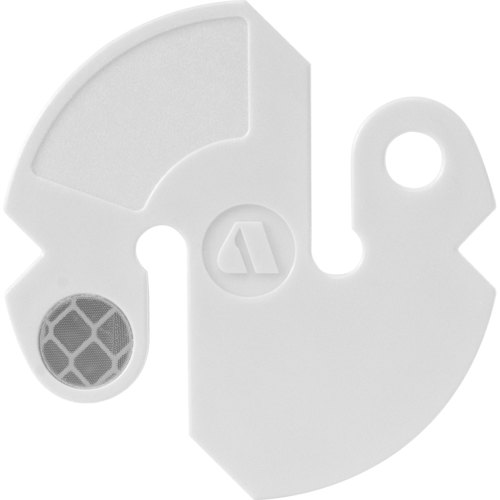
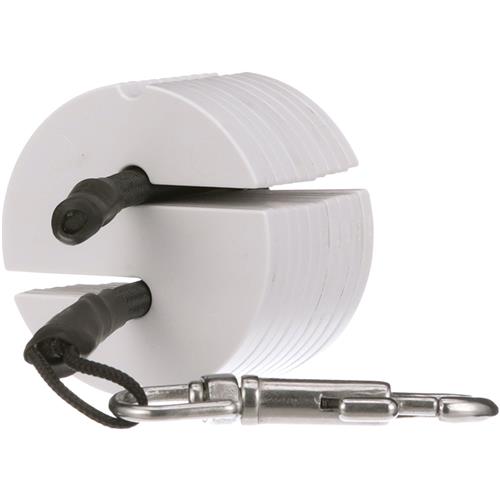
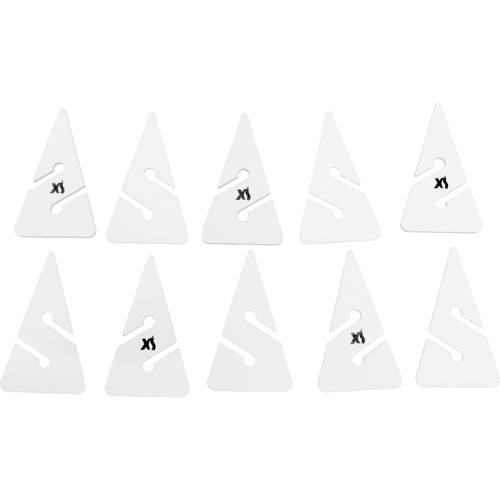
Scuba diving passageway markers are indispensable tools for divers venturing into complex environments such as caves, wrecks, or any overhead setting where direct access to the surface is limited. These markers—ranging from tactile line arrows and cookies to personalized reference exit markers—are designed to provide clear, reliable navigation cues when visibility drops or silt clouds the water. Cave divers, technical divers, and those exploring sunken ships rely on these markers to prevent disorientation, ensuring every team member knows the route to the nearest exit or their specific entry point. The distinct shapes and textures of a diving marker, such as the sharply angled arrow or the smooth, disc-like cookie, are intentionally crafted to be easily recognized even when wearing thick gloves or in zero-visibility conditions. Experienced divers often recount the reassuring sensation of feeling a familiar marker on the guideline during a challenging silt-out—a small, tactile signpost that can make all the difference in a high-stakes environment. For teams diving together, reference exit markers (REMs) allow individuals to identify their own markers among many, avoiding confusion when multiple groups are exploring the same passageway.
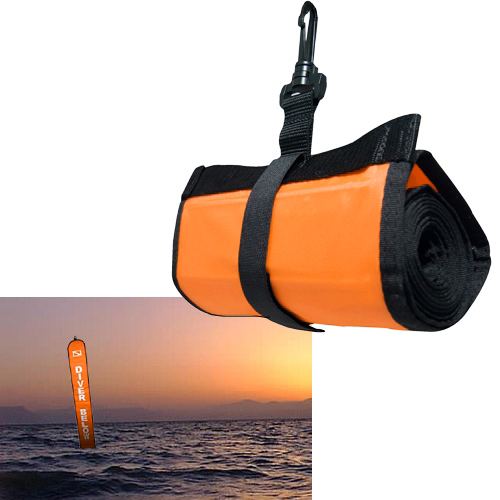
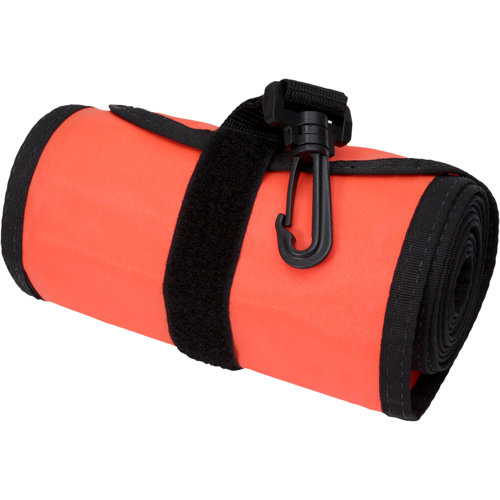
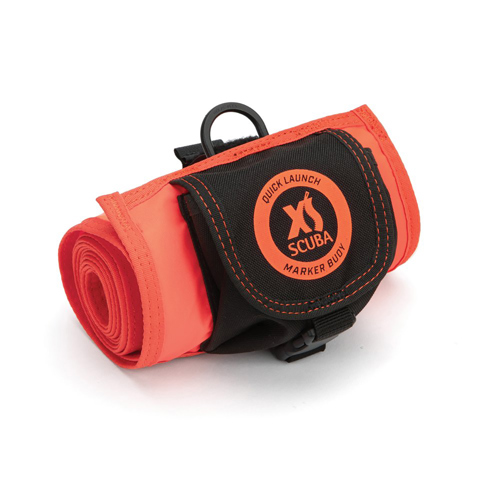
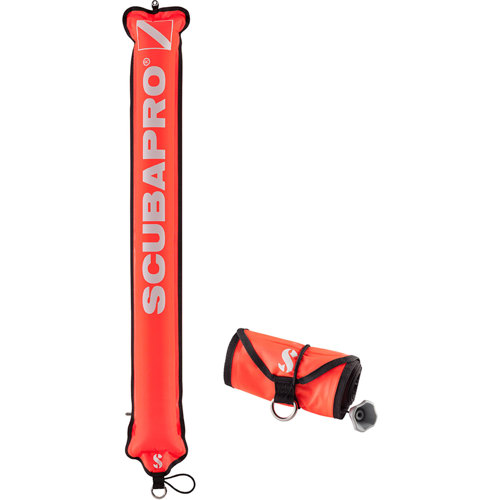
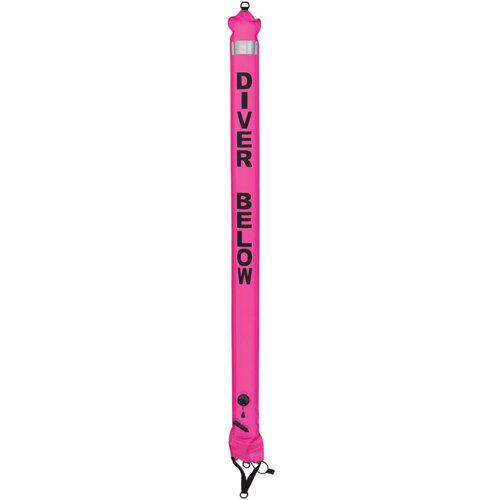
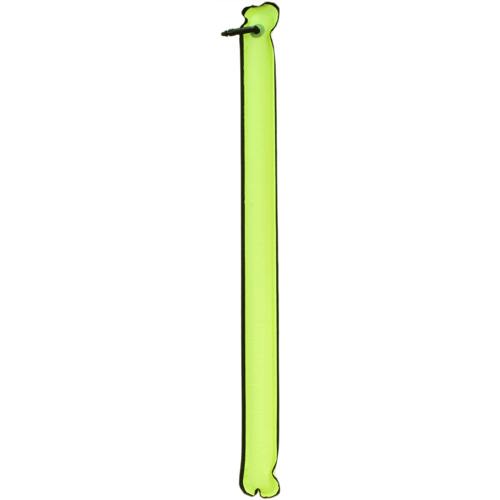
Beyond the overhead environment, open water divers also depend on diving markers, particularly surface marker buoys (SMBs) and delayed surface marker buoys (DSMBs), for safety and communication. As the weather warms and dive sites become busier, these inflatable, highly visible tubes are crucial for alerting boat traffic to a diver’s presence below, especially during safety stops or drift dives. The vivid orange or yellow of a dive marker bobbing at the surface is a universal signal that helps prevent accidents and keeps divers connected to their surface support. Whether you’re a seasoned cave explorer, a technical diver training for advanced certifications, or an instructor leading students through their first wreck penetration, reliable passageway markers are an essential part of your gear. They also make thoughtful gifts for divers who are expanding their skills or embarking on ambitious underwater adventures, offering peace of mind and a tangible connection to best safety practices. When selecting diving markers, consider durability, ease of attachment, and the ability to personalize or mark them for team use. Materials should withstand repeated handling and exposure to varying water conditions, and shapes should be easily distinguishable by touch. For those looking to deepen their understanding or expand their kit, our collection of
Cave Diving Safety Markers provides a comprehensive look at the options available for safe, efficient navigation in any setting.
The importance of proper passageway markers becomes especially clear during the busy diving season, when more teams share popular sites and the risk of miscommunication or getting turned around increases. Anecdotes from the field highlight the value of a well-placed directional arrow pointing the way out of a labyrinthine wreck, or a cookie marking the precise spot where a team turned back, ensuring everyone retraces their steps safely. These practical, often lifesaving tools are the result of decades of collective diving experience, with each marker type evolving to meet the needs of the community. Whether used in the shadowy corridors of a freshwater cave or clipped to a guideline during a saltwater wreck dive, passageway markers are a silent partner in every successful exploration. As you prepare for your next underwater adventure—whether in the warming months of summer or as the season cools—investing in high-quality diving markers is a step toward safer, more confident diving for you and your team.