Professional Cave Diving Markers
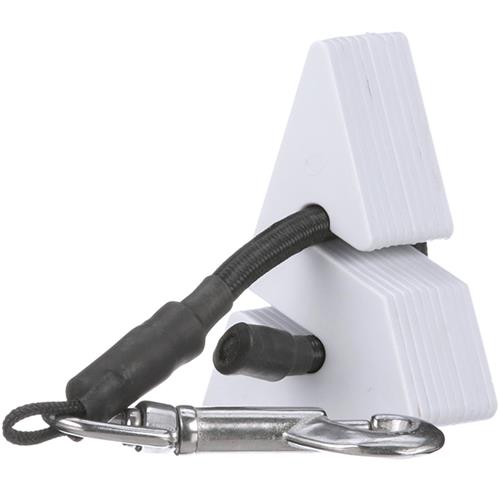
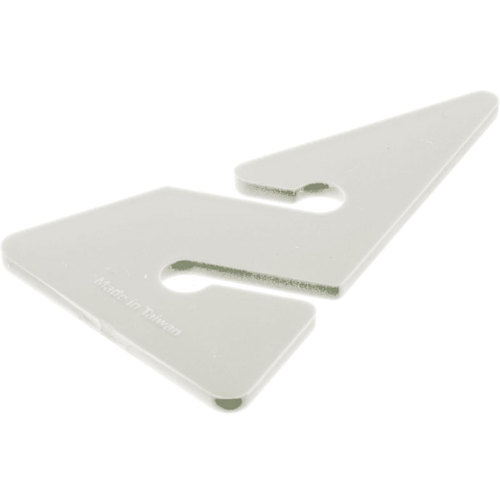
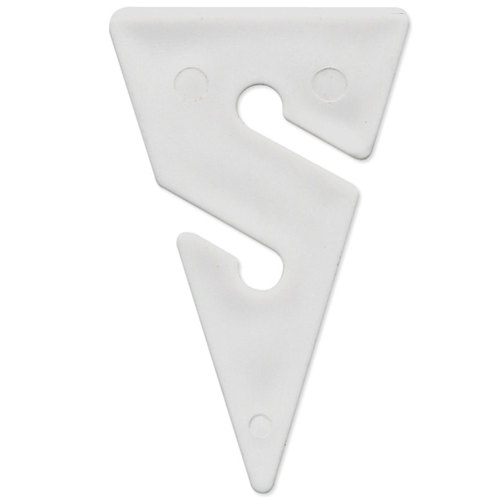
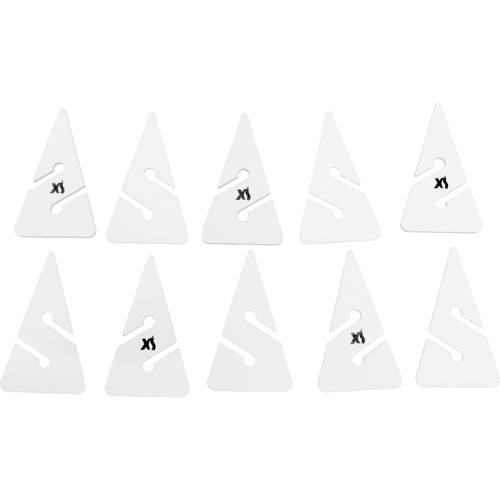
Cave diving markers are indispensable tools for those venturing into the intricate and often unforgiving environments of underwater caves. As the weather warms and dive conditions become more inviting, both seasoned explorers and newly certified cave divers find themselves gearing up for deeper, more complex dives. Professional cave diving markers—ranging from directional arrows to non-directional cookies and personalized survey markers—serve as tactile and visual lifelines, ensuring safe navigation when visibility drops or silt clouds the water. The use of these markers is not just a matter of convenience; it is a core practice in cave diving safety protocols. Directional cave diving line markers, often shaped as arrows, are designed to indicate the nearest exit, their pointed tips and secure cutouts offering unmistakable guidance even when a diver must rely solely on touch. In the winding passages and labyrinthine junctions of a cave system, these deep dive arrows become critical, pointing the way home and averting the disorientation that can occur during a silt-out or in low-light conditions.
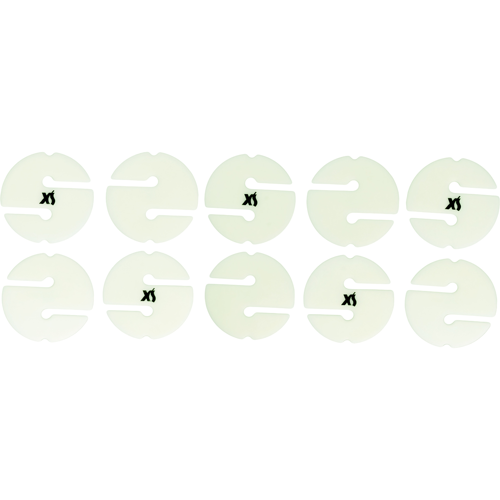
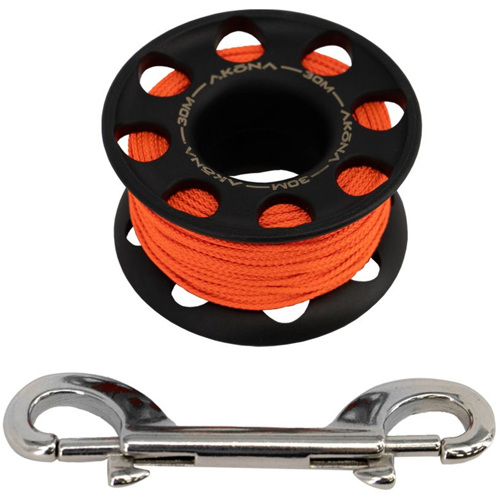
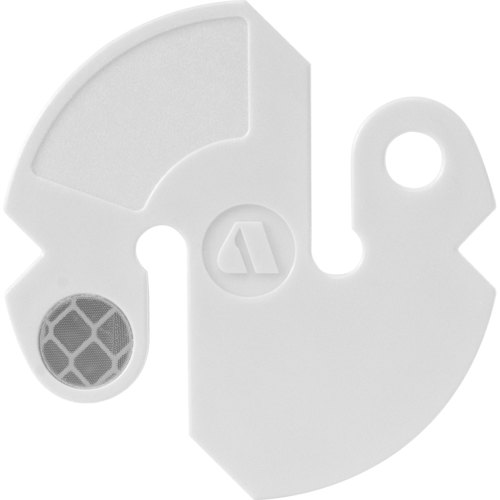
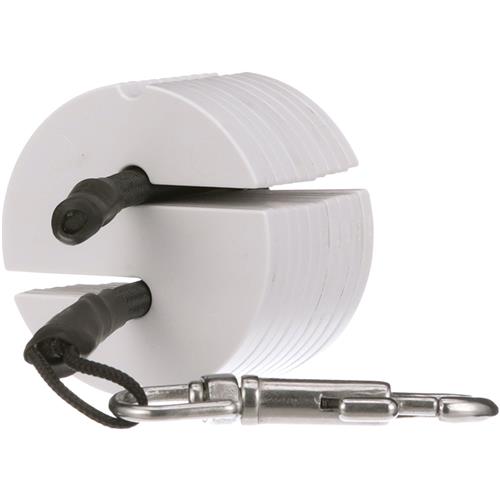
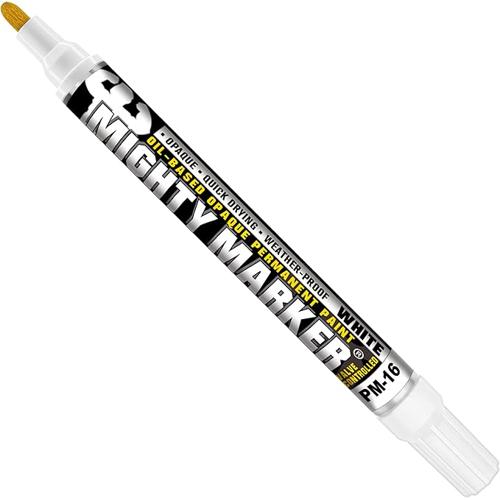
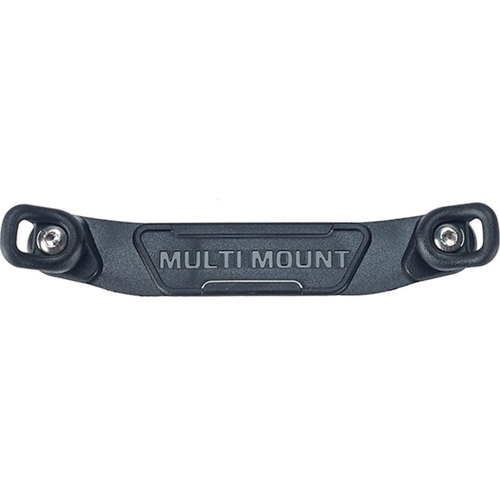
Non-directional cave markers, such as cookies or rectangular tags, also play a vital role in complex explorations. These markers are typically used by dive teams to mark their unique path or to identify specific junctions and waypoints within the cave. Personalization is common—many divers mark their cookies with initials or use color-coding to ensure clarity when multiple groups are exploring the same system. Advanced cave survey markers sometimes feature writable surfaces, allowing divers to record critical data such as gas switches, time limits, or emergency notes. These details can be the difference between a routine dive and a successful rescue, especially in caves where every passage looks similar. Storage and organization are equally important; divers often clip their markers together on a double-ended bolt snap or store them on a dedicated line marker holder attached to their harness, ensuring they are always within reach when needed. For those looking to gift a thoughtful and practical item to a cave diving enthusiast, a set of high-quality cave diving markers can be both a personal and safety-conscious choice, especially for divers preparing for advanced training or planning ambitious summer and early fall expeditions.
Whether you are a technical diver preparing for a challenging new site, an instructor guiding students through their first cave navigation exercises, or a passionate explorer mapping previously uncharted territory, the right selection of cave diving markers is essential. Considerations when choosing these tools should include durability, ease of use with gloved hands, visibility in low-light conditions, and the ability to personalize or label each marker. Investing in reliable, well-designed cave markers not only enhances your navigation but also contributes to the safety and efficiency of every dive. For those interested in a comprehensive overview of options and best practices for technical and cave diving, our
Technical Diving Line Markers page offers additional resources and product selections tailored to the needs of serious underwater explorers. As dive season stretches from the warmth of summer into the cooler months of early fall, equipping yourself with professional cave diving markers is a step toward safer, more confident exploration beneath the surface.