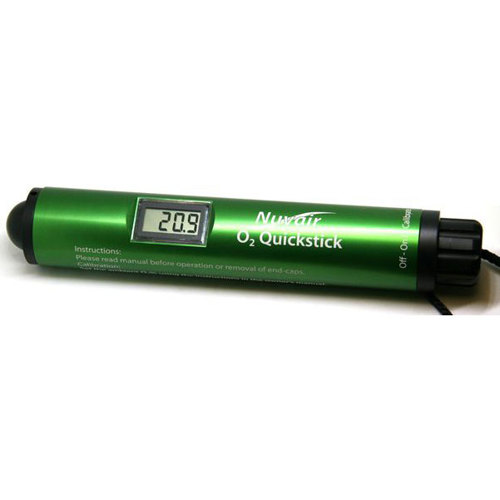
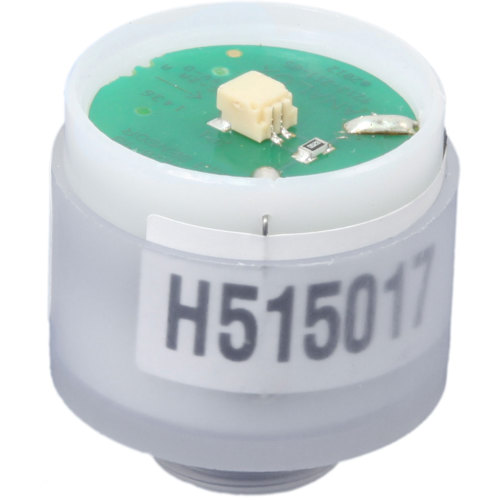
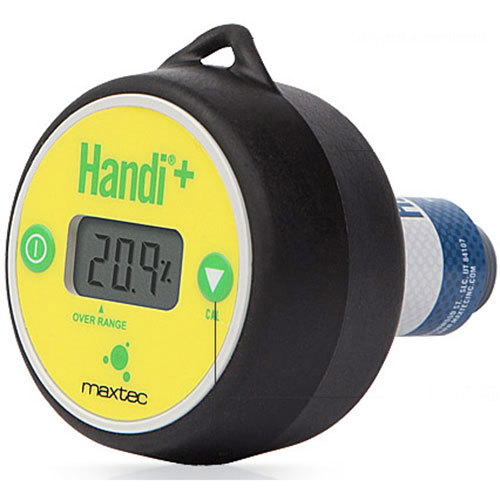
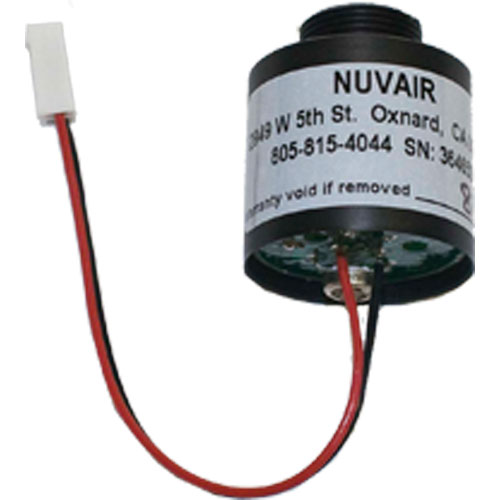
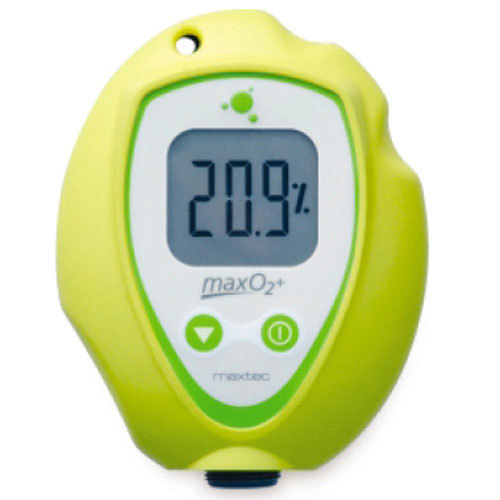
Oxygen sensors are essential components for a range of applications, from automotive engines to underwater exploration, and particularly for divers who prioritize safety and precision. In the context of scuba diving, a reliable scuba diving O2 sensor is a cornerstone of any diver’s gear, especially for those using rebreathers or mixed gas systems. These sensors monitor the levels of oxygen in the breathing loop, ensuring that the partial pressure of oxygen remains within safe limits throughout a dive. For technical divers or those exploring deeper or more challenging environments, the accuracy of an oxygen sensor can be the difference between a safe dive and a hazardous situation. As the warmer months of May and beyond usher in peak diving season, many enthusiasts and professionals alike take the opportunity to upgrade or replace their oxygen sensors, ensuring their equipment is in top condition before embarking on new underwater adventures. Whether you’re a seasoned diver prepping for a summer expedition or shopping for a thoughtful gift for an avid diver in your life, an oxygen sensor is a practical and meaningful choice that demonstrates care for their safety and success underwater.
When selecting an oxygen sensor, several critical factors come into play. First, compatibility with your device or rebreather system is paramount—always double-check manufacturer recommendations to ensure a seamless fit. Sensor lifespan is another key consideration, as these components have a finite operational life and should be replaced regularly to maintain accuracy. Many divers find it helpful to keep a spare oxygen sensor in their kit, especially when traveling to remote dive sites where replacements may not be readily available. Accuracy and response time are vital, as you want a sensor that provides real-time readings and reliable data, particularly when diving with enriched air or mixed gases. For those interested in diving with nitrox or other gas blends, it’s also worth exploring specialized options such as
Nitrox Sensors, which are designed to handle the unique requirements of these breathing mixtures. Seasonal maintenance is another important aspect—after a winter of storage, spring and early summer are ideal times to assess and refresh your sensors, ensuring they’re performing at their best before you hit the water.
Oxygen sensors are not only limited to scuba diving; they have a broad range of uses in fields such as automotive maintenance, industrial safety, and environmental monitoring. In vehicles, an oxygen sensor monitors the oxygen levels in exhaust gases, providing critical feedback to the engine control unit (ECU) to optimize the air-fuel mixture for efficiency and performance. Symptoms of a failing sensor include a check engine light, reduced fuel economy, rough idling, and failed emissions tests, making timely replacement essential for both regulatory compliance and engine health. For anyone who enjoys hands-on vehicle maintenance or is preparing a car for a summer road trip, having a dependable oxygen sensor is a smart investment. Whether you’re a diver, an automotive enthusiast, or someone who values precision and safety in their gear, oxygen sensors play a pivotal role in ensuring optimal performance and peace of mind. As you browse our curated selection of oxygen sensors, rest assured that each option is chosen with reliability, accuracy, and user needs in mind—so you can focus on your next adventure, whether it’s beneath the waves or on the open road.