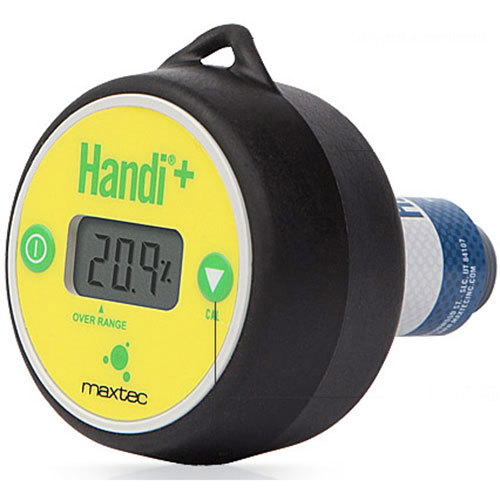
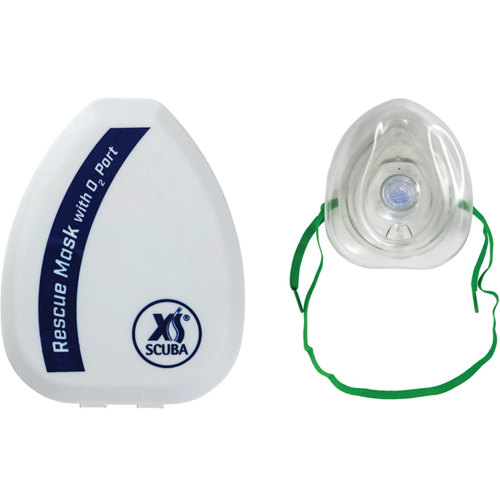
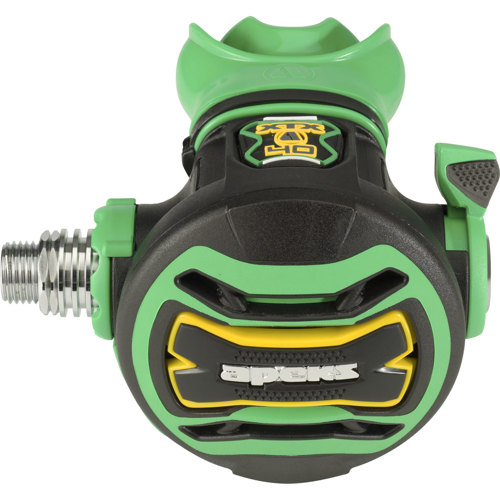
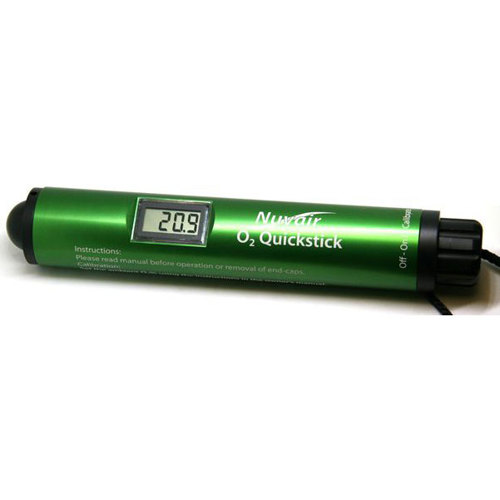
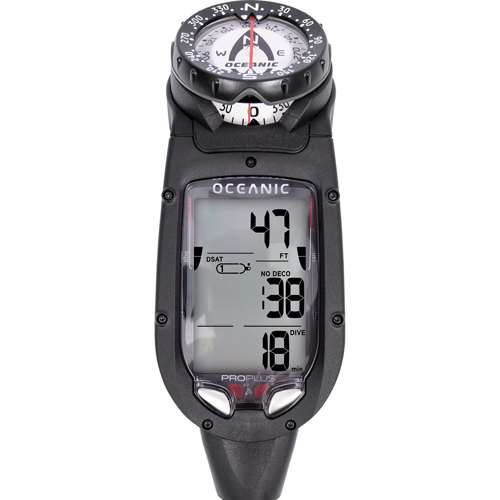
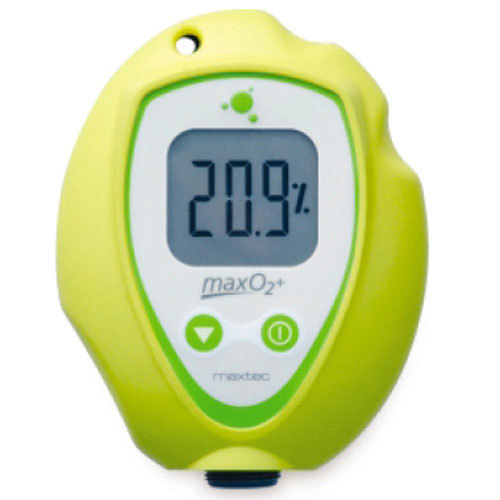
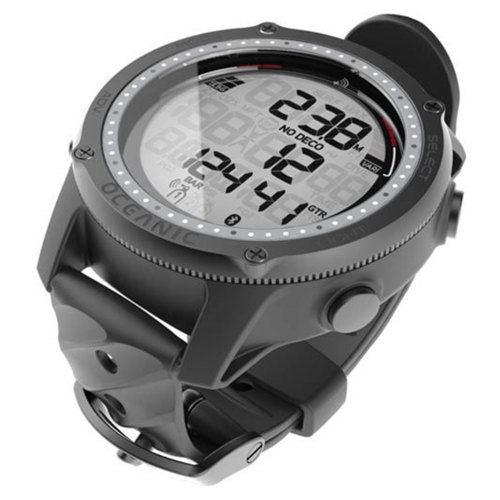
Oxygen monitoring devices are indispensable tools for anyone serious about health, fitness, or safety in environments where oxygen levels can fluctuate. Whether you’re a scuba diver preparing for a winter dive trip, an athlete training at altitude, or someone managing a respiratory condition, these compact devices provide peace of mind and actionable insights with just a simple fingertip reading. As the crisp February air signals the transition from winter to spring, many divers and outdoor enthusiasts are planning their next adventure—making it an ideal time to ensure your gear includes reliable oxygen monitoring. These devices, often in the form of fingertip pulse oximeters, wearable rings, or handheld sensors, use advanced light-based technology to measure blood oxygen saturation (SpO2) and pulse rate quickly and non-invasively. The data can be invaluable: a diver can double-check their oxygenation after surfacing from a cold-water dive, while a hiker in the mountains can monitor for signs of altitude sickness. Even in everyday life, those with asthma, COPD, or sleep apnea rely on these monitors to track their health and respond promptly to any changes. Many families also keep a pulse oximeter in their home first aid kit, ready to check on loved ones during flu season or after respiratory illness.
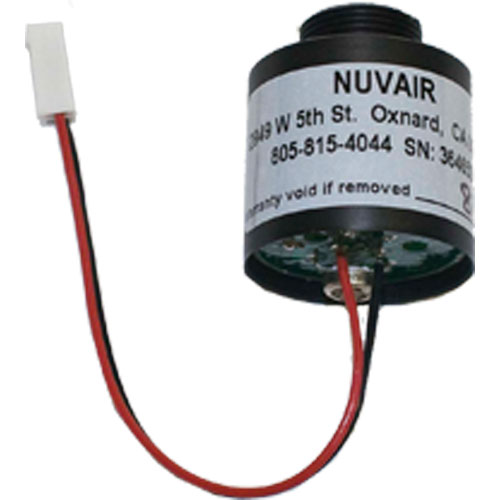
Choosing the right oxygen monitoring device involves considering how, where, and how often you’ll use it. For divers and travelers, portability and durability are key—look for models that are lightweight, water-resistant, and have a secure, comfortable fit, especially if you’ll be using it in cold or wet conditions. Athletes and fitness enthusiasts may prefer wearable options that provide continuous monitoring during extended activity or overnight, while those managing medical conditions might prioritize devices with larger displays, simple controls, and the ability to store or transmit readings for sharing with healthcare providers. Accuracy is always crucial, but it’s important to remember that factors like cold hands, nail polish, and movement can affect readings; warming your hands and staying still during measurement can help ensure reliable results. These devices also make thoughtful gifts for anyone who values health and wellness, from parents and grandparents to training partners and adventure buddies. There’s a quiet reassurance in knowing you can check your oxygen levels at a moment’s notice, whether you’re winding down after a brisk February hike or preparing for a spring dive trip. For those interested in more advanced or specialized monitoring, exploring related options like
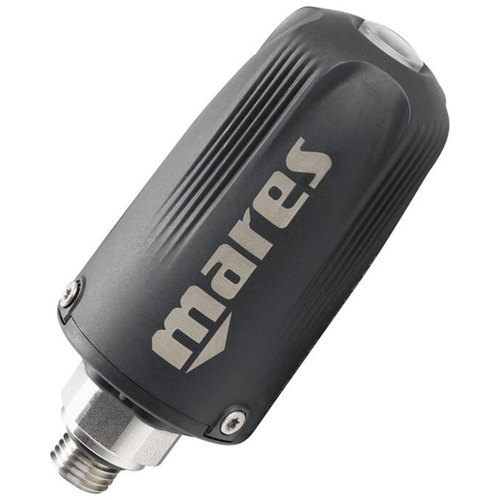
Oxygen Sensors can further enhance your safety and preparedness, especially in technical diving or professional settings.
The versatility and ease of use of modern oxygen monitoring devices have made them a standard part of many personal and professional gear kits. In the world of scuba and underwater sports, they serve as a bridge between recreational enjoyment and safety protocols, helping divers track their recovery and readiness before, during, and after time in the water. In healthcare and fitness, they empower users to set benchmarks, track progress, and catch early signs of trouble—sometimes making all the difference in timely intervention. The technology has evolved to be user-friendly and accessible, with clear digital displays and intuitive controls that make them suitable for users of all ages and experience levels. As you browse the selection of oxygen monitoring devices, think about your unique needs, the environments you frequent, and the features that will best support your activities and well-being. With the right device at your fingertips, you can approach each new season and adventure with confidence, knowing you have a reliable window into your body’s vital signs.