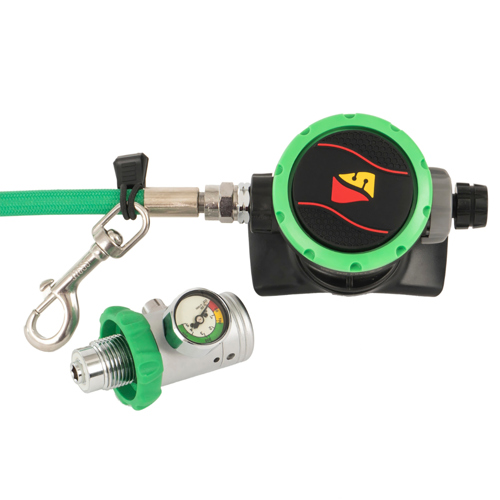
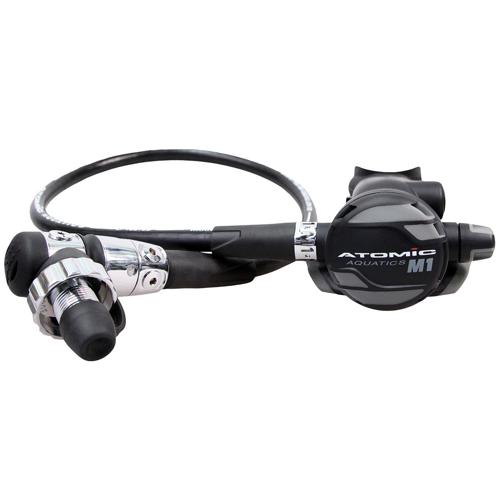
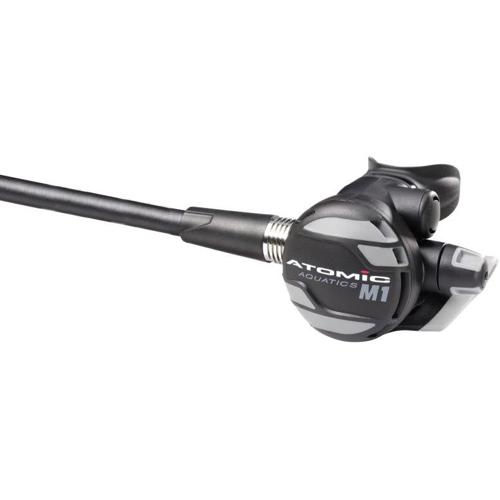
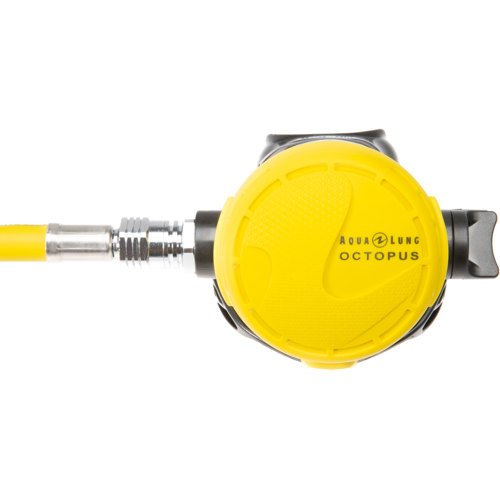
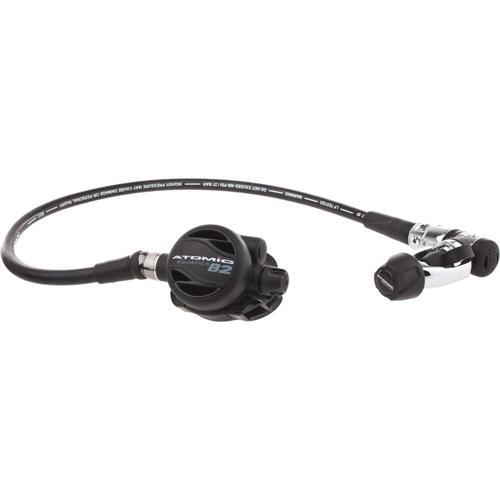
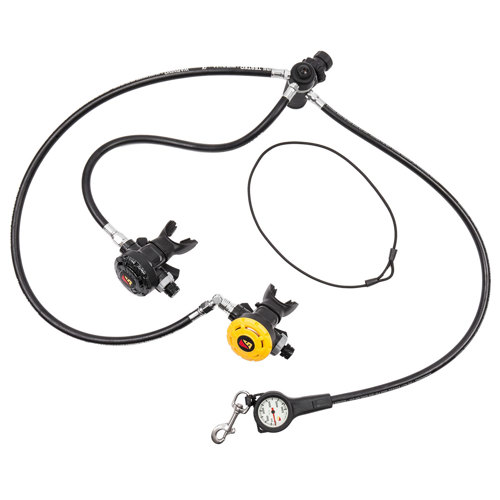
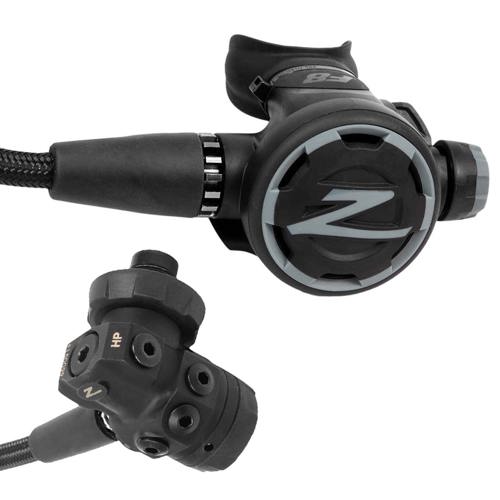
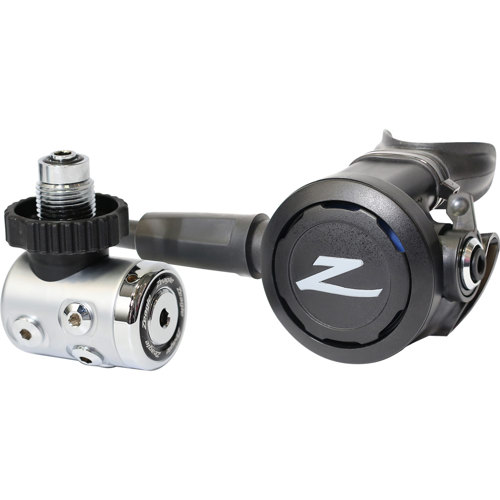
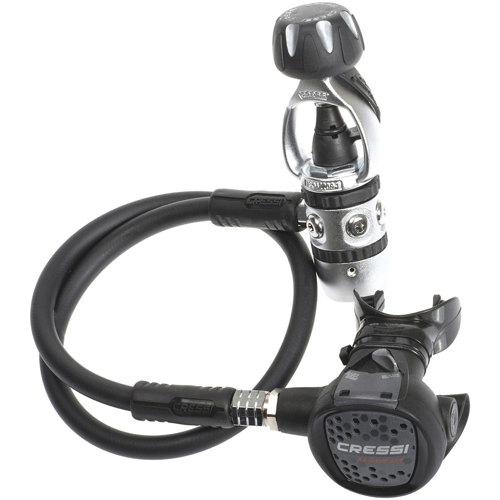
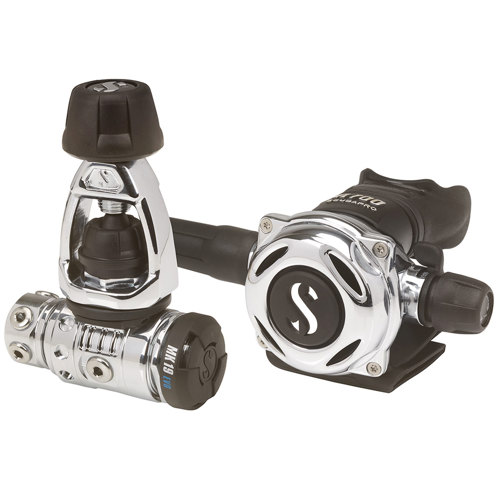
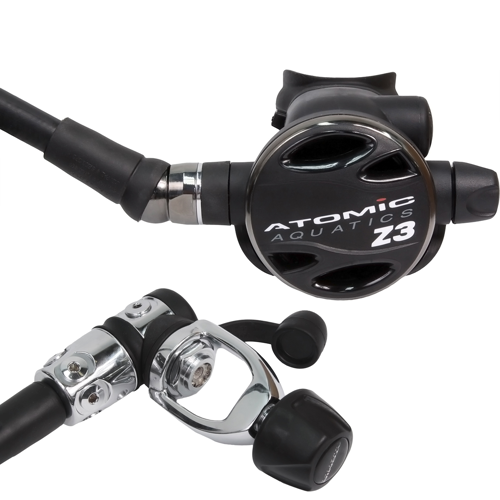
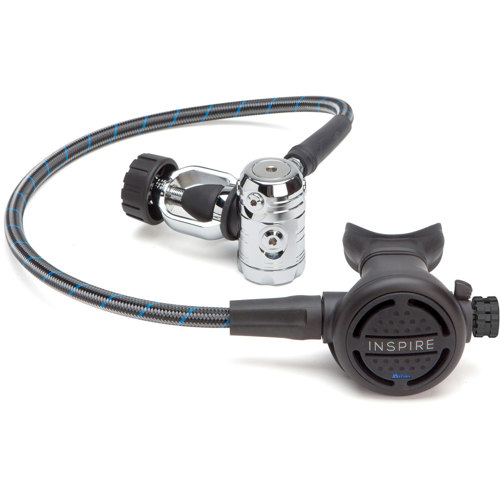
Oxygen regulators are essential safety devices designed to precisely control the flow of high-pressure oxygen from a storage cylinder, transforming it into a steady, breathable supply for medical or emergency use. Whether you’re a healthcare professional, a caregiver supporting a loved one at home, or an outdoor enthusiast preparing for high-altitude adventures, selecting the right o2 regulator is a critical step in ensuring both safety and comfort. These regulators are engineered with reliability at their core, typically featuring a pressure gauge to monitor tank levels, a flow selector for adjusting the liters per minute (LPM), and robust connections like the CGA-870 yoke to secure the device to the oxygen cylinder. The gauge is your constant companion, letting you know when your tank is full—usually around 2,000 PSI—or when it’s time to consider a refill as levels dip below 1,000 PSI. The flow selector dial, meanwhile, offers the flexibility to tailor oxygen delivery, whether it’s a gentle stream via nasal cannula for home therapy or a higher flow for emergency response situations.
As spring arrives and outdoor activities increase, so does the demand for portable and reliable oxygen delivery systems. For those in the diving community, understanding the nuances of scuba oxygen and surface support equipment is crucial, especially when preparing for longer excursions or remote dive sites. An o2 regulator is not only vital in medical settings but can also be a thoughtful and practical gift for individuals managing chronic respiratory conditions or for those who maintain emergency preparedness kits at home or on the road. When choosing among oxygen regulators, it’s important to consider compatibility with your cylinder type, the required flow rates, and the durability of key components such as the O-ring or seal washer, which are essential for preventing leaks. Regular maintenance—such as checking for hissing sounds that indicate leaks, replacing worn seals, and storing tanks upright and secure—ensures that the equipment performs reliably when needed most. Never use oil or grease on any part of the regulator, as high-pressure oxygen can react dangerously with these substances; this safety tip is especially important for those new to oxygen therapy or emergency response.
For divers and professionals who work with enriched air mixtures, there are specialized options designed to handle higher concentrations of oxygen, offering peace of mind and enhanced safety. If your needs extend beyond standard medical oxygen delivery—such as for technical diving or working with nitrox blends—explore our selection of
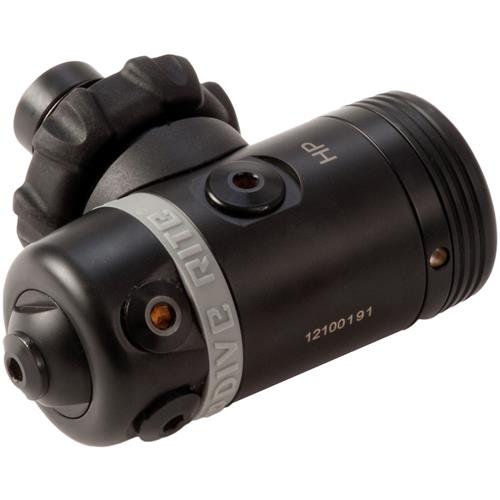
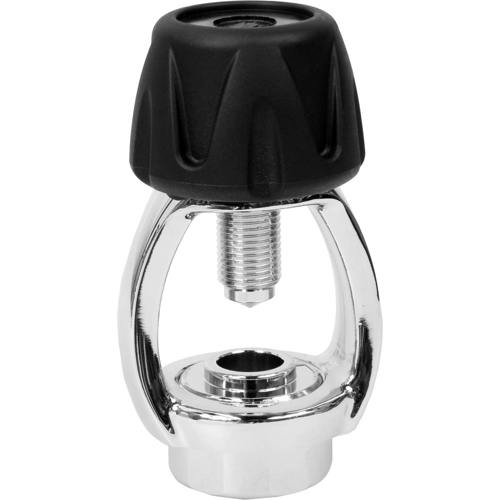
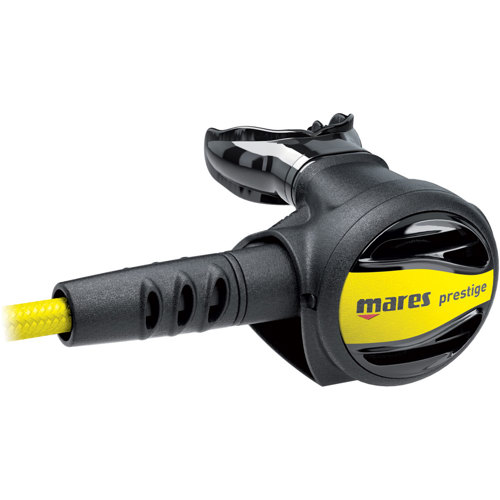
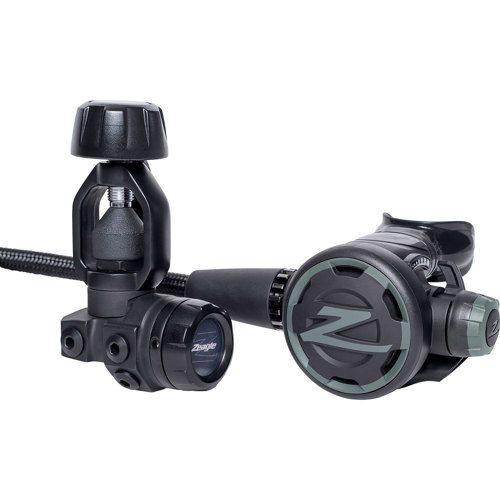
Nitrox Regulators for compatible equipment that meets rigorous standards. Whether you’re equipping a medical facility, assembling a first aid kit for expeditions, or providing care to someone in your family, investing in a high-quality oxygen regulator is an act of preparedness and compassion. The right regulator provides not only a lifeline in emergencies but also the confidence to face each day’s adventures and challenges, knowing you have reliable control over your oxygen supply. With thoughtful selection, proper maintenance, and an understanding of your unique requirements, an oxygen regulator becomes more than a piece of equipment—it becomes an essential partner in safety and wellbeing, ready to support you wherever the season takes you.