Oxygen Supplies
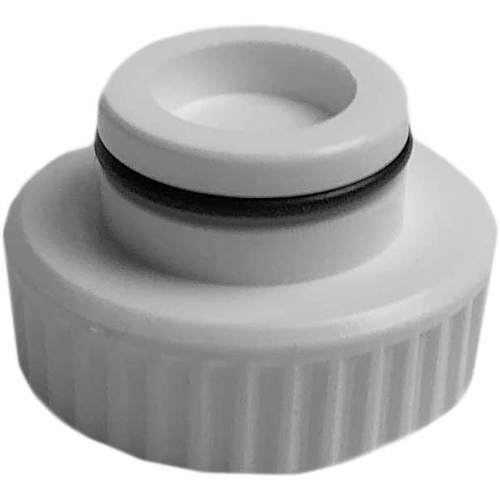
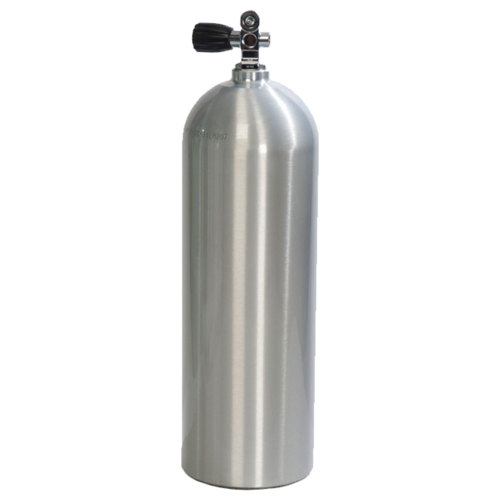
Oxygen supplies play a crucial role for divers, water sports enthusiasts, and anyone engaging in activities where monitoring and maintaining safe oxygen levels is essential. Whether you’re preparing for a summer of extended dives, gearing up for a series of snorkeling trips, or simply restocking your kit for the season, understanding the different types of oxygen supplies and their uses can make a real difference in safety and performance. The core components of any oxygen supply setup typically include an oxygen source—such as a stationary concentrator for home use, a portable oxygen concentrator for mobility, or traditional compressed tanks—paired with delivery devices like nasal cannulas or face masks that ensure oxygen is administered efficiently and comfortably. Accessories such as tubing, humidifier bottles, and carrying cases round out these systems, making them adaptable for both routine and emergency scenarios. For those who spend long hours on the water, especially as the weather warms and activity increases, having reliable oxygen supplies on hand can be a lifeline, offering peace of mind and a quick response option should the need arise.
When selecting oxygen supplies, it’s important to consider the specific needs and experience level of the user. Divers and underwater explorers often require robust, portable solutions that can withstand the rigors of travel and variable environments, while individuals managing medical conditions may prioritize home-based concentrators with advanced humidification and filtration features. Many families and dive teams also keep spare accessories—like extra tubing or replacement cannulas—readily available, ensuring their equipment remains in top condition throughout the active months. Oxygen supplies can also make thoughtful and practical gifts for loved ones who are passionate about diving or water sports, especially for those preparing for certification courses, group expeditions, or extended trips where access to professional medical facilities may be limited. It’s essential, however, to remember that supplemental oxygen should always be used under the guidance of a qualified healthcare provider, and equipment should be set up and serviced by a reputable Durable Medical Equipment (DME) provider to ensure safety and compliance with medical recommendations.
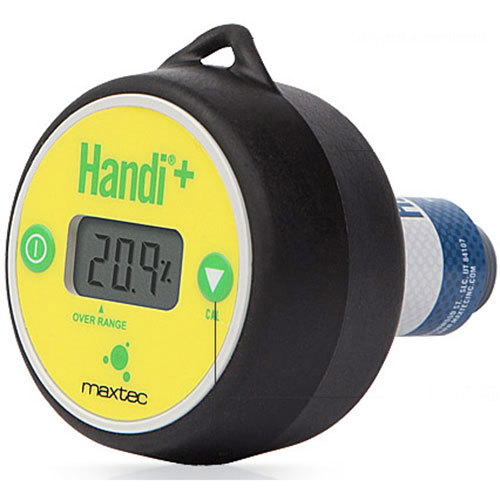
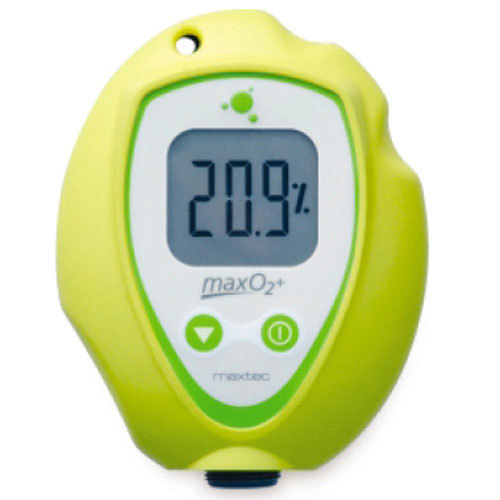
For anyone looking to maintain the highest safety standards during their aquatic adventures, regular monitoring of oxygen levels is just as important as having the right supply equipment. Incorporating reliable oxygen monitoring devices into your routine can help you track and manage oxygen saturation, whether you’re at home, on the boat, or underwater. For more information on the latest monitoring technologies and expert advice on selecting the right tools for your needs, visit our
O2 Monitoring page. By staying informed and prepared, you can enjoy all the excitement of the season’s activities while prioritizing the well-being of yourself and those around you.