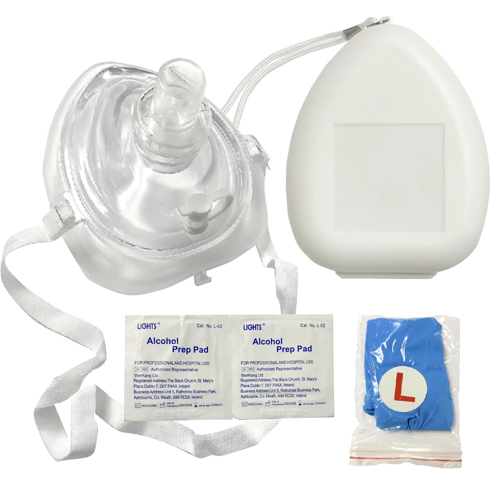
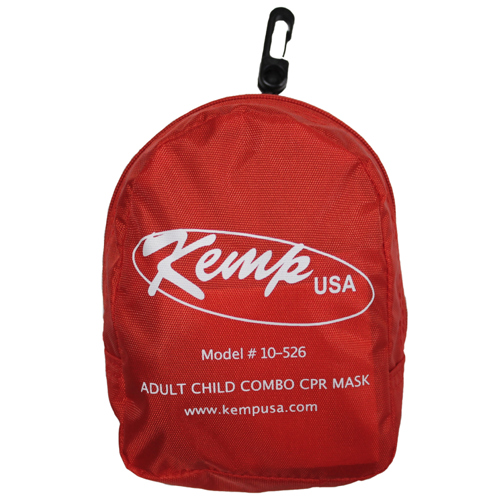
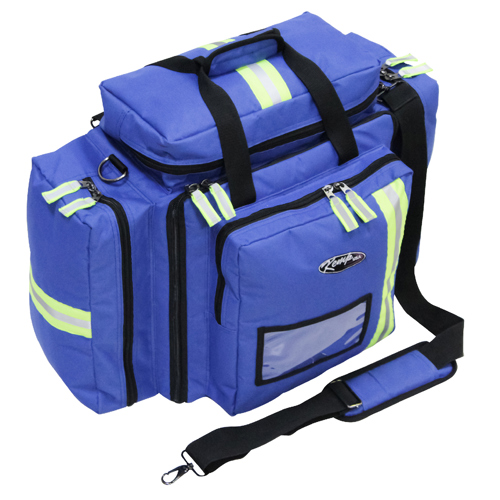
When planning any water-based adventure, from a day at the local pool to a week-long diving expedition, reliable first aid supplies are as crucial as your wetsuit or snorkel. The importance of being prepared becomes especially clear as the weather warms in May, drawing more people to the shorelines and reefs. Whether you’re a seasoned diver, a casual snorkeler, or someone organizing a family beach outing, having a well-stocked first aid kit ensures that minor mishaps—like scrapes from coral, blisters from fins, or sunburn—don’t interrupt your fun or compromise safety. The right supplies provide peace of mind, allowing you to respond quickly to common injuries such as cuts, abrasions, and stings. A comprehensive kit typically includes wound care essentials like adhesive bandages in various sizes, sterile gauze pads for larger injuries, non-stick dressings to protect sensitive wounds, and butterfly bandages for closing small cuts. Elastic bandages are invaluable for sprains or strains, especially when exploring uneven terrain or rocky entry points. For cleaning and disinfecting wounds, antiseptic wipes and solutions are indispensable, helping prevent infection when freshwater isn’t readily available.
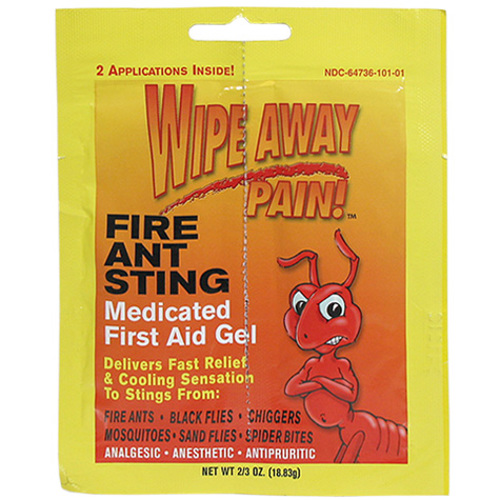
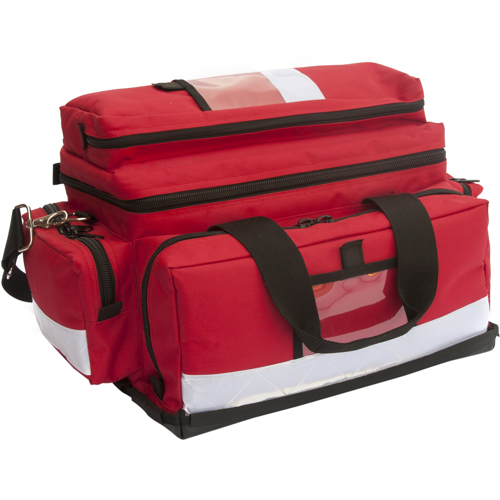
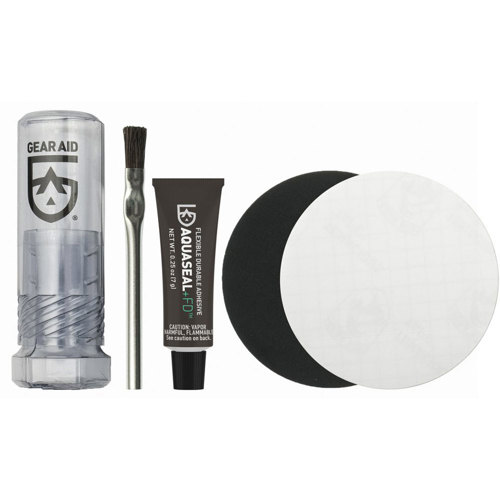
Selecting first aid supplies for aquatic environments requires a bit more consideration than for typical household kits. Waterproof packaging is vital to keep dressings and medications dry, while compact, portable designs make it easy to stow your kit in a dive bag or boat compartment. Many divers and snorkelers also include specialized items such as sting relief pads, burn gel, and waterproof adhesive tape, which are particularly useful for treating jellyfish stings, sunburn, or keeping dressings secure during extended water exposure. For group outings or dive clubs, a larger kit with extra supplies ensures there’s enough to go around, while solo adventurers might favor a streamlined, lightweight version. First aid kits also make thoughtful gifts for outdoor enthusiasts, new divers, or anyone embarking on a travel adventure, showing you care about their safety and readiness. As you prepare for the active summer season, it’s worth reviewing the differences between a first aid kit vs snorkel set—both are essential, but only one can help you address unexpected injuries and keep everyone enjoying the water safely. For a detailed checklist of what to include, explore our
Essentials For First Aid Kits guide to make sure your kit is up to the task.
No matter your level of experience, first aid knowledge and supplies should be as integral to your gear as your mask or fins. On remote beaches or boats far from immediate medical help, the ability to treat wounds, manage sprains, and address minor medical issues can make all the difference, turning a potential emergency into a manageable inconvenience. Parents, instructors, and group leaders often find that carrying extra supplies—like antihistamines for allergic reactions, scissors for cutting tape or clothing, and instant cold packs for swelling—adds an extra layer of preparedness. Even if you never need to use your kit, its presence allows you to focus on the beauty and excitement of the underwater world, confident that you’re ready for whatever comes your way. As the diving and snorkeling season ramps up, now is the perfect time to refresh your supplies, check expiration dates, and ensure everything is organized and accessible. A well-prepared first aid kit is not just a box of bandages—it’s an essential companion for every aquatic explorer, offering reassurance and readiness wherever your adventures take you.