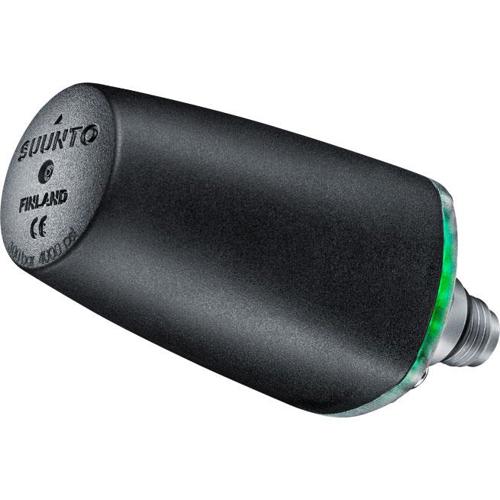
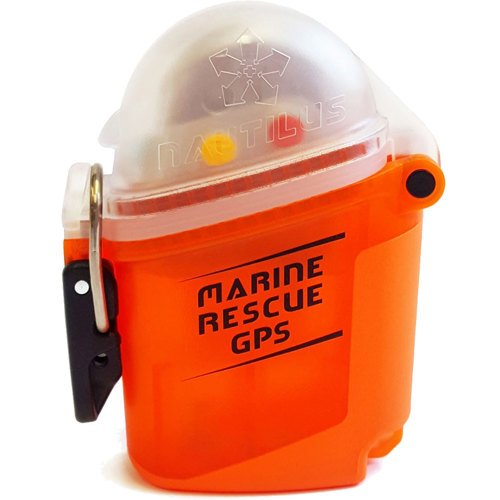
Life saving equipment is fundamental to every water-based adventure, whether you’re a seasoned diver, a weekend sailor, or someone exploring marine environments for the first time. As the weather warms and more people head to the coast, lakes, and rivers, the importance of reliable lifesaving devices becomes even more pronounced. These essential tools—ranging from lifejackets and lifebuoys to immersion suits, signaling devices, and survival kits—are designed to maximize safety and preparedness in unpredictable aquatic environments. For divers, snorkelers, boaters, and marine biology enthusiasts alike, equipping yourself with the right gear is about more than compliance or peace of mind; it’s about ensuring the safety of yourself and those around you when every second counts. Whether you’re outfitting a vessel for family outings, preparing for a liveaboard expedition, or assembling a kit for scientific fieldwork, understanding the role and function of each piece of life saving equipment is crucial. Items like emergency position-indicating radio beacons (EPIRBs), flares, and audible alarms are indispensable for signaling distress and guiding rescuers to your location, while personal flotation devices and thermal protective aids offer critical support against hypothermia and exhaustion in open water. For first responders and rescue professionals, specialized scuba diving equipment for first responders ensures rapid, effective action in emergencies, bridging the gap between incident and intervention.
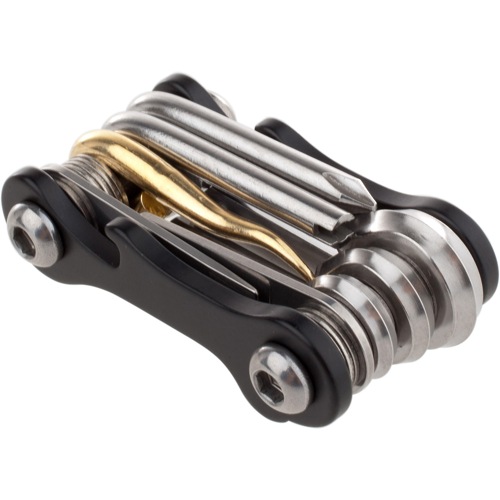
Choosing the right life saving equipment involves careful consideration of your environment, activities, and the specific risks you may encounter. For instance, those venturing into colder waters will benefit from immersion suits and thermal aids, which provide insulation and buoyancy during prolonged exposure. Fitness enthusiasts who incorporate marine biology equipment for fitness activities or travelers embarking on research expeditions may also require portable survival kits and compact signaling devices for remote or unfamiliar locations. These kits often include water rations, nutrient-dense food, first-aid supplies, and multi-purpose tools, ensuring you’re prepared for extended periods away from immediate help. Lifeboats, life-rafts, and rescue boats are critical for group safety during larger-scale evacuations, while lifebuoys and throwable flotation devices are a staple on every deck, ready to assist anyone who unexpectedly enters the water. For families, gifting lifesaving devices can be a thoughtful gesture—an investment in shared experiences and peace of mind during summer holidays and outdoor celebrations. The versatility of modern life saving equipment means it’s just as valuable to the solo adventurer as it is to the crew of a research vessel or the team of a marine rescue operation.
As you prepare for your next aquatic journey, remember that safety is a shared responsibility and that the right gear can make all the difference. International standards, such as those set by the International Maritime Organization, guide the development and deployment of lifesaving devices, ensuring they meet rigorous requirements for reliability and effectiveness. Staying informed about the latest advancements—such as integrated alarm systems, compact survival kits, and advanced signaling technology—can help you adapt to changing conditions and evolving best practices. Whether you’re updating your personal kit, outfitting a vessel, or searching for marine biology equipment for travelers and fitness enthusiasts, comprehensive planning is key. For a broader overview of essential gear that complements life saving equipment, explore our dedicated
Emergency Equipment page, where you’ll find resources and recommendations to help you stay safe and prepared throughout the season and beyond.