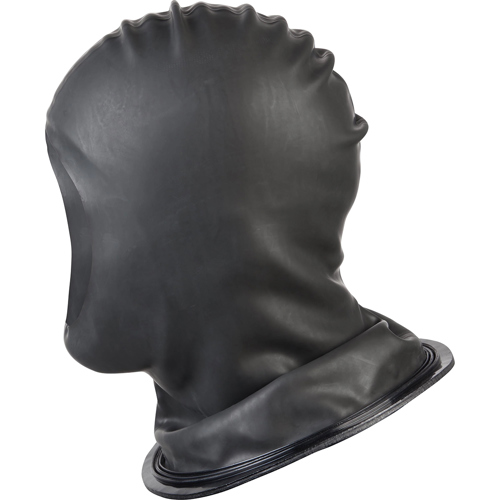
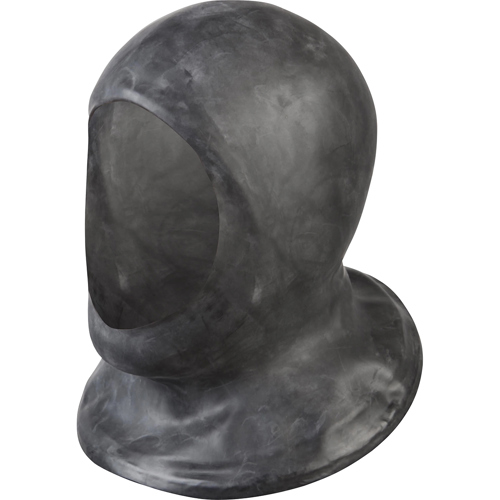
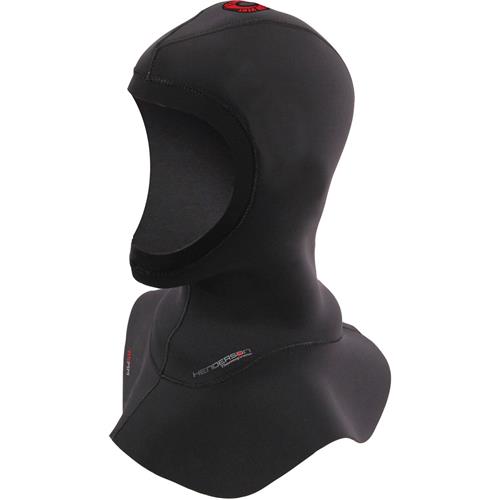
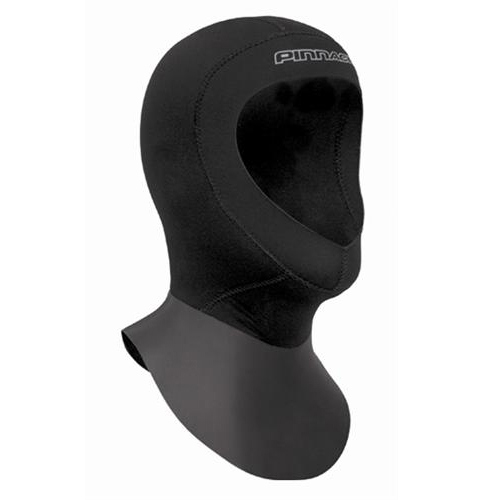
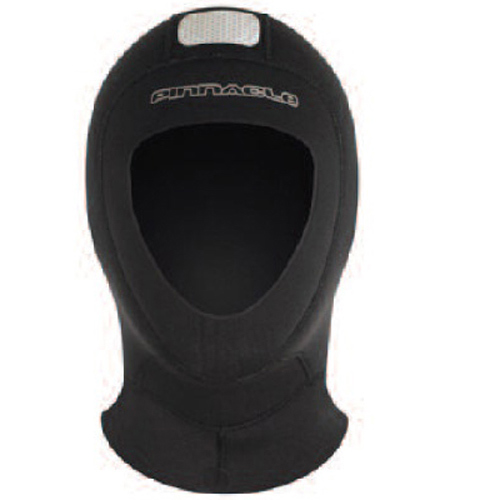
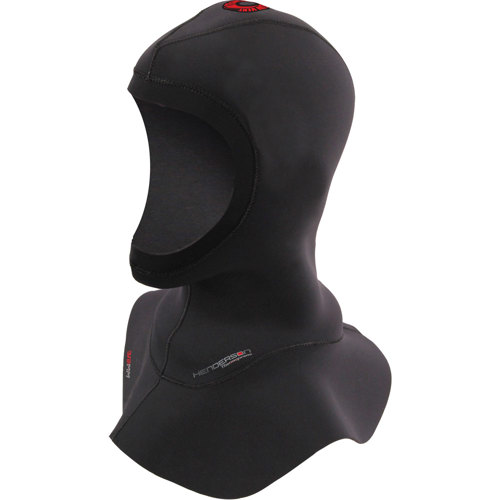
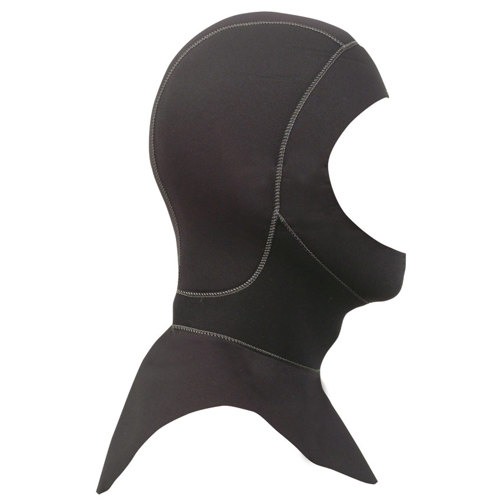
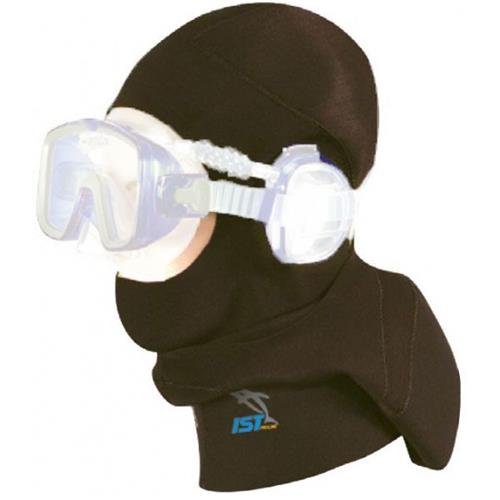
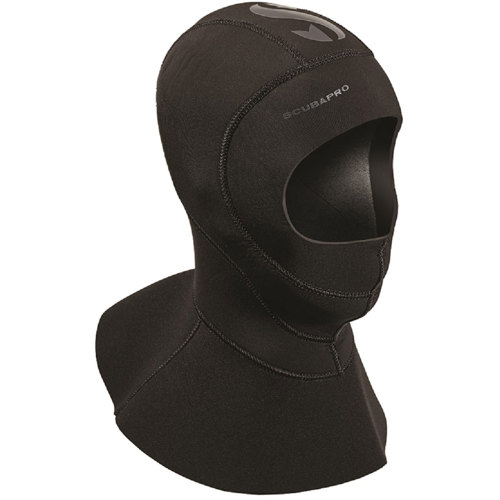
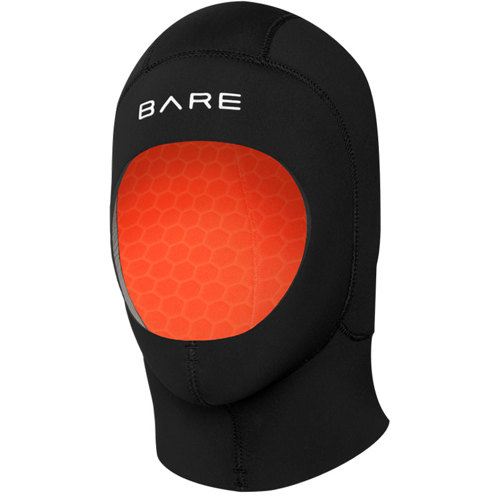
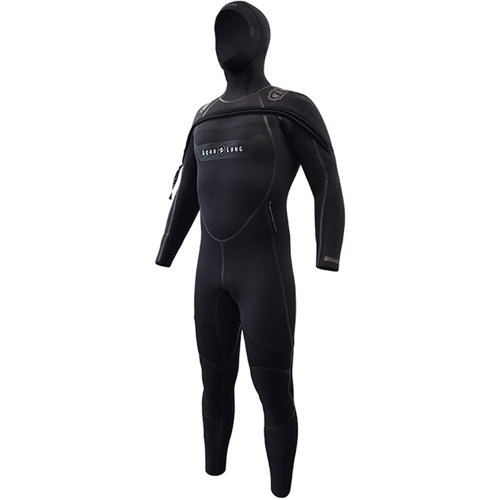
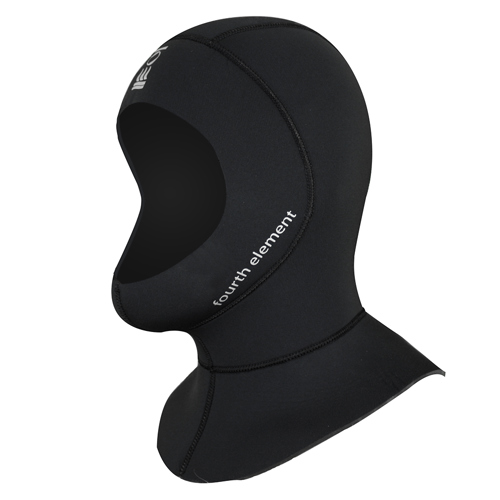
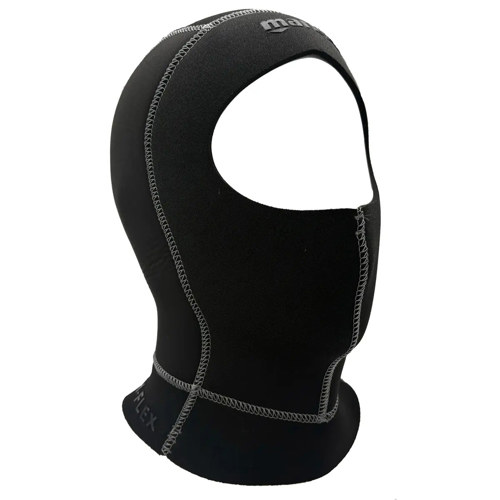
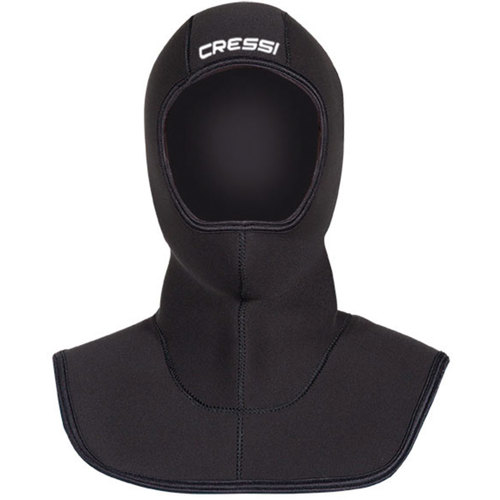
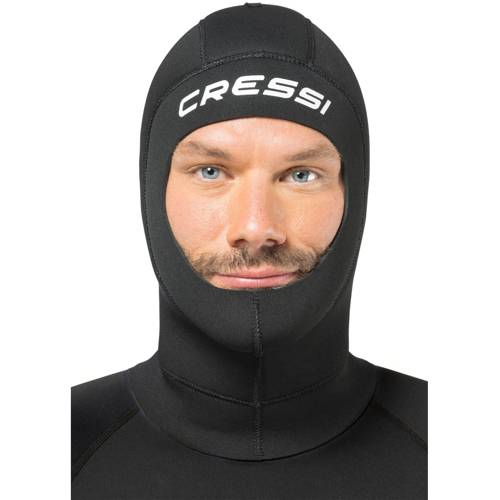
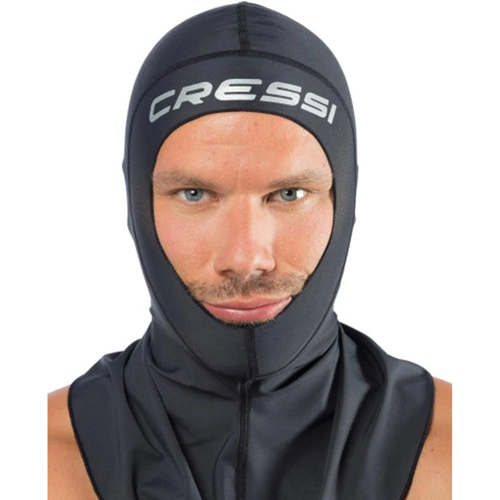
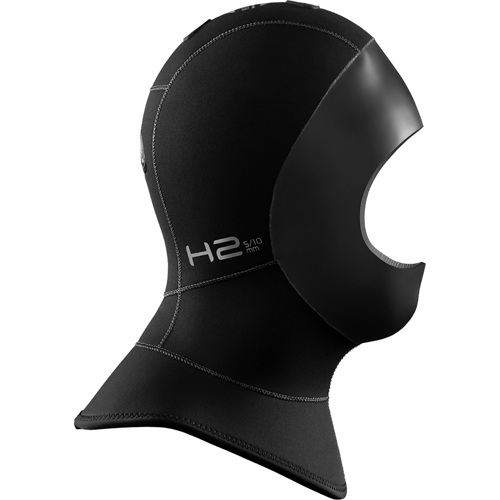
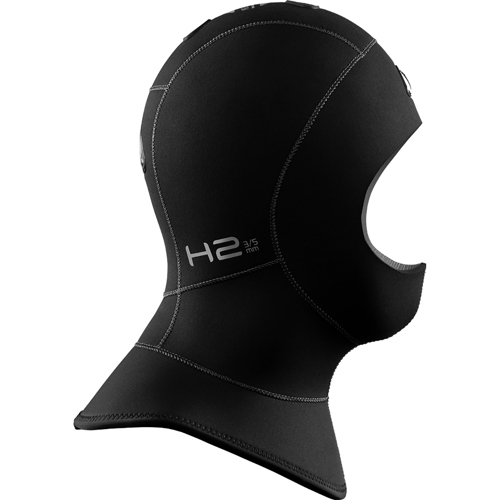
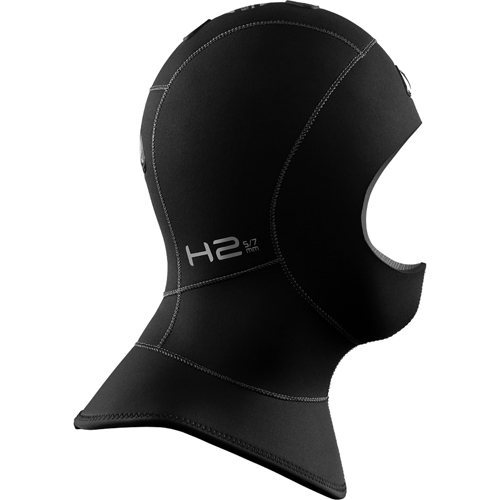
Latex diving hoods are a cornerstone of cold-water and technical diving, offering a unique blend of protection, comfort, and adaptability for a wide range of underwater environments. As winter transitions into spring and water temperatures remain brisk, these hoods become an essential part of a diver’s kit, particularly for those venturing into colder climates or challenging conditions. The hallmark of a latex scuba hood lies in its ability to create a reliable, watertight seal around the head and neck, effectively preventing water ingress and minimizing heat loss—an invaluable feature for anyone who has felt the chill seep in during a long dive. The snug fit of latex not only preserves warmth but also enhances safety by keeping contaminants at bay, making these hoods a preferred choice for professional divers, scientific researchers, and anyone exploring areas with compromised water quality. For divers who regularly wear a latex scuba suit or a steamer wetsuit, integrating a latex hood ensures a continuous barrier, further elevating thermal protection and comfort during extended underwater excursions.
Selecting the right latex diving hood involves careful attention to fit, thickness, and compatibility with other gear. A hood that’s too tight can cause discomfort or headaches, while one that’s too loose risks flushing and heat loss. Many latex hoods feature customizable face openings that allow divers to trim for a personalized fit, ensuring both security and ease of donning. It’s common practice to pair a latex hood with a hood liner, which adds an extra layer of thermal insulation and protects sensitive areas like the ears. This combination is especially beneficial on early spring mornings or during deep dives, when the water can sap body heat rapidly. Maintenance is another critical consideration: latex requires regular rinsing with fresh water after each use and should be stored away from direct sunlight and heat to preserve its elasticity and lifespan. Divers who take the time to care for their underwater latex gear often find it remains supple and reliable season after season, ready for any adventure that calls. For those who wish to complete their protective ensemble, pairing a latex diving hood with matching accessories such as
Latex Diving Gloves can further enhance warmth and safety, especially in the demanding environments of technical, rescue, or contaminated water diving.
Latex diving hoods also make thoughtful and practical gifts for the dedicated diver in your life, particularly for those who are passionate about year-round exploration or who are gearing up for a cold water wetsuit adventure. The gift of reliable warmth and protection is one that seasoned divers appreciate, especially when embarking on early season dives or venturing into new, colder territories. Whether it’s for a friend preparing for a certification course, a loved one joining a scientific survey, or an experienced diver upgrading their kit, a high-quality latex scuba hood underscores a commitment to safety and comfort. The tactile sensation of pulling on a well-fitted hood, the reassuring seal, and the knowledge that you’re shielded from the elements all contribute to a more enjoyable and focused dive. In the ever-changing conditions of spring diving, when water temperatures can surprise even the most seasoned adventurers, the right latex hood is more than just a piece of gear—it’s a vital companion that supports every underwater journey.