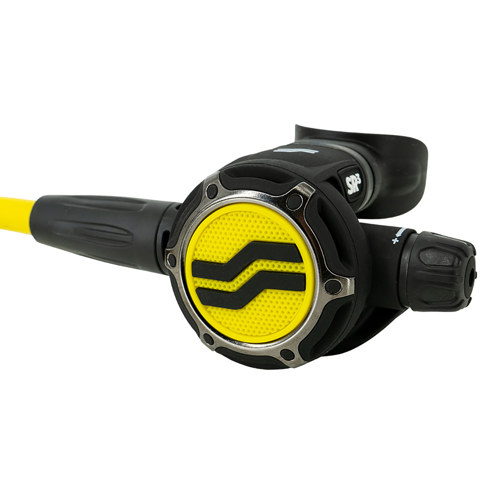
Diving Redundant Systems
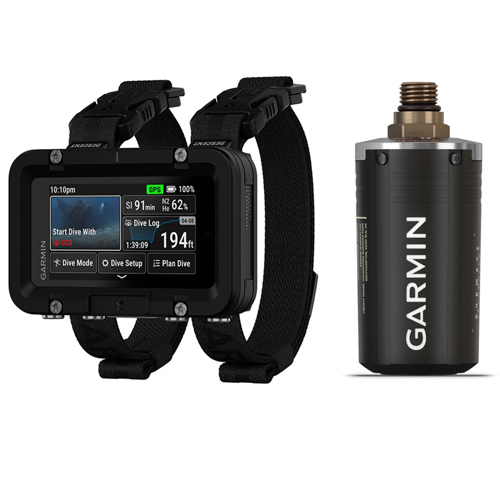
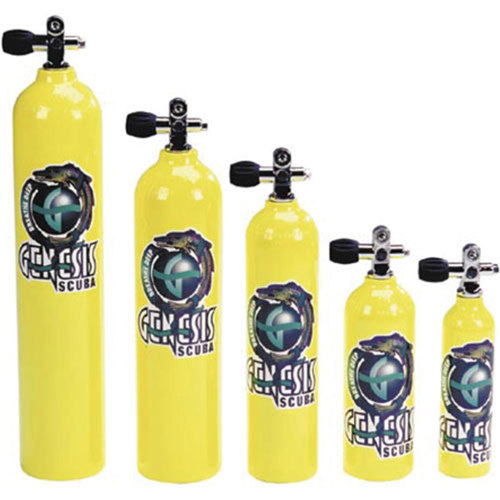
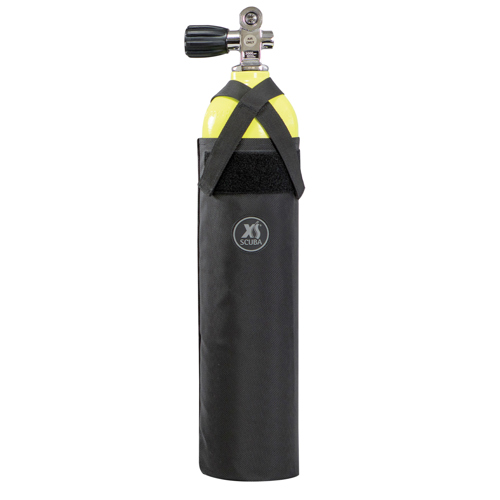
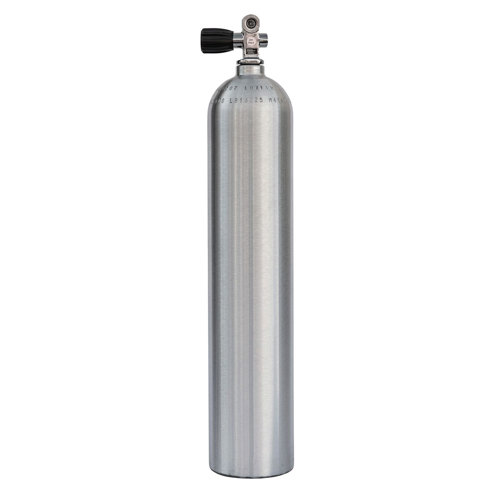
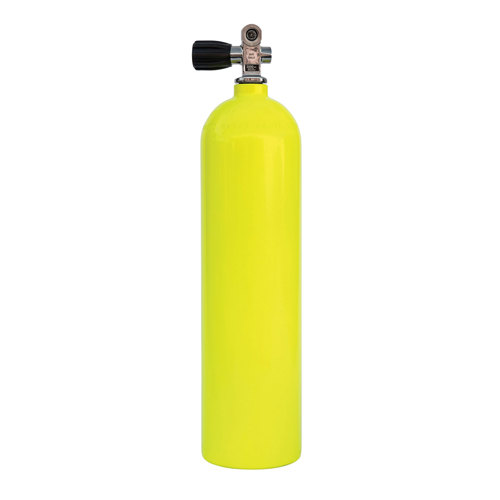
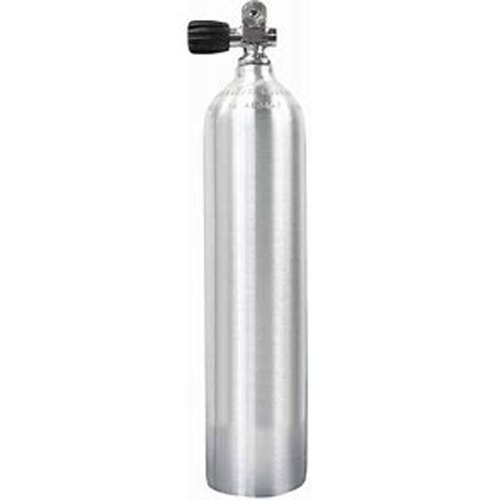
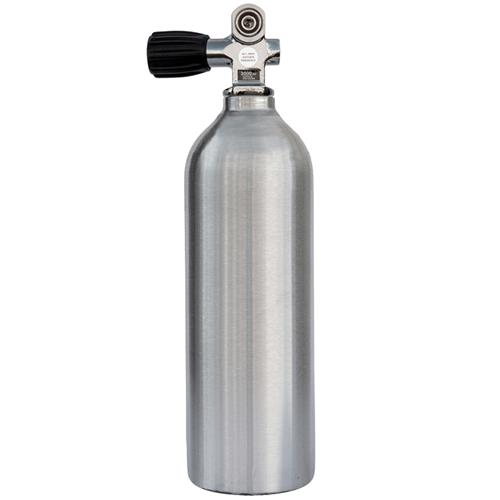
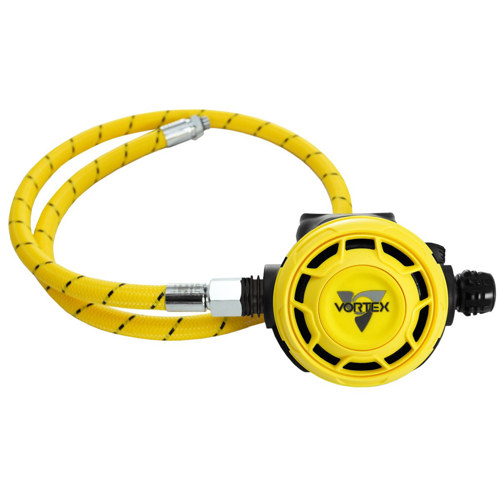
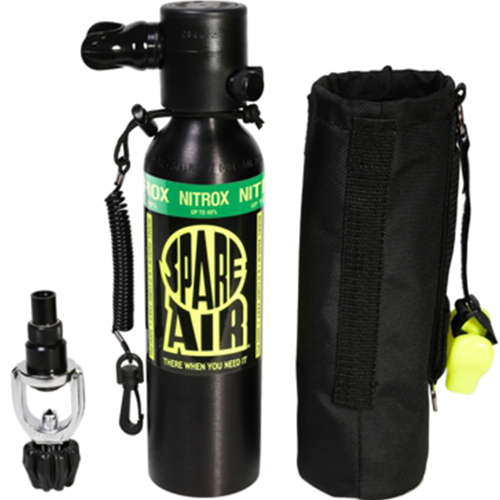
Diving redundant systems are a cornerstone of safe and self-reliant underwater exploration, especially for those venturing beyond recreational limits or into environments where a direct ascent is not always possible. Whether you’re planning a deep wreck dive, exploring intricate cave systems, or simply want greater peace of mind on your next open water adventure, redundant systems provide a critical layer of backup for life-support components. These systems encompass a range of equipment, from independent air cylinders and delivery system components scuba divers rely on, to backup buoyancy devices and redundant electronics such as dive computers and depth gauges. For divers who have completed advanced training, such as the PADI Self Reliant Diver course, using redundant systems isn’t just about ticking a box—it’s about embracing a philosophy of preparedness and self-sufficiency. Carrying an extra air source, such as a pony bottle or a compact dideep mini scuba tank, means you’re equipped to handle unexpected situations, like a primary regulator malfunction or a buddy being out of reach. This is especially important in the cooler months of February, when water temperatures can drop and equipment performance may vary, making backup systems even more essential for maintaining safety and comfort at depth.
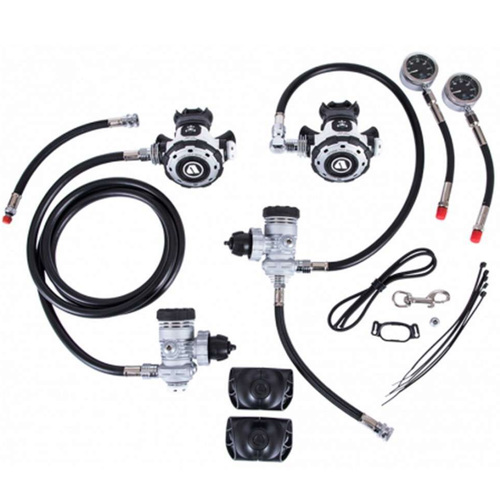
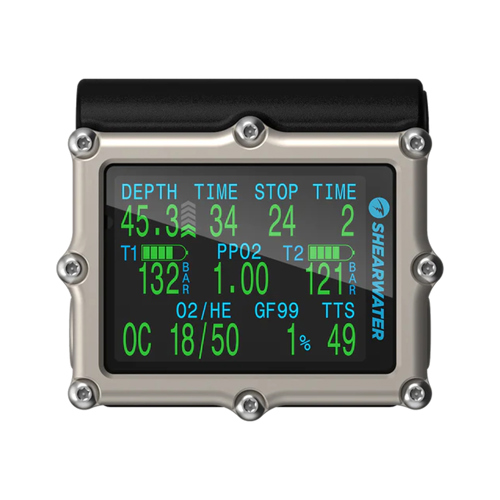
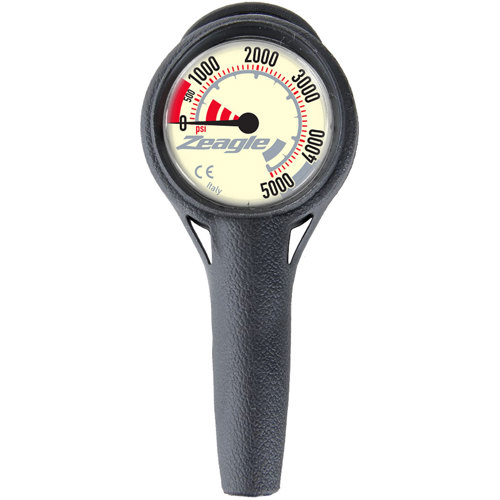
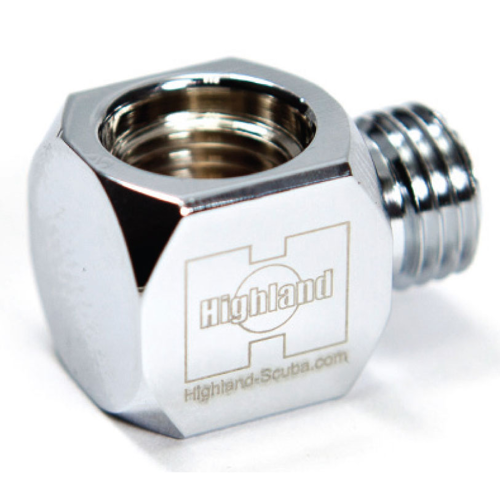
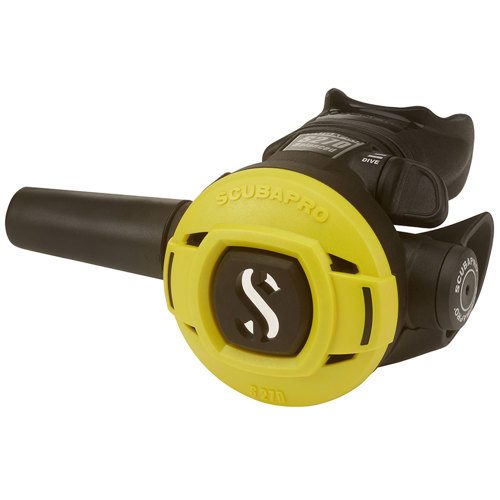
Selecting the right redundant gear involves careful consideration of your diving style, the environments you frequent, and your level of training. Technical and deep sea diving equipment often integrates redundant air supplies—completely separate cylinders with independent regulators and pressure gauges—to ensure that any failure in the primary system does not compromise your ability to ascend safely. An air shuttle valve can add an extra layer of convenience and security by allowing seamless switching between gas sources. For those who regularly dive in overhead environments, such as caves or wrecks, redundant buoyancy control systems, like dual-bladder BCDs or drysuits, are essential for maintaining control if your primary lift device fails. The need for backup electronics cannot be overstated; a secondary dive computer or depth gauge ensures you can always track your decompression status, even if your main device malfunctions. While these additional pieces of equipment increase the complexity of your kit and require extra attention to maintenance and streamlining, the trade-off is a significant reduction in risk and greater confidence to explore more challenging sites. Redundant systems are not just for seasoned technical divers—they also make thoughtful gifts for ambitious dive buddies who are working toward advanced certifications or who frequently travel to remote dive destinations where immediate assistance may not be available.
Integrating redundant systems into your diving routine is about more than just carrying extra gear; it’s about adopting a mindset of self-reliance and responsibility for your own safety and that of your dive team. Proper training is crucial, as managing multiple independent systems demands familiarity with gear configuration, emergency protocols, and buoyancy control. Many divers find that building a modular setup, where components can be easily swapped or upgraded, streamlines both packing and in-water adjustments. For those interested in exploring more about modular approaches to equipment, our
Diving Modular Systems page offers valuable insights into customizing your kit for versatility and safety. Whether you’re preparing for your next cold-water dive this February or planning a series of technical dives in the months ahead, investing in well-chosen redundant systems ensures that you’re ready to handle the unexpected and to fully enjoy the freedom and adventure that diving offers.