Diving Lift Capacities
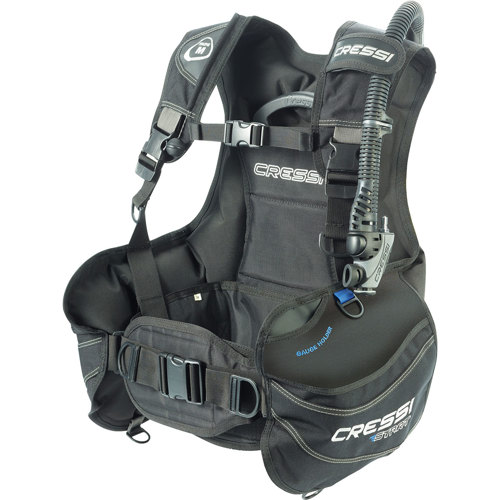
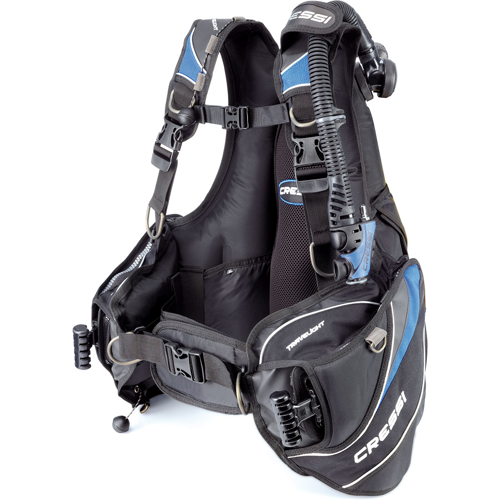
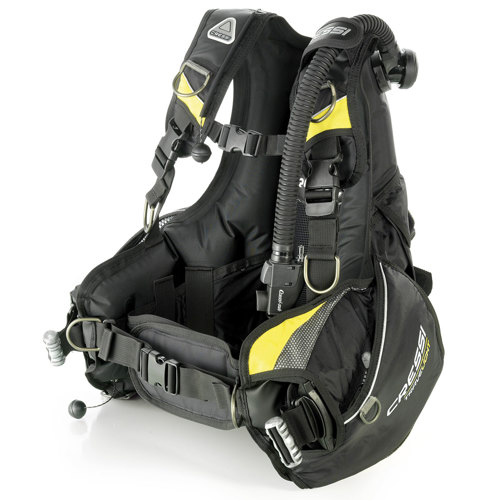
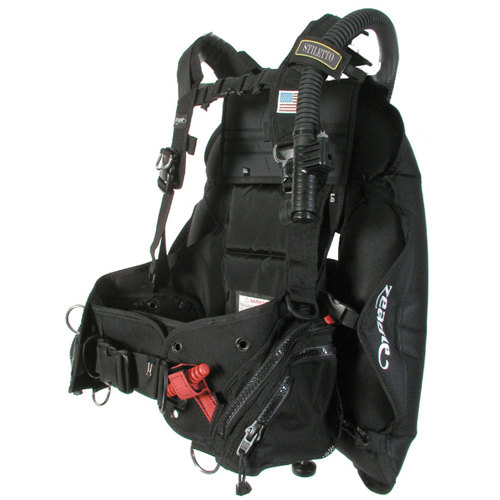
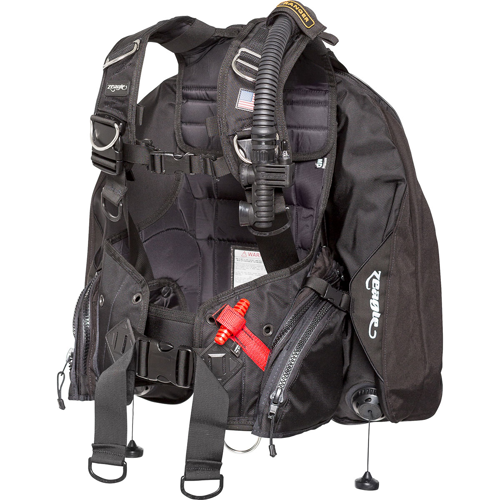
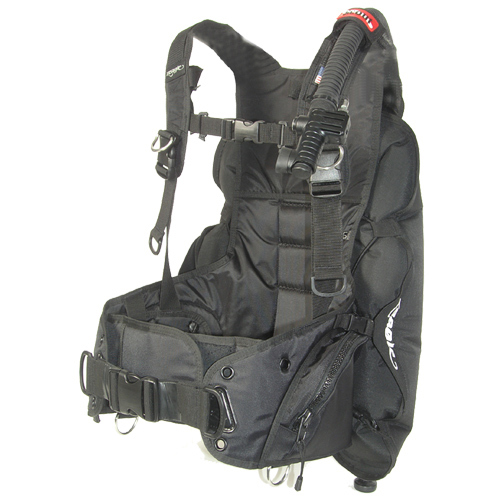
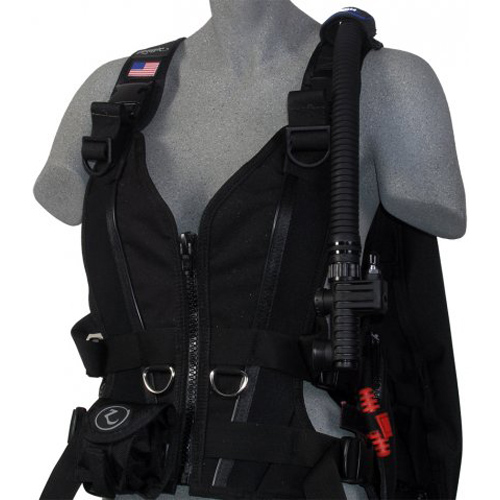
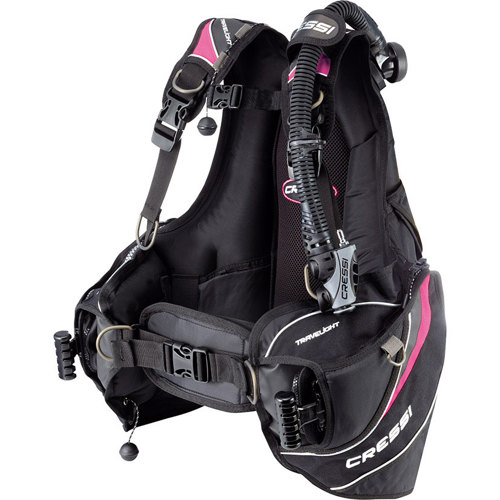
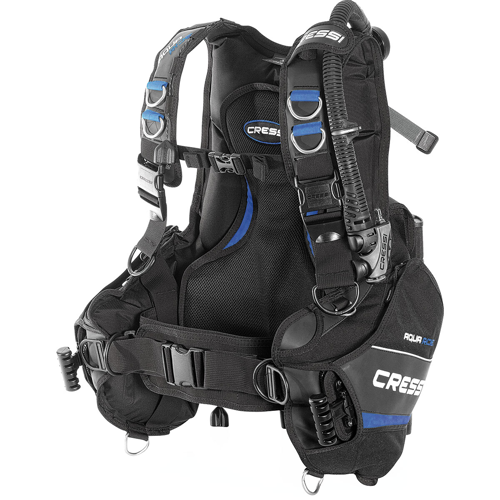
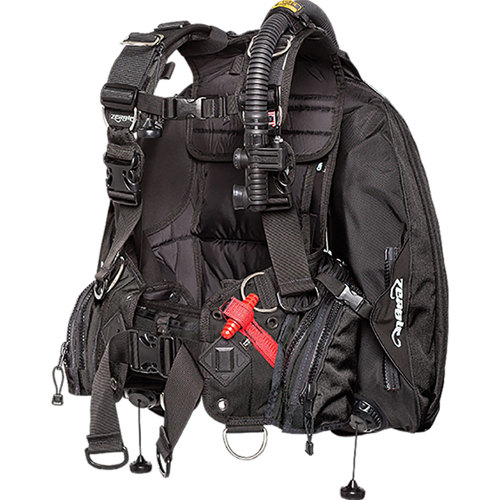
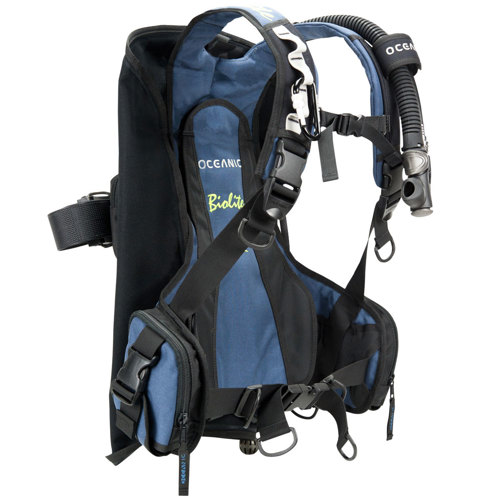
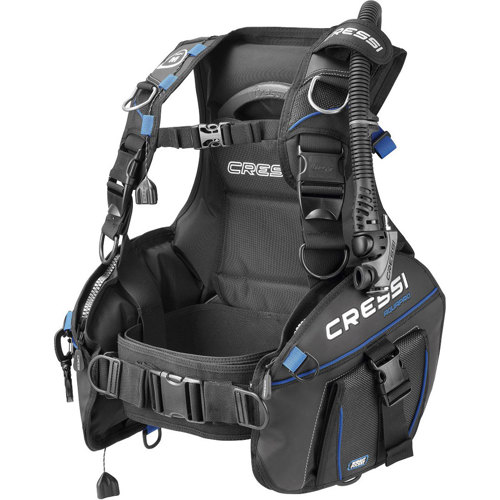
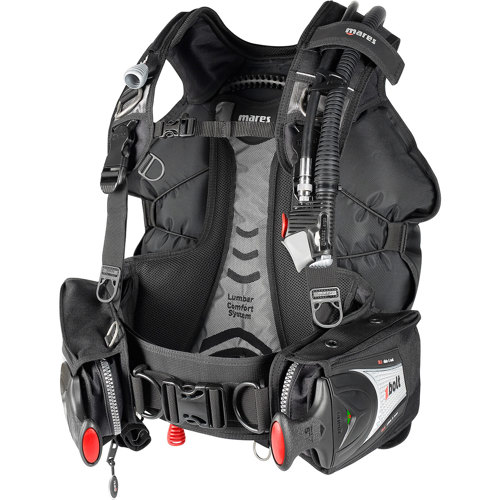
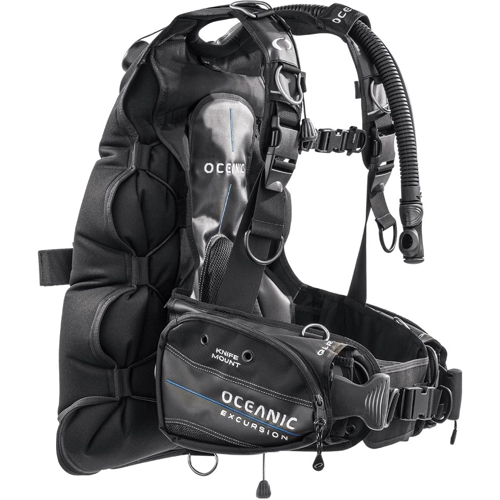
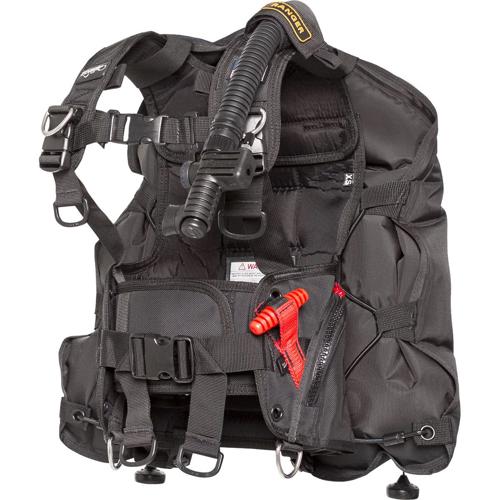
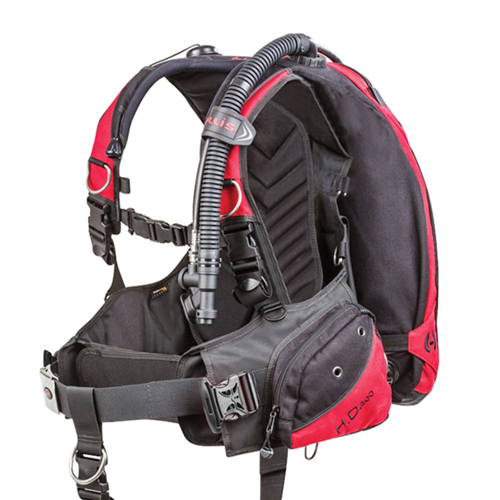
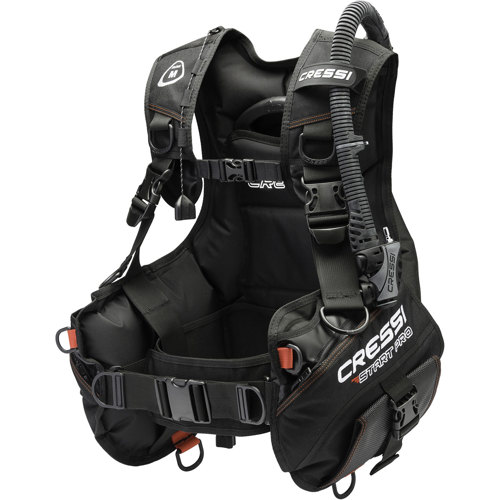
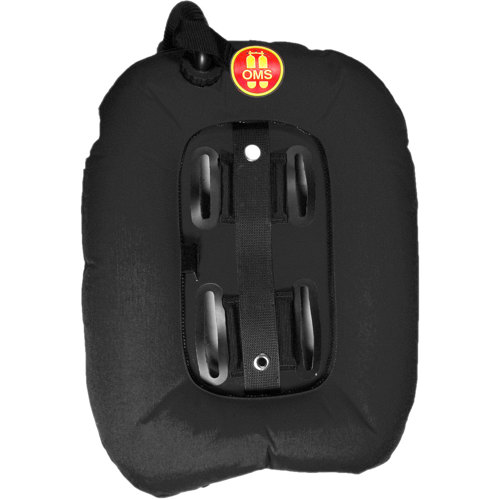
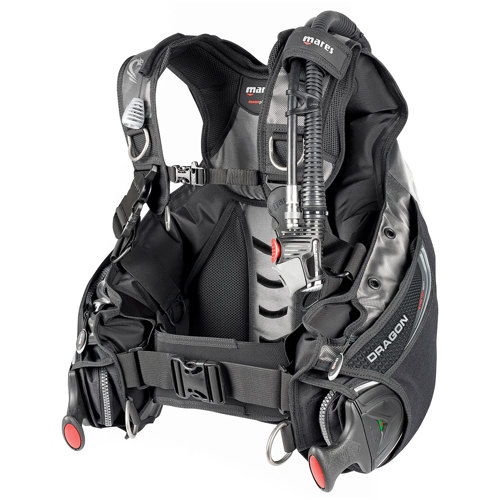
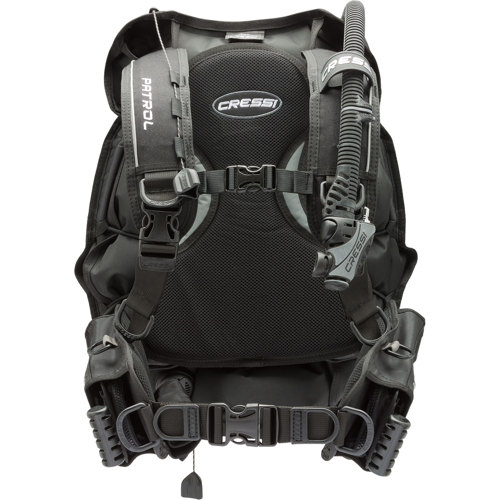
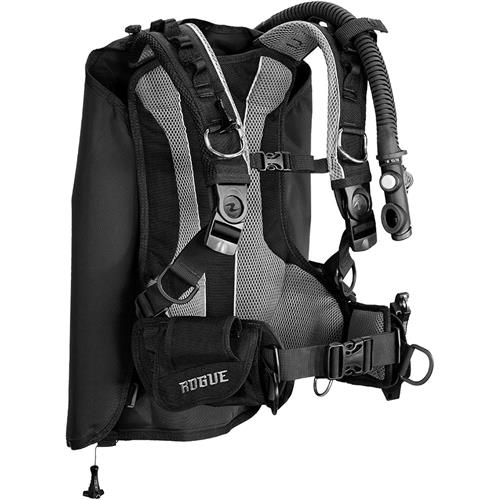
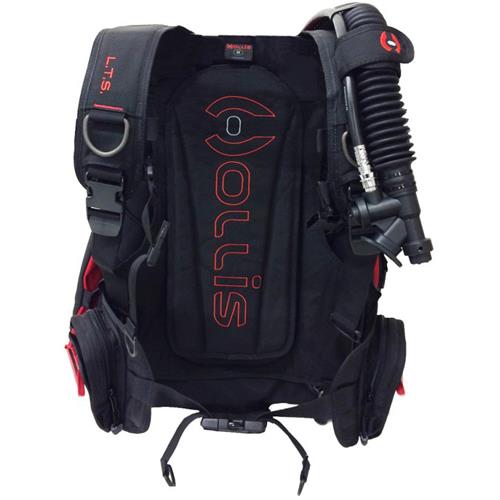
Diving lift capacity is a critical specification to consider when selecting buoyancy compensators and related gear, as it directly impacts a diver’s safety and comfort underwater. The lift capacity of a BCD (buoyancy control device) or wing is essentially the maximum weight it can support when fully inflated, which determines how effectively a diver can offset the negative buoyancy of their equipment and exposure suit. This becomes especially important as divers move between different environments—such as the saltier, denser waters of the ocean versus freshwater lakes—and as they change their gear setups. For example, a diver using a thick wetsuit in December’s colder waters will experience increased buoyancy from the suit and may require less lift than someone diving in a drysuit, which inherently adds buoyancy and often necessitates a higher-capacity BCD. The type and number of tanks also play a significant role; single aluminum cylinders typically require 20-30 lbs (9-13 kg) of lift, while double cylinders or larger steel tanks may demand 40 lbs (18 kg) or more. Divers who frequently switch between single and twin tank setups or alternate between wetsuits and drysuits often find themselves needing more than one BCD to ensure optimal fit and safety for each scenario.
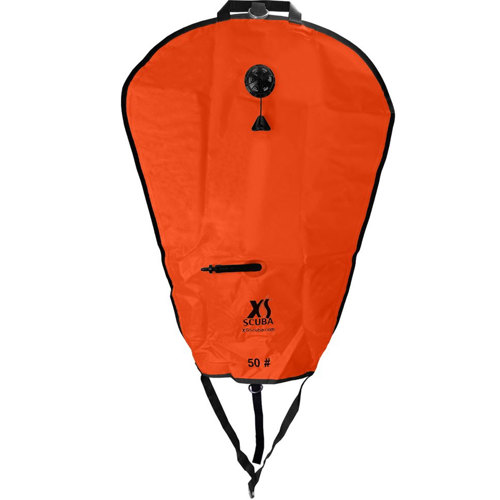
It’s not just technical divers or instructors who benefit from understanding lift capacities—recreational divers, dive travelers, and even snorkelers who want to experiment with advanced gear will find that matching lift to their specific needs leads to a more enjoyable and controlled dive. For those considering gifting scuba gear during the holiday season, lift capacity is a thoughtful specification to keep in mind, especially for recipients who are advancing in their training or expanding their gear collection. A properly matched BCD or lift device can make all the difference for a diver exploring a new wreck or adjusting to the added weight of a camera rig. However, it’s important to remember that more lift isn’t always better; an oversized BCD can create drag, hinder movement, and—most importantly—risk an uncontrolled, rapid ascent if overinflated. The goal is to select a lift capacity that supports your heaviest gear configuration, fully compensates for the buoyancy of your exposure suit, and still allows for precise buoyancy control throughout the dive. Many experienced divers recall early dives where an underpowered BCD made surface swims exhausting, or conversely, when too much lift led to awkward positioning and extra effort to stay streamlined. Consulting with a knowledgeable instructor or dive shop professional can help you calculate the ideal lift for your needs, factoring in your body size, the density of the water you’ll be diving in, and the weight of your typical gear setup.
As you browse our curated selection of products organized by diving lift capacities, keep in mind how your personal dive style, seasonal changes, and gear preferences will influence your requirements. Whether you’re gearing up for winter dives in thicker suits or planning to travel to tropical destinations with lighter setups, having the right lift capacity is essential for both safety and comfort. If you’re also considering how much gear you need to carry on your dives—such as extra tanks, reels, or photography equipment—you might want to explore our guide on
Diving Storage Capacity for additional tips on optimizing your setup. The right balance of lift and storage ensures you’re prepared for any adventure, whether you’re descending into a kelp forest or exploring a sunken ship. With thoughtful selection and a clear understanding of your needs, you can dive with confidence, knowing your equipment is tailored to support every underwater journey.