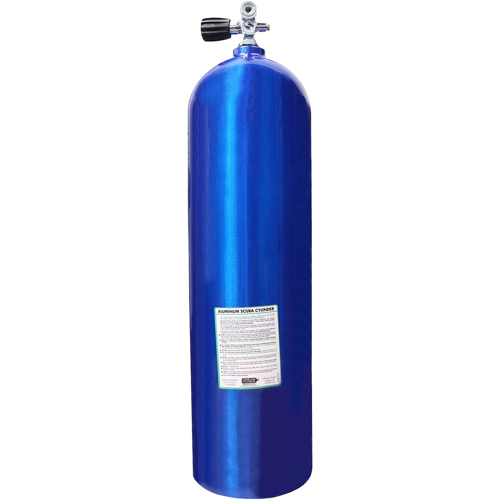
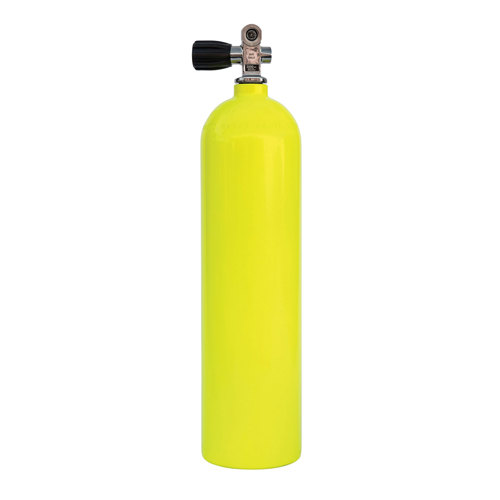
When planning any dive, one of the most important considerations is matching your storage capacity—both for breathing gas and for gear—to the type of diving you’ll be doing. For air supply, scuba cylinders come in a variety of sizes and pressure ratings, each designed to suit different dive profiles and skill levels. The standard aluminum 80-cubic-foot (11.1-liter) tank is a mainstay for recreational divers, offering a reliable balance of capacity and weight that typically supports 50 to 60 minutes underwater at moderate depths. For those venturing deeper or planning longer bottom times, larger tanks in the 15-liter (100–120 cu ft) or even 18-liter (143 cu ft) range are available, providing extra breathing gas without significantly increasing bulk. Technical divers, or those operating in environments where redundancy is critical, may opt for twin sets or side-mounted cylinders, while pony bottles—ranging from 0.5 to 2 liters—serve as essential backups or as inflation sources for buoyancy compensators and dry suits. The choice of tank is influenced by factors such as anticipated dive depth, experience level (as new divers often consume air more rapidly), and the need for redundancy or specialized gases. As the weather warms and dive sites become more accessible, it’s common to see groups of divers at the shore or gearing up on boats, each with a range of cylinders tailored to their plans for the day. Selecting the right tank isn’t just about maximizing time underwater; it’s about ensuring safety, ease of transport, and comfort, whether you’re exploring local reefs, embarking on a liveaboard adventure, or preparing for technical descents.
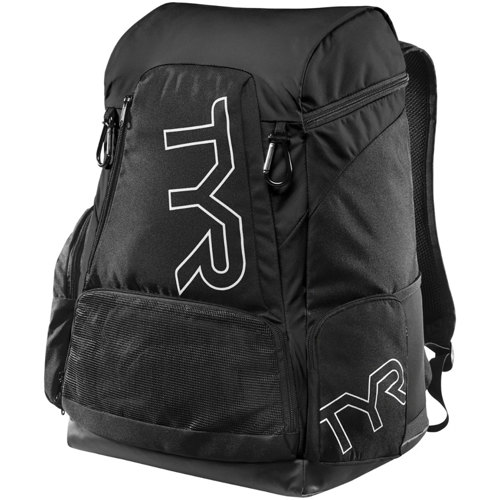
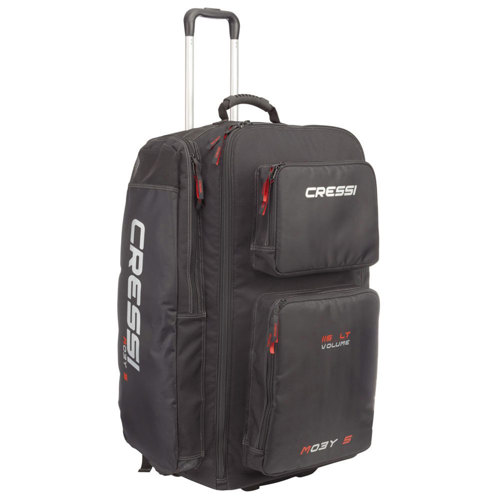
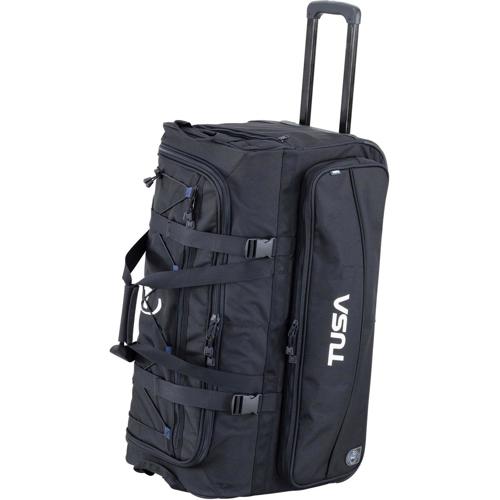
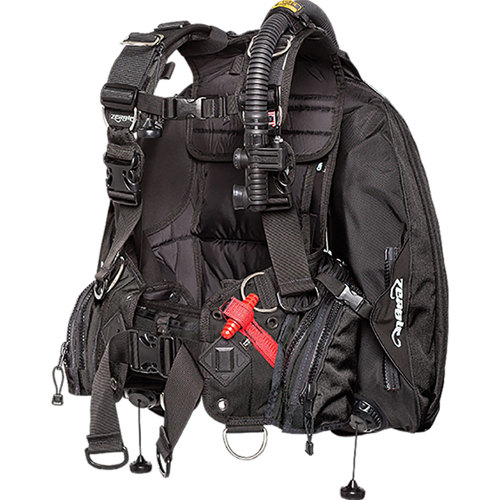
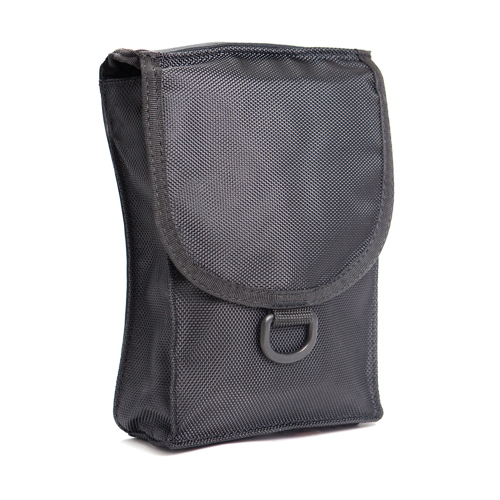
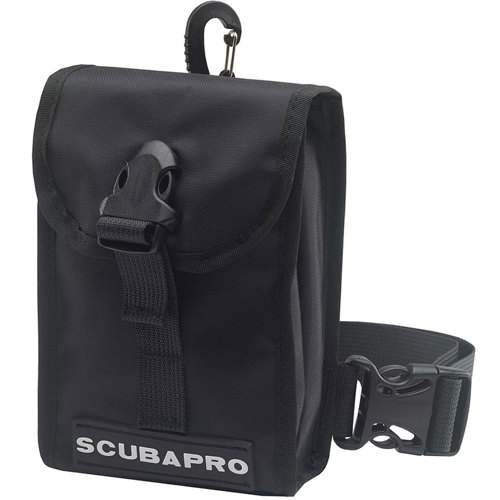
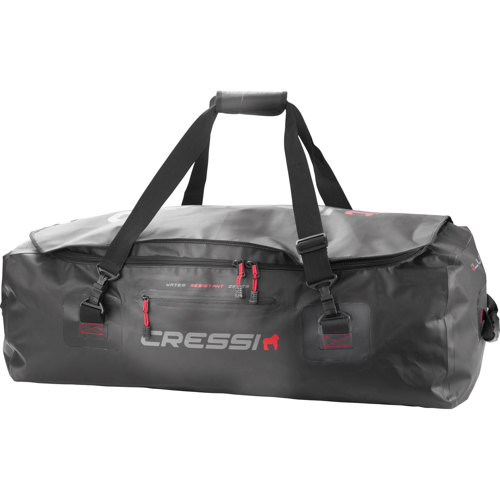
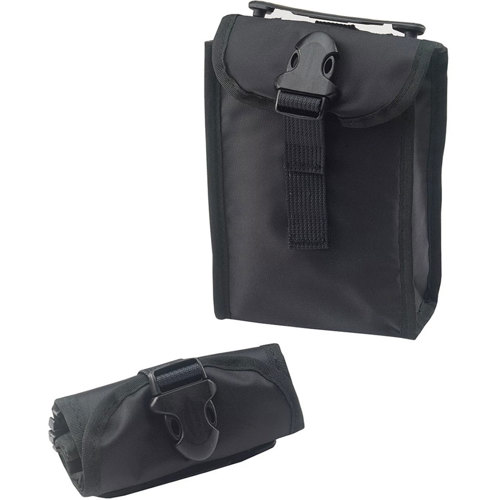
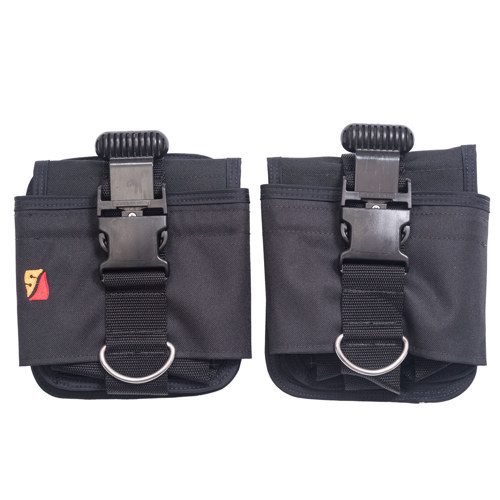
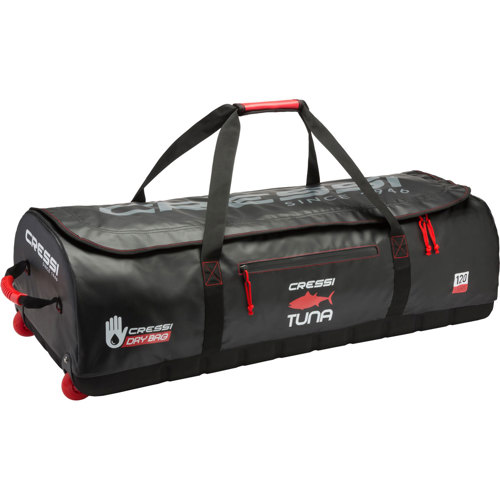
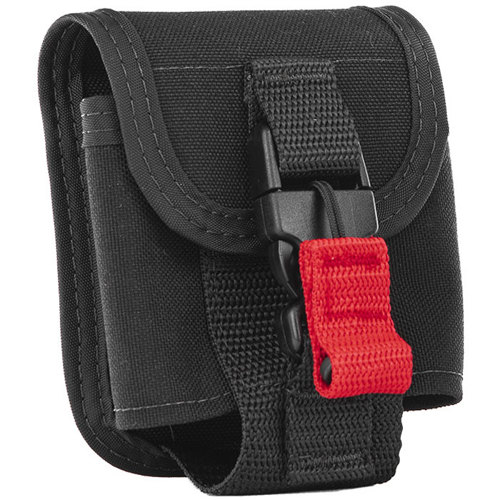
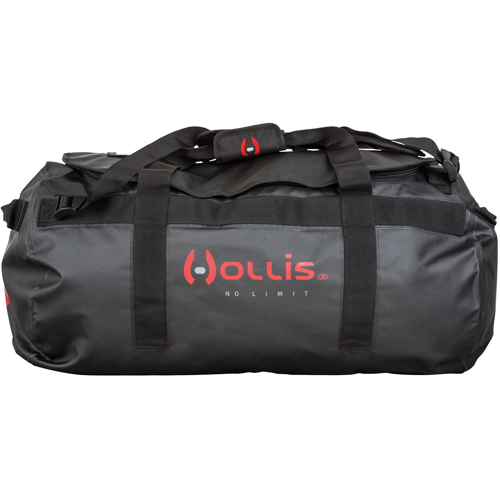
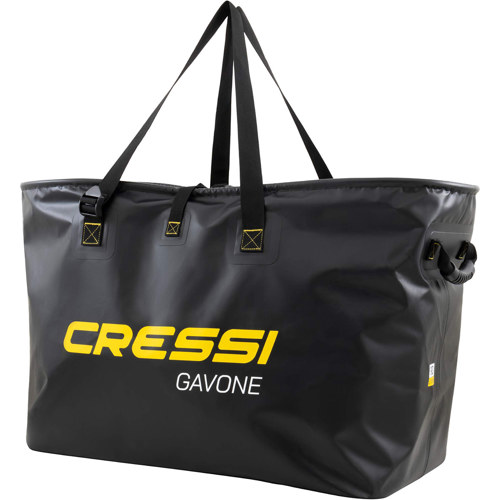
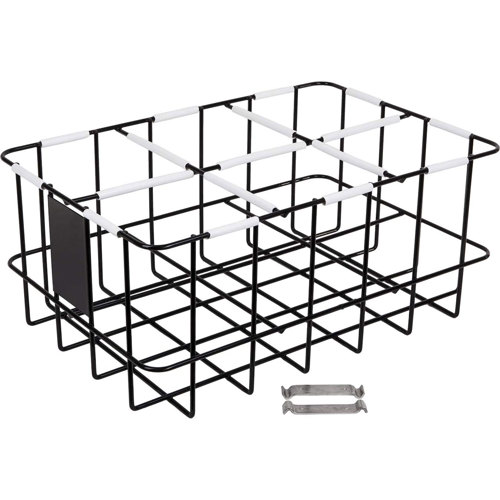
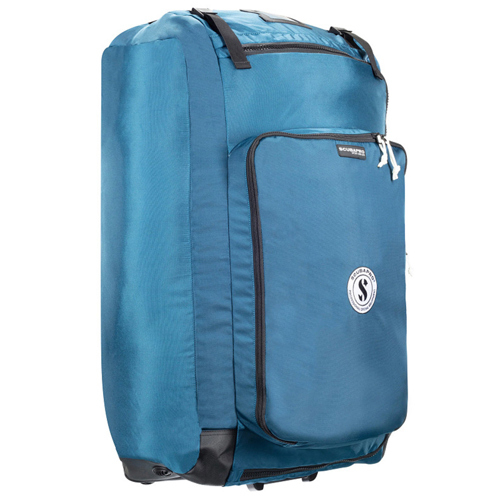
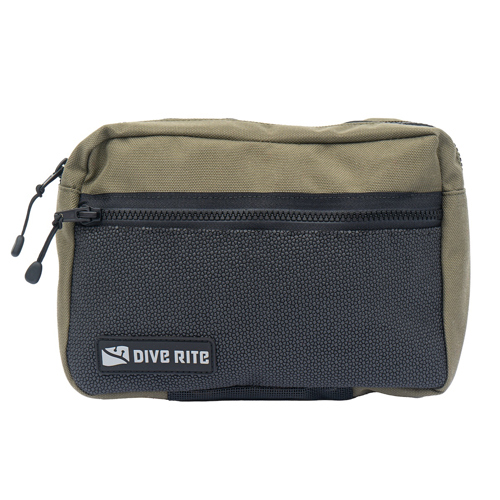
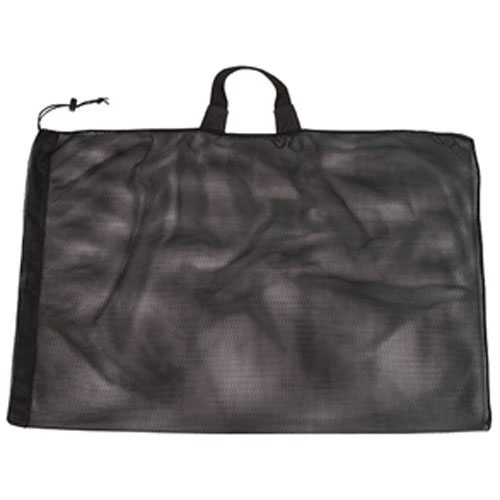
Beyond breathing gas, storage capacity also plays a crucial role in how divers manage and transport their gear. Dive bags come in a wide spectrum of designs to accommodate everything from a simple mask and snorkel to a full kit including wetsuits, fins, regulators, and weight systems. Mesh backpacks are a favorite for their lightweight construction and quick-draining properties, making them ideal for boat dives or tropical destinations where gear needs to dry rapidly between uses. For those carrying heavier loads or traveling longer distances, large duffel or wheeled bags offer robust protection and ample space for multiple sets of equipment, spare parts, and personal items. Specialty storage solutions like weight pockets or modular systems allow for precise organization and easy access, which is especially appreciated when gearing up in challenging conditions or keeping track of equipment on busy dive boats. As families plan vacations or friends gather for group excursions during the late spring and summer, these versatile storage options make thoughtful gifts for both new and seasoned divers—ensuring their gear stays protected, organized, and ready for the next underwater adventure. For divers interested in tracking their experiences and maintaining digital records, you can also explore our dedicated selection of
Dive Data Storage solutions, which help preserve memories and monitor progress with ease.
Ultimately, the right storage capacity—whether for air, gear, or data—can make all the difference in your diving experience. It allows you to focus on the thrill of discovery, the serenity of drifting over a reef, or the challenge of a new environment, all while knowing you’re well-prepared and organized. From compact setups for spontaneous shore dives to comprehensive systems for expedition-style trips, there’s a storage solution to match every diver’s needs and ambitions. As the diving season unfolds and the call of the water grows stronger, taking the time to assess your storage requirements ensures that each outing is safe, enjoyable, and hassle-free, whether you’re a solo explorer, a family of snorkelers, or a technical team pushing new boundaries.