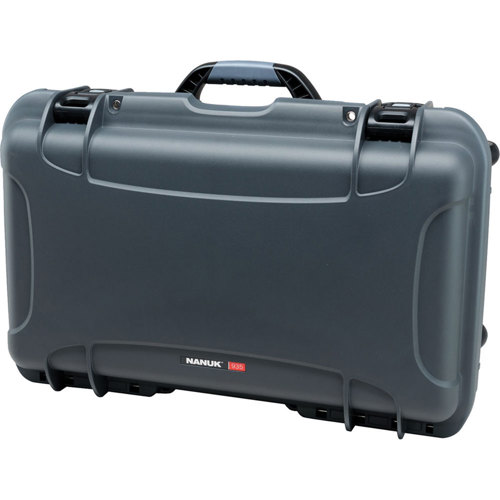
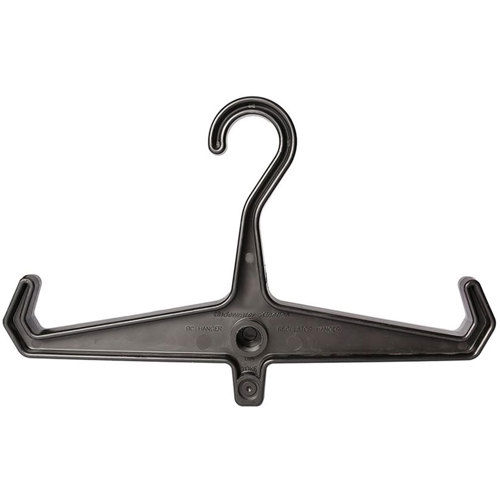
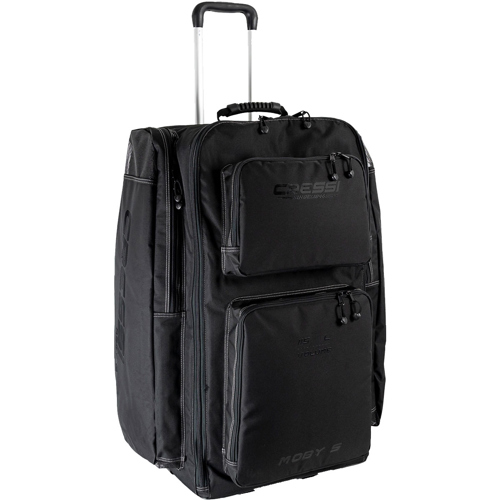
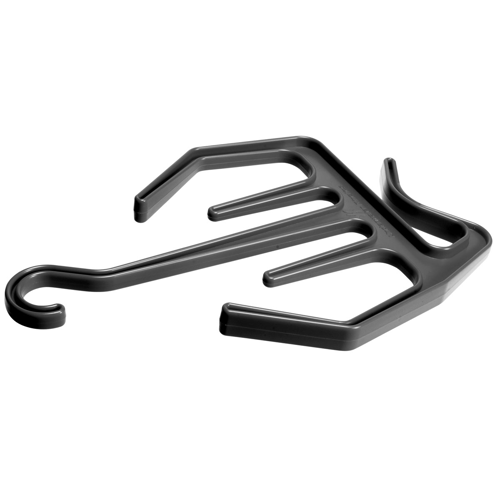
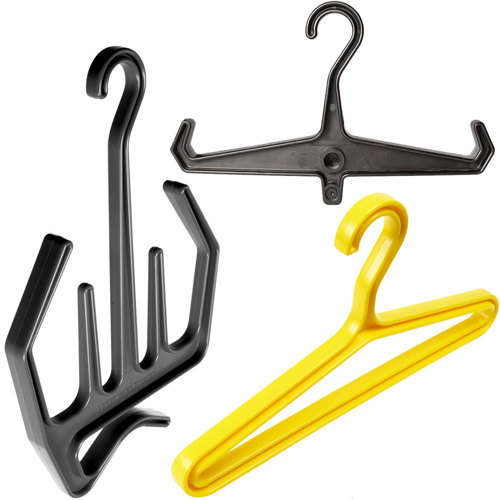
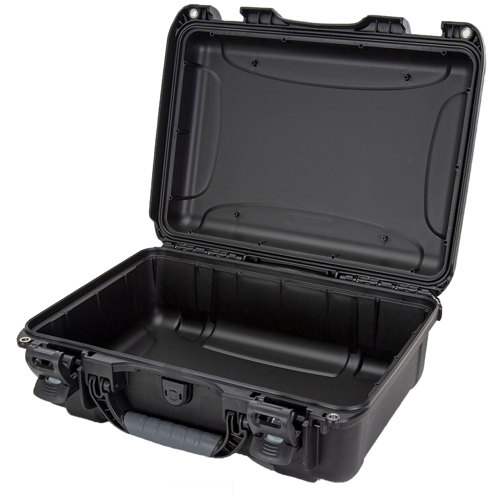
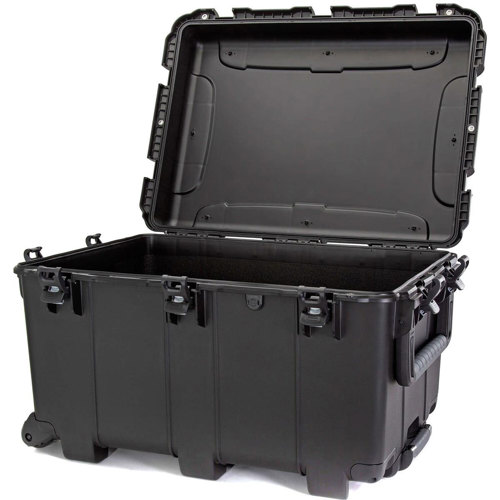
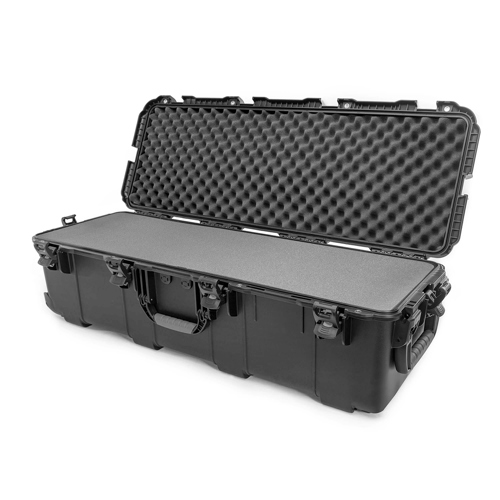
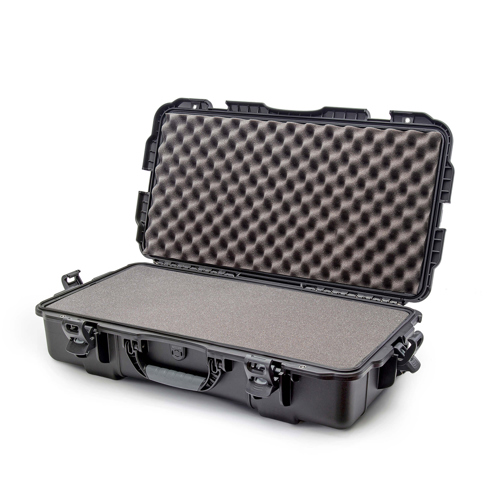
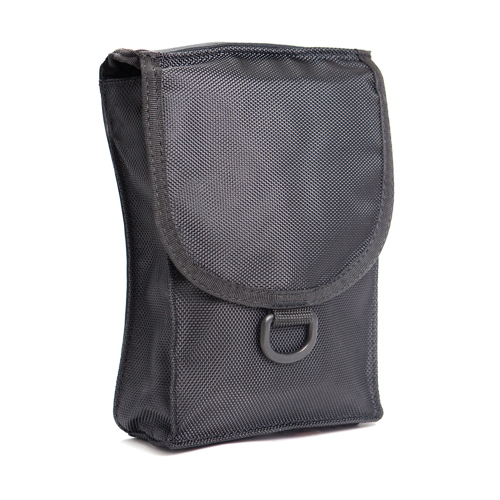
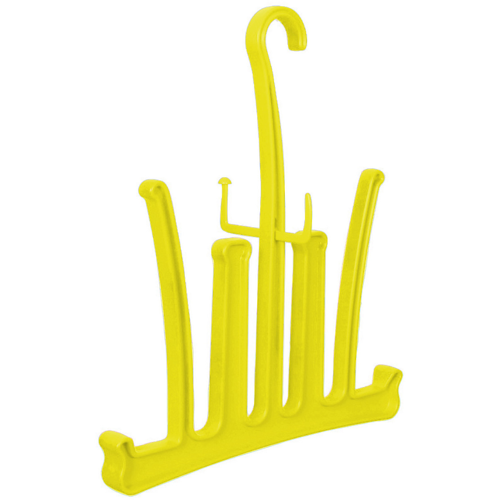
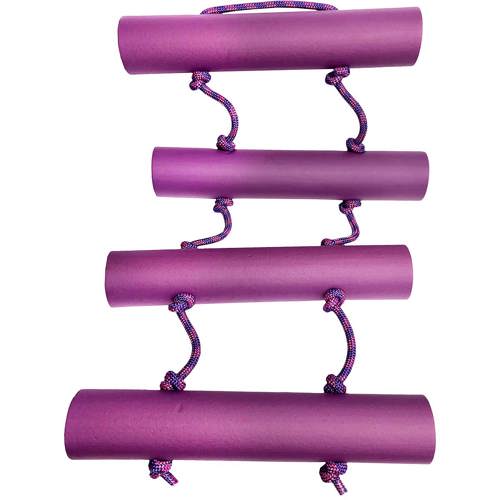
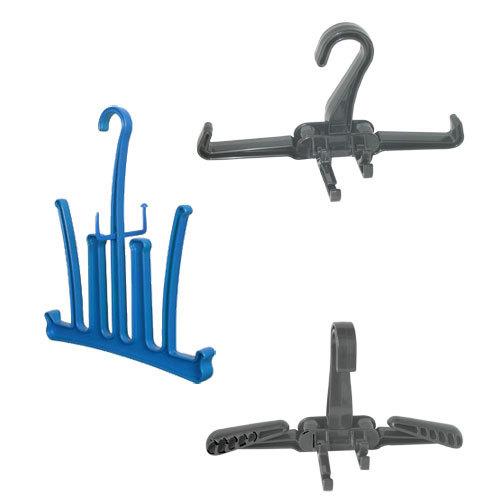
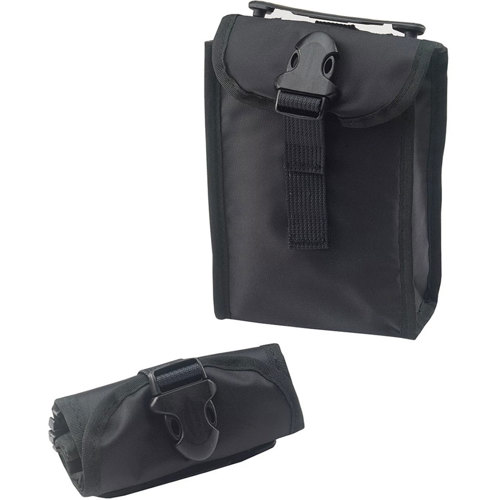
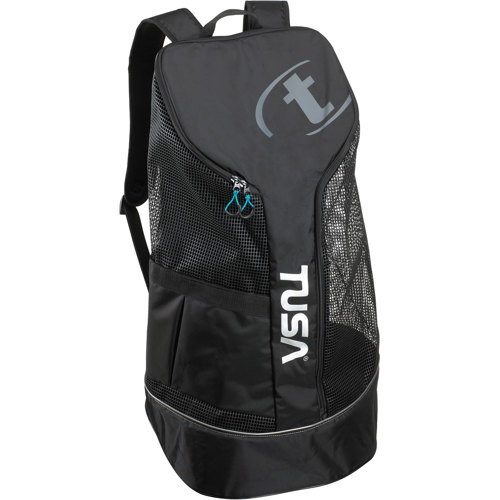
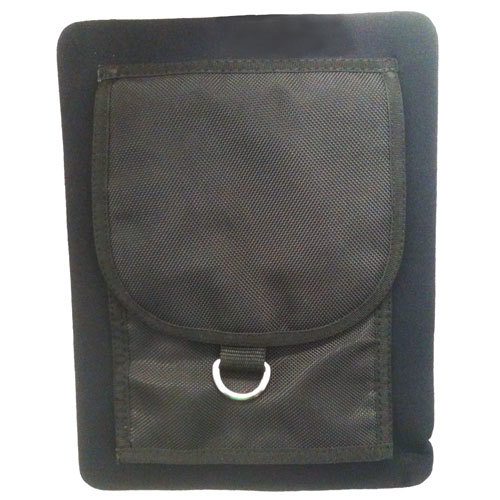
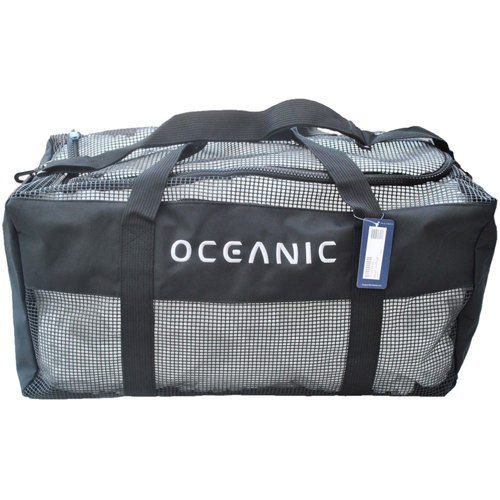
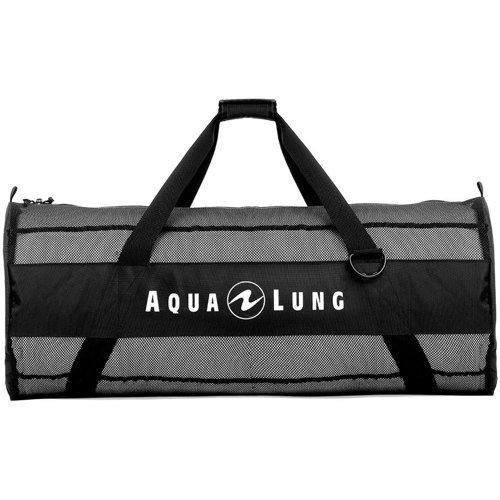
As any diver knows, keeping your gear organized and well-maintained is essential for both safety and enjoyment, whether you're prepping for a spontaneous spring dive or packing away your kit for the off-season. Diving storage solutions are designed to safeguard your investment in equipment, streamline your pre-dive routine, and ensure everything is ready for action when you hit the water. For those who travel often or dive locally, the right storage options can make a world of difference. Mesh duffel bags, waterproof totes, and ventilated bins are popular choices for transporting wet gear from the dive site to home, helping to contain moisture and odors while protecting your car and other belongings. At home, specialized hangers for BCDs, racks for fins, and wall-mounted hooks for masks and snorkels not only keep your gear organized but also promote proper drying, which is crucial for preventing mold and material breakdown. Many seasoned divers set up dedicated rinse stations or storage corners in their garages or laundry rooms, complete with pegboards for accessories like dive computers, flashlights, and reels. For those who enjoy technical diving or spearfishing, modular storage systems and labeled bins can help keep specialty items, spare parts, and tools easily accessible.
When considering which diving storage solutions to invest in, think about your typical diving environment, the size of your gear collection, and your available storage space at home. If you’re a frequent traveler, lightweight and collapsible options are invaluable, while those who primarily dive from boats may benefit from rugged, watertight containers that can double as rinse buckets. Long-term storage, especially as the chill of March gives way to warmer months and gear is rotated in or out of use, requires a bit more care. Thoroughly rinsing all equipment with fresh water after every dive is non-negotiable, as salt and debris can quickly degrade even the best gear. Once dry, wetsuits should be turned inside out and hung on wide-shouldered hangers to prevent creasing, while BCDs benefit from being partially inflated and stored out of direct sunlight to preserve their integrity. Cylinders should be kept upright and secured, with just a whisper of air remaining inside to prevent internal corrosion. For smaller, delicate items like dive computers, regulators, and cameras, padded cases or soft cloth wraps offer protection from bumps and scratches during transport and storage. Applying a light silicone spray to rubber and silicone components can extend their lifespan, especially if you’re storing your kit for several months.
Diving storage solutions also make thoughtful gifts for the aquatic adventurer in your life, whether they’re just starting out or have years of experience under their weight belt. Organizational tools and protective cases are always appreciated, especially as divers accumulate more gear over time. For group trips or family excursions, color-coded bins and personalized tags can help keep everyone’s equipment sorted and easy to find. Specialty storage products, such as those designed for lines and reels, are particularly useful for technical divers and instructors; for more options in this category, explore our dedicated page for
Dive Line Storage. Ultimately, investing in quality storage solutions is as important as choosing the right mask or regulator. It’s about preserving the performance and reliability of your gear, reducing the hassle of packing and unpacking, and making each dive—whether local or far-flung—safer and more enjoyable. With the right system in place, you’ll spend less time searching for misplaced items and more time focusing on what matters most: exploring the wonders beneath the surface.