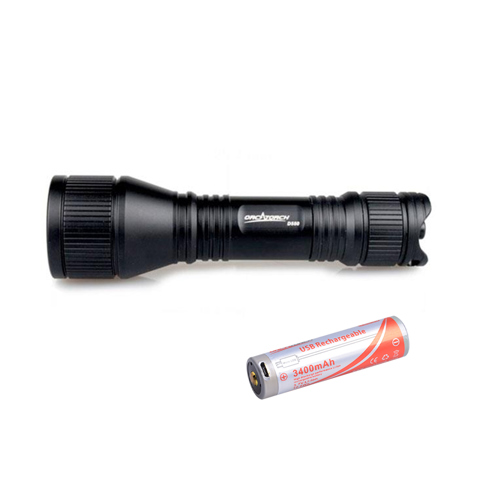
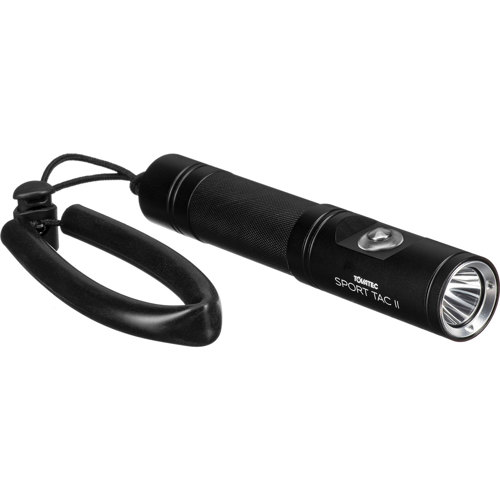
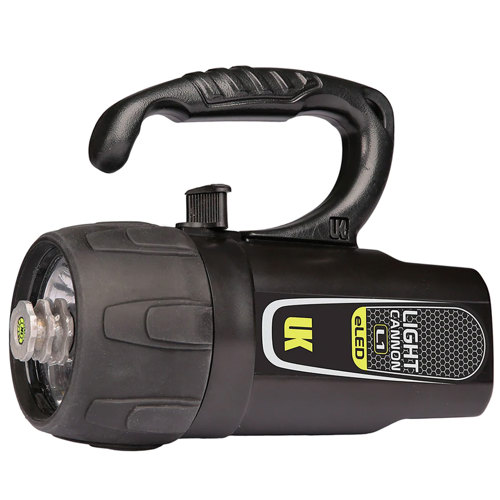
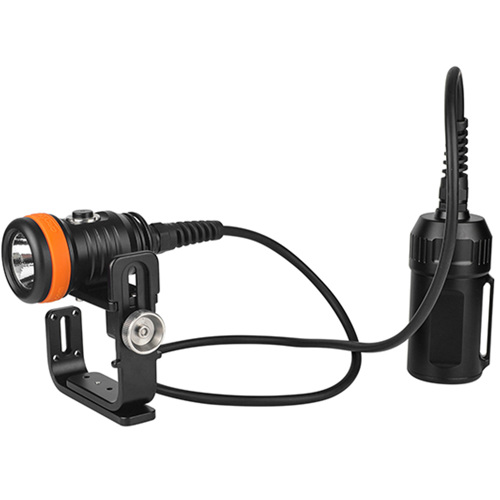
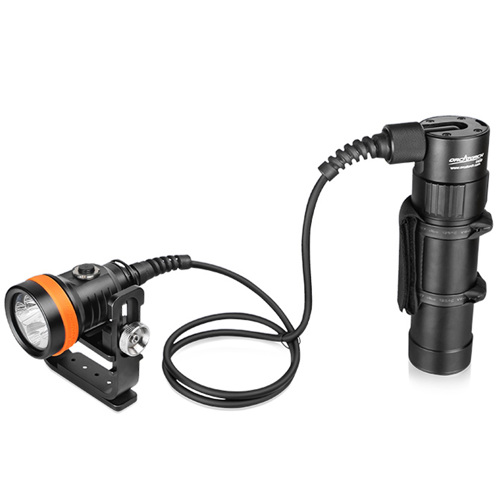
Cave diving torches are essential tools for any diver exploring the intricate, shadow-filled passages beneath the earth’s surface. In these overhead environments where natural light is completely absent, the reliability and performance of your lighting system are not just matters of convenience—they are critical for safety and navigation. Whether you’re an experienced technical diver pushing the limits of deep cave systems or a passionate explorer venturing into local underwater caverns, choosing the right cave torches requires careful consideration of several key features. Most divers will rely on a powerful primary canister light, often mounted to a Goodman handle for one-handed operation and comfort during extended dives. These lights are designed with separate battery canisters, typically clipped to a harness or hip, and connected by a durable cord to a lightweight head. With extended burn times—often surpassing three hours—and output levels ranging from 2,000 to over 5,000 lumens, these torches cut through dense silt and reveal the textures and contours of submerged rock formations. The narrow, highly concentrated beam angle (generally between 6° and 10°) is specifically engineered to penetrate the murky, particulate-laden water found in caves, ensuring maximum visibility while minimizing backscatter and disorientation.
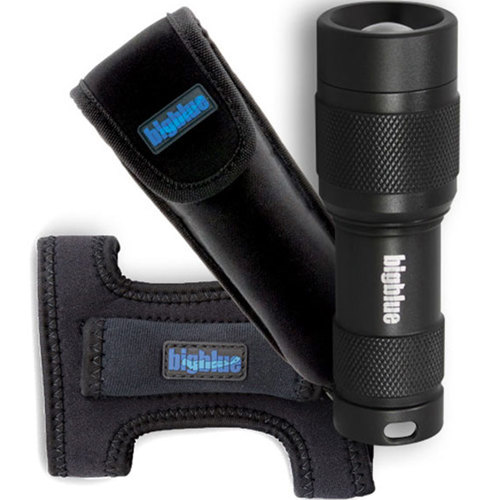
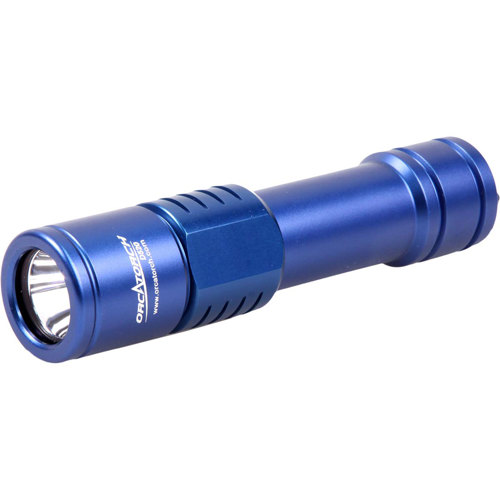
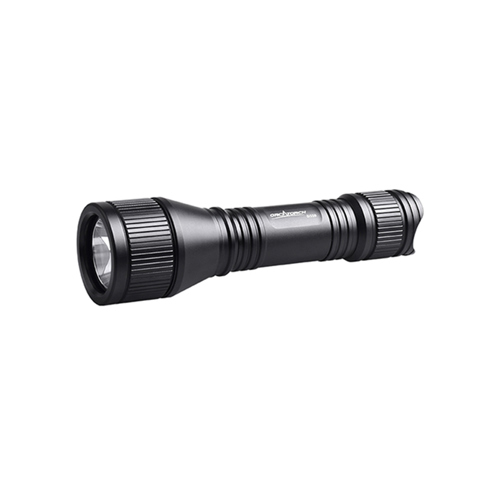
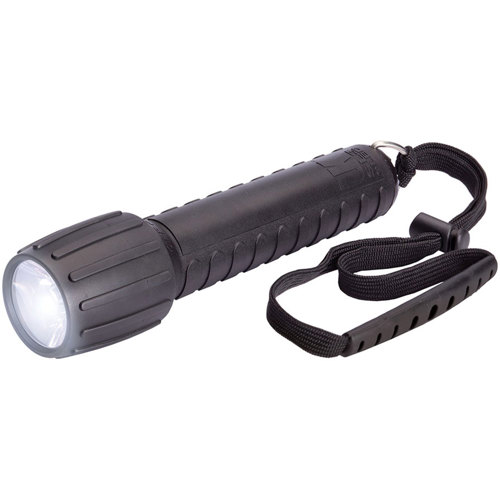
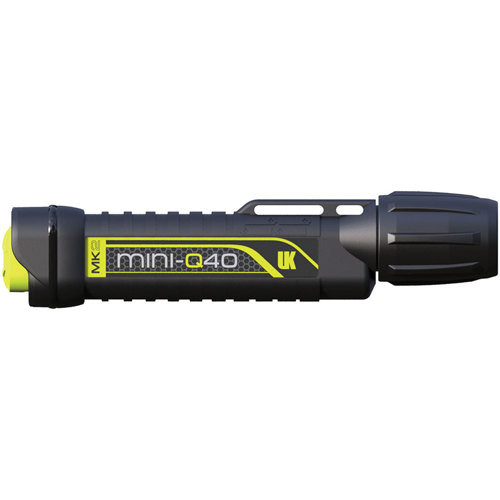
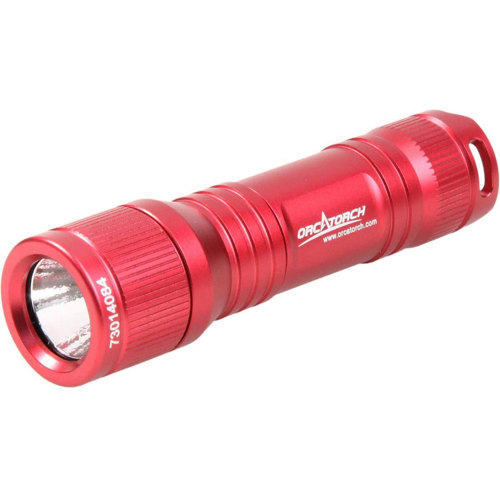
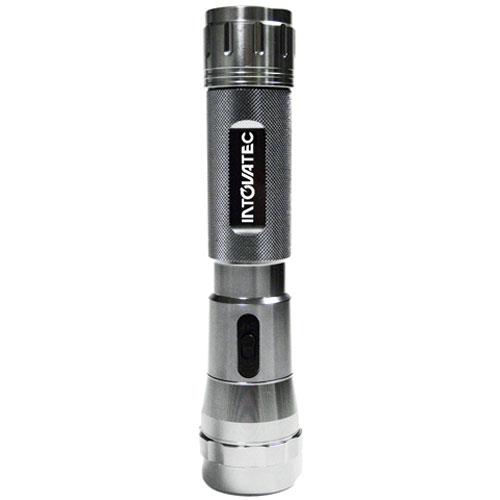
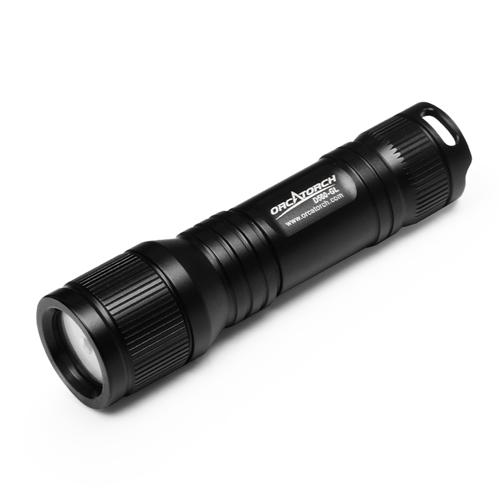
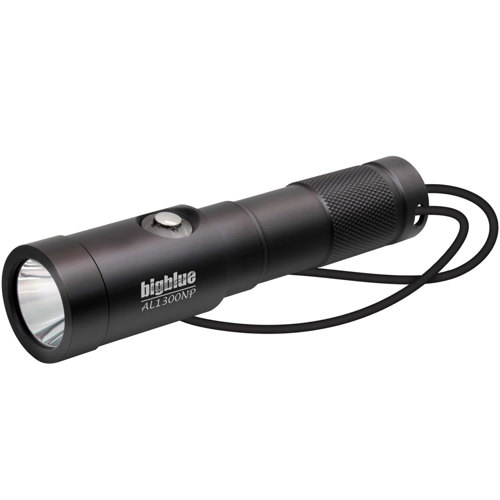
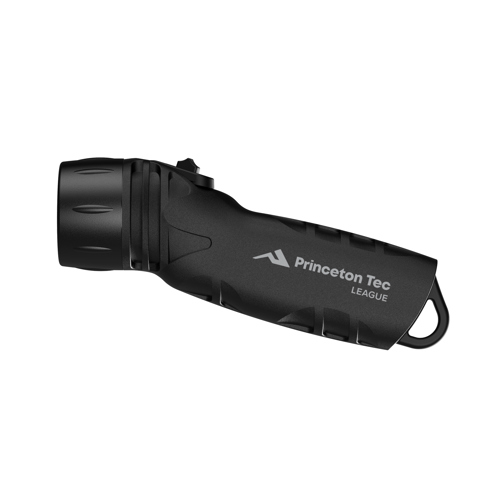
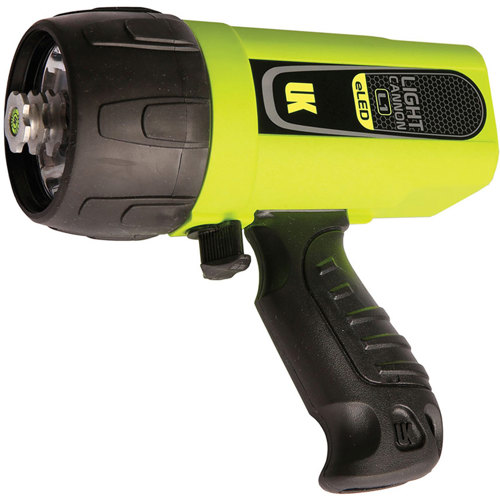
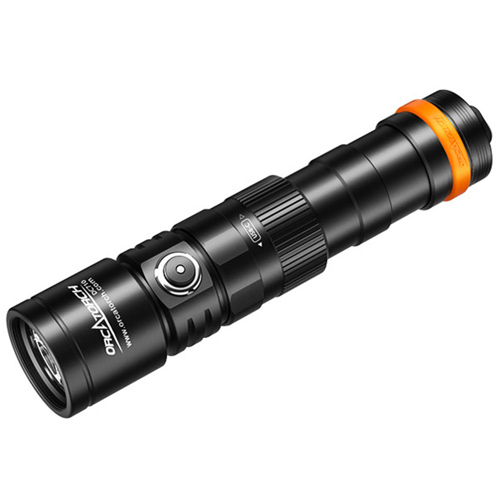
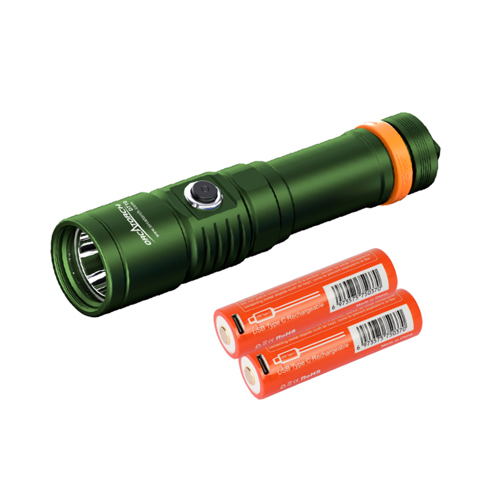
Redundancy is a core principle of cave diving, making backup torches just as important as your primary light. Compact, rugged, and easy to stow, backup lights should feature robust mechanical switches—avoiding twisty-bezel designs that can be prone to flooding—and output levels that provide reliable illumination in an emergency, typically between 800 and 2,000 lumens. Durability is non-negotiable: look for torches constructed from aircraft-grade aluminum or heavy-duty Delrin, with double O-ring seals and depth ratings that comfortably exceed your planned dive limits, often rated to at least 150 meters. The right cave diving torch is not only a lifeline for the diver but can also make a thoughtful, practical gift for anyone training in technical or overhead environments, whether they’re preparing for a summer of exploration or gearing up for deeper dives as the seasons change. As diving conditions shift from the warmer months into the cooler part of the year, reliable lighting becomes even more important for safety and enjoyment, particularly as water clarity and daylight hours fluctuate. Many divers find that the tactile feel and secure mounting of their torches—whether using a Goodman handle or a traditional handheld grip—become second nature, allowing them to focus fully on their surroundings and their dive team’s communication.
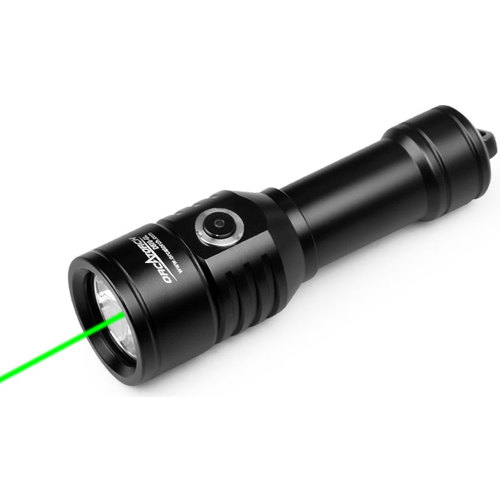
Selecting the right cave torches is about more than just brightness; it’s about matching your gear to the unique challenges of cave environments. Avoid wide-angle video lights for primary use, as their broad beams can create excessive backscatter and reduce visibility in silt-heavy passages. Instead, prioritize narrow-beam spotlights that provide crisp, focused illumination along the cave wall or floor, and always practice mindful silt management to avoid blinding your dive buddy or stirring up particulate matter. For those planning to combine cave exploration with underwater photography or videography, consider carrying a specialized secondary light for capturing footage, while maintaining dedicated narrow-beam torches for navigation and signaling. Whether you’re assembling your first cave diving kit or upgrading for longer, more challenging dives, our curated selection of products is designed to help you build a lighting system that’s as dependable as it is powerful. To explore a comprehensive range of options and learn more about the features that matter most in these demanding environments, visit our
Dive Lights For Cave Diving page for expert recommendations and in-depth insights tailored for serious cave explorers.