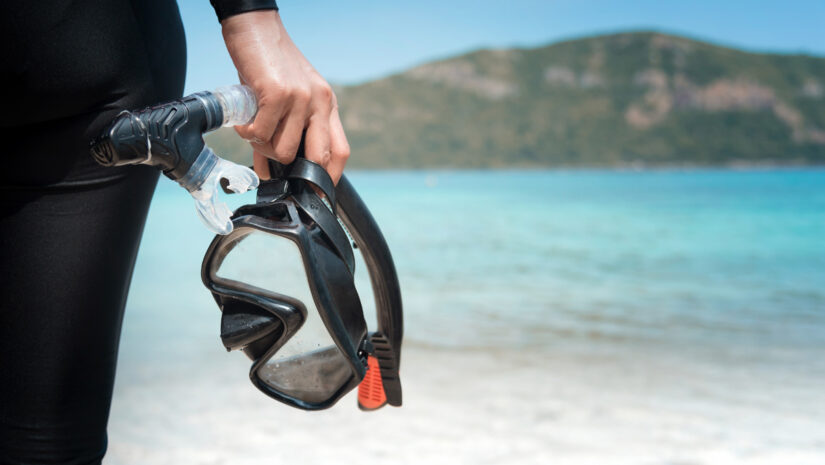
When assembling a set of dive gear, a snorkel might seem like a minor addition. Especially compared to things like buoyancy control devices (BCD), regulators, and wetsuits. However, this simple piece of equipment plays a crucial role in scuba diving safety. Whether you are a beginner or an experienced diver, understanding the different types of snorkels and their benefits will help you choose the right one for your needs. Let’s take a closer look.
Different Types of Snorkels and Their Uses
There are several types of snorkels, each designed for different activities and experience levels. Here’s a breakdown of the most common types you can choose from:
Classic Snorkel
A classic snorkel is a simple, J-shaped tube made of rigid plastic with a silicone or rubber mouthpiece. This design is lightweight and highly durable but lacks special features such as splash guards or purge valves.
- Best for: Snorkeling, freediving
- Ideal for: Experienced snorkelers, freedivers, and scubies who prefer minimalistic gear
- Why?: The simple design provides the least resistance in the water and allows for easy clearing, making it a top choice for freedivers who need efficient breathing with minimal drag.
Flexible Snorkel
A flexible snorkel features a soft lower section that bends, making it more comfortable in the mouth. It usually includes a purge valve to help clear water quickly.
- Best for: Snorkeling, scuba diving
- Ideal for: Beginners and intermediate users
- Why?: The flexible design reduces jaw fatigue and makes it easier to clear water, making it an excellent option for those new to the sport or divers who want comfort and convenience.
Semi-Dry Snorkel
A semi-dry snorkel has a splash guard at the top, which helps prevent water from entering while on the surface but does not completely block water during submersion. It also typically includes a purge valve for easy clearing.
- Best for: Snorkeling, scuba diving
- Ideal for: Beginners and recreational divers
- Why?: The splash guard helps keep water out, making it easier to breathe at the surface, while the purge valve ensures effortless clearing if water enters.
Dry Snorkel
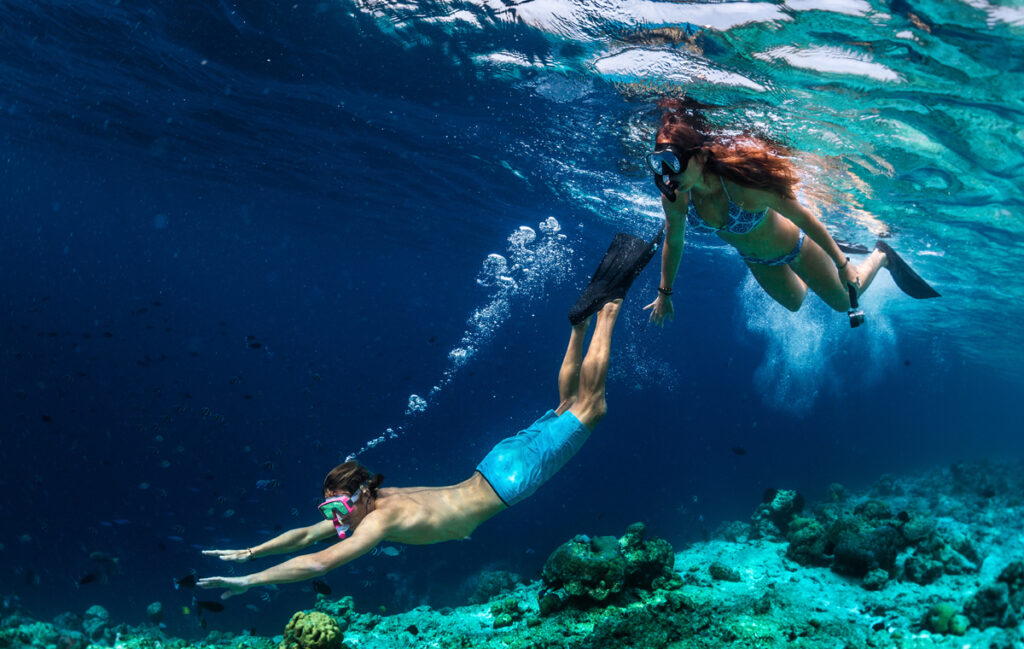
A dry snorkel features a float valve mechanism at the top that seals shut when submerged, preventing water from entering. It also has a purge valve for easy clearing.
- Best for: Snorkeling, recreational diving
- Ideal for: Beginners, casual snorkelers, and those who dislike clearing water from their snorkel
- Why?: The dry-top design provides a completely water-free breathing experience, making it ideal for those who want maximum convenience and comfort at the surface.
Full-Face Snorkel Mask
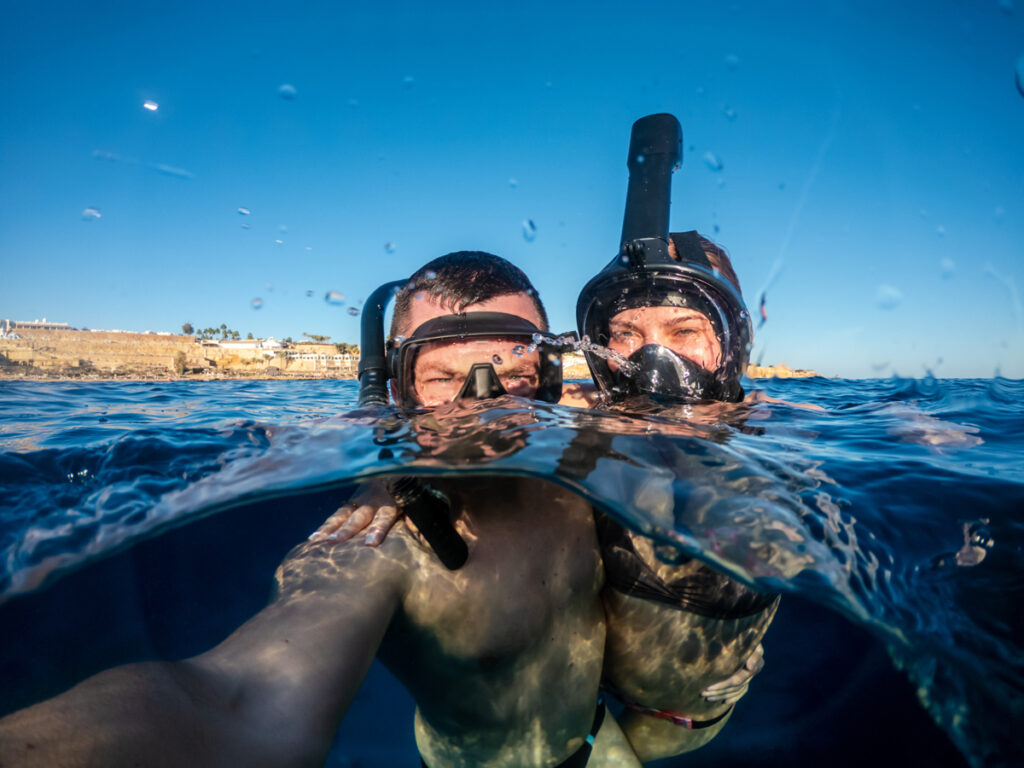
This mask integrates a built-in snorkel into a full-face mask, allowing the user to breathe naturally through both the nose and mouth. It includes a dry-top snorkel and a wide field of vision.
- Best for: Casual snorkeling
- Ideal for: Beginners and non-swimmers
- Why?: The full-face design provides comfort, ease of breathing, and an unobstructed view, making it a good choice for those who prefer a hassle-free snorkeling experience. However, it is not suitable for freediving or scuba diving due to its lack of pressure equalization capability.
Why a Snorkel is Essential for Scuba Divers
Many scuba divers overlook the importance of a snorkel, especially if they primarily dive from boats or in calm waters. However, carrying a snorkel can significantly improve safety, efficiency, and the overall dive experience.
Safety and Emergency Situations
A snorkel is an essential safety tool, particularly when waiting at the surface for a boat pickup or swimming back to shore. If you surface far from the dive boat or in choppy conditions, using a snorkel allows you to comfortably breathe while keeping your regulator off to conserve your tank air. In emergency situations where you may run out of air or need to assist another diver, having a snorkel can make surface navigation easier and safer.
Conserving Air at the Surface
Air conservation is crucial for maximizing bottom time during a dive. Using a snorkel at the surface instead of your regulator allows you to save valuable air from your tank. This is particularly beneficial during long surface swims, pre-dive briefings, or while waiting for other divers to descend.
Reducing Fatigue and Improving Comfort
Breathing through a snorkel while on the surface helps divers avoid the strain of holding their heads above water, reducing neck fatigue. This is especially helpful in rough waters where keeping a low, streamlined position is more energy-efficient.
Environmental Awareness and Preparation
A snorkel also allows divers to observe marine life from the surface before descending. This can be useful for locating entry points, checking for currents, or enjoying a shallow reef before starting a dive.
Choosing the Right Snorkel for Scuba Diving
When selecting a snorkel for scuba diving, consider the following factors:
- Comfort: A soft silicone mouthpiece and a flexible design help prevent jaw fatigue.
- Low Profile: A streamlined snorkel reduces drag and bulkiness when not in use.
- Purge Valve: A purge valve makes it easier to clear water if it enters.
- Attachment: Look for a snorkel with a secure but easy-to-detach clip to your mask for convenience.
- Semi-Dry or Flexible Models: These are the best options for scuba divers, as they balance comfort, ease of use, and reliability.
A snorkel is more than just a piece of gear for snorkeling; it’s a valuable addition to any diver’s equipment setup. Whether you’re a beginner learning the basics or an experienced diver looking to improve safety and efficiency, choosing the right one will enhance your experience in the water. By selecting the one suited to your activity level and diving style, you’ll be better prepared for any situation that arises at the surface, making your time in the ocean safer and more enjoyable.