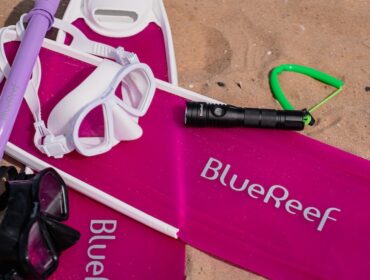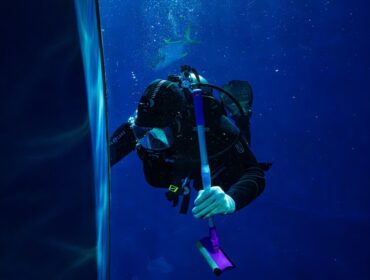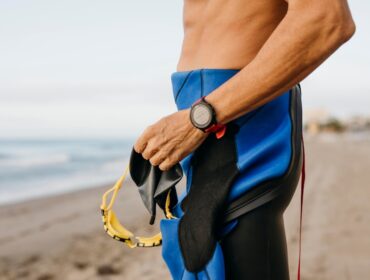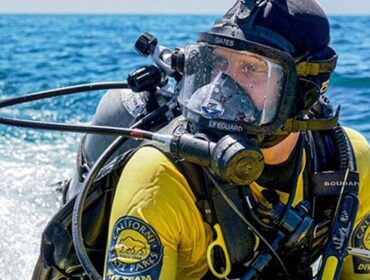
Every diver has their own rituals before hitting the water, but if you peek inside a seasoned diver’s gear bag, you’ll find a carefully curated setup that’s built from experience. From dive computers to backup lights and anti-fog spray, pros know that the right gear can mean the difference between a good dive and a great one.
We spoke to several professional divers including instructors, underwater photographers, and dive travel veterans to learn what essentials they never leave home without. Whether you’re a beginner building your first kit or a recreational diver looking to upgrade, here’s what the pros pack and why.
Why Your Dive Bag Matters
Your dive bag is more than just a storage space—it’s your portable dive locker, your underwater survival kit, and your comfort zone at sea. The goal is to keep your kit reliable, efficient, and ready for anything from tropical reef dives to deep wreck penetrations.
Key Qualities of a Pro-Level Dive Bag:
- Lightweight and durable
- Compartmentalized for organization
- Water-resistant or waterproof
- Easy to carry (duffel, roller, or backpack style)
Let’s start with the bag itself before diving into what goes inside.
Pro Pick: Dive Bag Essentials
Cressi Gorilla Pro XL Dry Bag

Why pros love it:
This waterproof gear bag is tough, oversized, and great for saltwater use. It has enough space for fins, a wetsuit, BCD, and more—plus it rolls up small when empty.
What’s Inside: Pro Divers Reveal Their Go-To Gear
Mask (with backup)
Top Pick: SeaDive RayBlocker HD Mask
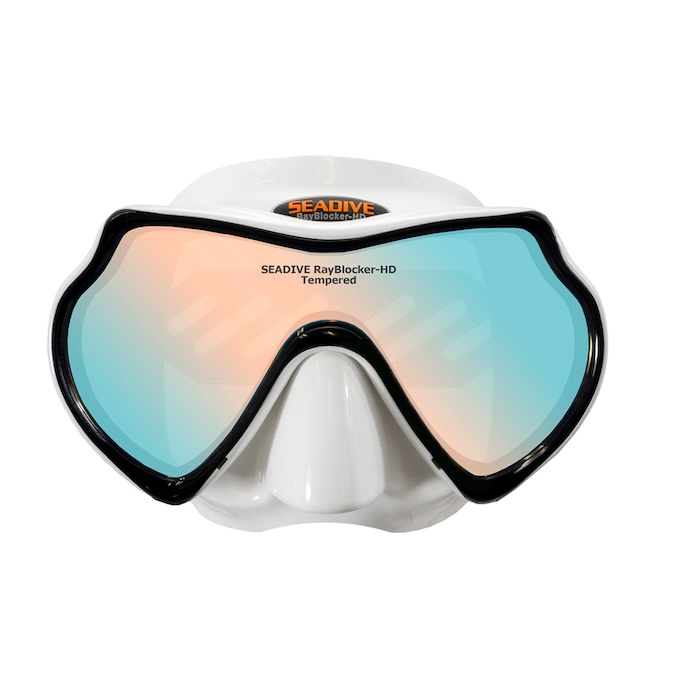
Professional dive instructor Claire F. swears by always packing two masks—her favorite and a backup.
“I’ve seen more dives ruined by mask problems than anything else. A backup saves the day.” — Claire F., PADI MSDT
Why pros care:
- A poor-fitting mask can leak or fog up mid-dive
- A tinted or UV-blocking mask like the RayBlocker improves vision on sunny days
- Backups keep you diving even if your primary fails
Wetsuit (or Drysuit)
Top Pick: Bare Reactive 3mm Wetsuit
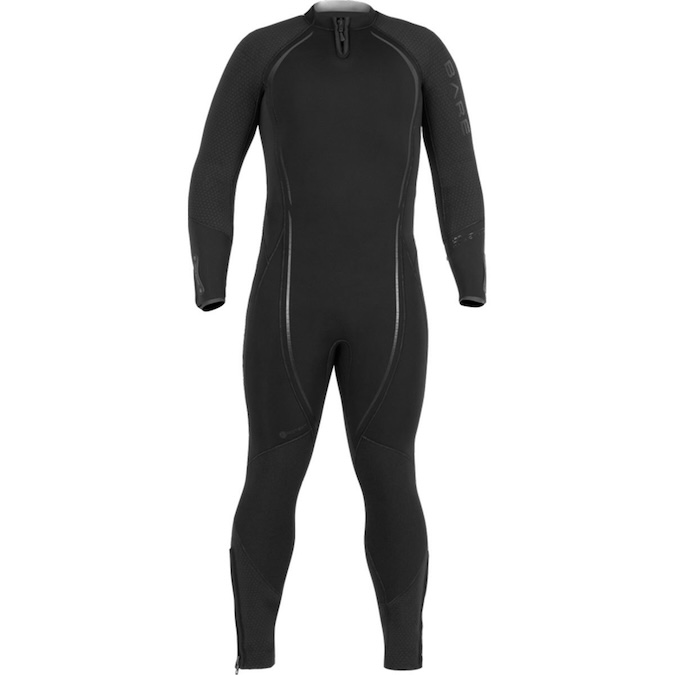
From cold-water diving in the Pacific Northwest to tropical reef trips, thermal protection is non-negotiable.
Why it matters:
- Even warm water can cause chills during long dives
- Thicker wetsuits reduce fatigue and increase comfort
- Good suits reduce drag and protect from jellyfish or coral scrapes
Pro tip: Always pack a wetsuit hanger or mesh bag for post-dive drying.
Regulator with Alternate Air Source
Top Pick: Mares Abyss 22 Navy II
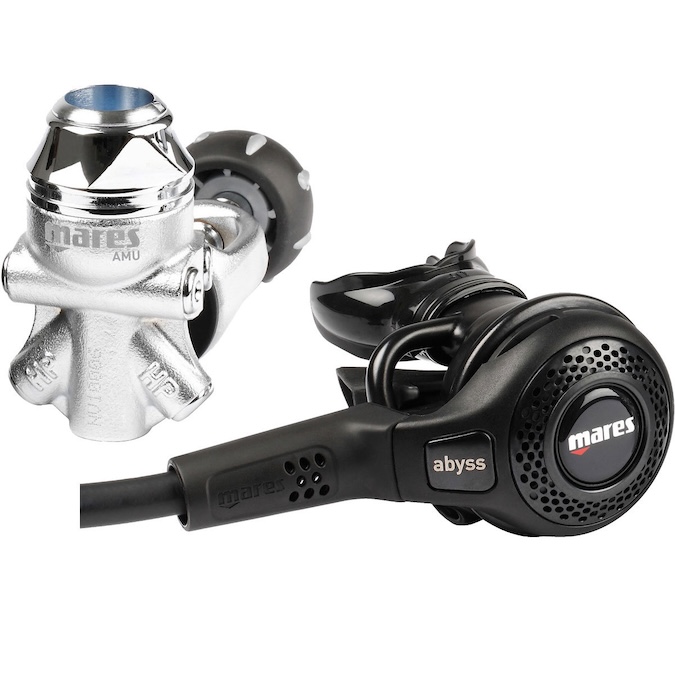
Seasoned divemasters like Roberto G. insist on using a personal regulator, even when traveling.
“Rental regs vary too much. I trust my own equipment every time.” — Roberto G., Dive Guide & Tech Diver
Key features pros demand:
- Cold-water rated, even for warm diving (extra reliability)
- Yoke/DIN adaptability
- Swivel hose routing for comfort
Dive Computer
Top Pick: Shearwater Peregrine
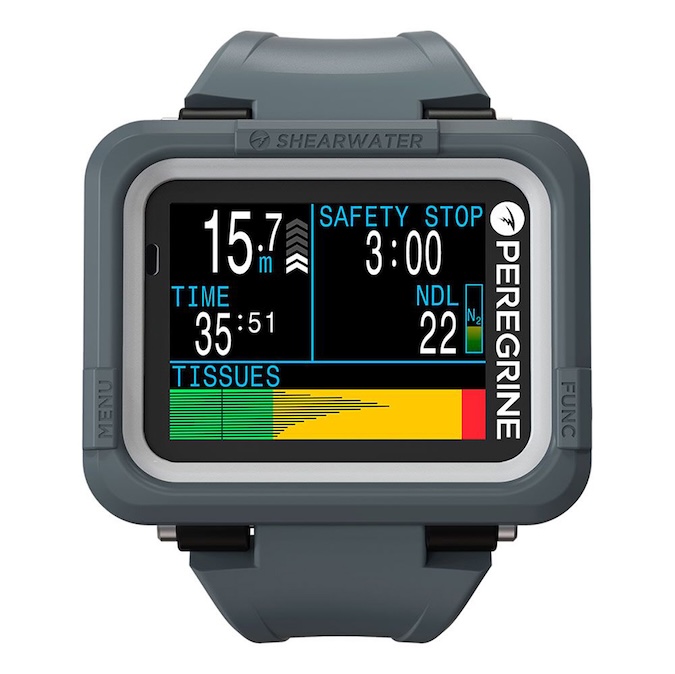
Ask any professional diver, and they’ll tell you their computer is their best underwater friend.
Why pros don’t rely on rental gauges:
- Accurate decompression tracking
- Dive logs synced to phone apps
- Customizable alerts and clear displays (ideal for night dives)
Fins
Top Pick: Mares Avanti Quattro Plus
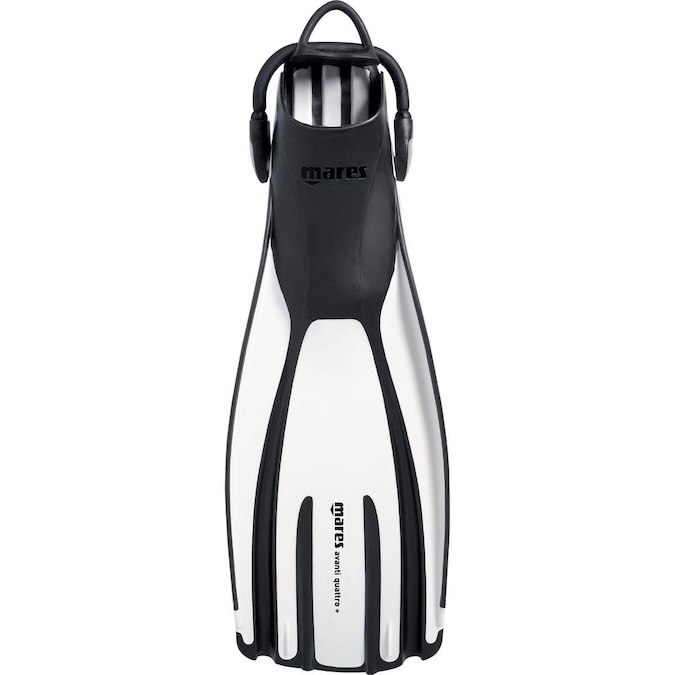
Underwater photographer Jen L. prefers high-thrust, comfortable fins for shore dives and strong currents.
What pros look for:
- Responsive kicks with minimal leg fatigue
- Open-heel design with adjustable straps
- Durable materials for frequent travel
BCD (Buoyancy Control Device)
Top Pick: Scubapro Navigator Lite
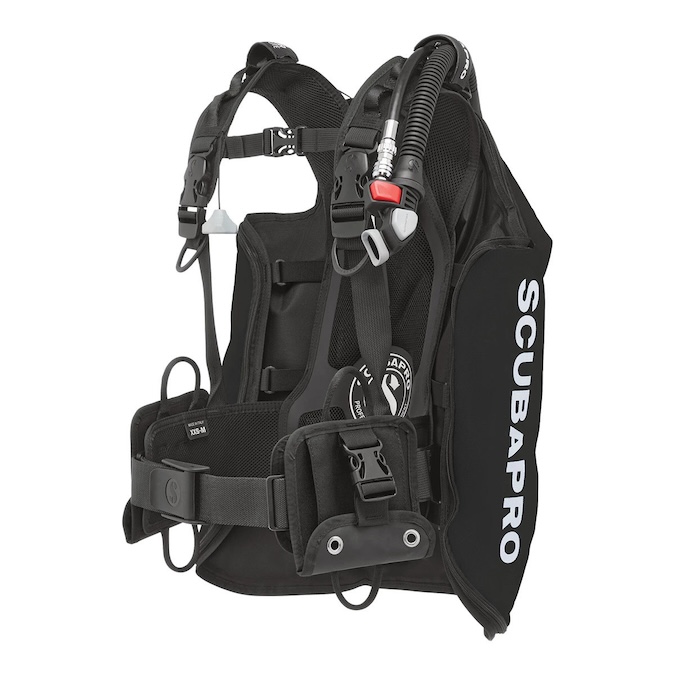
Compact yet functional, this BCD is a favorite among traveling instructors.
Why it’s in every pro’s bag:
- Custom fit = comfort + safety
- Familiarity improves performance
- Lightweight for travel, durable enough for daily dives
Primary & Backup Dive Lights
Top Pick: OrcaTorch D530 (Primary), SeaLife Sea Dragon (Backup)
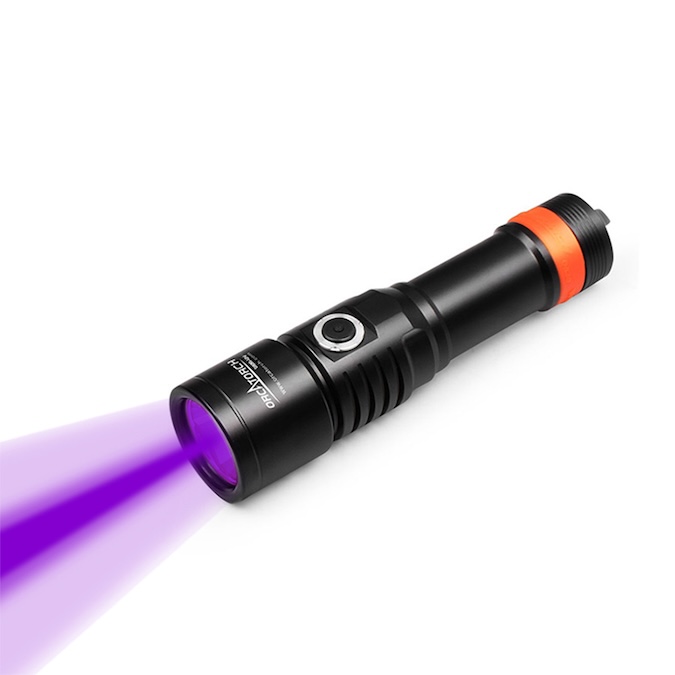
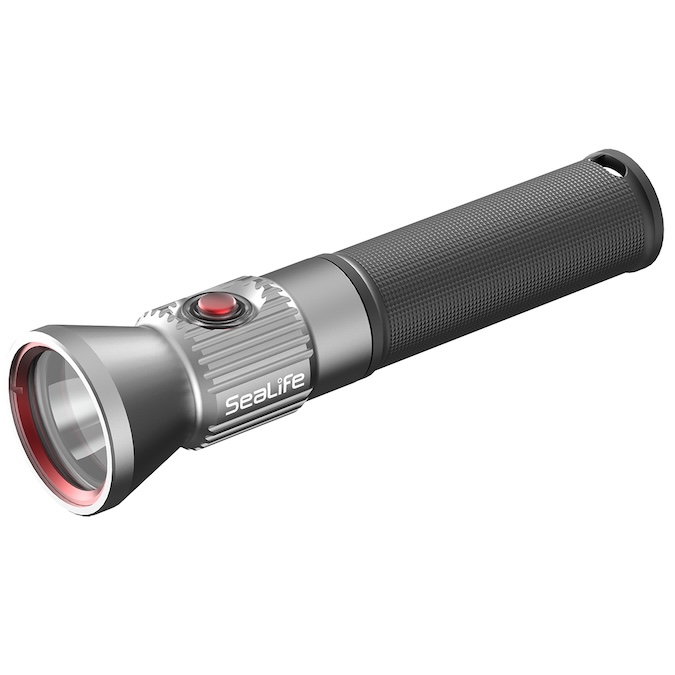
Even if they’re not night diving, pros carry lights to check crevices, wreck interiors, or signal buddies.
Why pack two?
- Lights fail—batteries, bulbs, pressure leaks
- Some locations require lights even for daytime dives (e.g., cenotes)
- Markers help on safety stops or at the surface
Cutting Tool
Top Pick: Eezycut Trilobite or Mares Force Plus Knife
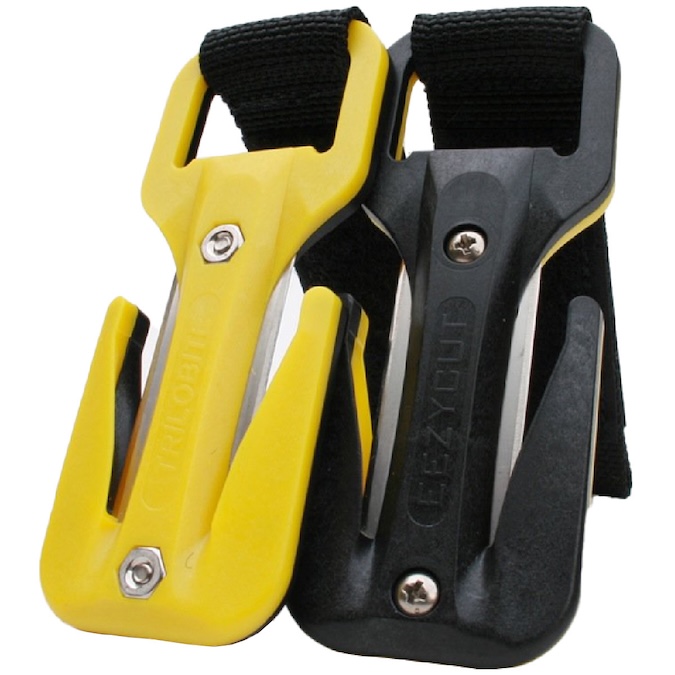
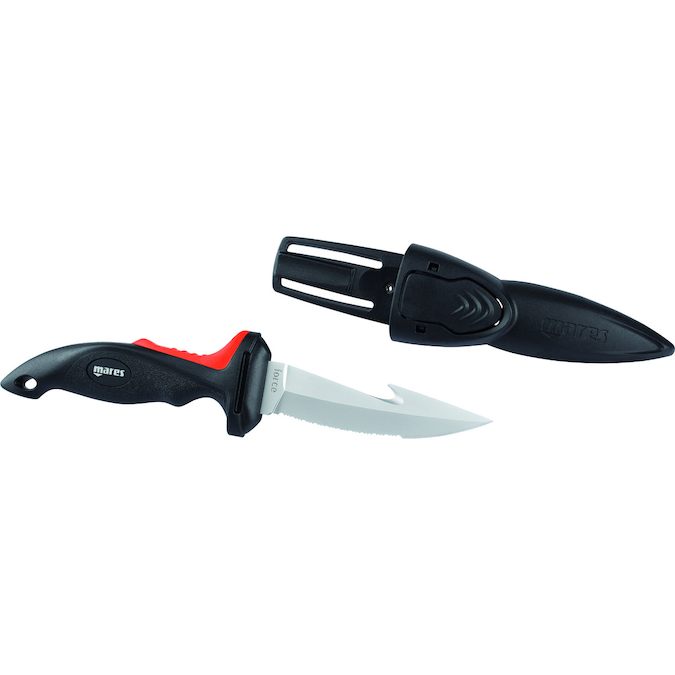
Every pro diver has a knife, line cutter, or both. They’re mandatory in tech diving and highly recommended everywhere else.
Use cases:
- Fishing line entanglement
- Cutting kelp, nets, or even inflator hoses in emergencies
- Universal tool for utility and safety
Surface Signaling Devices
Top Picks:
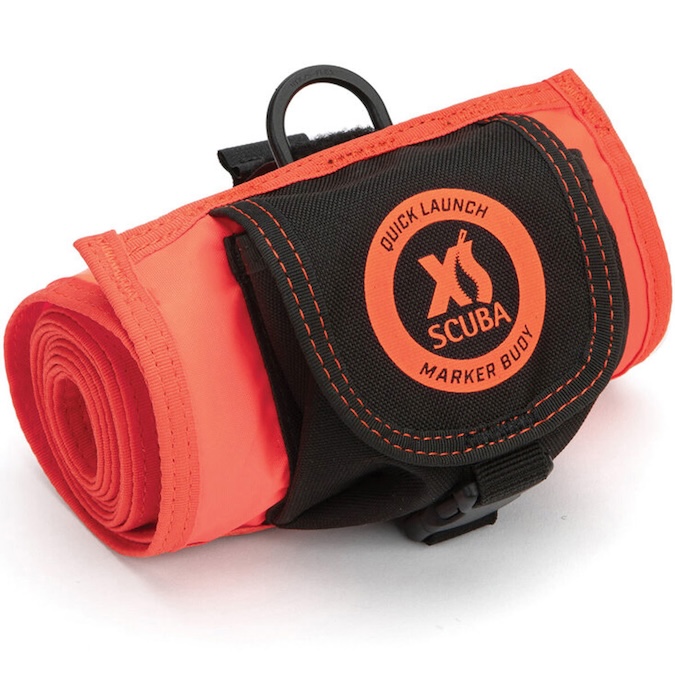
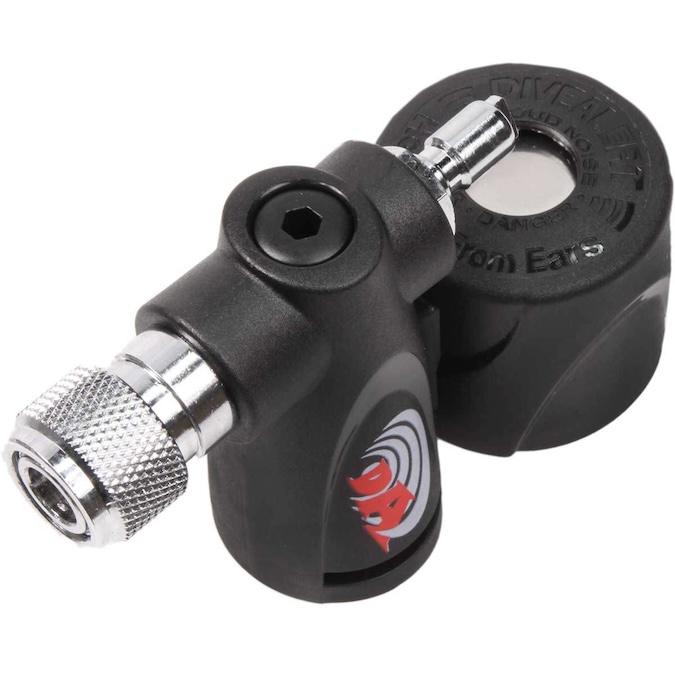
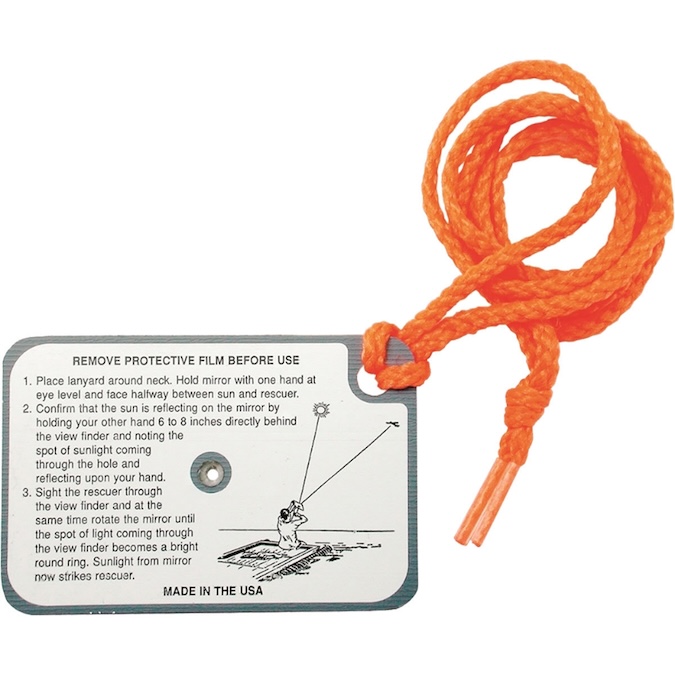
Why pros carry them every dive:
- Surface currents or boat drift can separate you from your entry point
- SMBs alert boats or rescue crews to your location
- Whistles and air horns are audible even in waves
Dive Slate or Waterproof Notebook
Top Pick: Trident Underwater Slate
[What’s in My Dive Bag Pro Divers Share Their Must-Have Gear – 12]
Dive guides and instructors rely on slates for communicating, noting sightings, or managing students underwater.
Anti-Fog Spray & Mask Cleaner
Top Pick: Stream2Sea Mask Defog

Simple but essential, anti-fog solutions keep your vision clear throughout the dive.
Dry Box or Waterproof Pouch
What it’s for:
Storage for phone, wallet, dive log, or spare batteries.
Pro tip: Always bring zip-locks or dry bags for wet-to-dry transitions.
Extras Pros Always Pack
- Reef-safe sunscreen
- Towel & microfiber changing robe
- Spare o-rings and fin straps
- First-aid kit and DAN insurance card
- Hydration tablets and snacks
Bonus: Pro Tips for Gear Organization
Use small pouches or packing cubes
Keep tools, lights, and safety gear separate from your core kit.
Log your gear checklist
Pros keep digital or printed checklists to avoid forgetting key items, especially for international trips.
Dry gear completely before storage
Always rinse with freshwater and dry gear before stowing it back in your bag to avoid mold or corrosion.
FAQs
Most pro-level dive bags weigh between 25–35 lbs depending on the suit and fins. Travel-friendly BCDs and regulators help reduce bulk.
Pros recommend owning your mask, computer, regulator, and wetsuit—these affect comfort and safety most. Renting tanks and weights is fine on-site.
They use padded gear bags, bubble wrap for regulators, and sometimes pack the mask in a carry-on. Dive computers often stay in personal backpacks.
Not everything – but mask, batteries, O-rings, defog, and lights are commonly duplicated for safety.
Absolutely! Start with essentials like a good mask, snorkel, wetsuit, and computer. Add more as your skills and diving frequency grow.
Final Thoughts
Every diver’s kit evolves over time, but the pros share one thing in common: they don’t compromise on fit, function, or reliability. From custom-fit masks and dependable regulators to smart travel bags and signaling devices, having the right setup ensures you’re ready for anything under the surface.
Whether you’re diving reefs, wrecks, or walls, packing like a pro means you’re not just diving better – you’re diving safer and smarter.