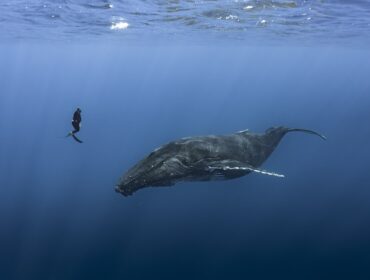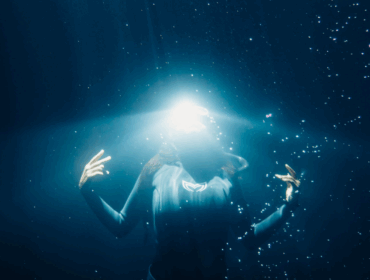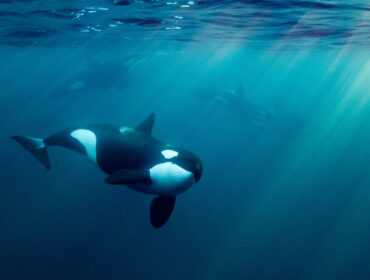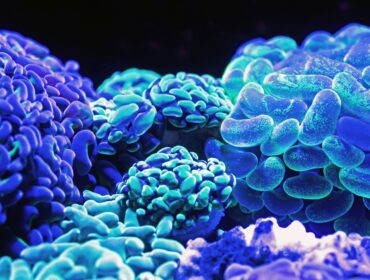
Underwater photography is one of the many ways to enjoy your scuba experience. With so much life under the surface in constant flux, there are infinite possibilities for subject matter and composition. However, there is a bit more involved than just pointing and shooting. The very nature of the water creates unique obstacles that don’t occur on land, but rest assured. You can overcome them by learning about these issues and practicing your color correcting for underwater photography.
Common Challenges for Underwater Photographers
Underwater photographers face the issue of color saturation. Because the longer wavelengths of sunlight that we perceive as orange, yellow, and red are more quickly absorbed by the water than shorter wavelengths like blue and green. The result of underwater photographs can be devoid of any colors but blue and green.
The further away you are from your subject, the more likely your photos will be hues of one color rather than true to the scene. This can be very frustrating if you invest much time and interest in capturing these photos.
There are several practical solutions to this problem. A straightforward solution is to use a red filter on your lens, which will help balance the blues and greens. Another is to use either a wide-angle lens or a macro lens.
A wide-angle lens allows for much closer focusing than a traditional lens because the focal point of the lens is within a shorter distance and has a broader frame of vision. The macro lens is designed to get up close and personal with your subject with a high level of definition. Remember, the further you are from your subject, the less distinction will be visible in your photos.
More detail on your images!
Yet another way to maximize the detail of your subject is to use a flash unit. Even if it is daylight and the world around you seems bright. The flash bathes your subject in whole spectrum light, making the true colors visible while retaining the lovely blues and greens of the ocean.
A strobe flash is highly recommended over your camera’s internal flash, as it is possible for your camera housing to diffuse or block the light. While correcting the density may take some practice, you will know the time spent reviewing the beautiful photos you’ve taken was well spent.
With the advent of digital cameras, there are now technical options such as white balance controls. The fluorescent setting closely mimics underwater lighting, so try this setting to achieve more precise results. One of the best aspects of digital photography is that you can review your work as it is in progress, simply deleting the photo instantly if it doesn’t come out right. A wide array of photo editing software can also salvage otherwise lackluster pictures due to color absorption.