When it comes to water sports, comfort and performance go hand in hand. One of the most common gear questions that surfers, divers, paddleboarders, and even casual beach adventurers face is whether to choose a shorty wetsuit or stick with a full wetsuit. Both have their place, but the right choice depends on where, when, and how you’ll be in the water.
This guide breaks down the shorty wetsuit debate — exploring the pros, cons, and use cases — so you can decide if a shorty is right for your next adventure.
What Exactly Is a Shorty Wetsuit?
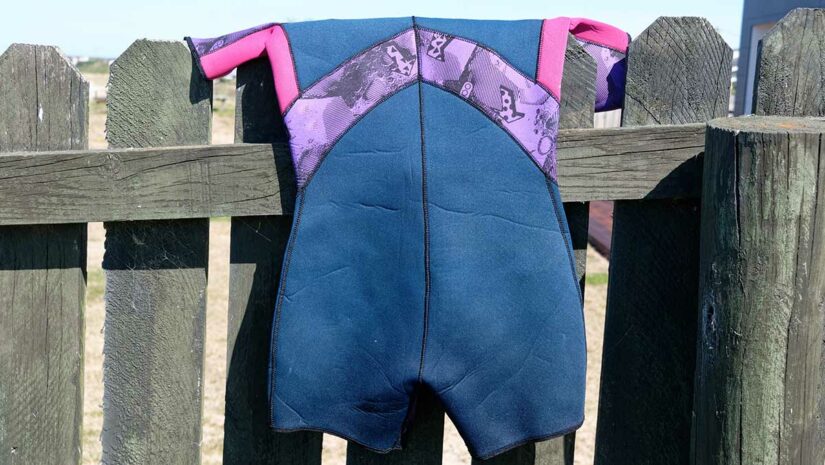
A shorty wetsuit (sometimes called a “spring suit”) is designed with short sleeves and short legs, typically ending above the elbows and knees. It’s made from the same neoprene material as a full wetsuit, offering insulation and protection, but with less coverage.
Think of it as the wetsuit equivalent of a T-shirt and shorts — lighter, less restrictive, and more breathable than a full-body version.
Shorties are most commonly available in 2mm to 3mm neoprene thickness, which makes them ideal for warmer water conditions.
Why Choose a Shorty?
Comfort and Freedom of Movement
One of the biggest selling points of a shorty wetsuit is mobility. With less neoprene on your arms and legs, it feels less restrictive. Whether you’re paddling on a surfboard, practicing freestyle swimming, or getting in and out of a kayak, the shorty keeps you flexible.
Lightweight and Easy to Wear
Shorties are easy to put on and take off compared to full wetsuits. If you’re hopping in and out of the water multiple times during the day, you’ll appreciate the convenience.
Warm-Weather Friendly
When the water is warm but not quite skin-comfortable, a shorty gives you that extra insulation without overheating. It’s a great in-between option for spring and summer seasons.
Affordable Option
In general, shorty wetsuits are less expensive than full wetsuits. If you’re new to water sports or just need occasional gear, a shorty can be a budget-friendly entry point.
The Downsides of Shorties
Of course, shorty wetsuits aren’t perfect for every condition. Here are some limitations you should consider:
Limited Thermal Protection
The most obvious drawback: less coverage means less warmth. If you’re heading into colder waters or plan on staying in for long sessions, a shorty won’t cut it.
Less Protection from the Elements
A full wetsuit shields your entire body not just from cold, but also from sunburn, jellyfish stings, and abrasions from reefs or boards. With a shorty, your arms and legs are exposed.
Seasonal and Regional Limitations
Shorties are best suited for warm-water destinations or transitional seasons. If you’re surfing in California in early spring or diving in the UK, a shorty simply won’t provide enough insulation.
When to Wear a Shorty Wetsuit
Choosing the right wetsuit depends on water temperature, activity level, and personal preference. Here’s when a shorty makes sense:
- Water temperatures above 70°F (21°C): Shorties are perfect when the water is warm but not bathtub-hot.
- Surfing in summer swells: They provide flexibility for paddling and duck-diving.
- Snorkeling in tropical regions: Keeps your core warm and protects your torso from sun exposure.
- Kayaking or paddleboarding: Ideal if you’re likely to get wet but don’t need full thermal protection.
- Pool training: For divers practicing skills in controlled environments.
When to Skip the Shorty
On the flip side, there are situations where a full wetsuit is the smarter choice:
- Cold water dives below 65°F (18°C)
- Extended surf sessions in windy conditions
- Scuba diving at deeper depths (where heat loss is greater)
- Activities with high exposure risk—like rocky coastlines, reefs, or jellyfish-heavy waters.
Shorty vs. Full Wetsuit: A Quick Comparison
| Feature | Shorty Wetsuit | Full Wetsuit |
|---|---|---|
| Coverage | Short sleeves/legs | Full arms/legs |
| Water Temp Range | 70°F (21°C) and above | 50°F-70°F (10°C-21°C) depending on thickness |
| Mobility | High | Moderate |
| Ease of Use | Easy on/off | Slightly harder |
| Protection | Core warmth, limited UV/sting protection | Full-body warmth + sun/sting/abrasion protection |
| Cost | Usually lower | Typically higher |
Tips for Choosing the Right Shorty
If you’ve decided a shorty might be right for you, here are a few buying tips:
- Check Neoprene Thickness – 2mm suits are great for very warm water, while 3mm adds a touch more insulation.
- Look at the Seams – Flatlock stitching is common in shorties and works well in warmer waters. For cooler conditions, glued-and-blind-stitched seams reduce water entry.
- Fit is Everything – A wetsuit should feel snug but not restrictive. If it’s too loose, cold water will flush through.
- Consider Your Sport – Surfers may prefer chest-zip styles for flexibility, while divers might opt for back-zip shorties for easier donning.
- Durability vs. Price – If you’re a frequent user, investing in a higher-quality shorty will pay off over time.
Caring for Your Shorty Wetsuit
A wetsuit is an investment, even if it’s a budget-friendly shorty. To extend its life:
- Rinse with fresh water after every use.
- Dry in the shade—avoid direct sunlight, which damages neoprene.
- Hang on a wide hanger to avoid stretching.
- Avoid hot water and harsh detergents.
- Store flat or folded loosely, not scrunched up.
Who Should Go for a Shorty?
Shorty wetsuits are best for:
- Casual surfers who ride during warmer months.
- Vacation snorkelers heading to tropical waters.
- Kayakers and SUP enthusiasts in mild climates.
- Beginner divers training in warm pools.
- Anyone who values comfort, ease, and affordability over maximum insulation.
On the other hand, if you’re into year-round surfing, deep diving, or cold-water adventures, a shorty is more of a backup suit rather than your main gear.
Final Verdict: To Shorties or Not to Shorties?
So, should you go for a shorty wetsuit?
If your water adventures take place in warm to mild conditions, and you prioritize freedom, comfort, and easy wear, then yes — a shorty is a fantastic choice. It’s versatile, cost-effective, and reliable for activities like surfing, snorkeling, and paddleboarding in the right climate.
But if you’re dealing with colder waters, long sessions, or high exposure risks, a shorty won’t be enough. In that case, stick with a full wetsuit for complete coverage and protection.
At the end of the day, many seasoned water lovers keep both a shorty and a full wetsuit in their gear bag — so they’re ready for whatever conditions the ocean throws at them.
FAQs: Shorty Wetsuits
A shorty wetsuit has short sleeves and legs, covering only the torso, while a full wetsuit covers the entire body from ankles to wrists. Shorties are better for warm water, while full suits provide more insulation and protection.
Shorty wetsuits are best suited for water temperatures above 70°F (21°C). Anything colder usually requires a full wetsuit for adequate warmth and protection.
Yes, shorties are great for surfing in warm conditions. They give you flexibility for paddling and comfort in summer swells. However, in cooler water or windy conditions, a full wetsuit is recommended.
Shorties provide core warmth and some insulation, but they don’t keep you as warm as a full wetsuit. They’re designed for mild to warm water where only a light layer is needed.
Yes, shorties work well for snorkeling in tropical or warm regions. They protect your torso from sunburn and mild stings while keeping you comfortable in the water.