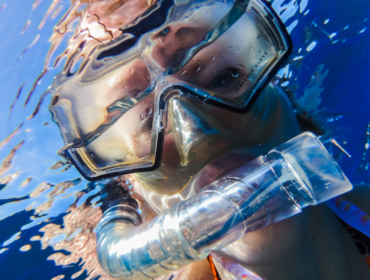
Planning a scuba diving trip/liveaboard diving trip with your scuba gear? Here are a few tips and tricks on caring for your diving equipment and what not to forget.
1. Mark your gear
Put a distinct mark or write your name on all your gear, big or small. While I’m not insinuating that people steal on a busy boat with a lot of divers and gear strewn about, it’s not that hard to pick up someone else’s stuff by mistake, especially if it looks similar. It would be a shame to lose that favorite mask or that expensive dive knife or anything for that matter. If you’ve spent hard-earned cash on buying your own scuba kit, take the pride that it is yours and the precautions to keep it that way. Plus, it’ll save any embarrassment if you happen to accuse anyone of theft and then have the proof to back it up.
2. Protect your dive regulator during travel
Probably one of the most expensive, and do not forget that important pieces of scuba diving equipment are your regulator. The best way to protect it during travel would be to invest in a special padded regulator bag which can be taken as a carry-on for flights as well. If you don’t have one of these nifty scuba gear bags, then remember to wrap your regs in swaddling cloths. And put it in your carry-on rather than check it in a bag to avoid any damage in transit.
3. Carry your own spares
There is nothing worse than having to abort a dive or sit out a dive because a $2-$4 part broke down, and no one had any spares. Just as duck tape fixes everything on land, O-rings and tie wraps can fix anything when you’re at sea. Found in a variety of scuba gear, O-rings are needed for regulators, U/W lights, and tank valves and may often break due to pressure and wear & tear. If you’re unsure about what spares to think of and carry with you, buy a save-a-dive kit like the Princeton Tec Save-A-Dive Kit available at Scuba.com, which has all the basics and essentials like a mask strap, fin strap, O-rings, regulator mouthpiece, snorkel keeper and the little stuff, that could save your dive if need be. These kits usually come in compact waterproof containers and are a must-have to complete dive kit. Buy one and toss it in that scuba bag for the day you’ll need something out of it.
4. Wet your tank band before kitting up.
Chances are, if it’s your first dive and your BC jacket is dry, you’ll want to get the tank band before strapping in your tank. Why, you might ask. If your BC is dry, no matter how tight you strap your tank in, when it gets wet, it will expand and lose a bit. You don’t want your tank slipping lower during a dive now, do you? A simple solution: wet your tank band before kitting up for a worry-free dive.
5. Rinse your gear
The best tip for equipment longevity is one you’ve probably heard a lot but is worth repeating. Rinse your gear thoroughly after a dive. Whether it’s saltwater, freshwater, or even pool water dive, it’s important to rinse every piece of your scuba kit of everything, including salt, sand, dirt…etc. Also, another note to make is to be careful while putting the dust cap onto the first stage of your regulator. Make sure it is dry by quickly blasting it with some air from your tank. However, don’t blast the first stage of your regulator, much to the pet peeve of every divemaster out there, just your dust cap!
If you invest the time and money to acquire your scuba diving gear and equipment, take the time to invest in its maintenance. It’ll ensure you stretch your money’s worth and keep your gear in good working condition and looking slick.