The ocean is full of wonders, from dazzling coral reefs to mysterious deep-sea creatures. Among these, one creature stands out for its timeless design, slow pace of evolution, and almost mythic presence: the nautilus. Often called a “living fossil,” the nautilus has been drifting through the oceans for hundreds of millions of years, surviving ice ages, mass extinctions, and dramatic shifts in marine ecosystems. But what makes this unassuming mollusk so fascinating? Let’s dive into the world of the nautilus.
What Is a Nautilus?
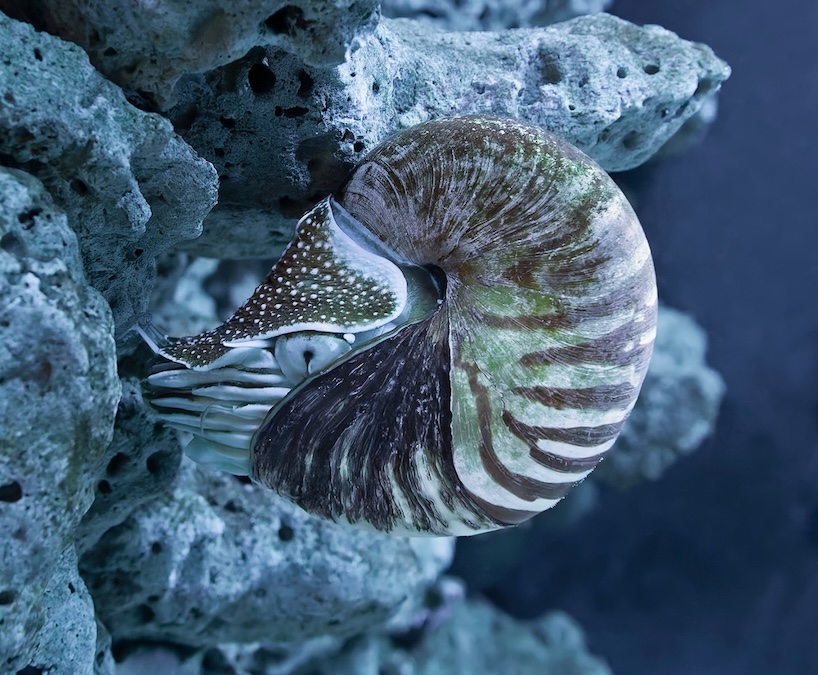
At first glance, a nautilus might resemble a tiny, elegantly coiled shell gliding through the water. But it’s much more than just a shell—it’s a living animal closely related to squid, octopuses, and cuttlefish, all members of the class Cephalopoda.
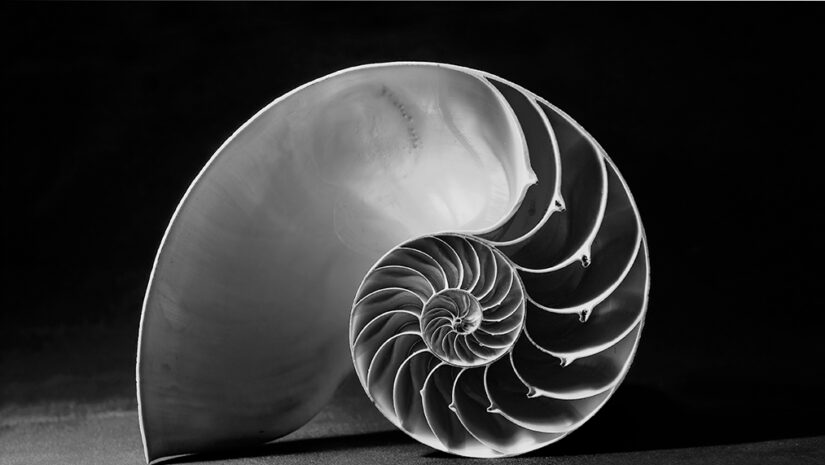
The nautilus’ most iconic feature is its spiral shell, which is divided internally into chambers. These chambers are not just for show—they are vital for the animal’s survival, allowing it to control buoyancy. By regulating the gas and liquid within each chamber, the nautilus can move up and down the water column with ease, a natural submarine perfected over millions of years.
Why Is It Called a “Living Fossil”?
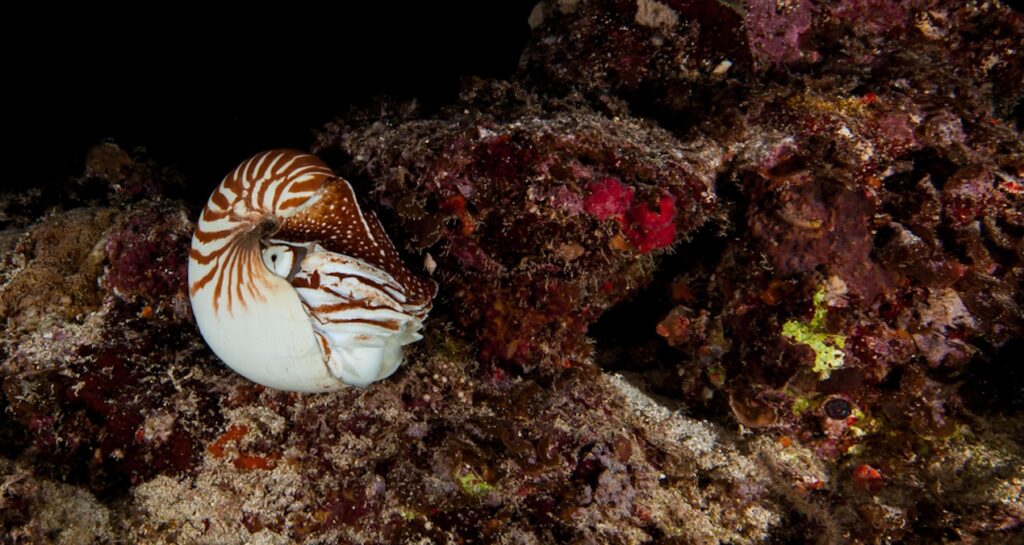
The term “living fossil” is reserved for species that have remained largely unchanged for very long periods of geological time. Nautiluses first appeared roughly 500 million years ago. That means these creatures existed long before the dinosaurs and have survived multiple mass extinction events.
Despite the passage of hundreds of millions of years, the basic body plan of the nautilus—its shell structure, tentacles, and lifestyle—remains remarkably similar to its ancient ancestors. Scientists study them not only for their unique biology but also as a window into the evolutionary past.
Anatomy and Behavior of a Nautilus
The Shell
The nautilus shell is a marvel of natural engineering. Its logarithmic spiral allows for efficient growth, while the inner chambers provide buoyancy control. This shell also acts as armor, protecting the nautilus from predators like sharks and larger cephalopods.
Tentacles
Unlike squid and octopuses, the nautilus has 60-90 small, suckerless tentacles. These tentacles are used to capture prey such as crustaceans and small fish. The nautilus’ tentacles are sticky, relying on adhesion rather than suction cups to secure its meal.
Eyes
Nautilus eyes are less sophisticated than those of its cephalopod cousins—they lack lenses and can’t form sharp images. Instead, they detect light and dark, which is enough to navigate the dim waters of their deep-sea habitats.
Slow but Steady
Nautiluses are slow-moving creatures, often drifting at depths of 100-500 meters (330,640 feet). This slow lifestyle helps conserve energy and makes them surprisingly resilient in a changing ocean environment.
Nautilus in Its Habitat
Nautiluses are primarily found in the Indo-Pacific region, near the coasts of Australia, Fiji, and the Philippines. They inhabit steep underwater slopes and coral reef drop-offs, often hiding in crevices during the day and rising at night to feed.
Their deep-sea lifestyle protects them from many surface predators, while their unique buoyancy system allows them to navigate vertical water columns efficiently. Despite their ancient lineage, nautiluses are vulnerable to human activity, as they are slow-growing and reproduce late in life.
Feeding and Diet
Nautiluses are opportunistic predators and scavengers. Their diet includes:
- Crustaceans like shrimp and crabs
- Small fish
- Carrion (dead animals that drift down to deeper waters)
Using their numerous tentacles, the nautilus can capture prey and bring it to its beak-like mouth, which is strong enough to break shells. Their slow movements mean they rarely chase prey; instead, they rely on ambush and patience.
Reproduction and Lifespan
Unlike many fast-growing cephalopods, nautiluses have a slow reproductive cycle. They reach sexual maturity at around 15 years, laying only a few dozen eggs at a time. These eggs take 9-12 months to hatch.
Nautiluses can live up to 20 years, which is unusually long for cephalopods. Their longevity, slow growth, and low reproductive output make them particularly sensitive to overfishing and collection for their shells.
Nautilus and Humans
The nautilus shell has captivated humans for centuries. Its perfect spiral has inspired art, architecture, and mathematics, symbolizing balance and beauty. Nautilus shells are sometimes collected as souvenirs, though this practice has led to population declines in certain areas.
Conservationists warn against unsustainable harvesting, and some countries now regulate or ban nautilus collection to protect wild populations. These creatures play an essential ecological role, and their slow growth means recovery from overfishing is slow.
Conservation Status
Today, nautiluses face several threats:
- Overharvesting for shells: The ornate shells are sold internationally, putting pressure on wild populations.
- Habitat degradation: Coral reefs and deep-sea habitats are under threat from climate change and pollution.
- Slow reproduction: Low fertility and late maturity mean populations recover slowly.
Efforts are underway to include nautiluses in international conservation agreements. Protecting their habitats and regulating trade are crucial to ensuring these “living fossils” persist for future generations.
Fascinating Facts About Nautiluses
- The nautilus shell follows the Fibonacci sequence, a mathematical spiral pattern found throughout nature.
- Nautiluses have chambered shells, and as they grow, they move into a new, larger chamber, sealing off the old one.
- Despite their slow pace, they are efficient hunters, using up to 90 tentacles to grasp prey.
- Nautiluses have remained largely unchanged for millions of years, earning their title as a “living fossil.”
Why Nautiluses Matter
Studying the nautilus provides insight into evolutionary biology, marine ecosystems, and adaptation over time. Their simple yet effective design teaches scientists about survival in the deep sea. Moreover, the nautilus reminds us that the ocean’s oldest inhabitants are fragile and deserve protection.
For divers and ocean enthusiasts, encountering a nautilus in the wild is a rare and awe-inspiring experience—a glimpse into a prehistoric world still thriving beneath the waves.
Conclusion
The nautilus is more than a beautiful shell—it’s a living testament to the resilience of life on Earth. As one of the ocean’s oldest cephalopods, it bridges the past and present, offering lessons in adaptation, patience, and survival. Protecting nautiluses is not just about preserving a species; it’s about honoring a lineage that has endured hundreds of millions of years.
Next time you see a nautilus shell in a museum, aquarium, or souvenir shop, remember the story behind it: a creature that has quietly navigated the deep seas, unchanged for eons, a true living fossil of the oceans.
FAQs: Nautilus
A nautilus is a cephalopod mollusk with a spiral shell, related to squid and octopuses. It’s considered a “living fossil” because it has remained largely unchanged for hundreds of millions of years.
It has survived multiple mass extinctions with minimal evolutionary changes, retaining its basic anatomy and lifestyle for over 500 million years.
Nautiluses inhabit deep slopes and coral reef drop-offs in the Indo-Pacific, including areas near Australia, Fiji, and the Philippines.
They are opportunistic predators and scavengers, feeding on crustaceans, small fish, and carrion, using their sticky tentacles to capture prey.
They control buoyancy through gas-filled shell chambers, allowing them to drift up and down the water column efficiently, while conserving energy with slow, steady movement.